
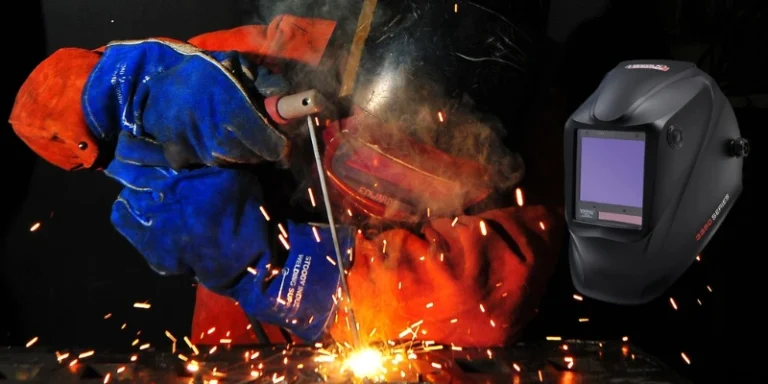
Welding is hard enough without fighting a blurry lens, a heavy hood, or a helmet that flashes you at the wrong time. A good welding helmet should give you a clear view of the puddle, react fast to the arc, and stay comfortable for an entire shift.
This guide looks at some of the best welding helmets available today, from high‑end panoramic models to more compact, workhorse designs. For each helmet, you’ll see what makes it different, key specs in plain English, honest pros and cons, and who it’s best for. At the end, you’ll find simple buying advice and answers to common questions, so you can match the right helmet to your work, budget, and experience level.
Best Welding Helmets (Short Answer)
For most welders, the best helmets are true‑color, auto‑darkening models with a medium‑large viewing area, 4 arc sensors, and a 4/5–13 shade range with grind mode. Strong all‑round choices include:
- Lincoln Electric VIKING 3350 (K3034‑4 series): Very large 12.5 sq. in. view, excellent 4C optics, comfortable headgear; ideal for daily professional or serious hobby use.
- Miller Digital Performance / Digital Elite with ClearLight 4X: High‑definition, natural‑color view, multiple modes (weld/cut/grind), and lighter weight, great for TIG, MIG and Stick.
- ESAB Sentinel‑style low‑profile helmets: Big screen in a compact shell, good for working around pipe and in tight spots.
If you’re on a tighter budget, mid‑range models like Jackson Safety 46129 or Sellstrom S26400 still offer reliable auto‑darkening and decent viewing areas without the top‑tier price.
Table of Contents
15 Best Welding Helmets in 2026 – Buyer’s Guide & Reviews
1. ANDELI Welding Panoramic Darkening – 180° View with 6‑Sensor Protection
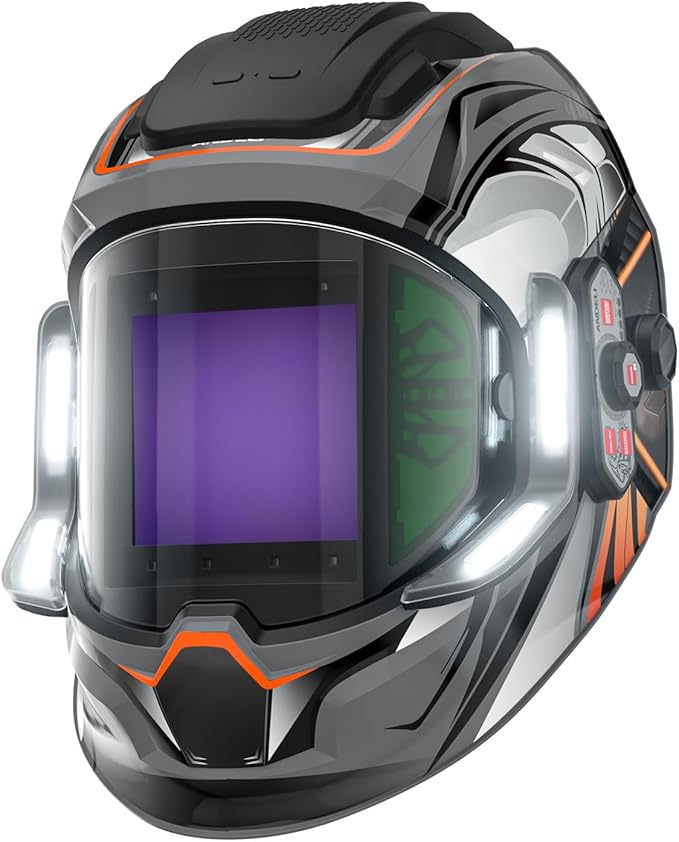
ANDELI Welding Panoramic Darkening Helmet
Panoramic auto‑darkening helmet with a large 3.94″×3.74″ main view, side windows, 6 sensors, and USB‑C charging plus built‑in LED lights for dark work areas.
Check PriceWhy it stands out
This ANDELI model combines one of the widest fields of view in its class with a 6‑sensor array and onboard lighting, giving you stable darkening and visibility even in awkward positions or poorly lit shops.
Key points
- Main viewing area about 3.94″×3.74″ plus side windows for 180° feel
- True‑color optics with high optical clarity
- 6 arc sensors for very reliable arc detection
- Shade range roughly DIN 4/5–9/9–13 with dedicated grind mode
- Solar‑assist plus USB‑C rechargeable battery
- Integrated LED lights for dim or enclosed spaces
Pros
- Huge panoramic view reduces head movement and tunnel vision
- Six sensors minimise the chance of getting flashed in tight joints
- Rechargeable power is convenient and cuts down on battery changes
- Built‑in lights help with setup and tacking in dark corners
Cons
- Heavier and bulkier than compact single‑window helmets
- Side windows don’t darken, which can be distracting in bright sunlight
- More electronics to maintain over time
Best for
Welders who spend a lot of time in varied positions or confined spaces and want maximum visibility and sensor coverage in one helmet.
2. Lincoln Electric K3034‑4 VIKING 3350 – Top‑Tier 4C Optics with Big Screen
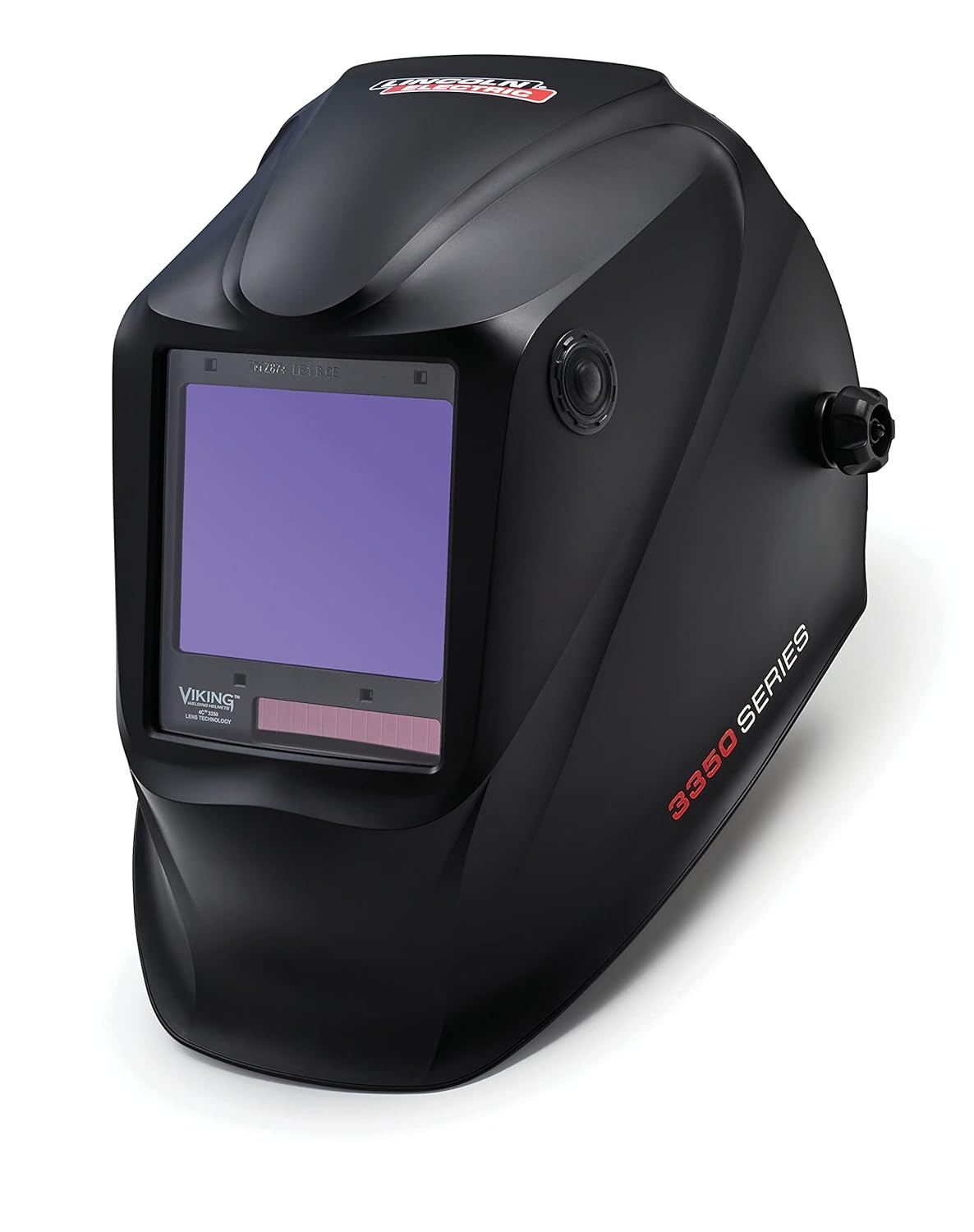
Lincoln Electric K3034‑4 VIKING 3350 Welding Helmet
Flagship Lincoln helmet with a 12.5 sq. in. viewing area, 4C lens technology, 4 sensors, and X6 headgear for pro‑level clarity and comfort.
Check PriceWhy it stands out
The VIKING 3350 is often considered a reference helmet: huge viewing area, perfect 1/1/1/1 optics with 4C technology, and very comfortable X6 headgear that spreads weight across six contact points.
Read More: Lincoln Electric welding helmets.
Key points
- 12.5 sq. in. lens (one of the largest non‑panoramic views)
- 4C lens technology and 1/1/1/1 optical clarity
- Shade range 5–13 with internal sensitivity and delay controls
- 4 arc sensors for reliable detection in most positions
- External low‑profile grind button
- Weight around 20–21 oz
Pros
- Exceptional clarity and true color make puddle control easier
- Large window means less neck movement while tracking the weld
- Comfortable headgear for full‑shift use
- Well‑supported brand with readily available parts
Cons
- Expensive compared with mid‑range helmets
- Slightly heavier than compact or mid‑sized models
- Overkill for occasional hobby use
Best for
Professional or serious hobby welders who want a buy once, cry once helmet with top‑tier optics and comfort for daily use.
3. Miller Digital Performance Black ClearLight 4X – High‑Definition Mid‑Size Helmet
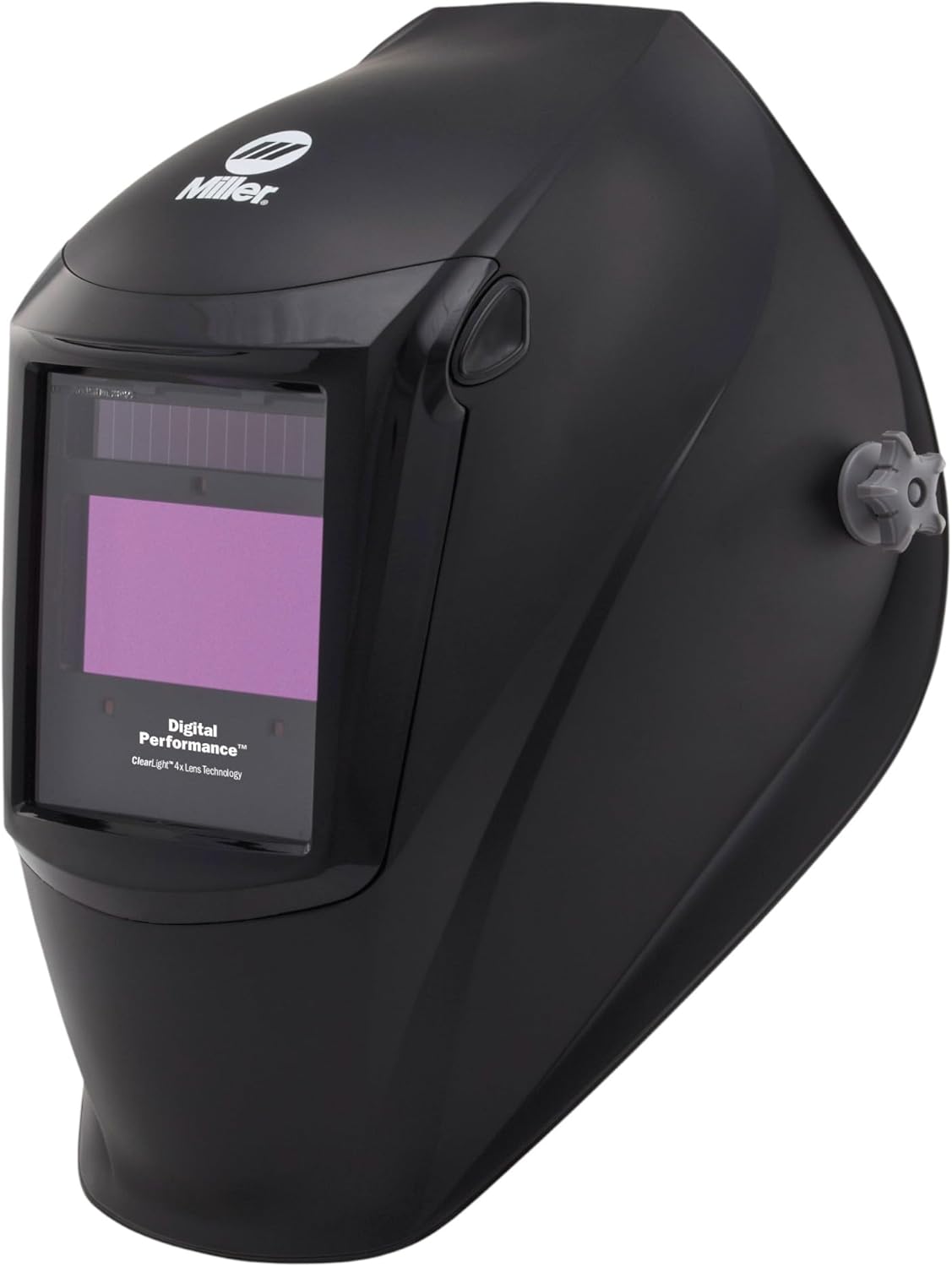
Miller Digital Performance Black ClearLight 4X
Lightweight auto‑darkening helmet with a 7.22 sq. in. view, ClearLight 4X optics, three modes, and 3 sensors for TIG, MIG, Stick, and grinding.
Check PriceWhy it stands out
ClearLight 4X boosts contrast and sharpness, giving you a crisp, natural view of both the arc and the joint, which is especially useful for TIG and detailed work.
Key points
- Viewing area around 3.93″×2.36″ (7.22 sq. in.)
- ClearLight 4X lens with high‑definition optics
- 3 arc sensors, fast 1/25,000 s switching
- Weld, cut, and grind modes with shade 2.5 / 5–8 / 8–13
- Helmet weight about 16.5–17 oz
Pros
- Very clear, high‑contrast view improves fine control
- Lighter than many large‑screen helmets
- Multiple modes keep it flexible for different processes
- Good all‑round balance of performance and weight
Cons
- Smaller view than the very largest helmets
- 3 sensors are fine for most work but not as forgiving as 4 in extreme positions
- Price is mid‑to‑high for its viewing size
Best for
Welders who want excellent clarity in a lighter, medium‑sized helmet and don’t need the largest possible screen.
4. Jackson Safety Variable Darkening 46129 – Simple Workhorse for Everyday Jobs
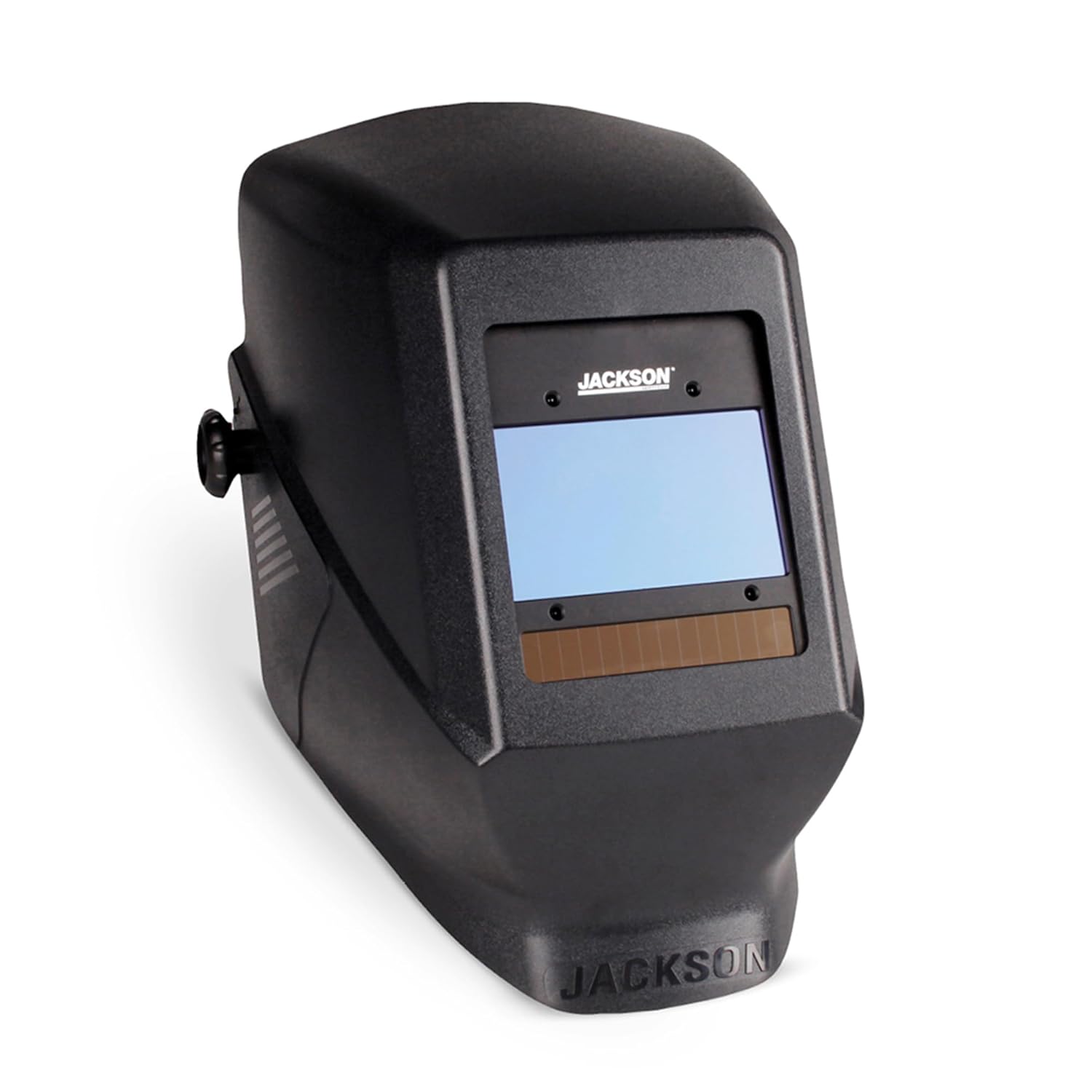
Jackson Safety Variable Darkening 46129
Ultra‑light HSL helmet with a 3.94″×2.36″ view, variable shade 9–13, and straightforward digital controls at an accessible price.
Check PriceWhy it stands out
The 46129 offers a clean, unobstructed view during all stages of welding and a light shell that’s easy to wear, making it a solid upgrade over basic entry‑level hoods.
Key points
- Viewing area 3.94″×2.36″
- Variable shade 9–13 with digital controls
- Sensitivity and delay adjustments
- Auto‑darkening filter in HSL‑100 style shell
- Meets ANSI Z87.1 requirements
Pros
- Lightweight and comfortable for occasional to regular use
- Simple interface is easy to learn and adjust
- Good value for brand‑name quality
- Works for most MIG, TIG, and Stick jobs
Cons
- Only 2 sensors; can be less reliable in tight corners
- No grind mode on many configurations
- Smaller window than premium models
Best for
Budget‑minded welders looking for a reliable, name‑brand auto‑darkening helmet without lots of extra features.
5. SentinelTM Welding Low‑Profile Resistance Viewing – Sleek Helmet with Huge Screen
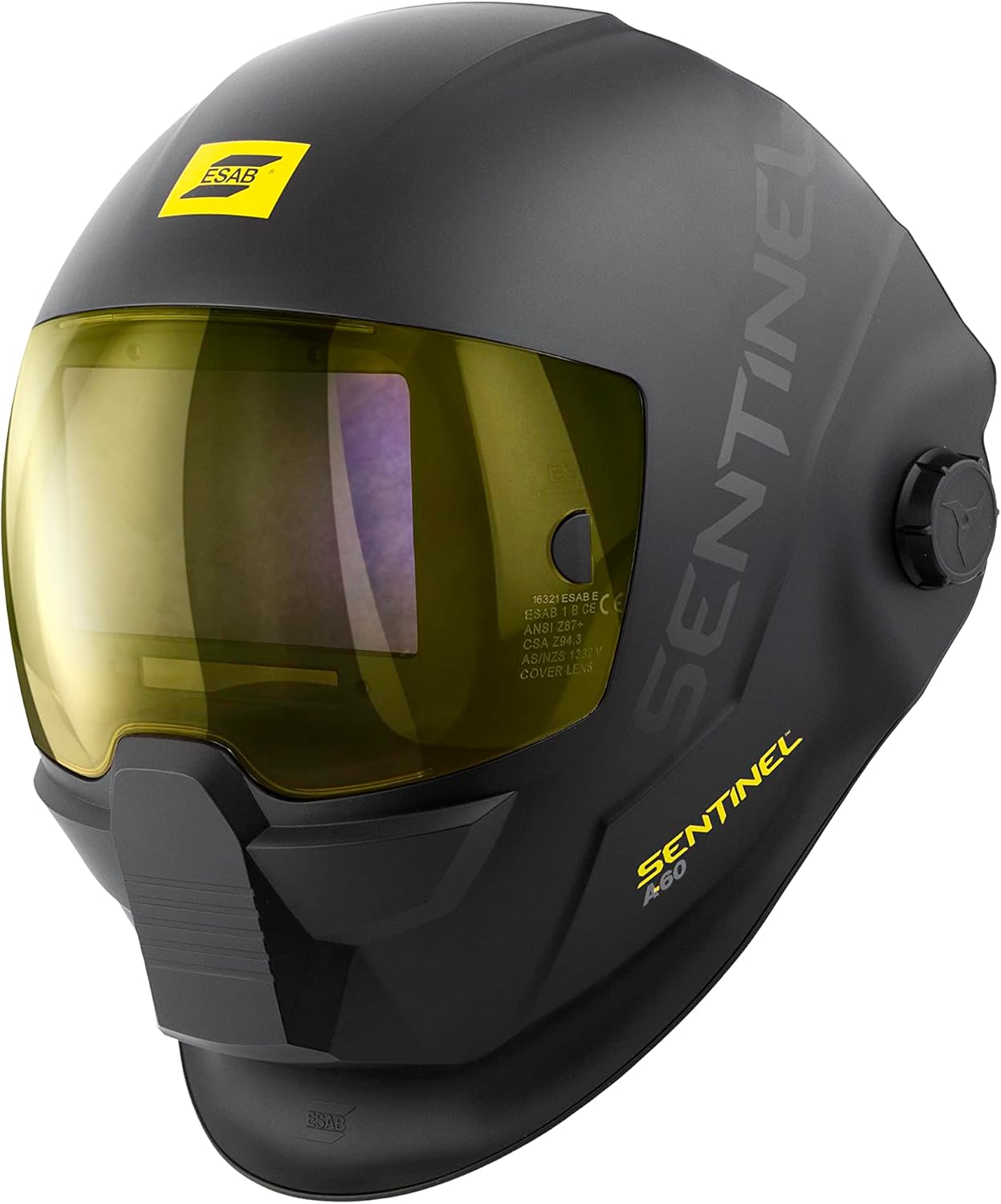
Sentinel Low‑Profile Welding Helmet
Advanced ESAB Sentinel‑type helmet with a large 4.65″×2.80″ lens (≈13 sq. in.), low‑profile shell, and true‑color 1/1/1/1 optics.
Check PriceWhy it stands out
This helmet delivers a massive, true‑color viewing area in a compact, low‑profile shell that slips easily into tight spots where boxy helmets struggle.
Key points
- 4.65″×2.80″ viewing window (about 13 sq. in.)
- 1/1/1/1 optical clarity with true‑color lens
- Shade range typically 3/5–13 with fine increments
- High‑impact nylon shell and ergonomic headgear
- Internal controls for shade, sensitivity, and delay
Pros
- Wide field of view for excellent situational awareness
- Low‑profile shape is great for pipe and tight‑fit work
- Very good optical quality reduces eye strain
- Comfortable, stable headgear
Cons
- Premium price compared to simpler hoods
- Internal controls are less convenient to change with gloves on
- Larger window and shell mean a bit more weight up front
Best for
Experienced welders who want a high‑end, low‑profile helmet for shop or field work where access and visibility both matter.
7. Jackson Safety NexGen Welding Helmet – Digital 3‑in‑1 with 4 Sensors
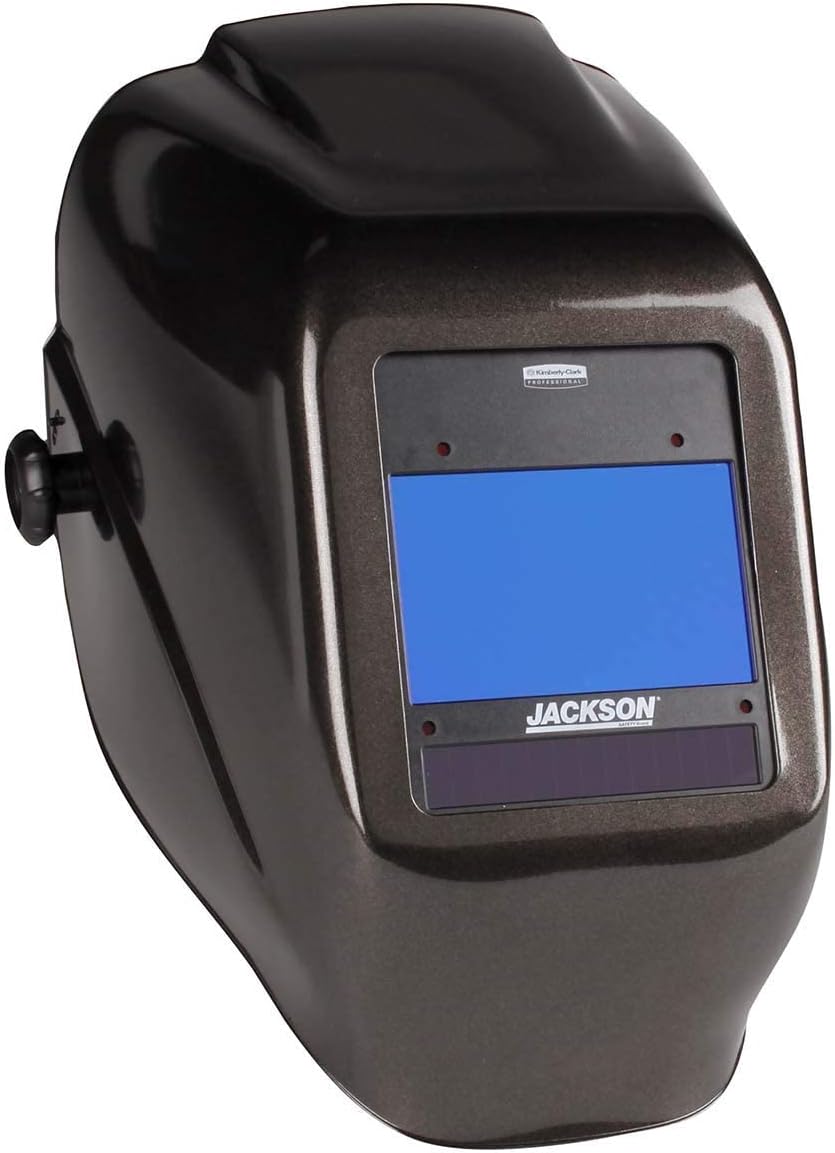
Jackson Safety NexGen Welding Helmet
Digital variable helmet with 3‑in‑1 weld/torch/grind modes, 4 sensors, and a 3.80″×2.35″ window in the classic HSL shell.
Check PriceWhy it stands out
NexGen brings full digital control and four‑sensor reliability to Jackson’s popular HSL shell, giving you more flexibility than basic auto‑darkening helmets.
Key points
- Viewing area about 3.80″×2.35″
- Variable shade 9–13 with digital display
- 4 arc sensors and solar/lithium hybrid power
- 3‑in‑1: weld, torch, and grind modes
- Meets ANSI Z87.1 standards
Pros
- Four sensors reduce the risk of missed arcs
- Digital interface makes precise adjustments easy
- Versatile enough to handle multiple processes
- Trusted brand with service and parts availability
Cons
- Window is smaller than modern large‑screen hoods
- Digital electronics add some complexity
- Not the lightest helmet in its category
Best for
Welders who want Jackson’s rugged shell with more control, and who regularly switch between weld, torch, and grind work.
8. Lincoln Electric K3100‑3 VIKING 3350 Motorhead – Graphic 4C Helmet with Swappable Cartridge
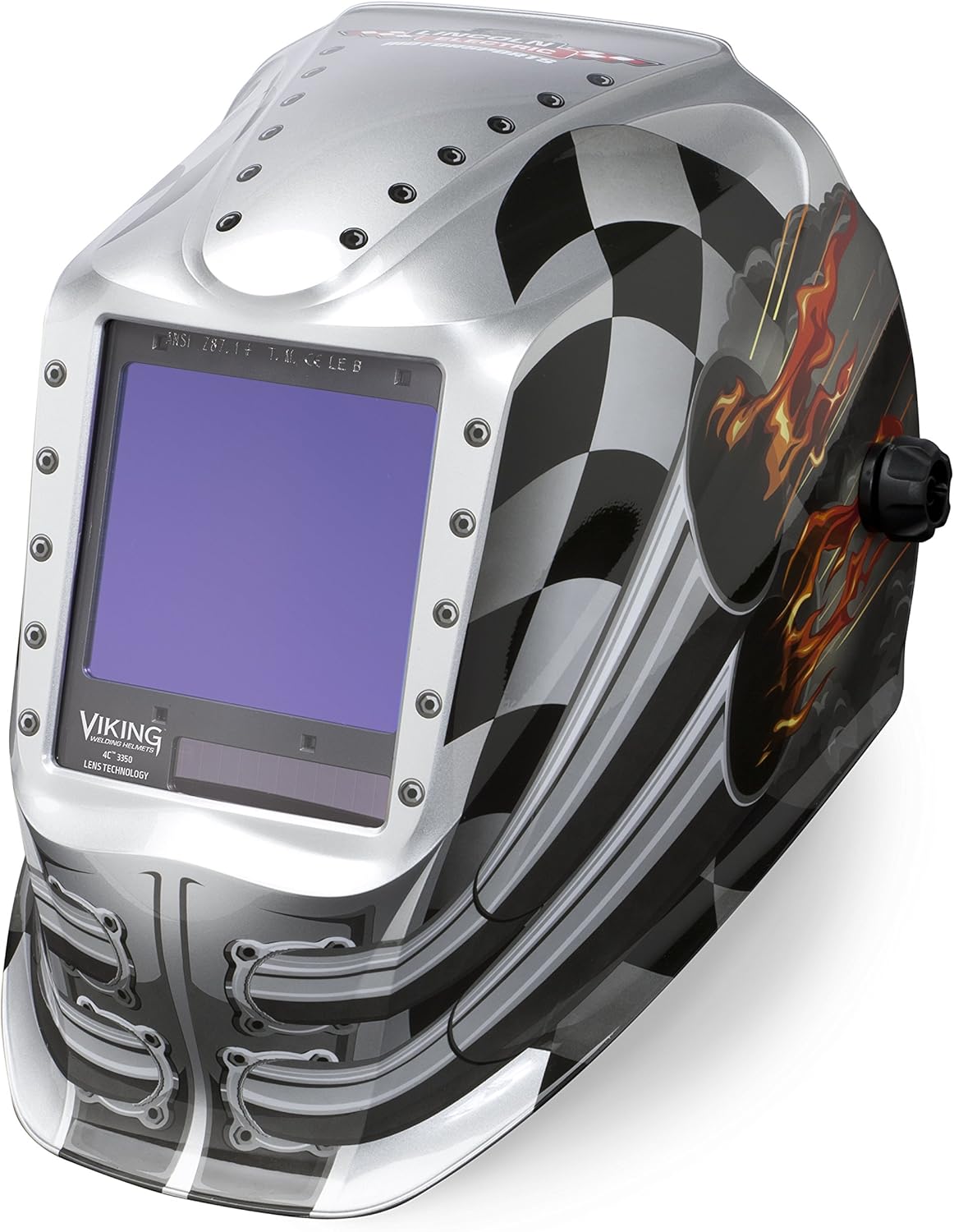
Lincoln Electric K3100‑3 VIKING 3350 Motorhead
VIKING 3350‑series helmet with Motorhead graphics, 3.74″×3.34″ lens, 4C optics, and a replaceable ADF cartridge.
Check PriceWhy it stands out
You get the same core performance as other 3350 helmets, 4C optics, 4 sensors, and a large screen, wrapped in a bold Motorhead graphic design.
Key points
- Viewing area about 3.74″×3.34″
- 4C lens technology, 1/1/1/1 optical rating
- Variable shade 5–13 with sensitivity/delay controls
- 4 sensors and solar/battery power
- Motorhead graphic shell
Pros
- Excellent clarity and color like other 3350 models
- Large viewing area suitable for most work
- Stylish graphics without sacrificing performance
- Replaceable cartridge extends helmet life
Cons
- Price is on par with premium graphic helmets
- Graphics may not be ideal for very dirty environments
- Slightly heavier than bare‑bones shells
Best for
Welders who like the performance of Lincoln’s 3350 but want a more aggressive graphic look on the job.
9. Lincoln Electric K3540‑3 VIKING 3250D FGS – Flip‑Up Grind Shield with Wide Screen
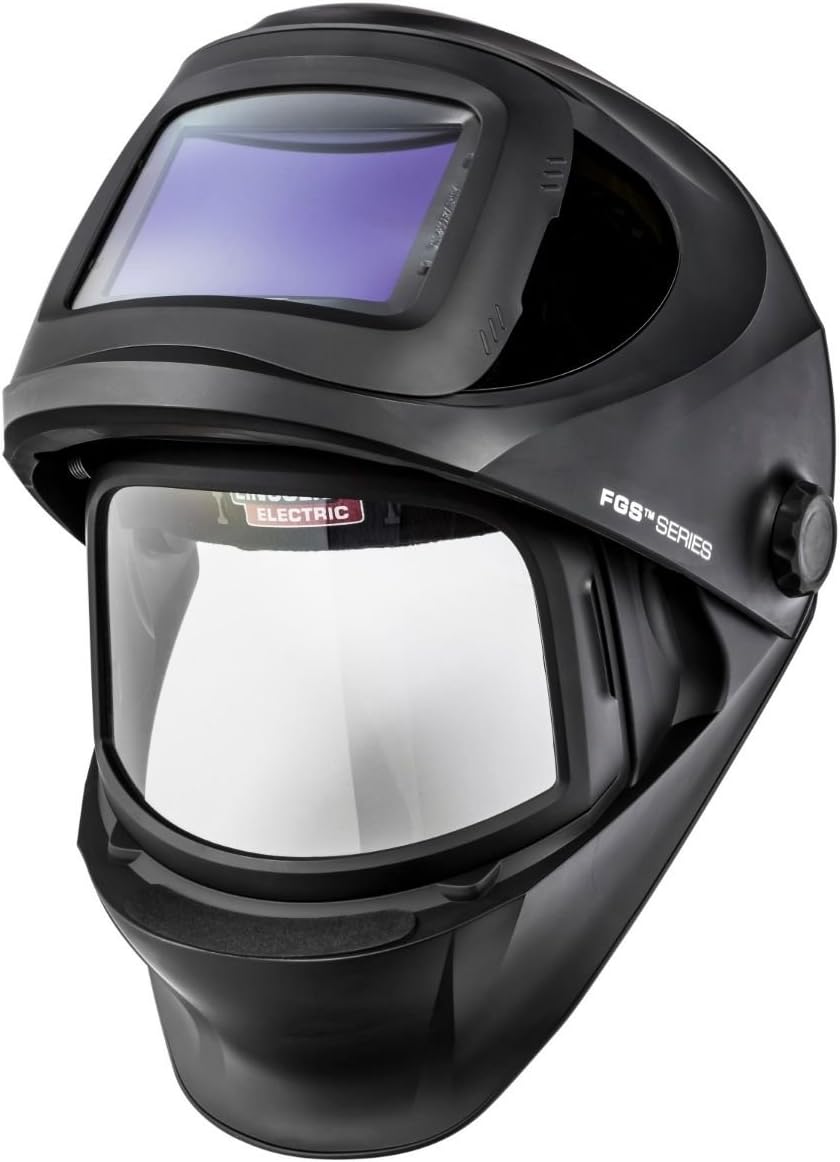
Lincoln Electric K3540‑3 VIKING 3250D FGS
Advanced VIKING helmet with a 12.5 sq. in. 4C lens and an integrated flip‑up grind shield, designed for frequent welding and grinding.
Check PriceWhy it stands out
The flip‑up grind shield lets you go from welding to grinding with a quick motion, saving time and protecting your eyes without needing a second face shield.
Key points
- 12.5 sq. in. auto‑darkening view (wide, widescreen aspect)
- 4C lens technology, 1/1/1/1 clarity
- 4 sensors, variable shade 5–13
- Integrated clear grind shield flips up and down
- Solar power with internal battery
Pros
- Excellent for workflows with frequent grinding or fit‑up
- Large viewing area and top‑tier optics
- Grind shield protects ADF from sparks and debris
- Comfortable headgear with good adjustability
Cons
- Heavier than non‑flip helmets due to extra shield
- More moving parts to maintain and keep clean
- Higher upfront cost than standard VIKING models
Best for
Fabricators and production welders who weld and grind constantly and want a single helmet to handle both safely.
10. YESWELDER Flip‑Up Auto Darkening with Bluetooth – Remote‑Controlled Settings and Fan
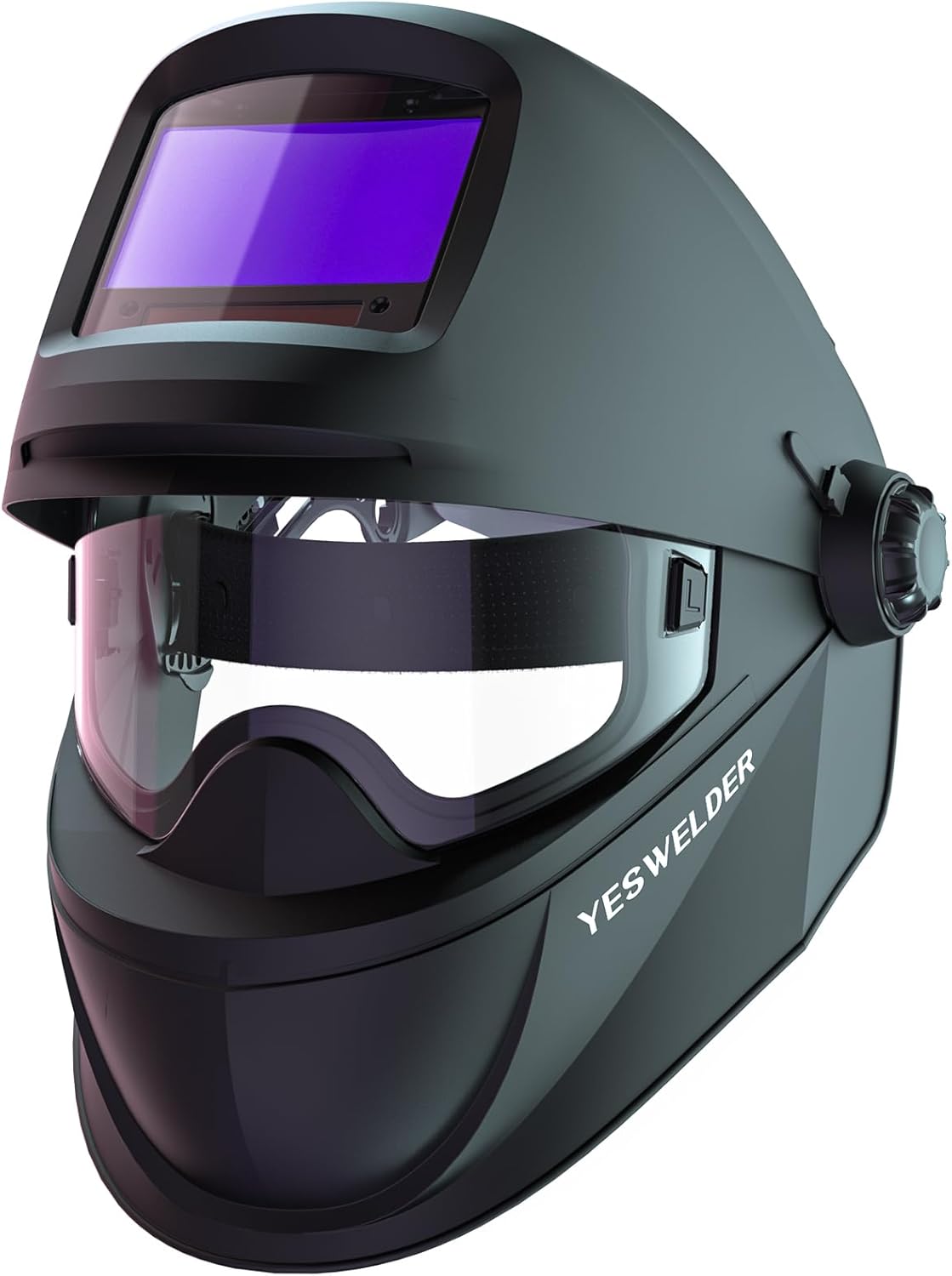
YESWELDER Flip‑Up Auto Darkening Welding Helmet with Bluetooth
Flip‑up true‑color helmet with a 3.93″×3.23″ view, 4 sensors, Bluetooth remote adjustment, and an integrated cooling fan for hot work environments.
Check PriceWhy it stands out
Unlike most helmets, this YESWELDER lets you adjust shade, sensitivity, and delay via Bluetooth, so you can fine‑tune your settings without removing the hood or your gloves.
Key points
- Viewing area 3.93″×3.23″, true‑color
- 4 arc sensors, quick switching
- Bluetooth remote for setting adjustments
- Flip‑up design plus built‑in cooling fan
- Solar plus rechargeable battery system
Pros
- Remote control is very handy in tight spaces or when gloved
- Fan helps reduce fogging and heat build‑up
- Large, clear view suitable for a wide range of work
- Good feature set relative to price point
Cons
- More electronics to maintain and keep charged
- A bit heavier due to fan and battery
- Bluetooth and app features depend on device compatibility
Best for
Tech‑minded welders and those who often work in hot, enclosed spaces and like the idea of remote control and extra airflow.
11. 3M Speedglas Welding Helmet Auto‑Darkening – Lightweight Curved‑Visor Classic
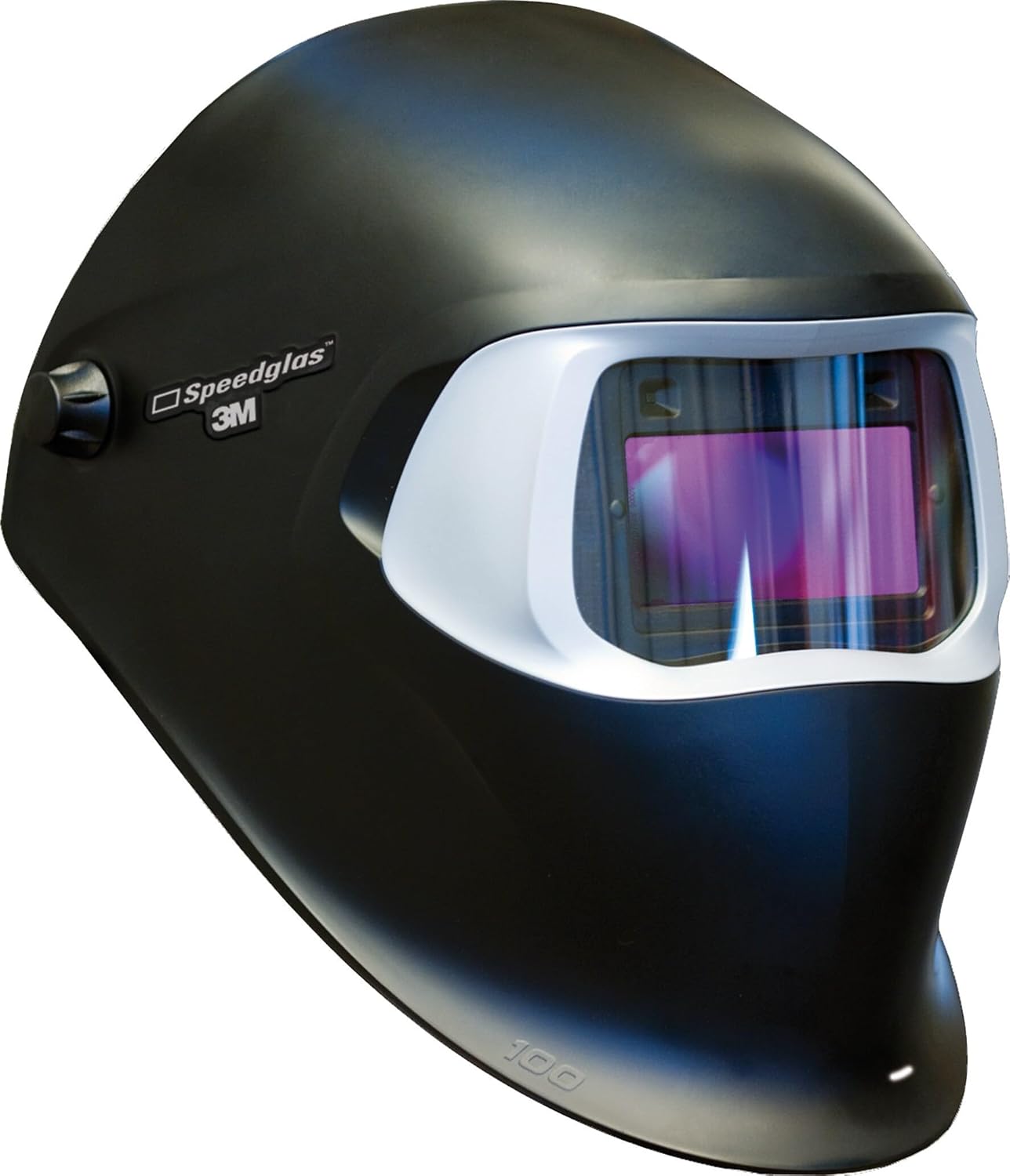
3M Speedglas Auto Darkening Welding Helmet
Classic Speedglas design with a curved 2.13″×4.09″ or similar view, 2 sensors, and very light shell, known for comfort and durability.
Check PriceWhy it stands out
Speedglas helmets are known for their long‑term comfort and ruggedness; this model is very light and works well for people who wear a hood many hours a day.
Key points
- Curved visor design improves field of view
- Two arc sensors, auto‑darkening ADF
- Multiple dark shades (often 8–12 depending on cartridge)
- Compatible with hard‑hat adapters on some configurations
- Lightweight shell, often under 12 oz without lens
Pros
- Very light and comfortable for extended wear
- Curved lens gives a more natural view than flat windows
- Reliable, established brand with good support
- Works well with other 3M PPE systems
Cons
- Only 2 sensors; not as forgiving in very awkward positions
- Smaller viewing area than many newer designs
- Premium price compared to basic two‑sensor helmets
Best for
Welders who prioritise long‑term comfort and want a proven, lightweight helmet, especially in industrial environments.
12. Miller Digital Elite Stars & Stripes ClearLight 4X – Feature‑Rich Pro Helmet
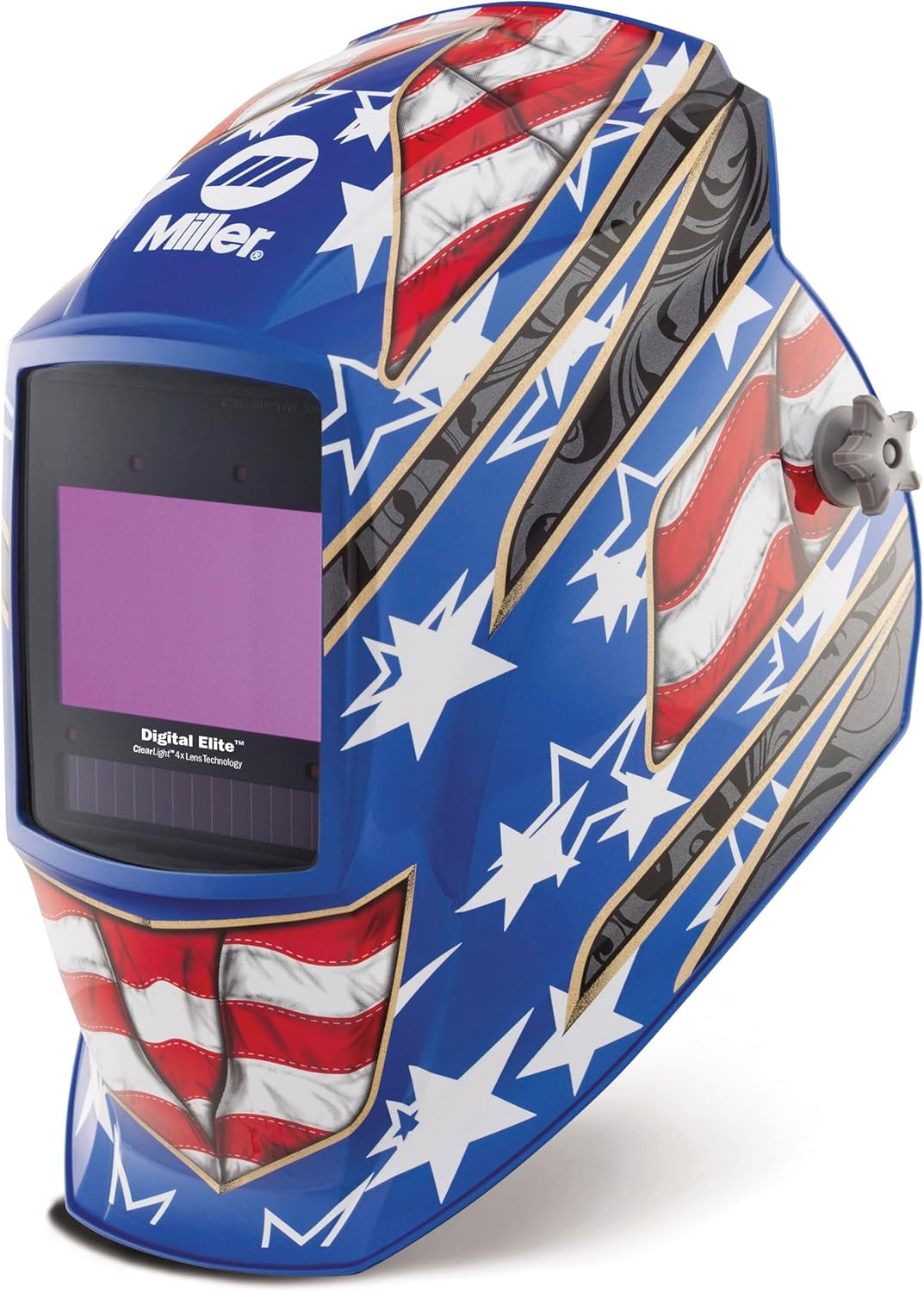
Miller Digital Elite Stars & Stripes ClearLight 4X
Top‑end Miller helmet with a 9.2 sq. in. view, ClearLight 4X optics, 4 sensors, 4 operating modes, and bold Stars & Stripes graphics.
Check PriceWhy it stands out
Digital Elite offers advanced features like X‑Mode, InfoTrack, and AutoSense in addition to a big, clear window, making it one of the most configurable helmets on the market.
Key points
- 9.2 sq. in. viewing area
- ClearLight 4X lens, 1/1/1/1 optical rating
- 4 sensors, 4 modes: weld, cut, grind, X‑Mode
- Shade range 5–8 (cut) and 8–13 (weld), 2.5 light state
- Weighs around 17–18 oz
Pros
- Excellent clarity and contrast, ideal for demanding work
- X‑Mode helps prevent sunlight interference outdoors
- Large view and responsive sensors
- Graphics appeal to welders who like bold designs
Cons
- High price; mainly suitable for regular, serious use
- Many features can overwhelm beginners at first
- Slightly heavier than some mid‑range helmets
Best for
Advanced hobbyists and professionals who want maximum control and clear vision across many processes and environments.
13. ANDELI Panoramic Purifying Respirator – PAPR Helmet with 180° View
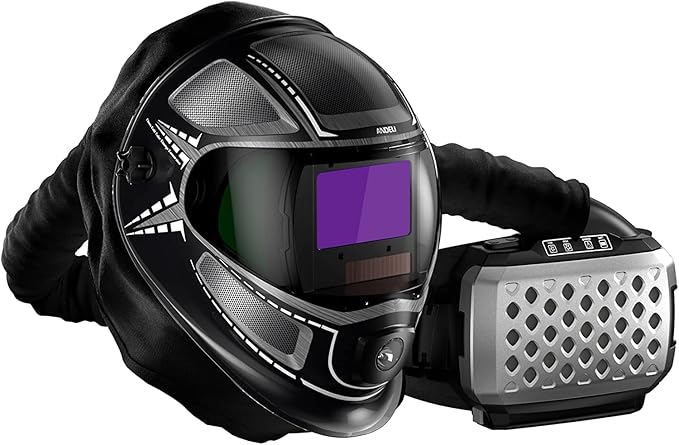
ANDELI Panoramic PAPR Welding Helmet
Auto‑darkening panoramic helmet with powered air‑purifying respirator (PAPR), 180° large view, and true‑color lens for clean, cool breathing air.
Check PriceWhy it stands out
This helmet integrates a PAPR system with a panoramic lens, providing both eye protection and filtered breathing air in one unit, which is rare at this price level.
Key points
- 180° viewing system with large main lens and side windows
- Auto‑darkening filter with fast switching
- PAPR system with high‑efficiency filtration (≈99.95% claimed by manufacturer types)
- Adjustable airflow and rechargeable power pack
- Includes headgear, blower unit, and hoses
Pros
- Protects both lungs and eyes in one package
- Great for confined or poorly ventilated spaces
- Wide view helps with situational awareness
- Fan keeps your face cooler during long welds
Cons
- Heavier and more complex than standard helmets
- Requires regular charging and filter changes
- Higher total cost than non‑PAPR hoods
Best for
Welders working in high‑fume environments, tight spaces, or on materials where fume exposure is a serious health concern.
14. Sellstrom S26400 Premium Series – 4‑Sensor Blue‑Lens Workhorse
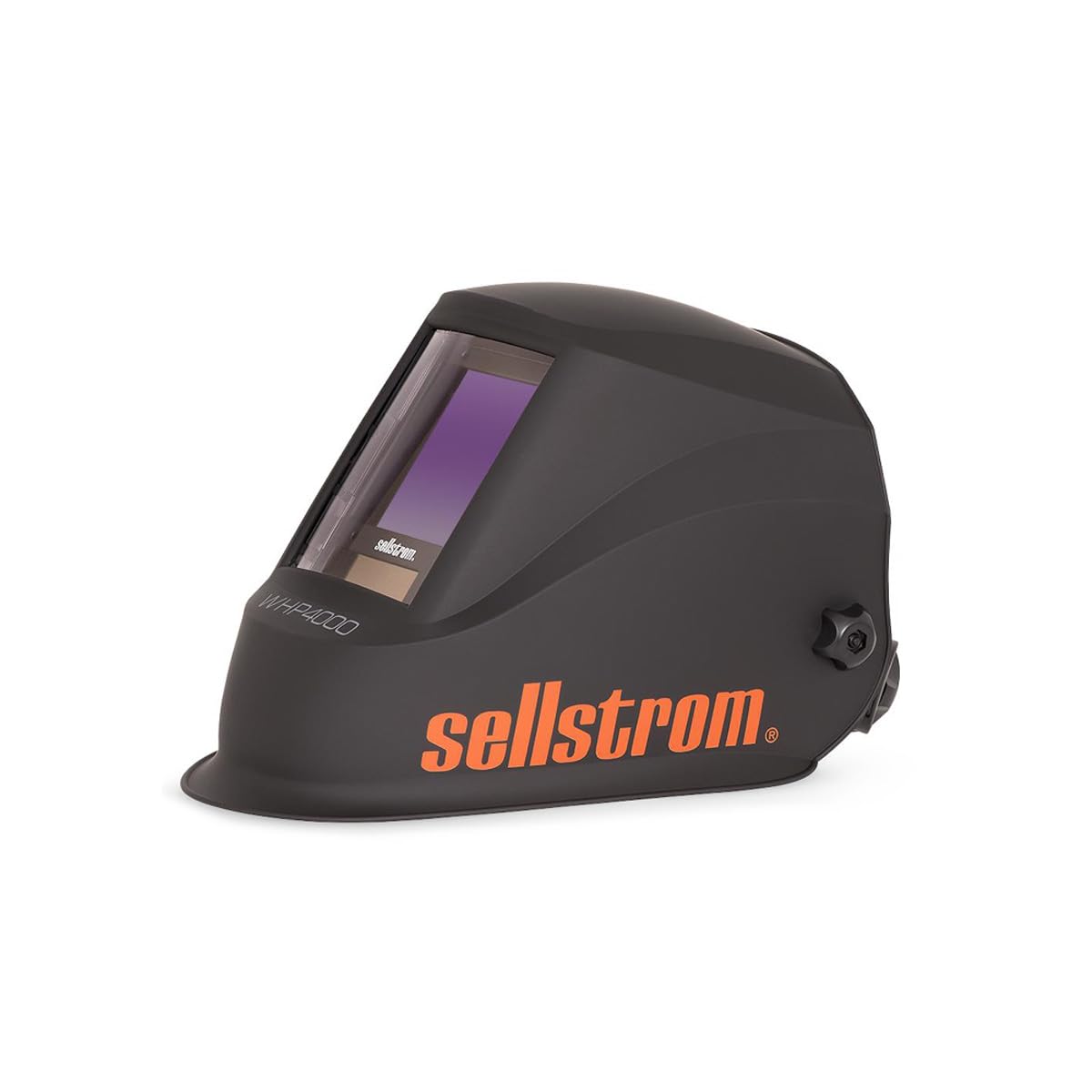
Sellstrom S26400 Auto Darkening Welding Helmet
Premium‑series helmet with a 3.94″×3.28″ view, variable shade 4/9–13, 4 sensors, internal controls, and rugged nylon shell.
Check PriceWhy it stands out
Sellstrom’s S26400 gives you four‑sensor coverage, a generous view, and internal memory settings at a price that’s often lower than many big name mid‑range models.
Key points
- Viewing area 3.94″×3.28″
- Variable shade 4/9–13 with grind mode
- 4 independent arc sensors
- Internal controls with memory presets
- Lightweight nylon shell, ANSI Z87.1, CE, CSA
Pros
- Four sensors make it reliable in complex positions
- Wide view without the weight of the very largest hoods
- Memory settings speed up switching between jobs
- Good protection and comfort for the price
Cons
- Internal controls less convenient than external knobs
- Optical rating is good but not at the very top of the market
- Design is more functional than stylish
Best for
Welders who want strong performance and coverage on a mid‑range budget, and who don’t need the absolute latest lens tech.
15. Lincoln Viking Ignition K4375‑3 – Compact 4C Helmet for Daily Use
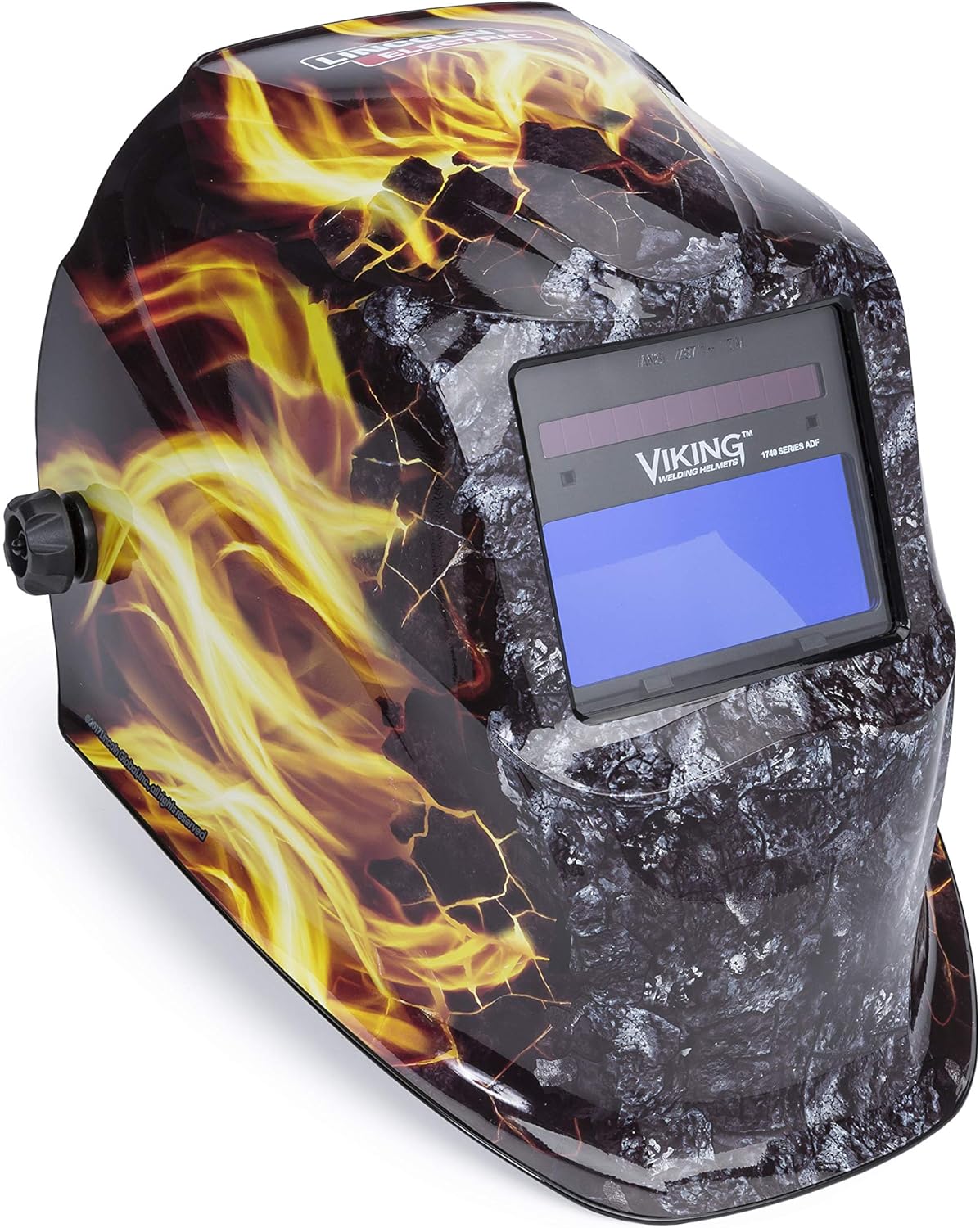
Lincoln Viking Ignition K4375‑3 Welding Helmet
Compact 1740‑series VIKING helmet with 6.3 sq. in. 4C lens, variable 9–13 shade, grind mode, and a lightweight 18 oz shell.
Check PriceWhy it stands out
Ignition gives you Lincoln’s 4C optics in a smaller, lighter package, which is ideal if you want good clarity without the bulk of a huge lens.
Key points
- 6.3 sq. in. viewing area
- 4C lens technology, 1/1/1/1 optical clarity
- Variable shade 9–13 with sensitivity and delay controls
- Grind mode with LED indicator
- Auto on/off, solar with replaceable battery
Pros
- Light and well‑balanced for long shifts
- Clear, natural‑color view despite smaller window
- Good value vs. larger VIKING models
- Compact shell works well in tighter spaces
Cons
- Smaller window than 3350 or 3250D FGS models
- Fewer extra features than high‑end helmets
- Some users may outgrow the viewing size over time
Best for
Welders who want a quality 4C lens but prefer a lighter, more compact helmet for regular shop or field work.
How to Choose the Right Welding Helmet for You
Use these quick checks to match a helmet to your work:
- Lens clarity & color
- Look for true‑color lenses and, if listed, 1/1/1/1 optical rating.
- Clear optics make puddle control easier and reduce eye strain.
- Viewing area
- Around 3.9″×3.2–3.7″ (≈8–12.5 sq. in.) suits most work: good visibility without too much weight.
- Go larger if you do long welds or fabrication; smaller/compact if you work in very tight spaces.
- Sensors
- 4 sensors are best if you weld in corners, around pipe, or out of position.
- 2 sensors are acceptable for mostly flat/bench work.
- Shade range & modes
- Aim for 4/5–13 with grind mode so one helmet covers grinding, cutting, MIG, TIG, and Stick.
- Use recommended shades for your process, then fine‑tune one step lighter/darker for comfort.
- Comfort & fit
- Check headgear adjustability, padding, and overall weight.
- A comfortable helmet that stays put will improve your welds more than fancy graphics ever will.
- Power system
- Prefer solar + replaceable or rechargeable batteries over solar‑only, for more reliable darkening in dim shops.
- Match to your environment
- Heavy sparks / long shifts: consider large‑view or panoramic helmets, or even PAPR if fumes are high.
- Mixed weld + grind work: flip‑up grind‑shield or external grind button is worth paying for.
- Occasional hobby use: a solid mid‑range true‑color helmet with 2–4 sensors is usually enough.
Pick the helmet that best fits how often you weld, where you weld (tight vs open spaces), and which processes you use. If you get the basics right, true‑color lens, adequate view, reliable sensors, and good comfort, you’ll have a helmet that makes welding safer and a lot easier to learn.
Why Welding Helmets Matter
Welding helmets are more than just a dark piece of plastic. A good helmet:
- Protects your eyes from UV and IR radiation that can cause arc eye, long‑term vision damage, and headaches.
- Shields your face and neck from sparks, slag, and metal spatter.
- Improves weld quality by giving you a clear, stable view of the joint and puddle.
- Reduces fatigue by distributing weight comfortably and avoiding constant flipping up and down.
Investing in the right helmet means fewer mistakes, fewer burns, and more enjoyable welding, whether you’re in a professional shop or a home garage.
Key Features of the Best Welding Helmets
When comparing helmets, focus on:
- Optical clarity – Look for high ratings (ideally 1/1/1/1) and true‑color lenses to reduce green tint and increase detail.
- Viewing area – Around 3.9″×3.2–3.7″ or 8–12.5 sq. in. is a sweet spot between wide view and manageable weight.
- Sensor count – Four sensors are preferred for out‑of‑position welding; two sensors can work for mostly flat or bench work.
- Shade range – A 4/5–13 range with grind mode covers cutting, welding, and grinding in one helmet.
- Switching speed – Faster times (around 1/20,000–1/25,000 s) reduce eye strain.
- Power system – Solar plus replaceable or rechargeable batteries are more reliable than solar‑only designs.
- Headgear quality – Well‑padded, multi‑point headgear spreads weight and allows fine adjustment.
- Extras – Flip‑up grind shields, PAPR systems, Bluetooth control, or built‑in lights can make work easier in the right situations.
Best Types of Welding Helmets
- Large‑view auto‑darkening helmets
Great general‑purpose choice for most welders. Large screens make learning and precision work easier. - Compact auto‑darkening helmets
Lighter and easier in tight spaces, best for mobile or occasional welders who don’t need maximum viewing area. - Panoramic and side‑window helmets
Offer a very wide field of view and better situational awareness, at the cost of weight and bulk. - Flip‑up grind‑shield helmets
Ideal if you switch constantly between welding and grinding and want full face protection for both. - PAPR helmets
Combine respiratory protection with the helmet, essential for high‑fume work, stainless, or confined spaces. - Smart/Bluetooth helmets
Let you adjust settings remotely or access extra modes; useful for pros who fine‑tune their gear often.
Comfort Factors Welders Should Not Ignore
Even the best lens is frustrating if the helmet is uncomfortable. Pay attention to:
- Weight and balance – Heavier helmets should have better headgear and balance to avoid neck pain.
- Headgear adjustability – Ratchet systems and top straps should let you dial in height, tilt, and tightness.
- Padding and pressure points – Soft, replaceable pads at the forehead and back of head make a big difference on long days.
- Ventilation and heat – Panoramic or PAPR helmets often manage airflow better, but even standard helmets benefit from decent shell design.
- Glasses compatibility – Ensure there is enough internal space if you wear safety glasses or prescription lenses.
Try to adjust and dry fit a helmet before long use, small headgear tweaks can transform comfort.
Common Mistakes When Buying Best Welding Helmets
- Buying on graphics alone – Cool looks don’t guarantee good optics or reliable darkening.
- Underestimating viewing area – Too small a window makes learning and complex work harder.
- Ignoring sensor count – Two sensors are fine for simple work; four are better for complex or overhead positions.
- Skipping grind mode – If you grind a lot, you’ll regret not having a dedicated grind setting or flip‑up shield.
- Neglecting headgear quality – Cheap welding helmet slips, causing the hood to drop or sit wrong on your nose.
- Overbuying for occasional use – Paying for every premium feature when you weld once a month may not be necessary.
Match the helmet to your actual work and frequency, not just the spec sheet.
How Long Do Best Welding Helmets Last?
Typical lifespans:
- Daily professional use – 3–7 years for the shell and headgear, with lenses and batteries replaced more frequently.
- Light or hobby use – 5–10 years or more, again depending on care and conditions.
You’ll need to replace:
- Cover lenses every few weeks to months in heavy use, or when scratched/cloudy.
- Batteries every 1–3 years in most non‑rechargeable designs.
- Headgear when straps stretch or plastic fatigues.
Replace the whole helmet if:
- The shell is cracked or badly heat‑damaged.
- The ADF switches inconsistently or not at all.
- Optical clarity degrades and doesn’t improve after lens replacement.
FAQs – Best Welding Helmets
What is the best overall welding helmet for most welders?
For most users, a large‑view, 4‑sensor helmet with true‑color optics and a 4/5–13 shade range is ideal. Models like the Lincoln VIKING 3350, ESAB Sentinel‑type, and Miller Digital Elite fit this profile.
Do I really need a panoramic helmet?
Not necessarily. Panoramic helmets are great for awareness and complex work but are heavier and bulkier. A standard large‑view helmet is enough for many welders.
Are budget helmets safe?
Many budget helmets are safe if they meet ANSI Z87.1 or equivalent standards and have good user feedback. Avoid unbranded models with poor or no safety information.
Should I choose steel or composite for the helmet lens housing?
Helmets typically use plastic or nylon shells rather than steel/composite. Focus on shell impact rating and lens certification instead of shell material alone.
Is PAPR worth the extra money?
If you weld in confined or poorly ventilated areas or work with fume‑heavy materials (stainless, galvanized), PAPR is a major health upgrade and often worth the cost.
How do I know which shade to use?
Start with the manufacturer’s recommended shade for your process and amperage, then adjust slightly darker or lighter to get a comfortable, clear view of the puddle without eye strain.
Conclusion
The best welding helmet depends on how and where you weld:
- If you weld daily and want top performance, a large‑view, 4‑sensor, true‑color helmet like the Lincoln VIKING 3350, Miller Digital Elite, or Sentinel‑style helmet is hard to beat.
- If you do lots of grinding and fit‑up, a flip‑up grind‑shield model such as the VIKING 3250D FGS can save time and protect your eyes.
- If you’re in high‑fume or confined environments, a PAPR helmet like the ANDELI pan or respirator model is a smart safety upgrade.
- For budget or lighter use, solid workhorses like the Jackson 46129, Sellstrom S26400, or Lincoln Ignition provide reliable protection without overspending.
Choose a helmet with clear optics, enough viewing area, reliable sensors, and comfortable headgear. Match those basics to your budget and real‑world welding, and you’ll end up with a helmet that makes your work safer, easier, and more enjoyable.

James is a welding expert, accomplished author, and trusted guide with over 8 years of experience in the industry. With his in-depth knowledge and engaging writing style, James has become a true authority in the field, offering readers and clients invaluable expertise and insights to take their welding skills to new heights.