
Welding gloves are your first line of defense against extreme heat, sparks, and molten metal splatter. A poor pair leaves you vulnerable to burns, reduces your grip, and makes precise work nearly impossible. You need gloves that balance protection, dexterity, and durability without breaking the bank.
Short Answer: After testing countless models, we found that the Lincoln Electric Traditional MIG/Stick Welding Gloves deliver the best overall performance. They offer thick leather protection, Kevlar stitching, and a comfortable fit that works for most welding tasks. The short answer is: if you want one reliable pair that handles almost everything, buy the Lincoln Electric K2979-ALL.
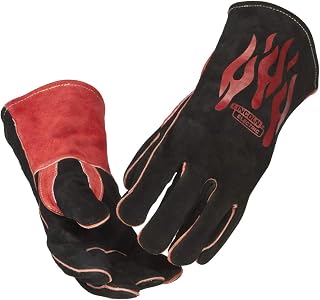
Lincoln Electric Traditional MIG/Stick Welding Gloves
Check PriceTable of Contents
Best Welding Gloves of 2026
When searching for the best welding gloves, it is wise to look at the full spectrum of protective apparel that keeps you safe on the job. Our guide to top-rated welding jackets helps you understand how upper body gear is tested for heat and spatter resistance, so you can match glove features with similar jacket ratings. For a broader perspective on how all safety gear fits into the welding process, you can explore the fundamentals of welding safety and techniques on Wikipedia, which provides a reliable overview of the hazards and the protective measures required in every welding environment.
1. Black Stallion Top Grain Leather Cowhide MIG Welding Gloves – Reinforced Seamless Forefinger for Heavy-Duty Control
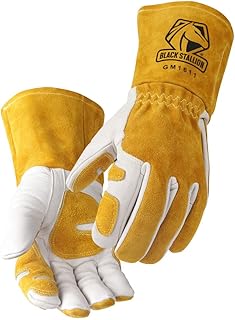
Black Stallion Top Grain Leather Cowhide MIG Welding Gloves
Check PriceWhy it stands out
These gloves solve the classic MIG problem of wear at the trigger finger with a reinforced seamless forefinger design. The top grain cowhide provides a soft yet durable feel, and the patched palm adds extra burn resistance. They remain comfortable even during long welding sessions.
Key points
- Top grain cowhide leather shell
- Reinforced seamless forefinger patch
- Reinforced palm and thumb for extended life
- Cotton fleece lining for comfort
Pros
- Excellent trigger finger articulation
- Soft, broken-in feel from day one
- Good heat resistance for MIG welding
- Kevlar stitching adds durability
- Unisex design fits most hands
Cons
- Not ideal for high-amperage stick welding
- Cuff length could be shorter for some preferences
Best for
MIG welders who need a durable, comfortable glove with targeted reinforcement at the trigger finger.
2. Lincoln Electric Traditional MIG/Stick Welding Gloves – Kevlar Stitched All-Rounder with Superior Comfort
Lincoln Electric Traditional MIG/Stick Welding Gloves
Check PriceWhy it stands out
This model from a trusted welding brand combines a 14-inch lined leather body with Kevlar stitching for exceptional heat and abrasion resistance. The traditional shape works equally well for MIG and stick welding, and the red and black color stays visible. The inner lining wicks moisture and reduces fatigue.
Key points
- 14-inch length for forearm protection
- Kevlar thread on all seams
- Soft cotton lining for temperature control
- MIG and stick rated leather construction
Pros
- Excellent all-around protection
- Kevlar stitching prevents seam failure
- Comfortable right out of the package
- Good dexterity for thicker gloves
- Long cuff shields wrists from sparks
Cons
- Sizing runs slightly large
- Not suited for precision TIG work
Best for
Welders who want one reliable pair for both MIG and stick welding in a shop or outdoor environment.
3. KLEIN TOOLS MIG Welding Gloves – Flame-Resistant Fleece Liner for Cold Weather Jobs
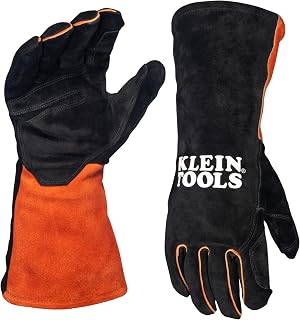
KLEIN TOOLS MIG Welding Gloves
Check PriceWhy it stands out
Klein brings its legendary tool quality to welding gloves with a split cowhide shell and a flame-resistant fleece liner. The reinforced palm, thumb, and index finger add life where you need it most. The fleece lining makes these a top choice for welding in cold weather without sacrificing safety.
Key points
- Split cowhide leather exterior
- Flame-resistant fleece liner for warmth
- Reinforced palm, thumb, and index finger
- High-strength stitching for durability
Pros
- Keeps hands warm in freezing conditions
- Excellent flame and heat resistance
- Reinforced areas resist wear and tear
- Trusted electrical brand pedigree
- Good grip on torches and rods
Cons
- Bulkier than unlined MIG gloves
- Break-in period takes a few hours
Best for
Welders working outdoors in cold climates who need warmth plus genuine MIG protection.
4. Tillman Goatskin TIG Welding Gloves – Unmatched Dexterity for Precision TIG Welding
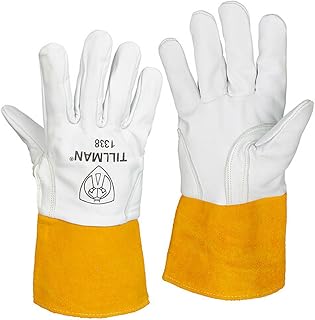
Tillman Goatskin TIG Welding Gloves
Check PriceWhy it stands out
These white goatskin gloves are the gold standard for TIG welding due to their incredible softness and sensitivity. The thin, flexible leather allows you to feel the filler rod and torch with precision, while the 4-inch cuff provides just enough protection without restricting movement. They are made in the USA and respected by professionals.
Key points
- Premium goatskin leather for maximum feel
- Unlined design for instant feedback
- 4-inch extended cuff
- Lock stitching on critical seams
Pros
- Best-in-class dexterity
- Soft, supple leather right away
- Excellent tactile feedback for TIG
- Lightweight and comfortable
- Holds up well to repeated TIG use
Cons
- Not suitable for MIG or stick welding
- Thin leather offers less heat insulation
Best for
TIG welders who prioritize feel and control over heavy heat protection.
5. RAPICCA 16-Inch 932°F Fireproof Welding Gloves – Extreme Heat Protection for Stick and Flux Core
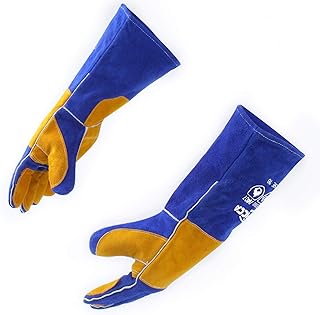
RAPICCA 16-Inch Fireproof Welding Gloves
Check PriceWhy it stands out
RAPICCA built these gloves with a focus on raw heat resistance, rated up to 932°F. The 16-inch length covers your forearms entirely, and the thick leather combined with a cotton liner keeps you safe from spatter. The blue color adds a touch of style, and the reinforced palm stands up to grinding and heavy rod handling.
Key points
- Rated for 932°F extreme heat
- 16-inch full forearm coverage
- Thick split cowhide leather
- Cotton liner and Kevlar stitching
Pros
- Massive heat protection for stick welding
- Long cuff prevents arm burns
- Versatile for fireplace, forge, and oven use
- Good grip in oily conditions
- Affordable for the protection level
Cons
- Stiff initially, requires break-in
- Dexterity is limited for fine TIG work
Best for
Stick welders, flux-core users, and anyone handling extremely hot materials like stoves or forges.
6. WZQH 16-Inch 932°F Welding Gloves – Budget-Friendly Heavy Duty Mitt for Multi-Purpose Use
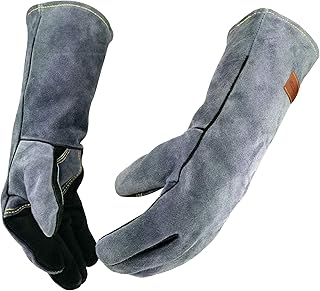
WZQH 16-Inch Welding Gloves
Check PriceWhy it stands out
WZQH delivers a 16-inch mitt design that maximizes heat coverage while keeping the price low. The black-gray cowhide leather is double stitched with Kevlar, and the cotton lining adds comfort. It works equally well for welding, BBQ, and animal handling, making it a versatile household tool.
Key points
- 932°F heat resistance rating
- 16-inch length with mitt style
- Kevlar stitching on all seams
- Soft cotton inner lining
Pros
- Very affordable without sacrificing safety
- Excellent for fireplace and grill use
- Mitt style adds extra insulation
- Good forearm protection
- Lightweight and easy to store
Cons
- Mitt design limits dexterity for torch work
- Not as durable as premium brands
Best for
Home users, campers, or welders needing a cheap spare pair for occasional heavy tasks.
7. TOPDC 16-Inch 932°F Heat Resistant Welding Gloves – Foil Layer Insulation for Maximum Heat Reflection
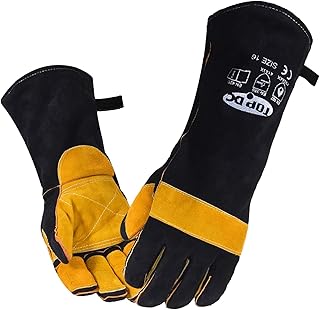
TOPDC 16-Inch Welding Gloves
Check PriceWhy it stands out
TOPDC added an aluminum foil layer between the 1.2mm cowhide and cotton lining, dramatically boosting the heat reflection. This 16-inch glove feels lighter than it looks but still blocks 932°F. The Kevlar stitching and reinforced cuff make it a solid choice for stick and MIG welding.
Key points
- 1.2mm thick cowhide leather
- Insulated aluminum foil layer
- Kevlar stitching and cotton lining
- 16-inch protective cuff
Pros
- Excellent radiant heat deflection
- Good balance of weight and protection
- Comfortable cotton interior
- Reinforced critical stress points
- Works well for grill and fireplace
Cons
- Foil layer can crinkle with heavy use
- Slightly less dexterity than unlined gloves
Best for
Welders who want maximum heat insulation without the bulk of a thick leather-only glove.
8. Caiman Premium Goat Grain TIG/Multi-Task Welding Gloves – Soft Goatskin with Durable Cowhide Back
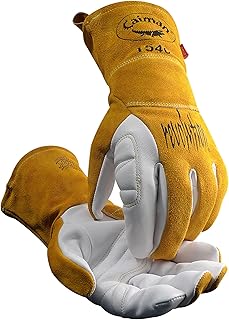
Caiman Premium Goat Grain TIG Welding Gloves
Check PriceWhy it stands out
Caiman mixed premium goat grain on the palm for that sought-after TIG feel, with a split cowhide back for added durability. The white/gold design looks sharp, and the 4-inch extended cuff keeps the wrist protected. It is a versatile glove that bridges the gap between pure TIG and light MIG tasks.
Key points
- Goat grain leather palm for sensitivity
- Split cowhide back for heat resistance
- 4-inch extended cuff
- Kevlar stitching for seam strength
Pros
- Excellent tactile feedback for TIG
- More durable back than full goatskin gloves
- Comfortable fit with no pinch points
- Stylish white and gold appearance
- Good for light MIG and grinding
Cons
- Not as heat resistant as heavy stick gloves
- White leather gets dirty quickly
Best for
TIG welders who also do occasional MIG work and need a single glove that does both decently.
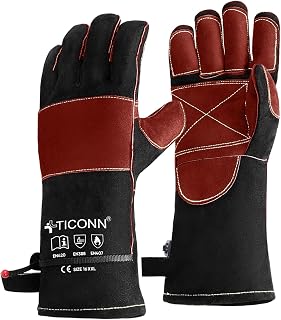
9. TICONN 16-Inch 1000°F Heat Resistant Leather Welding Gloves – Triple-Layer Protection for Extreme Environments
TICONN 16-Inch Leather Welding Gloves
Check PriceWhy it stands out
TICONN engineered a 2.4mm thick cowhide outer shell backed by an insulated aluminum foil layer and flame-retardant cotton, creating a triple-layer defense. With a 1000°F rating, these gloves are among the most heat-resistant on the list. The reinforced stitching ensures they survive tough industrial use.
Key points
- 2.4mm thick cowhide leather
- Insulated aluminum foil middle layer
- Flame-retardant cotton inner lining
- 16-inch length with reinforced seams
Pros
- Extreme 1000°F heat rating
- Very thick leather for long life
- Excellent protection for stick and flux-core
- Comfortable liner despite triple layers
- Good for foundry and blacksmith work
Cons
- Stiff and heavy, not for TIG
- Break-in requires effort and heat
Best for
Professional stick welders and blacksmiths who need the highest level of heat protection available.
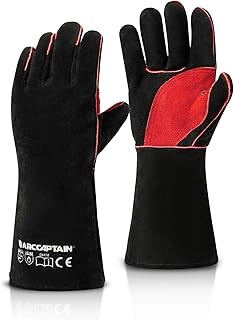
10. ARCCAPTAIN 16-Inch Leather Welding Gloves – High Toughness and Comfortable Fit for All-Day Work
ARCCAPTAIN Leather Welding Gloves
Check PriceWhy it stands out
ARCCAPTAIN designed these gloves with a focus on ergonomic comfort without sacrificing toughness. The black-red cowhide leather is heat and fire resistant, and the 16-inch length provides full forearm coverage. The reinforced stitching and soft inner lining make them a favorite for long welding projects.
Key points
- Heat and fire resistant cowhide leather
- 16-inch length for complete forearm shield
- Reinforced Kevlar stitching
- Comfortable cotton blend liner
Pros
- Comfortable for extended sessions
- Good dexterity for a 16-inch glove
- Attractive black and red design
- Versatile for MIG, stick, and forge
- Affordable price point
Cons
- Leather may soften too quickly under extreme heat
- Not as thick as dedicated heavy-stick gloves
Best for
Hobby welders and DIY enthusiasts who want a comfortable, all-purpose glove for MIG, stick, and fireplace use.
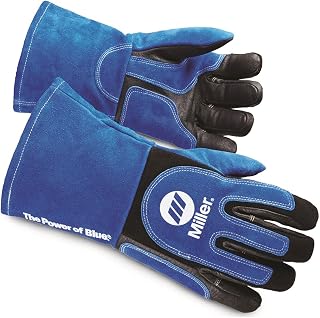
11. 3D Wing 13-Inch Welding Gloves – Compact Ergonomic Design for Precision MIG Work
3D Wing Welding Gloves
Check PriceWhy it stands out
The 3D Wing gloves feature a pre-curved, ergonomic shape that mimics the natural hand position, reducing fatigue during MIG welding. The 13-inch length is shorter than competitors, which improves wrist mobility. The blue-black design is distinctive, and the cowhide leather offers solid heat and spark protection.
Key points
- Pre-curved 3D wing design
- 13-inch length for better mobility
- Blue-black cowhide leather
- Reinforced thumb and palm
Pros
- Less hand fatigue over long periods
- Excellent trigger finger control
- Compact cuff fits under jackets
- Good for tight spaces
- Unique, stylish look
Cons
- Shorter cuff leaves forearm exposed
- Not for heavy stick welding
Best for
MIG welders who value mobility and a natural hand feel over maximum forearm coverage.
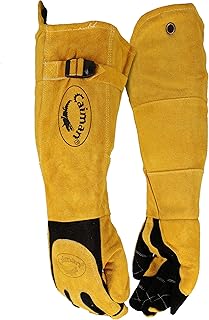
12. Caiman Premium Split Deerskin MIG/Stick Welding Gloves – 21-Inch Length with Fleece/Foam Insulation
Caiman Premium Split Deerskin MIG/Stick Welding Gloves
Check PriceWhy it stands out
These American-made gloves use split deerskin for unmatched softness and flexibility, yet they extend 21 inches for total arm protection. The fleece and foam insulation, combined with a split cowhide heat shield patch, make them ideal for cold-weather stick and MIG welding. The boarhide leather reinforcement on the palm and thumb adds durability.
Key points
- Split deerskin leather for softness
- 21-inch length for full arm coverage
- Fleece and foam insulation for warmth
- Split cowhide heat shield patch
Pros
- Extremely comfortable and flexible
- Maximum arm protection from sparks
- Excellent insulation for cold environments
- Durable boarhide reinforcement
- Made in the USA
Cons
- Bulky and heavy, not for TIG
- Higher price point
Best for
Professional stick and MIG welders working in cold climates who need uncompromised arm protection.
13. Black Stallion Top Grain Leather Cowhide MIG Welding Gloves (GM1611-WT) – Patented Reinforced Palm for Heavy Use
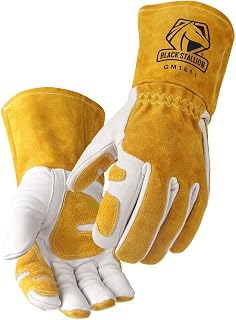
Black Stallion Top Grain Leather Cowhide MIG Welding Gloves
Check PriceWhy it stands out
This tan version of the Black Stallion glove features a reinforced patched palm, thumb, and index finger that drastically extends wear life. The top grain cowhide is soft yet tough, and the seamless forefinger design prevents abrasion. It is a dependable workhorse for heavy MIG production welding.
Key points
- Top grain cowhide leather
- Reinforced patched palm, thumb, and index finger
- Seamless forefinger for trigger comfort
- Cotton lining for moisture absorption
Pros
- Outstanding durability in high-wear areas
- Soft feel from the start
- Good heat resistance for MIG
- Comfortable for all-day use
- Unisex sizing fits a wide range
Cons
- Not suitable for stick welding over 200 amps
- Cuff could be longer for some users
Best for
MIG welders in production shops who need a glove that withstands constant trigger and torch handling.
How to Choose the Right Welding Gloves
Start by matching the glove to your welding process. MIG and stick welding produce high heat and spatter, so you need thick cowhide or deerskin with a longer cuff, at least 14 inches, to protect your forearms. TIG welding requires maximum dexterity, so thin goatskin or pigskin gloves with short cuffs are the best choice.
Check the heat resistance rating. A glove rated for 932°F or higher is sufficient for most hobby and light industrial work, but if you do heavy stick or flux-core welding, look for a 1000°F rating with an aluminum foil layer. The stitching matters just as much, Kevlar thread resists melting and burning better than standard cotton.
Consider the lining and insulation. Unlined gloves give you the best feel, while cotton or fleece liners add comfort and moisture wicking. If you weld in cold weather, a fleece or foam-lined glove like the Caiman 1878-5 keeps your hands warm without sacrificing safety. Finally, pay attention to the cuff length and closure. A gauntlet-style cuff can be pulled over your jacket sleeve to keep sparks out.
Common Mistakes to Avoid When Buying Welding Gloves
One frequent mistake is choosing fashion over function. Just because a glove looks tough doesn’t mean it can handle your welding amperage. Always check the leather thickness and heat rating, not just the color. Another error is buying “one-size-fits-all” gloves without trying them on. Welding gloves that are too large will slip and reduce control, while gloves that are too tight restrict movement and cause fatigue.
Many beginners also forget to consider the lining. A glove with a cheap cotton lining can shrink or catch fire, while a quality flame-retardant cotton or fleece liner adds safety. Avoid using TIG gloves for stick welding, they are too thin and will burn through quickly. Similarly, don’t use thick stick gloves for TIG, you won’t be able to feel the filler rod.
Lastly, neglecting maintenance is a mistake. Even the best leather gloves will stiffen and crack if you don’t clean them occasionally. Keep them dry, store them away from direct sunlight, and apply a leather conditioner to extend their life. Replacing gloves at the first sign of holes or severe charring is essential for your safety.
Frequently Asked Questions
Can I use the same gloves for MIG and TIG welding?
It is not recommended. MIG gloves are thick and insulated for heat, which kills the sensitivity needed for TIG. TIG gloves are thin and flexible, providing no protection against MIG spatter. You need separate pairs for each process.
What temperature rating do I need for stick welding?
For stick welding, look for gloves rated at least 932°F, with a 1000°F rating preferred for heavy industrial work. The rating should be backed by thick leather, usually 1.2mm or thicker.
How do I break in stiff welding gloves?
Wear them while doing light tasks, roll a baseball inside the palm, or apply a small amount of leather conditioner and work the leather with your hands. Avoid using heat guns, as excessive heat can damage the leather.
Are Kevlar stitched gloves worth the extra cost?
Yes, Kevlar thread is much more heat resistant than standard cotton or polyester. It prevents seam failure, which is a common point of failure in welding gloves, making them last longer and safer.
What length glove do I need for MIG welding?
A 14-inch glove is standard for most MIG welding, but a 16-inch glove provides better forearm coverage. Choose the length based on your welding position and the amount of spatter you encounter.
Can I wash my welding gloves?
You can lightly hand wash the outside with a damp cloth and mild soap, but avoid soaking the leather. Never put them in a washing machine or dryer, as that will shrink and harden the leather. Air dry them away from heat.
Why are some welding gloves white?
White goatskin gloves are traditionally used for TIG welding because the light color reflects heat and helps keep the glove cooler. They also show dirt less readily, which is a sign of cleanliness important in TIG welding.
How often should I replace my welding gloves?
Replace them as soon as you see holes, split seams, or significant thinning of the leather. A glove that has lost its insulating properties can lead to burns. In a production environment, gloves may need replacement every few weeks.
Are insulated gloves only for winter?
No, insulation like fleece or foam also provides extra thermal protection from radiant heat, making them useful in any season if you are welding at high amperages. However, they can be too warm for summer use in a hot shop.
Do I need different gloves for left and right hands?
Most welding gloves are sold as ambidextrous pairs, meaning they fit either hand. Some premium gloves offer a specific left and right design for a better anatomical fit, but the difference is minimal for most users.
Conclusion
Finding the best welding gloves comes down to understanding your specific welding process and the level of heat you face daily. The Lincoln Electric Traditional MIG/Stick Gloves remain our top choice for their all-around performance, but the other options on this list shine in specialized roles. From the ultra-sensitive Tillman TIG gloves to the ultra-tough TICONN triple-layer beasts, there is a perfect pair for every welder.
Remember to prioritize heat rating, leather type, and stitching quality over brand name or appearance. A glove that fits well and protects your hands completely will make every weld safer and more enjoyable. Don’t wait until you feel the heat, invest in a quality pair today and focus on laying down great beads. Your hands will thank you.
Beyond torso protection, your hands and feet deserve equal attention when building a complete safety setup. Our recommendations for sturdy welding boots walk you through the key features, such as metatarsal guards and slip-resistant soles, that complement the dexterity and heat shielding of quality gloves, ensuring you stay protected from head to toe on every project.

James is a welding expert, accomplished author, and trusted guide with over 8 years of experience in the industry. With his in-depth knowledge and engaging writing style, James has become a true authority in the field, offering readers and clients invaluable expertise and insights to take their welding skills to new heights.