For welders who demand precision, comfort, and uncompromising eye safety, the Speedglas welding helmet 9000 from 3M remains a benchmark in the industry. This auto-darkening helmet has earned a loyal following among professional fabricators, pipe welders, and TIG specialists. It balances lightweight design with advanced optical technology, making it a staple in workshops around the world.
Whether you are upgrading from a passive hood or searching for your first professional-grade helmet, understanding what sets the Speedglas 9000 apart is essential. This article breaks down its key features, real-world performance, and how it compares to other helmets on the market. You will also find practical maintenance tips and answers to the most common questions welders ask before buying.
Table of Contents
What Makes the Speedglas 9000 Welding Helmet So Popular
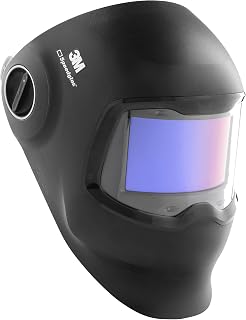
Speedglas Welding Helmet G5-02, Light State 2.5, Curved Wide View ADF
Check PriceThe 3M Speedglas 9000 series was designed to meet the rigorous needs of industrial welders without sacrificing everyday usability. It combines a reliable auto-darkening filter (ADF) with a comfortable, balanced headgear system. Unlike many entry-level helmets, the 9000 delivers superior optical clarity and a wide shade range, covering everything from low-amp TIG to heavy gouging.
One of the quiet strengths of this helmet is its modular design. The protective shell, the headband, and the lens cartridge all work together, but many parts are replaceable. This means you can swap out a scratched cover lens or upgrade the sweatband without buying a whole new hood. That longevity matters to welders who rely on their gear day in and day out.
Auto-Darkening Filter and Shade Control
At the heart of the Speedglas 9000 is a high-performance auto-darkening filter that switches from a light state to a dark state in a fraction of a millisecond. The standard lens offers variable shades from 9 to 13, covering most arc welding processes. For low-amperage TIG welding, the light shade 3 setting provides excellent visibility before the arc strikes.
Speedglas is known for its true-color optics, and the 9000 does not disappoint. The lens reduces the yellowish or greenish tint common in older helmets, giving you a more natural view of the weld puddle. This improved clarity helps you maintain consistent bead placement and reduces eye fatigue during long shifts.
Grind Mode and Versatility
A dedicated grind mode is built directly into the lens controls. With a quick press, you can lock the filter in its light state, converting the helmet into a face shield for grinding and prep work. There is no need to flip up the hood or reach for a separate face shield, a real time-saver on busy jobsites.
The external controls are easy to operate with gloved hands. You can adjust the shade, sensitivity, and delay settings without removing the helmet. This level of control lets you fine-tune the lens for different welding techniques, from stick welding on heavy plate to delicate TIG fusion on stainless steel.
Comfort, Fit, and Everyday Wearability
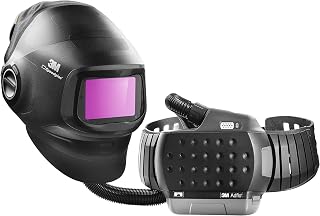
Speedglas Heavy-Duty Welding Helmet G5-01 with Adflo High-Altitude PAPR
Check PriceA welding helmet only works if you can wear it for hours without pain. The Speedglas 9000 features a patented headband with multiple adjustment points. It distributes weight evenly across your head, which minimizes pressure points and neck strain. The ratcheting mechanism is smooth and stays put once set, even when you nod the hood down repeatedly.
Weight is another area where the 9000 shines. The shell and lens assembly are noticeably lighter than many competing helmets in the same price range. A lighter hood reduces momentum when you flip it down and lessens the strain on your cervical spine. For welders logging 8 to 10 hour days, this detail makes a real difference in how you feel at the end of a shift.
The sweatband and cushion pads are made from breathable, moisture-wicking materials. They are also removable and washable. Keeping the headgear fresh prevents skin irritation and extends the life of the padding. If you work in hot, humid conditions, you will appreciate how quickly the fabric dries between uses.
Speedglas 9000 vs. Other Professional Helmets
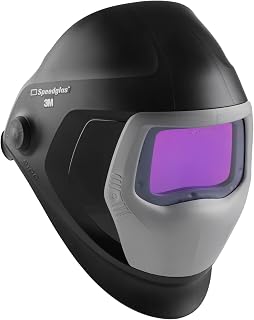
Speedglas Welding Helmet 9100 with Auto-Darkening Filter 9100XXi
Check PriceWhen stack the 9000 up against Miller Elite or Lincoln Viking helmets, several differences stand out. The Speedglas often wins on lens clarity and color accuracy, thanks to its advanced interference filter technology. Welders frequently describe the view through a Speedglas lens as closer to natural daylight, which reduces the guesswork when adjusting arc length or watching the toes of a fillet weld.
Durability is another strong suit. The shell resists spatter and scratches well, and the external cover lenses are simple to replace. While some helmets rely on a fixed battery system, the 9000 uses a combination of solar assist and replaceable batteries. This hybrid approach ensures your ADF stays powered even when the arc is not struck for extended periods, yet you can swap the battery when needed rather than waiting for a charge.
Lens Technology: True-View Clarity
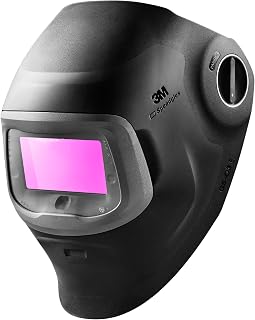
Speedglas G5-03 E Welding Helmet with G5NC ADF and Grind Mode
Check PriceThe Speedglas 9000 uses a proprietary liquid crystal technology that delivers an optical class rating of 1/1/1/1 according to EN 379 standards. This rating signifies the highest level of optical quality, with minimal angular distortion and uniform tint across the viewing area. For a welder, that means no blurring at the edges and a consistent view of the weld zone.
Color recognition through the lens is so natural that you can easily distinguish between different materials and filler metals. This is especially valuable when TIG welding aluminum or stainless steel, where subtle changes in puddle color signal heat input and contamination. Seen through a lower-grade lens, those cues can be washed out or misleading.
Who Should Choose the Speedglas 9000
This helmet is built for serious welders who need reliability and precision. It suits professional fabricators, maintenance welders, pipeline workers, and anyone doing critical code welding. If your work involves multiple processes, the broad shade range and fast switching make it a versatile all-in-one solution.
It is also a smart investment for welding students and apprentices who want to start with a helmet they can grow into. While the upfront cost is higher than a basic auto-darkening hood, the long-term value comes from superior protection, replaceable parts, and consistent performance. When you are learning, seeing the puddle clearly accelerates skill development.
Maintaining Your Speedglas 9000 Helmet
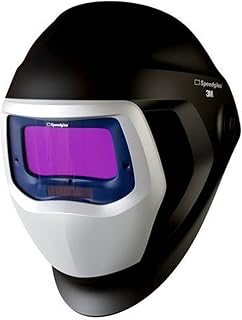
Speedglas Welding Helmet 9100 with Auto Darkening Lens ADF 9100X
Check PriceKeeping your helmet in top condition extends its lifespan and ensures your eyes stay protected. Start by replacing the outer cover lens whenever it becomes pitted or cloudy. A damaged cover lens can distort your view and reduce the effectiveness of the auto-darkening filter. Always keep a few spares in your tool bag.
For a deeper clean, use a microfiber cloth and a mild lens cleaner designed for optical surfaces. Never use abrasive pads or solvents that can attack the plastic. If you are unsure about the right technique, you can learn how to clean your welding helmet lens without scratching it. Proper care keeps the lens crystal clear and extends the life of the entire hood.
The headgear also needs periodic inspection. Check the ratchet mechanism for cracks and tighten any loose screws. Replace the sweatband when it loses its cushioning. A well-maintained headband not only improves comfort but also helps the helmet stay securely in place, which is critical for retaining the correct shade and sensitivity settings.
At regular intervals, wipe down the shell with a damp cloth to remove dust and metal fines. Avoid soaking the electronic components. If the battery compartment shows signs of corrosion, clean the contacts carefully with a small brush and replace the batteries with the type recommended by the manufacturer. For a side-by-side look at how different Speedglas models compare, see our guide to the best Speedglas welding helmets.
Frequently Asked Questions About the Speedglas 9000
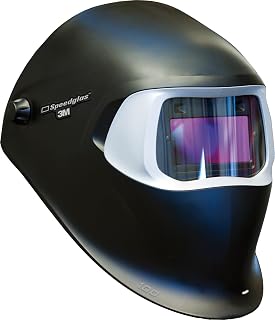
Speedglas Welding Helmet 100, Auto Darkening Filter 100V
Check PriceWhat shade range does the Speedglas 9000 cover?
The standard Speedglas 9000 lens provides a dark shade range of 9 to 13, with a light shade of 3. This covers everything from low-amp TIG welding to heavy arc gouging. Some variants may include a shade 5 setting for cutting and grinding, but the exact range depends on the specific lens version you choose.
Is the Speedglas 9000 good for TIG welding?
Absolutely. The 9000 is highly rated for TIG welding because of its superior optical clarity and accurate color reproduction. You can see the weld puddle in sharp detail, which helps you control heat input and filler rod placement. The variable shade lets you fine-tune the darkness for low-amperage applications.
Can I replace the batteries in my Speedglas 9000?
Yes. The Speedglas 9000 uses replaceable batteries along with a solar-assist panel. You can swap the batteries yourself without special tools. It is a good practice to carry spare batteries, especially if you work outdoors where the solar panel gets less consistent light.
How does the Speedglas 9000 compare to the newer 9100 series?
The 9100 series offers a larger viewing area and slightly lighter weight with enhanced optics. However, the 9000 remains a trusted workhorse and shares the same core lens quality. Many welders prefer the 9000 for its proven durability and lower price point. In terms of protection, both exceed industry safety standards, so your choice often comes down to budget and personal preference.
Is the Speedglas 9000 ANSI Z87.1 certified?
Yes, the Speedglas 9000 meets ANSI Z87.1 and CSA Z94.3 standards for impact protection and optical performance. Always check the marking on the shell and lens to confirm your specific model carries the certification.
Final Thoughts on the Speedglas Welding Helmet 9000
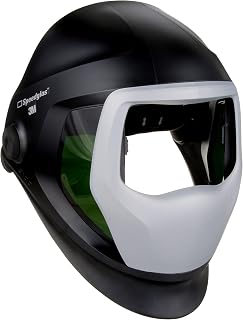
Speedglas 9100 Welding Helmet 06-0300-51SW, with SideWindows, No ADF
Check PriceThe Speedglas welding helmet 9000 proves that professional tools do not have to be complicated. Its straightforward design, excellent optics, and comfortable fit make it a top choice for welders who value performance over flashy gimmicks. Whether you are running a MIG bead, tacking TIG joints, or grinding between passes, this helmet adapts without skipping a beat.
Investing in a helmet like the 9000 is an investment in your eyes, your neck, and your overall productivity. With proper care, it will serve you reliably for years. If you are ready to step up your welding protection, the Speedglas 9000 remains a gold standard that many pros swear by.
For more technical specifications and the latest product updates, you can visit the 3M official Speedglas 9000 page. It outlines the engineering behind the lens and covers all compatible accessories.