Welding fumes can be incredibly dangerous, and if you weld regularly, you already know the sting of smoke in your lungs. A standard welding helmet stops sparks and bright arc light, but it does nothing to filter out the toxic metal particulates floating in the air. That is exactly why a Lincoln welding helmet with respirator is a game changer. It combines the optical clarity and reliability of a Lincoln Electric hood with NIOSH-approved respiratory protection, all in one integrated piece of headgear.
Whether you are a full-time fabricator working with stainless steel or a hobbyist burning through galvanized metal, protecting your airways is not optional. Lincoln Electric has developed several systems that fuse high-performance auto-darkening helmets with powered air purifying respirators, or PAPR units, and even supplied air setups. This guide will walk you through how these helmets work, which models stand out, and how to pick the right setup for your shop.
Table of Contents
Why You Need a Welding Helmet with a Respirator
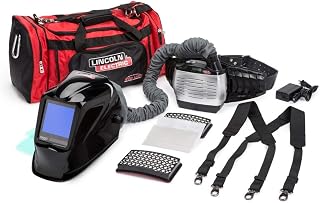
Lincoln Electric K3930-1 Powered Air-Purifying Respirator with Black Viking 3350 Auto Darkening Welding Helmet and HEPA Filtration
Check PriceWithout respiratory protection, welders inhale a cocktail of hexavalent chromium, zinc oxide, lead, and other carcinogens every single day. A simple N95 mask is not enough, and it certainly does not fit comfortably under a traditional hood. A Lincoln welding helmet with respirator solves this by building the breathing apparatus directly into the headgear, ensuring a positive pressure seal that keeps contaminated air out.
The immediate benefit is long-term health. Welders who use PAPR systems report less fatigue, no metal fume fever, and a noticeable reduction in morning cough. It also prevents fogging because the purified air flows across the face, keeping the lens clear. For anyone doing heavy MIG or flux-core work, this combination is the gold standard.
Lincoln Electric’s Respirator Helmet Solutions
Lincoln Electric does not sell a single helmet that magically filters air by itself. Instead, they offer modular helmet shells like the Viking series that interface with blower units and breathing tubes. The most common configuration is a Lincoln Viking auto-darkening helmet mated to the Lincoln PAPR blower assembly. This creates a true Lincoln welding helmet with respirator that meets OSHA standards for respiratory protection.
These systems use a belt-mounted blower that draws air through a high-efficiency particulate filter or a gas filter cartridge. The filtered air travels up a hose and enters the helmet, creating positive pressure inside the face seal. This means even if the mask does not match your face perfectly, contaminated air is pushed out, not sucked in.
The Viking PAPR System: Assembly Overview
- Viking 3350 or 2450 Series Helmet Shell
- PAPR Blower Unit with Filter
- Breathing Tube with Quick Connect
- Face Seal or Shroud for Complete Enclosure
Lincoln offers a few helmet shell options, and you can often purchase a complete kit that includes everything you need. The official Lincoln Electric PAPR kit is NIOSH approved when the components are worn together as specified.
Key Features of a Lincoln Welding Helmet with Respirator
Lincoln Electric K3930-1 Powered Air-Purifying Respirator with Black Viking 3350 Auto Darkening Welding Helmet and HEPA Filtration
Check PriceWhen you invest in a Lincoln PAPR system, you are getting more than just clean air. These helmets are packed with professional-grade features that improve weld quality. The auto-darkening lenses use Lincoln’s 4C technology, which delivers true color view and fast switching speeds. The helmets also have external grind buttons, large viewing areas, and adjustable headgear that feels stable even with the added weight of the breathing hose.
The respiratory component is equally impressive. The blower operates at multiple speeds, so you can adjust airflow based on how hard you are working. A fully charged battery lasts a full shift, and the low-profile filters make it easy to move in tight spaces. The combination results in a helmet that feels balanced and never pulls your head forward.
PAPR vs. Supplied Air: Which Lincoln System is Right for You?
Lincoln Electric offers both powered air purifying respirators and supplied air respirator adapters. A PAPR unit filters surrounding shop air through a cartridge, while a supplied air system connects to a remote source of clean breathing air, usually via an airline hose from a compressor or manifold. If you weld inside confined spaces or areas with extreme fumes, supplied air is often the safer choice. For general fabrication, a PAPR is far more convenient and still delivers a high assigned protection factor.
The Lincoln welding helmet with respirator that uses PAPR technology is the most popular choice for independent shops and mobile welders. You do not need a dedicated breathing air compressor or expensive filtration panels. You just strap on the blower, connect the hose, and start working. The Viking PAPR with a standard particle filter will handle the vast majority of welding fumes, including stainless steel and aluminum oxide particulate.
How to Achieve a Perfect Fit and Seal
Lincoln Electric K3930-1 Powered Air-Purifying Respirator with Black Viking 3350 Auto Darkening Welding Helmet and HEPA Filtration
Check PriceA Lincoln welding helmet with respirator only works as intended if the face seal actually seals. Lincoln provides different sized face gaskets and inner bibs to match various head shapes. To test your fit, put on the complete assembly, turn the blower on, and do a positive pressure check. You should feel a steady stream of air exiting around the seal and no inward leakage when you inhale deeply.
Adjust the headgear carefully. The helmet should sit low enough on your forehead that the clear grinding shield is in your line of sight, but high enough that the nose bridge does not pinch. Take the time to balance the hose clip on your belt so it does not tug the helmet sideways. A properly fitted Lincoln PAPR helmet feels like a comfortable piece of safety gear, not a clumsy appendage.
Maintaining Your Lincoln Respirator Helmet
Regular maintenance keeps the respiratory protection reliable. After every use, wipe down the face seal with a mild disinfectant. Inspect the breathing tube for cracks or pinholes. Never store the unit with a used filter still attached, because moisture and contaminants can degrade the seal. Replace the pre-filter and main HEPA filter on the schedule recommended in the manual, or sooner if you notice increased strain on the blower or reduced airflow.
- Clean the helmet shell with a soft cloth and proper lens cleaner
- Check battery contacts for corrosion
- Replace the clear outer cover lens when it becomes heavily pitted
- Perform a daily seal check before starting any arc
Top Lincoln Models with Respirator Protection
While Lincoln Electric manufactures the blower and filters, the helmet that typically completes the system is a Viking 3350. This helmet features a massive 12.5 square inch viewing area, four arc sensors, and a shade range of 5 to 13. You get true-to-life color with the 4C lens, which makes it easier to see the puddle and joint without guessing. When combined with the PAPR kit, it becomes a complete Lincoln welding helmet with respirator certified for industrial use.
Another option is the Viking 2450 series, which is slightly more compact and often preferred by pipe welders and those working in tight positions. The 2450 still provides the same 4C optics but in a lighter, lower-profile shell. Both helmets accept the PAPR breathing tube attachment and face seals, so you can choose the shell that matches your welding discipline.
For those who want to explore more choices, you can check our comprehensive list of Lincoln helmets to see which shells work best for different applications. Keep in mind that not every Lincoln hood is PAPR ready, so always verify compatibility before purchasing.
Frequently Asked Questions
Lincoln Electric K3930-1 Powered Air-Purifying Respirator with Black Viking 3350 Auto Darkening Welding Helmet and HEPA Filtration
Check PriceIs a Lincoln welding helmet with respirator NIOSH approved?
Yes, when the complete Lincoln PAPR kit is assembled using the exact components specified by Lincoln Electric, the system carries a NIOSH approval number. This certification is valid only if all parts are genuine Lincoln replacements and the filter cartridges are the correct type for your environment.
Can I add a respirator to my existing Lincoln Viking helmet?
It depends on the model. Many Viking 3350 and 2450 shells are designed with the port and hardware needed to attach a breathing tube and face seal. However, some entry-level auto-darkening helmets sold under the Lincoln name do not support a respirator attachment. Always check the parts list or consult Lincoln’s compatibility chart before ordering a PAPR upgrade kit.
What filters do I need for welding stainless steel?
Lincoln offers a combination filter that includes a HEPA particulate layer and an activated carbon layer. For stainless steel welding, you want a filter rated for metal fumes, which includes hexavalent chromium. The standard Lincoln PAPR particle filter with a P100 rating handles this, but if you are also dealing with ozone or organic vapors, you need the appropriate multi-gas cartridge.
How long does the PAPR battery last?
In most Lincoln blower units, the lithium-ion battery lasts between 8 and 10 hours on the low flow setting, and about 6 to7 hours on the high setting. It is always smart to carry a spare battery, especially if you are working a double shift or in hot conditions where you run the fan at maximum speed.
Conclusion
A Lincoln welding helmet with respirator is one of the smartest investments you can make for your long-term health and daily comfort. Lincoln Electric’s Viking series helmets, combined with their PAPR blower and filter system, deliver outstanding optical clarity and reliable fume protection. The modular design means you can customize your setup for stick welding outdoors or MIG welding aluminum indoors.
Before you buy, confirm that the helmet shell you choose is compatible with the PAPR kit and that you have the correct filter media for your materials. Take the time to fit the face seal properly and perform a seal check before every job. For more detailed comparisons, you can read our guide on top-rated respirator welding helmets across different brands. Also, always follow CDC guidelines for respirator use to stay compliant and safe.