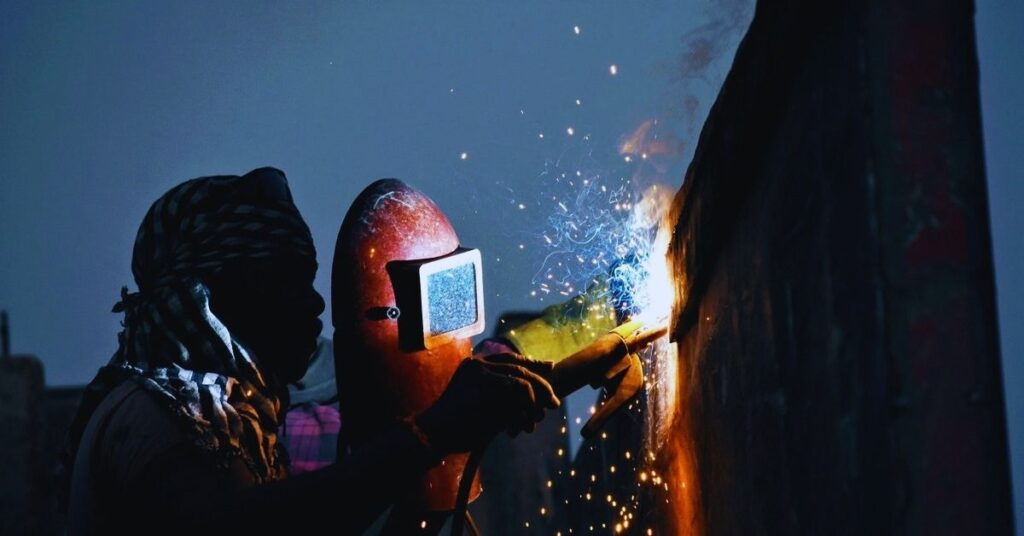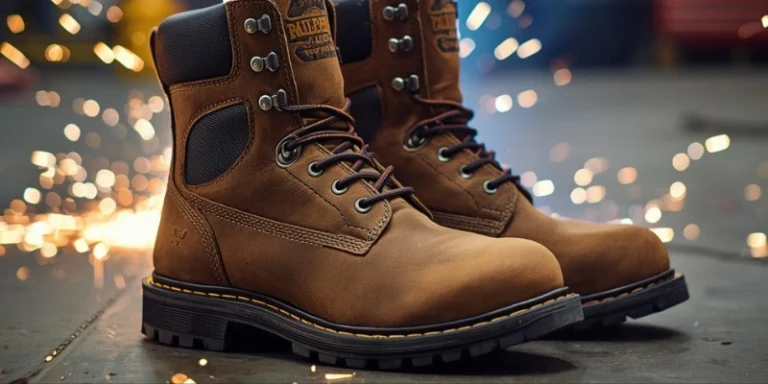
Welding throws sparks, hot slag, heavy steel, and sometimes oil or water at your feet all day. A good pair of welding boots protects you from burns, crush injuries, and slips while still being comfortable enough to wear for a full shift.
In this guide, we look at welding boots that balance safety, heat resistance, and comfort. You’ll see what each pair is good at, where it falls short, and which type of welder it suits best, so you can pick boots that match your shop, jobsite, and budget.
Best Welding Boots for Welders (Short Answer)
For most welders, the best boots combine heat‑resistant leather, safety toe protection, slip‑resistant soles, and minimal exposed laces. Strong choices include:
- SAFETOE Welding Composite Boots: Composite toe, 300 °C heat‑resistant leather, puncture‑resistant midsole; great for heavy welding and high heat.
- SFSDOUN Fireproof Slip‑On Welding Boots: Steel toe, fire‑resistant suede, slip‑on design with no laces to burn; ideal for spark‑intense shop work.
- NINGO Full‑Grain Steel Toe Boots: Very durable full‑grain leather, puncture‑resistant sole, and strong traction for industrial welding and construction sites.
If you work mostly in heavy sparks and slag, pick SAFETOE or SFSDOUN.
If you need rugged boots for welding plus general construction, NINGO is a solid all‑rounder.
Table of Contents
Top 13 Best Welding Boots for Safety and Comfort – 2026 Top Picks for Every Welder
1. VULTREAK Steel Welding Boots for Women – Women‑Specific Fit with Full Protection
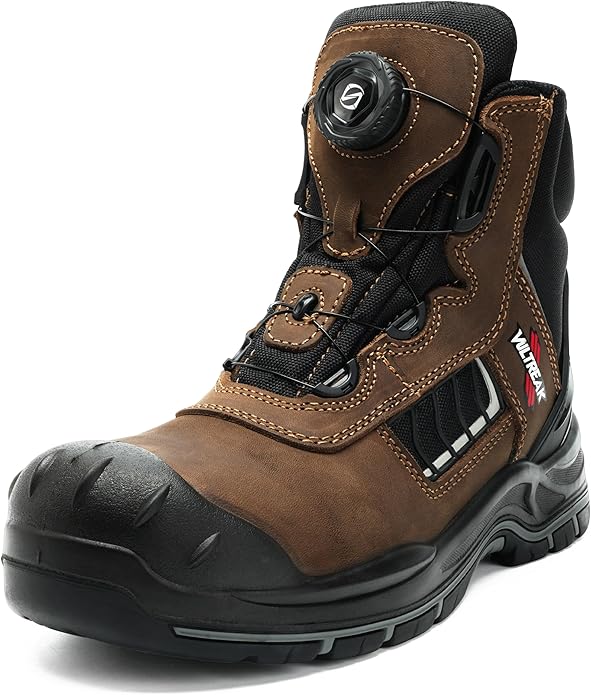
VULTREAK Steel Welding Boots for Women
Full‑grain leather women’s work boots with steel toe protection, slip‑resistant outsole and a slimmer fit for female welders.
Check PriceWhy it stands out
This VULTREAK model is one of the few welding‑ready boots cut specifically for women, combining real safety features with a fit that doesn’t feel like a downsized men’s boot.
Key points
- Full‑grain leather upper with high‑cut shaft for better spark coverage
- Steel toe cap rated to common impact/compression standards
- Slip‑resistant rubber sole for wet and oily floors
- Cushioned insole and padded collar for comfort
- Lace‑up design for a secure, adjustable fit
Pros
- Women‑specific shape fits narrower heels and lower volume feet better
- Leather upper holds up well to spatter and shop abuse
- Good traction on smooth concrete and shop floors
- Decent cushioning for standing and walking all day
Cons
- No dedicated metatarsal guard
- Not a true welding pull‑on; laces can collect sparks if not covered
- Water resistance is basic, not a full waterproof membrane
Best for
Female welders and fabricators who want proper safety boots that actually fit and feel comfortable for everyday shop or light construction work.
2. NORTIV Waterproof Steel Toe Boots – Best for Wet or Outdoor Welding
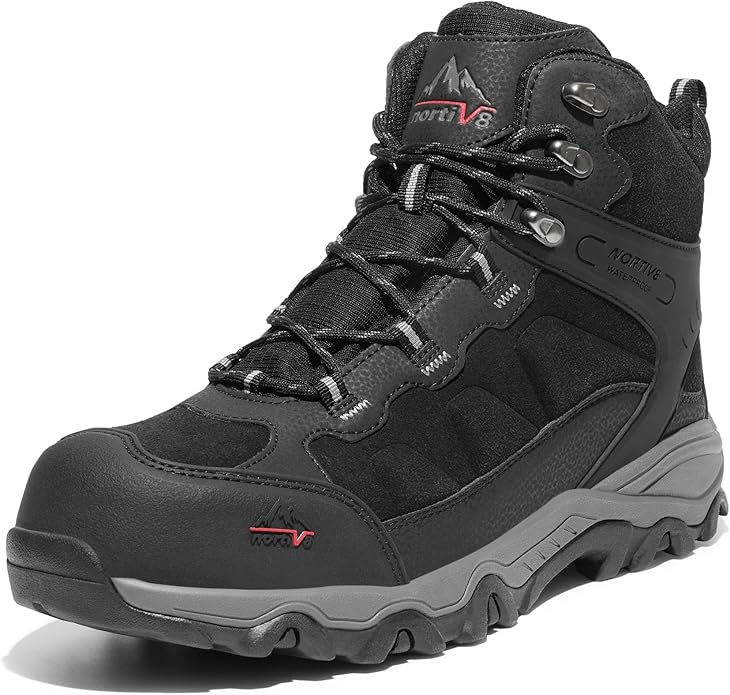
NORTIV Waterproof Steel Toe Work Boots
Waterproof steel toe boots with a slip‑resistant outsole and cushioned midsole for welders who deal with rain, mud or wet shop floors.
Check PriceWhy it stands out
These NORTIV boots add a proper waterproof upper and sealed construction to a classic steel‑toe design, which is ideal if you weld outdoors or around wash‑down areas.
Key points
- Steel toe meets common safety standards for impact and compression
- Waterproof membrane and treated leather help keep feet dry
- Slip‑resistant rubber outsole for slick, wet or oily floors
- Shock‑absorbing EVA midsole for extra cushioning
- 6–8″ shaft height for ankle support and splash protection
Pros
- Strong water protection for rainy or muddy worksites
- Good everyday comfort for walking and standing
- Grippy sole helps reduce slips on wet steel and concrete
- Reasonable price for a waterproof safety boot
Cons
- Heavier and warmer than non‑waterproof boots
- Not specifically heat‑rated for very high surface temperatures
- Lace‑up style offers less spark protection than covered pull‑ons
Best for
Welders and fitters who spend time outside, in shipyards, on construction sites, or in any environment where puddles and wet floors are common.
3. SAFETOE Welding Composite Boots – Lightweight and 300°C Heat‑Resistant
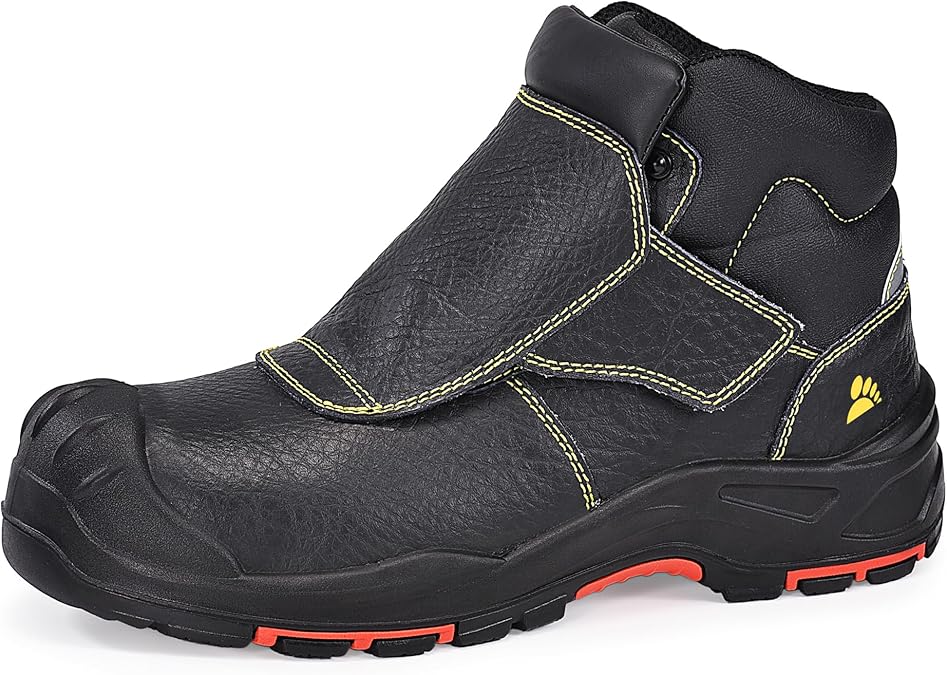
SAFETOE Welding Boots for Men Composite Toe
Mid‑cut composite toe welding boots with 300°C heat‑resistant leather and a non‑metallic, puncture‑resistant midsole.
Check PriceWhy it stands out
These SAFETOE boots are purpose‑built for welding, combining a lighter composite toe with leather rated to withstand short bursts of up to 300°C, helping to shrug off hot spatter.
Key points
- Composite toe cap (metal‑free) meeting EN ISO 20345 impact standards
- 300°C heat‑resistant cow leather upper for spark‑intensive work
- Puncture‑resistant midsole (often Kevlar‑type)
- Oil and slip‑resistant outsole for industrial floors
- Mid‑height shaft for extra ankle and instep coverage
Pros
- Composite toe does not conduct heat or cold like steel
- High heat resistance ideal for heavy welding, cutting and grinding
- No metal in the midsole, helpful around live electrical gear
- Lighter than many comparable steel toe welder boots
Cons
- Heavier and stiffer than basic work boots or sneakers
- Not a full pull‑on; some models still rely on laces/straps
- Price is higher than generic safety boots, though still fair for the protection
Best for
Full‑time welders and fabricators working around a lot of sparks and radiant heat who want serious protection without the weight of steel.
4. Nutropa Welding Composite Boots – Best Budget Composite Welding Boot
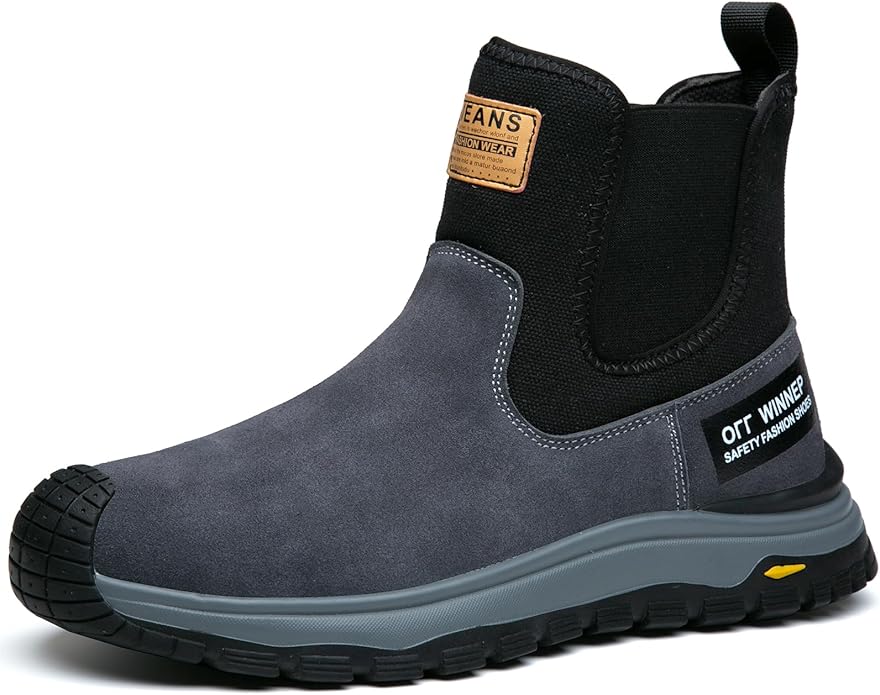
Nutropa Welding Work Boots for Men Composite Toe
Lightweight composite toe welder boots with a heat‑resistant suede upper and puncture‑resistant sole at an affordable price.
Check PriceWhy it stands out
Nutropa focuses on keeping the boots light and affordable while still meeting European impact and compression standards and offering spark‑resistant uppers.
Key points
- Composite toe with >200J compression and >15,000N impact resistance
- Suede leather upper that resists sparks better than plain mesh
- Puncture‑resistant midsole for protection from sharp debris
- Non‑slip outsole suitable for shop and site work
- Typically lighter than steel‑toe leather boots
Pros
- Very good safety rating for the price point
- Lighter feel reduces fatigue in long shifts
- Better spark resistance than typical safety sneakers
- Good all‑round traction for concrete and workshop floors
Cons
- Suede can stain and mark more easily than smooth leather
- Not fully waterproof; only basic water resistance
- Cushioning and arch support are decent but not premium
Best for
Budget‑minded welders and apprentices who need real protection and heat‑resistant uppers without paying premium brand prices.
5. Ariat Sierra Wide Square Toe – Comfortable Western‑Style Workhorse
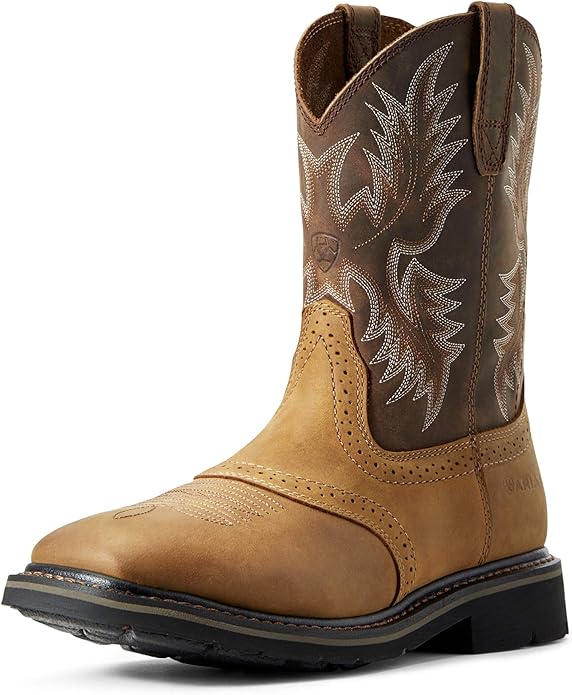
Ariat Sierra Wide Square Toe Work Boot
Full‑grain leather western‑style work boots with ATS cushioning, heat‑resistant outsole, and optional steel toe for heavy shop and field work.
Check PriceWhy it stands out
Ariat’s Sierra line is known for combining cowboy‑boot looks with serious industrial durability and all‑day cushioning that many welders appreciate on long shifts.
Key points
- Full‑grain leather upper with 10″ shaft for leg protection
- ATS comfort system provides stability and shock absorption
- Duratread rubber outsole is oil, slip and heat resistant
- Available in steel toe variants meeting ASTM standards
- Goodyear Welt construction for durability and resoling
Pros
- Very comfortable for long hours on concrete or gravel
- Tall shaft offers better coverage against sparks and slag
- Western styling many welders prefer in and out of the shop
- Durable construction stands up to years of hard use
Cons
- More expensive than most off‑brand boots
- Heavier than composite models
- Break‑in period can be stiff, especially around the ankle
Best for
Experienced welders and tradespeople who want a boot that can go from the fab shop to the jobsite and still look good after work, with comfort as a priority.
6. SFSDOUN Welding Boots – Slip‑On Fireproof Steel Toe Boots
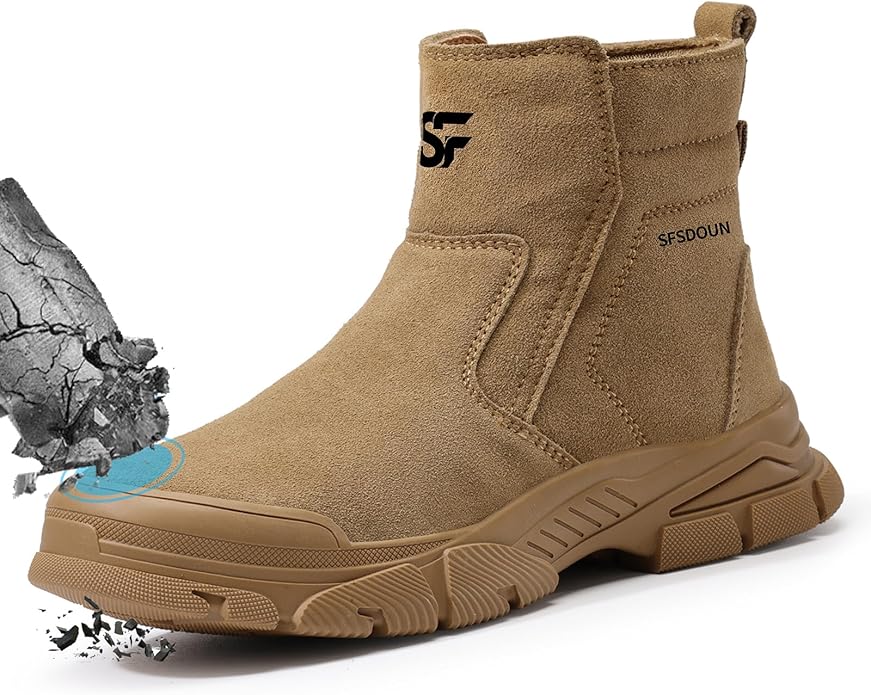
SFSDOUN Welding Boots for Men Slip On
Slip‑on steel toe welding boots with fire‑resistant suede leather and a heat‑resistant outsole for spark‑heavy work.
Check PriceWhy it stands out
These SFSDOUN boots use a fire‑resistant suede upper and slip‑on design to avoid exposed laces, which is ideal when you’re constantly showered with sparks.
Key points
- Steel toe exceeds common ASTM/EN impact standards
- Fire‑resistant suede upper handles welding spatter well
- Heat‑resistant rubber outsole (often up to ~200°C)
- Elastic side panels for easy pull‑on/off
- Puncture‑resistant midsole in many variants
Pros
- No laces to burn through or snag on metal
- Good balance of spark resistance and flexibility
- Quick to put on and take off between tasks
- Suitable for both shop welding and general site work
Cons
- Fit depends heavily on elastic side panels; may loosen with time
- Less ankle adjustment compared to laced boots
- Not fully waterproof
Best for
Welders who want a simple, pull‑on boot with strong spark and heat resistance and don’t like dealing with laces.
7. Indestructible Welding Sneakers – Light, Flexible Option for Light Weldingµ
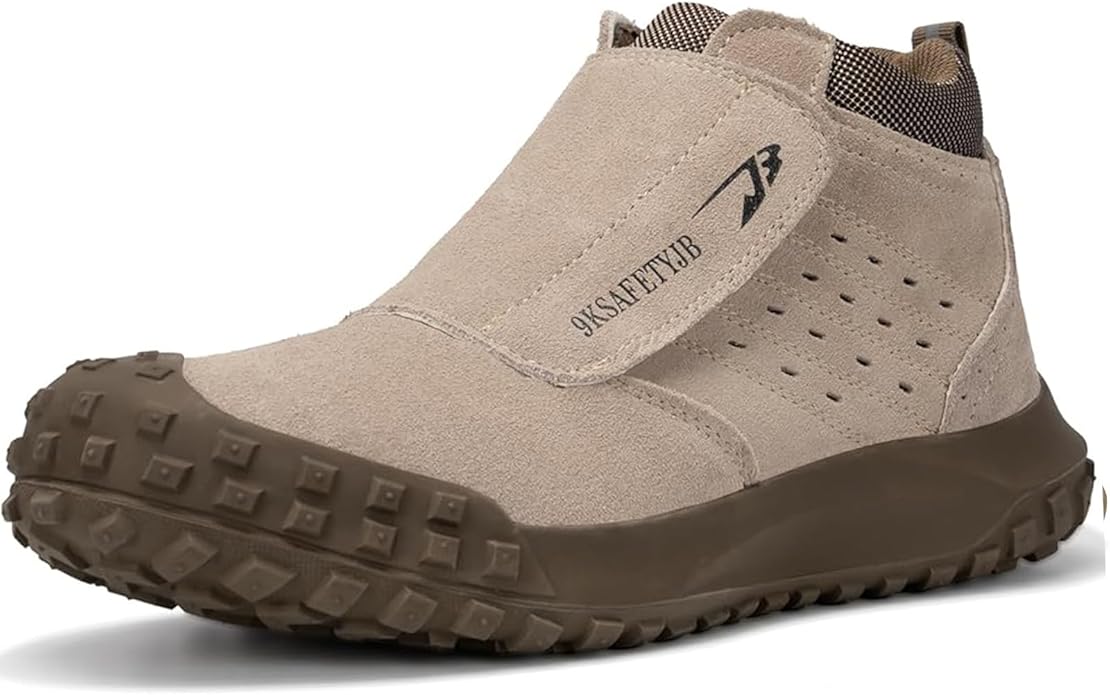
Indestructible Welding Sneakers
Steel toe safety sneakers with a breathable upper and flexible sole, aimed at welders who want sports‑shoe comfort for lighter work.
Check PriceWhy it stands out
These indestructible sneakers offer steel‑toe protection in a sneaker‑like package, making them feel much less bulky than traditional work boots.
Key points
- Steel toe cap rated to standard impact levels
- Lightweight mesh or knit upper for high breathability
- Flexible, shock‑absorbing sole for comfort
- Slip‑resistant tread suitable for smooth floors
- Very light compared to leather welder boots
Pros
- Extremely comfortable for walking and standing
- Great airflow in hot shops or summer conditions
- Easy to wear for mixed tasks (welding plus general work)
- Usually quite affordable
Cons
- Mesh upper is not ideal for heavy spatter or grinding sparks
- Minimal ankle protection compared to boots
- Limited water resistance; can soak through quickly
Best for
Hobbyists or light‑duty welders in controlled environments who want something closer to a sneaker but still need toe protection.
8. NINGO Full‑Grain Leather Work Boots – Heavy‑Duty Steel Toe for Harsh Sites
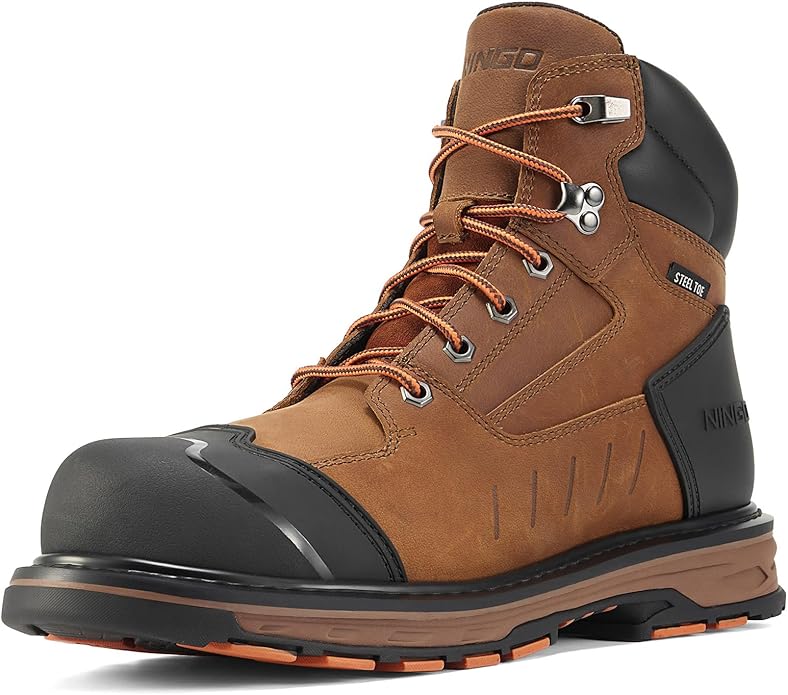
NINGO Steel Toe Work Boots for Men Full‑Grain Leather
Full‑grain leather steel toe boots with puncture‑resistant construction, oil‑ and slip‑resistant outsole, and a rugged build for industrial welding.
Check PriceWhy it stands out
NINGO positions these as heavy‑duty work boots with full‑grain leather and a puncture‑resistant sole, ideal for rough, debris‑strewn welding environments.
Key points
- 100% full‑grain leather upper for durability
- Steel toe meeting or exceeding ASTM F2413 impact/compression
- Puncture‑resistant midsole for nails and scrap
- Oil‑ and slip‑resistant outsole with deep tread
- Supportive cushioning and ankle support
Pros
- Very robust build for long‑term industrial use
- Good protection from both above‑foot impact and under‑foot hazards
- Leather resists sparks better than fabrics
- Suitable for mixed welding and construction tasks
Cons
- Heavier than composite or sneaker‑style options
- Takes time to break in the full‑grain leather
- Warm in hot climates or small enclosed shops
Best for
Welders in heavy industrial, fabrication yard, or construction roles where debris, sharp objects, and rough ground are daily realities.
9. GLANOUDUN Welding Work Boots – Lightweight Slip‑On with Kevlar Midsole
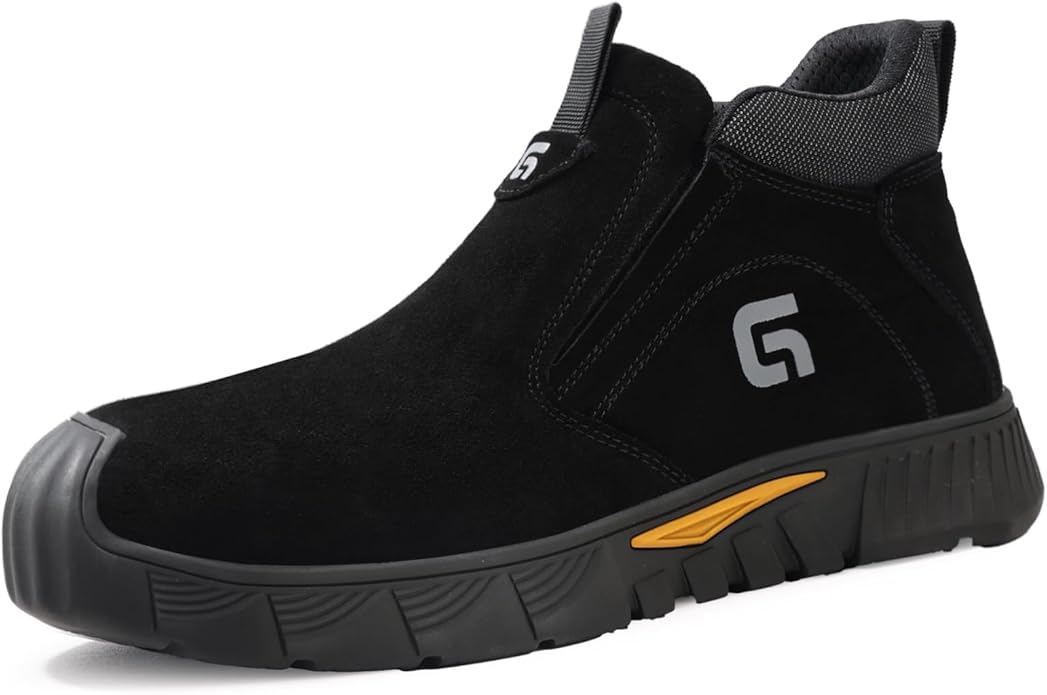
GLANOUDUN Welding Work Boots for Men Slip on Steel Toe
Slip‑on steel toe welding boots with a Kevlar puncture‑resistant midsole and lightweight sneaker‑style cushioning.
Check PriceWhy it stands out
GLANOUDUN combines a classic slip‑on welder shape with a Kevlar midsole and more flexible, sneaker‑like cushioning than many traditional boots.
Key points
- Steel toe rated for 200J impact and 15,000N compression (typical spec)
- Kevlar midsole rated to around 1,100N puncture resistance
- Slip‑on design with elastic side panels
- Lightweight midsole for better shock absorption
- Outsole designed for slip resistance in industrial settings
Pros
- Easy on/off for shop work or shared PPE
- Good balance of under‑foot protection and flexibility
- Lighter and more forgiving than many stiff welder boots
- Reasonable price point for the feature set
Cons
- Elastic side panels can loosen with heavy use
- Less ankle lockdown than laced boots
- Not fully waterproof; better for dry conditions
Best for
Welders who want a pull‑on boot with real puncture protection and a more cushioned, sneaker‑like feel for day‑to‑day shop work.
10. SAFETOE Composite Metatarsal Boots – Maximum Coverage for Foot and Instep
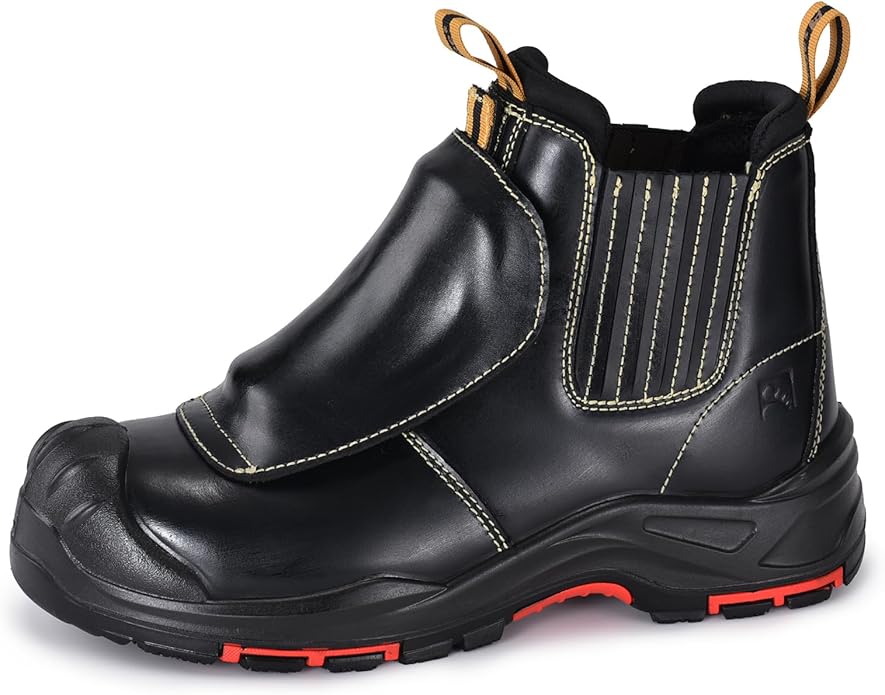
SAFETOE Welding Boots Composite Toe with Metatarsal Protection
Composite toe welding boots with an integrated metatarsal guard and 300°C heat‑resistant leather for high‑risk work.
Check PriceWhy it stands out
These SAFETOE boots add a metatarsal guard over the laces and upper foot, protecting the entire top of your foot from falling objects and heavy spatter.
Key points
- Composite toe and metatarsal guard, CE/ASTM certified
- 300°C heat‑resistant nubuck cow leather upper
- Puncture‑resistant midsole for sharp debris
- Oil‑ and slip‑resistant outsole
- Metal‑free toe for better insulation and no cold‑bridge
Pros
- Much more protection over the instep than standard boots
- Good for heavy plate work and overhead handling
- Composite construction keeps weight reasonable for the protection level
- Strong heat resistance for welding and cutting
Cons
- Metatarsal guard can feel bulky or restrictive when crouching
- Slightly heavier and bulkier than non‑metatarsal models
- Higher price, though justified for the extra safety
Best for
Welders and riggers handling heavy plate, beams or equipment where something landing on the top of your foot is a real risk.
11. GUBANGDUN Welding Industrial Boots – Slip‑On Steel Toe with Fire‑Resistant Suede
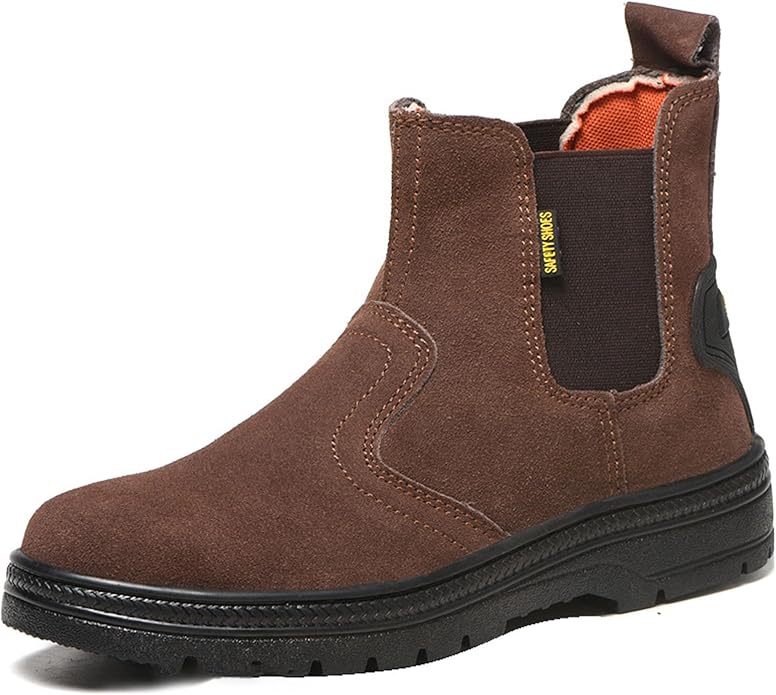
GUBANGDUN Steel Toe Work Boots for Men Welding
Slip‑on steel toe work boots with anti‑static, heat‑insulating suede cowhide uppers and a soft, lightweight outsole.
Check PriceWhy it stands out
GUBANGDUN targets welding specifically with an anti‑static, heat‑insulating suede upper and a slip‑on format that avoids exposed laces.
Key points
- Suede cowhide upper described as fireproof and heat insulating
- Steel toe cap meeting common industrial safety standards
- Anti‑static properties for certain industrial environments
- Lightweight, slip‑resistant rubber outsole
- Pull‑on design with side elastics
Pros
- No laces means fewer burn‑through issues from sparks
- Anti‑static design can be important around sensitive equipment
- Lightweight feel compared with heavy welted boots
- Comfortable lining for long shifts
Cons
- Anti‑static feature may be irrelevant for some users
- Not fully waterproof
- Elastic may wear out before the rest of the boot if heavily used
Best for
Shop welders and industrial workers who want a simple, slip‑on steel‑toe boot that handles sparks well and offers some anti‑static protection.
12. SFSDOUN Fireproof Welding Boots – Focused on Spark and Heat Resistance
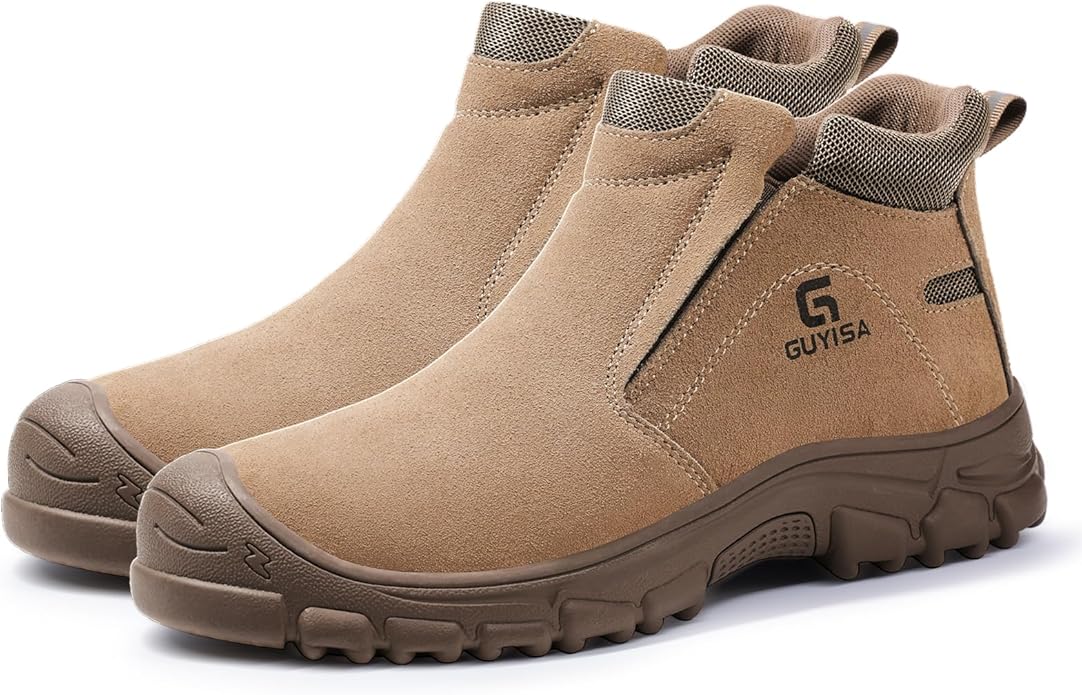
SFSDOUN Fireproof Welding Boots
Slip‑on indestructible steel toe boots with fire‑resistant suede leather, heat‑resistant soles and anti‑puncture midsole.
Check PriceWhy it stands out
This SFSDOUN variant emphasizes fireproof suede and heat‑resistant soles, making it a strong choice for heavy‑spark welding, gouging and cutting.
Key points
- Fire‑resistant suede upper designed to shrug off sparks
- Steel toe meets ASTM/EN impact requirements
- Heat‑resistant rubber sole (around 200°C, typical spec)
- Puncture‑resistant midsole (often Kevlar or steel)
- Slip‑on design with elastic for quick entry/exit
Pros
- Very good resistance to slag and spatter on the upper
- Under‑foot protection from nails and sharp scrap
- Fast on/off for moving between clean and dirty areas
- Reasonable price relative to fire‑rated alternatives
Cons
- Less breathable than fabric or mesh options
- Limited ankle adjustability
- Not fully waterproof; better for dry shops and yards
Best for
Welders doing a lot of heavy arc work, gouging or cutting where constant sparks and hot debris are part of the job.
13. Hogent Waterproof Industrial Boots – All‑Rounder for Welding and Construction
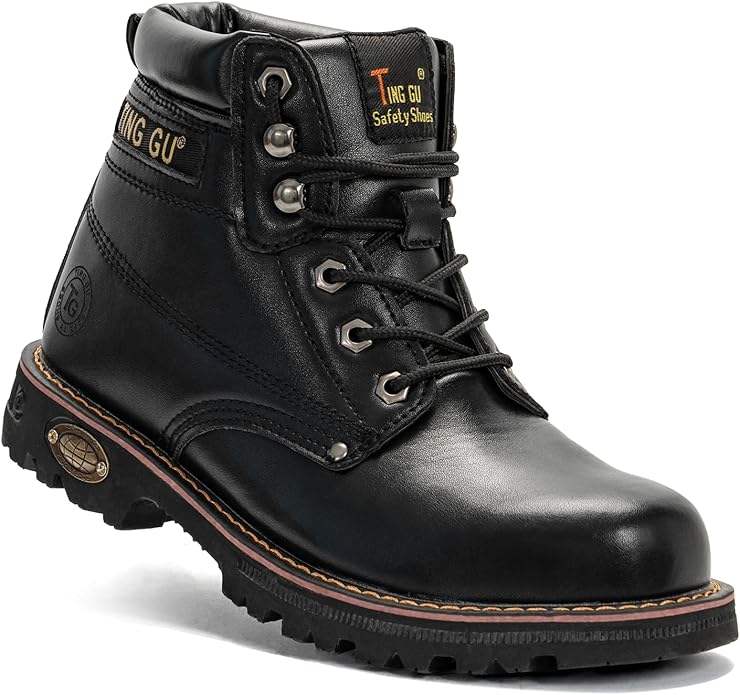
Hogent Waterproof Industrial Construction Work Boots
Steel toe work boots with waterproof construction, cushioned support and puncture‑resistant sole for mixed welding and construction tasks.
Check PriceWhy it stands out
Hogent’s waterproof work boots aim to be a do‑it‑all safety boot: steel toe, puncture resistance, slip resistance and comfort suitable for welders who also do general construction.
Key points
- Steel toe protection for impact/compression hazards
- Waterproof construction to keep feet dry on site
- Puncture‑resistant sole for nails and scrap
- Slip‑resistant outsole with good tread pattern
- Designed to be cushioned and comfortable for long wear
Pros
- Versatile: works for welding, construction, and general site work
- Waterproofing helps in rain, mud and wash‑down areas
- Decent comfort and support for a safety boot
- Good value considering the range of safety features
Cons
- Not a dedicated high‑heat welder boot
- Heavier than light composite or sneaker‑style options
- Break‑in may be needed to soften the upper
Best for
Welders who split their time between welding and broader construction or maintenance tasks and need one waterproof, protective boot for everything.
How to Choose the Right Welding Boots for You
When you pick welding boots, think about three main things: how much heat and spatter you see, what’s on the floor under you, and how long you’re on your feet.
- For maximum welding‑specific protection (heat, sparks, and top‑of‑foot impacts), look at:
- SAFETOE Welding Composite Boots and SAFETOE Composite Metatarsal Boots
- SFSDOUN and GUBANGDUN slip‑on fireproof models
- For mixed welding and construction, where nails, mud and weather are a concern:
- NINGO Full‑Grain Boots and Hogent Waterproof Industrial Boots
- NORTIV Waterproof Steel Toe Boots for wetter sites
- For comfort and lighter duty or shop‑only work:
- Ariat Sierra Wide Square Toe if you want premium comfort and western style
- Nutropa Composite Boots for budget safety
- Indestructible Welding Sneakers if you mainly do light welding in a controlled environment
If you regularly work in heavy sparks and hot slag, prioritize heat‑resistant leather uppers, minimal exposed laces, and at least a steel or composite toe. If you spend all day on concrete or move between welding and general trades, put extra weight on comfort, cushioning, and waterproofing.
Match your boots to the way you actually weld, and you’ll stay safer, more comfortable, and less tired at the end of every shift.
Why Welding Boots Matter
Welding puts your feet at constant risk from hot sparks, molten slag, falling steel, sharp metal scraps, oil, water, and even live electrical equipment. Regular work boots or sneakers are not designed to handle these extreme hazards.
Welding is also a high-risk job that involves open flames and intense heat. Burns are the most common welding injuries, often caused by missing or improper personal protective equipment (PPE). This is why wearing proper welding boots is essential. Welders should also use high-quality welding gloves, welding pants, jackets, and all required PPE to stay protected and work safely.
Good welding boots:
- Prevent burns from hot metal and slag by using thick, heat‑resistant leather and minimal exposed fabric.
- Protect against crush injuries with steel or composite toe caps (and sometimes metatarsal guards) that absorb the force of falling plate, beams, or tools.
- Stop punctures and slips with reinforced midsoles and slip‑resistant rubber outsoles, so nails, offcuts, and oil don’t take you down.
- Support you all day with proper cushioning and fit, reducing fatigue and back pain from long hours on concrete.
They’re also a key part of meeting workplace safety rules (OSHA/ASTM/EN standards). In short, welding boots are not just another piece of PPE, they’re what stands between you and some of the most common and serious shop injuries.
Key Features of the Best Welding Boots
When you compare welding boots, focus on these features first:
1. Heat‑Resistant Uppers
- Full‑grain or treated leather that can withstand sparks and short contact with hot metal.
- Some models are specifically rated to 200–300°C for outsole and leather resistance.
2. Safety Toe (Steel or Composite)
- Steel toe: very strong, traditional, good for heavy impact.
- Composite toe: lighter, non‑metallic, doesn’t conduct heat or electricity, better in very hot or electrical environments.
- Look for compliance with ASTM F2413 or EN ISO 20345.
3. Puncture‑Resistant Midsole
- Steel or Kevlar‑type plates protect from nails, screws, and sharp scrap underfoot.
- Important on construction sites and in messy yards.
4. Slip‑Resistant Outsole
- Oil‑ and slip‑resistant rubber tread designed for smooth concrete, steel decks, and oily shop floors.
- Good grip is as important as toe protection for preventing injuries.
5. Metatarsal Protection (Optional but Important)
- Internal or external guards over the instep protect the top of your foot from falling objects and heavy slag.
- Essential for heavy fabrication, rigging, and structural work.
6. Electrical Hazard (EH) Rating
- Non‑conductive outsole and midsole help protect against accidental contact with live circuits.
- Look for EH or similar marking if you work around electrical equipment.
7. Closure Style: Laces vs Slip‑On
- Slip‑on / pull‑on: no exposed laces to burn; fast on/off; great for spark‑heavy work.
- Lace‑up: more adjustable for fit and ankle support, but laces should be covered or made of flame‑resistant material.
8. Waterproofing and Breathability
- Waterproof membranes (plus sealed seams) are useful in rain, mud, or wash‑down areas.
- In hot, dry shops, focus more on breathability and heat resistance than full waterproofing.
Best Types of Welding Boots
Different welding environments call for different boot designs:
Steel Toe Welding Boots
- Traditional choice in fabrication shops and construction sites.
- Very strong impact protection; often combined with puncture‑resistant soles and slip‑resistant tread.
- Best when heavy objects, plate, and tools are constantly around your feet.
Composite Toe Welding Boots
- Lighter and non‑metallic; don’t conduct heat or cold.
- Better for welders who walk a lot, work in hot environments, or around live electrical gear.
- Good compromise between safety and comfort if you don’t need the absolute heaviest‑duty steel toe.
Metatarsal Guard Boots
- Add an extra shield over the laces and top of the foot (internal or external).
- Ideal for heavy plate work, rigging, shipyards, and structural steel jobs where something dropping on your foot is a real risk.
Fire‑Resistant Slip‑On Welding Boots
- Typically made from fire‑resistant suede or treated leather, with elastic side panels and no laces.
- Great for environments with constant sparks, grinding, gouging, or cutting.
- Quick to pull on and off; fewer components to burn or melt.
Safety Sneaker‑Style Boots
- Steel or composite toe with a sneaker‑like upper and flexible sole.
- Very comfortable and lightweight, but usually less resistant to heavy spatter and heat.
- Best for light welding, tack work, and clean indoor shops with lower spark exposure.
Comfort Factors Welders Should Not Ignore
Even the safest boot is a problem if it’s painful to wear. Comfort directly affects how long you can work and how focused you stay.
1. Fit (Length and Width)
- Boots should be snug at the heel and midfoot but allow toe wiggle room.
- Many brands offer wide sizes, important for welders with broad feet.
2. Cushioning and Shock Absorption
- Midsoles made from EVA, PU, or similar materials reduce shock from standing on concrete all day.
- Removable insoles let you upgrade to better arch support if needed.
3. Arch and Ankle Support
- Proper arch support reduces foot fatigue and helps your knees and back.
- Taller shafts (8–10″) offer more ankle stability and better spark protection.
4. Weight
- Heavy steel‑toe boots can tire you out, especially if you walk a lot.
- Composite toes and lighter constructions help reduce fatigue.
5. Breathability and Temperature Control
- Waterproof membranes trap heat; great in cold/wet, less ideal in hot shops.
- A balance of leather thickness and lining is key, too thin is unsafe, too thick is sweaty.
6. Break‑In Period
- Full‑grain leather can take several days of short wear to soften.
- Plan to break in new boots before a long shift to avoid blisters.
Common Mistakes When Buying Welding Boots
1. Buying on Price Alone
The very cheapest boots often cut corners on leather quality, stitching, and safety ratings. You may end up replacing them sooner, or worse, getting injured.
2. Ignoring Safety Standards
If the boot doesn’t list ASTM, EN ISO, or similar standards for impact, compression, puncture, and EH, treat it as a red flag.
3. Choosing Fashion Over Function
Cool‑looking boots or sneaker‑style safety shoes might not withstand constant sparks or high heat. Prioritize heat‑resistant leather and real protection over looks.
4. Forgetting About the Work Environment
- Mesh sneakers in heavy spatter? Bad idea.
- Non‑waterproof boots on muddy outdoor sites? Also a problem.
Match your boots to where you actually weld.
5. Skipping Metatarsal Protection When You Need It
If you regularly move heavy plate, beams, or equipment by hand, lack of a met guard can turn a minor drop into a serious injury.
6. Getting the Wrong Size and Never Adjusting
Too tight: numb toes and blisters. Too loose: heel slip and lack of support. Always try boots on with your work socks and adjust laces or insoles accordingly.
How Long Do Welding Boots Last?
There’s no single number, but for regular welders:
- Serious daily use: often 6–12 months before heavy wear shows (soles, leather, and stitching).
- Moderate / hobby use: 1–3 years is common with decent care.
What affects lifespan:
- Intensity of work – heavy fabrication, gouging, and outdoor construction wear boots faster than light bench welding.
- Conditions – constant exposure to slag, chemicals, mud, or standing water shortens boot life.
- Boot quality – full‑grain leather and good welted construction last longer than cheap glued soles.
- Maintenance – cleaning off slag and oil, drying them properly, and conditioning leather all extend life.
Replace your welding boots when:
- Soles are worn smooth and slip easily.
- Leather is deeply cracked, burned through, or separating at seams.
- The toe cap or met guard is exposed or damaged.
- The boot no longer feels supportive, even with good insoles.
FAQs About Welding Boots
Do I really need special welding boots?
If you weld regularly or work around others who are welding, yes. Regular work boots or sneakers usually lack heat‑resistant uppers, puncture protection, and proper safety toes, which puts you at real risk of burns and crush injuries.
Steel toe or composite toe – which is better for welding?
- Steel toe: best for heavy impact, often cheaper, very common.
- Composite toe: lighter, non‑metallic, doesn’t conduct heat or electricity as much.
Both are safe if they meet standards; choose based on how much weight you’re moving and how hot or electrical your environment is.
Are slip‑on boots better than lace‑up for welding?
Slip‑on boots have no exposed laces, so there’s nothing for sparks to burn. They’re great for heavy spatter environments. Lace‑ups offer better adjustability and ankle support, but the laces should be covered or made from fire‑resistant material.
Do I need metatarsal boots for welding?
You should strongly consider them if you:
- Handle heavy plate, beams, or large parts.
- Work in structural, shipbuilding, or heavy fabrication.
If the heaviest thing you handle is small parts or light stock, a normal safety toe boot is usually enough.
How can I make my welding boots last longer?
- Brush off slag and metal daily.
- Let them dry naturally (never directly on heaters).
- Use leather conditioner periodically to prevent cracking.
- Rotate between two pairs if you work long hours in tough conditions.
Are safety sneakers OK for welding?
They can be acceptable for light‑duty, indoor welding with minimal sparks and no heavy plate handling. For heavy spatter, grinding, gouging, or construction sites, they’re not ideal because the uppers usually can’t handle prolonged heat and slag.
Conclusion
The best welding boots are the ones that match your hazards and your workday:
- For heavy fabrication, plate handling, and constant sparks:
Choose heat‑resistant leather boots with steel or composite toes, puncture‑resistant midsoles, and ideally metatarsal protection. - For mixed welding and construction or outdoor work:
Look for waterproof, slip‑resistant boots with safety toes and puncture resistance that can handle mud, nails, and rough terrain as well as sparks. - For lighter shop or hobby welding:
A solid pair of heat‑resistant leather safety boots (steel or composite toe) without advanced met guards may be enough, provided they meet proper safety standards and fit well.
Focus on safety ratings, heat resistance, fit, and comfort rather than just price or looks. Good welding boots won’t last forever, but a well‑chosen pair will protect your feet, keep you steadier on the floor, and make long days in the shop easier on your body.

James is a welding expert, accomplished author, and trusted guide with over 8 years of experience in the industry. With his in-depth knowledge and engaging writing style, James has become a true authority in the field, offering readers and clients invaluable expertise and insights to take their welding skills to new heights.