
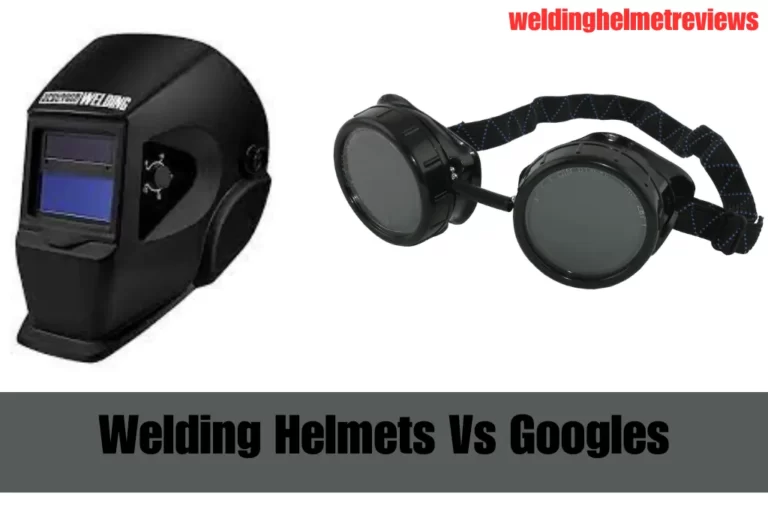
When it comes to welding, safety is paramount. One of the most critical aspects of welder safety is protecting the eyes from intense light, sparks, and debris. In the world of eye protection, two primary options stand out: welding helmets and welding goggles.
Each has its unique features and benefits, making the choice between the two a matter of careful consideration. In this comprehensive guide, we’ll explore the differences, advantages, limitations, and factors to consider when choosing between welding helmets vs goggles.
Table of Contents
Understanding Welding Safety
Welding is a skilled trade that involves fusing materials together using intense heat. While it’s a crucial technique in various industries, it also poses significant safety risks. The welding process emits powerful UV radiation, intense visible light, and potentially harmful sparks. Proper safety measures are essential to prevent eye injuries and long-term damage caused by exposure to these hazards.
The Importance of Eye Protection
Before delving into the specifics of welding helmets and goggles, let’s underline the significance of eye protection in welding. The eyes are incredibly sensitive to light and foreign objects, and exposure to welding arcs without proper protection can lead to conditions like arc eye or welder’s flash. These conditions cause discomfort, pain, and even temporary vision loss. Proper eye protection is the key to preventing such injuries and ensuring the safety and well-being of welders.
Welding Helmets: A Comprehensive Overview
Welding helmets are a staple in welders’ protective gear. These headgear devices offer full-face coverage and are designed to shield the entire face, including the eyes, from intense light and flying debris. Modern welding helmets come equipped with auto-darkening filters that adjust the level of tint based on the welding arc’s brightness.
This feature enhances visibility while providing optimal protection. The helmets are available in various styles, with features such as adjustable headbands, ventilation systems, and even powered air-purifying respirators (PAPR) integration.
Goggles for Welding: What You Need to Know
Welding goggles, on the other hand, provide a more compact and targeted form of eye protection. They cover the eyes alone, offering direct defense against UV radiation, infrared light, and sparks. Welding goggles are commonly used for specific welding tasks that require precision, such as oxy-acetylene welding and cutting. They can also be worn underneath a welding helmet for an added layer of protection.
Advantages of Welding Helmets
Welding helmets offer several advantages that make them a popular choice among welders. The full-face coverage ensures comprehensive protection against various welding-related hazards. The auto-darkening filters enhance visibility and reduce eye strain by eliminating the need to repeatedly lift the helmet. The versatility of welding helmets, with adjustable settings and additional features, makes them suitable for a wide range of welding techniques.
Read More: How to Choose a Welding Helmet
Advantages of Welding Goggles
Welding goggles excel in providing focused protection. Their compact design allows welders to access tight spaces while keeping their eyes shielded. Although there are some welding helmets for tight spaces. Goggles are often more lightweight than helmets, promoting comfort during extended welding sessions. Welding goggles also allow for clear peripheral vision, enhancing overall situational awareness.
Limitations of Welding Helmets
Despite their advantages, welding helmets also have limitations. The full-face coverage can lead to discomfort in hot environments, and their bulkiness might restrict movement in certain welding positions. Additionally, helmets can be more expensive than goggles, especially when considering advanced models with features like PAPR integration.
Limitations of Welding Goggles
Welding goggles, while offering focused protection, might not be sufficient for tasks that involve prolonged exposure to intense light. They don’t shield the entire face from sparks and debris, leaving some areas vulnerable to injury. Additionally, goggles alone might not provide the level of UV and IR protection needed for certain welding techniques.
Factors to Consider: Comfort and Fit
Comfort is paramount when it comes to choosing between welding helmets and goggles. A well-fitting piece of protective gear ensures that the welder can work efficiently without distractions. Helmets with adjustable headbands and padding offer a customizable fit, while goggles with adjustable straps cater to individual preferences.
Optical Clarity: A Vital Consideration
Optical clarity is a significant consideration in eye protection gear. Welders need clear visibility of their work to ensure accurate welding and avert errors. High-quality welding helmets and goggles come with advanced lens technologies that maintain optical clarity while providing adequate protection. Look for features like anti-fog coatings and true color lenses.
Durability and Longevity: Which One Lasts Longer?
Durability is a factor that impacts the overall value of protective gear. Welding environments can be harsh, with exposure to heat, sparks, and physical impact. Welding helmets are typically more robust due to their larger size and construction. However, advancements in materials have also made modern welding goggles highly durable and resistant to various workplace hazards.
Ease of Use: Comparing Helmets and Goggles
Ease of use plays a crucial role in welder productivity and safety. Welding helmets with auto-darkening filters simplifies the welding process by eliminating the need to repeatedly lift the helmet to check the weld. On the other hand, welding goggles are more compact and easier to don and doff, making them a preferred choice for tasks that require frequent removal of eye protection.
Welding Helmet Styles: Choosing the Right Fit
Welding helmets come in various styles to cater to different welding needs. Standard helmets offer essential protection while auto-darkening helmets with variable shade options provide enhanced visibility and convenience. For those working in high-heat environments, specialized helmets with built-in ventilation and PAPR compatibility offer added comfort.
Types of Welding Goggles and Their Applications
Welding goggles are available in different styles to suit various welding techniques. Lift-front goggles allow for a quick transition between the welding and inspection phases, making them ideal for tasks that require frequent adjustments. Cover goggles provide extended protection for the eyes and surrounding areas, making them suitable for jobs that involve intense light and heat.

James is a welding expert, accomplished author, and trusted guide with over 8 years of experience in the industry. With his in-depth knowledge and engaging writing style, James has become a true authority in the field, offering readers and clients invaluable expertise and insights to take their welding skills to new heights.