A pancake welding hood is one of the most recognizable pieces of gear on a pipeline. If you have ever watched a rig welder working under the sun, you have likely noticed the flat, round shield hugging their face. Unlike the bulky square helmets found in most shops, this specialized hood is built for a very specific purpose. It combines lightweight construction, a tight seal against the elements, and a lens system that eliminates fogging in the harshest conditions.
For someone new to welding, the design can look confusing. You might wonder why someone would choose a simple balsa box over a modern auto-darkening helmet. The answer lies in the trade it serves. This guide will explain exactly what a pancake welding hood is, how it works, and why it remains the top choice for pipeline welders despite decades of technological advancements.
Table of Contents
What Is a Pancake Welding Hood?

The Original Pancake Welding Hood
Check PriceA pancake welding hood is a lightweight, round face shield designed specifically for pipeline welding. The name comes from its flat, circular shape, which resembles a pancake. It is constructed from a durable balsa wood or fiberglass shell, a fixed shade lens, and a simple leather strap or rubber band to hold it on the head. You will rarely see one in a factory or a fabrication shop. They are almost exclusively used outdoors on cross-country pipelines.
The hood’s primary job is to protect the welder’s eyes and face from the intense arc light, sparks, and heat produced during stick welding. The shell is intentionally small and tight to the face. This design blocks ambient sunlight from entering the back of the lens, preventing unwanted reflections. It also creates a dead air space that prevents the lens from fogging, a common issue with traditional helmets when a welder is sweating in the heat.
Most pancake hoods use a passive, fixed-shade lens, typically a shade 10 or 11. While the rest of the industry has moved toward auto-darkening technology, pipeline welders value the simplicity and reliability of a passive lens. The setup is minimal, there are no electronics to fail, and the optical clarity of a high-quality glass lens is incredibly pure. This makes it easier to see the puddle and the bevel while welding out a pipe joint.
How Does a Pancake Welding Hood Work?
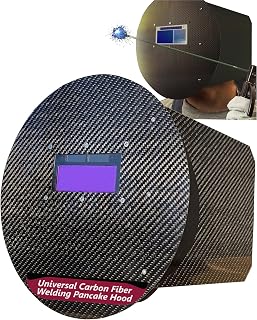
SturdyShape Carbon Fiber Pancake Hood
Check PriceUnderstanding the mechanics of a pancake welding hood reveals why it is so effective. The hood works by using a technique called tight-to-the-face protection. The balsa shell is shaped to curve around the face, and the user secures it with a strap that tightens the hood against the bridge of the nose and the forehead. This creates a seal that blocks the sun from leaking in behind the lens.
The lens stack is typically a two-piece system. A clear outer cover lens protects a dark, fixed-shade inner lens. The welder simply nods their head down to flip the hood into position before striking an arc. Because the shell is extremely light, often weighing just a few ounces, this motion becomes second nature. The moment the arc breaks, the welder can nod their head back to look through the clear lens for chipping and grinding without lifting the hood off their head.
This flip-up feature is crucial for productivity on the firing line. The welder never needs to remove the hood. They simply flip the dark lens up to inspect the weld, clean the slag, and apply a fresh rod. This continuous workflow is a major reason for the popularity of the pancake hood. It is not just about protection, it is about speed and efficiency on the right-of-way.
Key Features of a Pancake Welding Hood
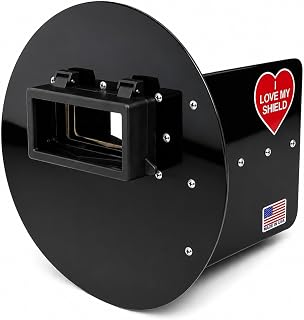
TW Supply Flip-Up Pancake Welding Hood
Check PriceTo truly appreciate the design, it helps to break down the individual components. Every part of a pancake welding hood serves a function that contributes to the welder’s comfort and visibility.
The Balsa Shell
The core of the hood is a block of balsa wood that has been hollowed out and shaped. Balsa is chosen because it is incredibly light, fire-resistant, and does not conduct heat. The wood chars slowly when hit by sparks, creating a natural, non-toxic barrier. The shell is usually painted black on the inside to absorb any stray light and prevent glare.
The Lens System
Standard pancake hoods use a fixed shade 10 or 11 lens. These are often gold-coated or silver-coated glass lenses that provide superior color clarity and reduce eye strain. The front of the hood holds a 2×4.25-inch clear cover lens that is easy to replace. When the welder flips the dark lens up, they still have a clear view for grinding, a feature not available on most fixed-shade helmets.
The Headgear and Strap
There is no traditional ratcheting headgear on a pancake hood. Instead, a leather strap, a rubber band, or a soft cloth band wraps around the head. The strap allows the hood to be pulled tight against the face. This tension is what keeps the hood in place during the constant head nodding. Many welders customize their straps with snaps or buttons for a perfect fit.
Why Do Pipeliners Prefer Pancake Hoods?
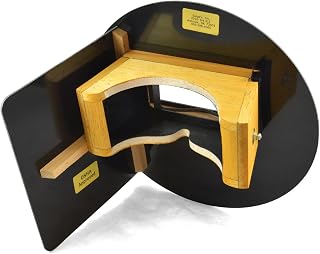
Sarge’s Pancake Welding Hood
Check PriceYou might ask why a pipeline welder would not simply use an auto-darkening helmet. The answer is purely environmental. On a pipeline, you are working in the open air with the sun directly overhead. Standard helmets let light leak in from the back and sides, creating a reflection on the inside of the lens. This makes it nearly impossible to see the weld puddle clearly.
The pancake hood solves this problem by creating a shadow box around the eyes. The tight seal ensures that the only light the welder sees is the light from the arc. This dramatically improves contrast and visibility. In addition, the extreme heat and cold of the pipeline environment can cause batteries to fail and auto-darkening sensors to malfunction. A passive pancake hood has no electronics. It will work in freezing rain, scorching heat, and dusty deserts without any issues.
There is also a cultural aspect. The pancake hood is a badge of honor in the pipeline welding community. It signifies you are a rig welder who works on the firing line. The hood is almost always heavily customized with stickers, paint, and leather work, making it a unique piece of personal expression. For a deeper look into the culture behind these shields, read about the reasons welders swear by these shields.
Pancake Welding Hood vs. Traditional Welding Helmet
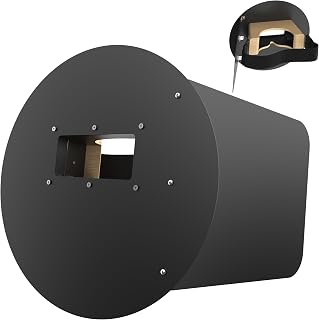
SturdyShape Black Resin Pancake Hood
Check PriceComparing a pancake hood to a standard auto-darkening helmet highlights the trade-offs. Neither is universally better, they are simply built for different job sites. The table below highlights the key differences in a clear, side-by-side breakdown.
- Weight: A pancake hood weighs a few ounces. A standard auto-darkening helmet can weigh over two pounds. The lightweight design reduces neck fatigue during long shifts.
- Weather Resistance: Pancake hoods are unaffected by sunlight and extreme temperatures. Auto-darkening sensors can be fooled by bright sunlight or slow down in the cold.
- Fogging: The tight seal of a pancake hood creates a dead air space that prevents breath from fogging the lens. Standard helmets often need anti-fog inserts.
- Versatility: A traditional helmet with a grind mode is more versatile for shop work. A pancake hood is a highly specialized tool, it is not ideal for TIG welding or overhead work in a tight space.
- Cost: A custom pancake hood setup can be surprisingly affordable. A high-quality balsa shell, strap, and a gold lens often cost less than a mid-range auto-darkening helmet.
How to Choose the Right Pancake Hood
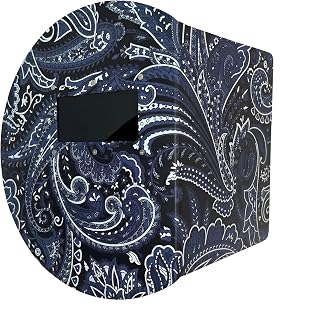
WoahBros Carbon Fiber Pancake Hood
Check PriceIf you are ready to try a pancake welding hood, you need to assemble the right components. You do not usually buy a complete unit off the shelf. You build it. The process starts with selecting a shell that fits the shape of your face.
Selecting the Shell
Most shells are made from balsa wood, but you can also find fiberglass options. Balsa is lighter and more traditional, while fiberglass is a bit tougher. The shell must be cut to allow the 2×4.25 lens to fit perfectly. Many welders prefer a shell with a slightly curved lip on the bottom to help shed rain and sweat away from the face.
Picking the Right Lens
For pipeline stick welding, a shade 10 or 11 is standard. The lens color matters, too. A gold lens enhances the orange and red tones of the puddle, giving you a crisp, clear view of the arc. A silver lens can provide a more natural color range. You will also need a clear cover lens to protect the expensive glass lens from spatter and pitting.
The Strap System
The strap is the most personal part of the hood. Leather straps are traditional and durable. Rubber bands provide a strong, instant tension. Some welders use a combination of both. The trick is to find a tension that holds the hood tight without causing a headache. A properly fitted hood should feel like a secure pair of goggles rather than a hard hat.
Common Modifications and Customizations

Glare Free Pancake Welding Hood
Check PriceOne of the joys of owning a pancake hood is making it your own. The culture around these hoods is heavily rooted in customization. It is very rare to see two identical pancake hoods on the right-of-way.
- Leather Work: Welders often stitch a leather bib or curtain to the bottom of the hood. This blocks sparks from bouncing off the chest and going up into the hood. It also protects the neck from sunburn and arc flash.
- Paint and Stickers: The outside of the balsa shell is a canvas. You will see everything from American flags to intricate flame jobs painted on the shell. Stickers from welding supply companies, pipe mills, and local unions are badges of experience.
- Magnetic Lens Holders: Some welders install small magnets on the front of the shell to hold the clear cover lens in place. This makes swapping out a dirty lens quick and easy, even with heavy gloves on.
- Nose Bridge Modifications: The shell can be sanded and shaped to fit the unique profile of the welder’s nose and cheeks. A perfect fit is essential to keep the sun out and the seal tight.
Maintenance and Care

Ready to Use Pancake Welding Hood
Check PriceA pancake hood is a simple tool, but it requires regular maintenance to perform well. The balsa shell is naturally durable, but it can crack if dropped on a hard surface. Keep the shell in a protective bag or box when you are not welding. Avoid leaving the hood in direct sunlight for extended periods when it is not on your head. Prolonged UV exposure can dry out the balsa wood and make it brittle.
The lens is the most critical component. Replace the clear cover lens as soon as it gets pitted or covered in spatter. A dirty cover lens scatters light and reduces visibility. The glass gold lens inside should be cleaned with a soft microfiber cloth and lens cleaner. Do not use paper towels, they can scratch the delicate gold coating. For step-by-step instructions on keeping your lens crystal clear, check out the guide on how to clean your welding helmet lens properly.
Who Should Use a Pancake Welding Hood?
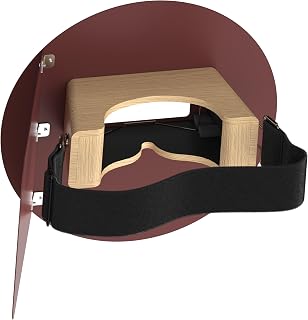
SturdyShape Brown Resin Pancake Hood
Check PriceThe pancake welding hood is not for everyone. It is a specialized tool designed for a specific environment. If you are a hobbyist working in a garage on a welding table, a standard auto-darkening helmet is usually a better choice. You will benefit from the variable shade and the convenience of not having to nod your head.
However, if you are a student aiming for a career in the pipeline industry, learning to use a pancake hood early is a smart move. The hood is ubiquitous on the firing line. If you show up to a pipeline job without one, you will stand out for the wrong reasons. The hood is also excellent for any outdoor stick welding, such as farm repairs, structural ironwork in the field, or shipyard welding on a sunny deck.
Before you invest in a setup, it is wise to understand the specific applications of pancake hoods and how they align with your daily tasks. While they are fantastic for downhill stick welding, they are not ideal for TIG welding where you need a larger viewing area and a more controlled arc strike.
Frequently Asked Questions
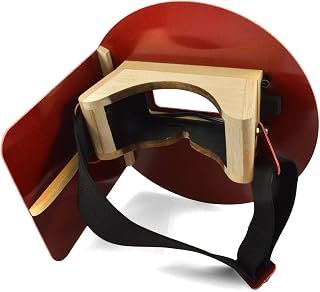
Wendy’s Red Pancake Welding Hood
Check PriceCan you use a pancake welding hood for TIG welding?
It is not recommended. Pancake hoods are designed for stick welding with a fixed shade. TIG welding often requires a lower amperage and a clearer view of the tungsten. An auto-darkening helmet with a large viewing area is much more practical for TIG work.
Are pancake welding hoods safe?
Absolutely. When fitted properly, a pancake hood provides complete protection from arc flash, UV radiation, and sparks. The tight seal actually offers superior protection from light leaks compared to a standard helmet. As long as the lens is the correct shade and the shell is not cracked, it meets all safety requirements.
Do pancake hoods come with auto-darkening lenses?
Traditionally, no. However, some modern lens manufacturers are now creating 2×4.25 auto-darkening lenses that can fit into a pancake hood shell. This is a niche product, but it gives you the fit and seal of a pancake hood with the convenience of an auto-darkener. To learn more about how these lenses work, you can read about understanding the basics of welding helmets.
How much does a good pancake hood cost?
A basic balsa shell with a strap can cost between $30 and $50. A high-quality gold lens can add another $20 to $40. A fully customized, professionally painted hood with leather work might cost $150 to $200. Considering the lifespan and the lack of electronic parts, they are very cost-effective.
Conclusion
A pancake welding hood is much more than just a piece of protective gear. It is a symbol of the pipeline trade, a tool built by welders for welders. Its simple, lightweight design solves the specific problems of outdoor stick welding better than any other helmet. The tight seal keeps the sun out, the passive lens provides crystal-clear optics, and the flip-up feature allows for a seamless workflow.
If you are planning to step onto the right-of-way, learning to build and fit your own pancake hood is a rite of passage. Start with a quality balsa shell, invest in a top-tier gold lens, and spend time customizing the strap until it feels like an extension of your face. Once you experience the clarity and comfort of a well-fitted pancake hood in the bright sun, you will understand why it has been the pipeline standard for generations.