Learning how to store a welding helmet correctly is just as important as knowing how to use one. Too often, welders toss their hood into the back of a truck or leave it on a dusty workbench. That kind of neglect can scratch expensive lenses, drain batteries, and warp the shell. Proper storage keeps your auto-darkening or passive helmet in peak condition for years, saves you money on replacements, and ensures reliable protection every time you strike an arc.
Table of Contents
Why Proper Storage Matters for Welding Helmets
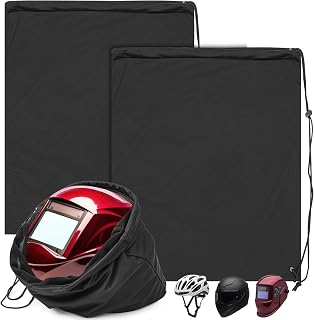
Yeyeplum 2 Pcs Motorcycle Helmet Bags
Check PriceA welding helmet is not just a piece of plastic, it is precision safety gear. The shell, suspension, and especially the auto-darkening filter are sensitive to heat, moisture, and impact. Storing your helmet carelessly can lead to scratched lenses that distort your view of the puddle. It can also cause electronic failures if the helmet is exposed to temperature swings, and can even weaken the polymer shell over time. Think of your helmet as an investment, treat it right and it will protect your eyes and face without fail.
Preparing Your Welding Helmet Before Storage
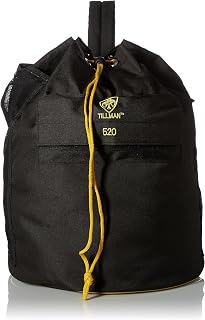
Tillman 520 Welders Welding Gear and Helmet Bag
Check PriceA quick prep routine makes all the difference. Never put a dirty helmet away. Dust, spatter, and grinding debris can scratch the lens if the hood gets jostled. Take five minutes to clean and inspect your helmet after each session, even if you plan to weld again tomorrow.
Clean the Lenses the Right Way
Start with the outer cover lens. Use compressed air or a soft brush to remove loose particles, then wipe gently with a microfiber cloth and approved lens cleaner. Avoid paper towels or shop rags, they leave micro-scratches that add up over time. If the inner auto-darkening lens is smudged, consult your manual before touching it with liquid cleaners. Many professionals follow a simple rule: treat every lens like you would an expensive camera filter. For a deeper dive, you can follow a proper cleaning routine for welding helmet lenses to make sure you do not degrade the filter.
Inspect and Remove Batteries for Long-Term Storage
If you own an auto-darkening helmet, check the battery compartment before putting it away. If you know you will not weld for several weeks or longer, remove the batteries. Even high-quality cells can leak and corrode sensitive contacts inside the controls. While you are at it, wipe down the headgear with a damp cloth, adjust the tension, and make sure no sweat residue is left behind. Salt from sweat can slowly eat into padding and plastic, causing odors and brittleness.
Choosing the Ideal Storage Location
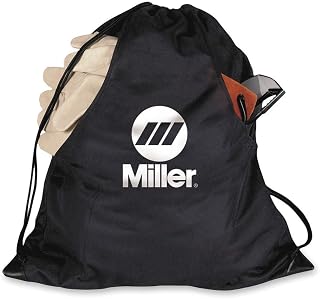
Miller Bag Pouch, Helmet
Check PriceWhere you keep your hood matters more than most people think. The goal is a stable, clean, and dry environment. Extreme temperatures are your helmet’s enemy. I have seen auto-darkening filters permanently fog or malfunction after being left in a freezing truck overnight, followed by a hot job site the next morning. Treat your helmet like a precision instrument, not a shovel.
Temperature and Humidity Control
Store your helmet indoors in a climate-controlled area, ideally between 50°F and 85°F. Avoid unheated garages, conex boxes, or sheds that trap moisture. High humidity can cause mold on headgear padding and condensation inside the lens cartridge. If your shop is naturally damp, use a sealed plastic bin with a small desiccant pack. Just do not let the pack touch the lens. A consistent temperature protects the liquid crystal display in auto-darkening helmets and prevents the shell from becoming brittle over repeated heat cycles.
Shield the Helmet from UV Light
It sounds ironic, but long-term exposure to unfiltered sunlight can degrade a welding helmet. UV rays can slowly yellow clear cover lenses and weaken the nylon shell. This is especially true for helmets left on a dashboard or hanging on a wall near a window. Store your hood in a dark spot, or at least cover it with a cloth or dedicated bag. Even a simple pillowcase works if you are in a pinch, but a purpose-built solution is always better.
Using a Dedicated Welding Helmet Bag
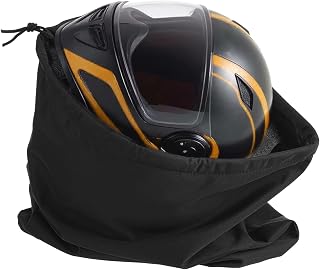
Sorcristy Large Capacity Drawstring Bag
Check PriceThe single best habit you can build is storing your helmet inside a protective bag. A good bag shields the hood from dust, grinding debris, and accidental bumps when you move your gear. It also keeps the lens from rubbing against tools and consumables. Many premium helmet bags have soft internal linings, external pockets for spare lenses, and sturdy handles. You can explore different options by checking out quality welding helmet bags that match your specific hood size and style. A bag is a one-time purchase that can add years of life to a $400 auto-darkening helmet.
How to Position the Helmet Inside the Bag
Always place the helmet so the lens faces away from any hard objects you might store alongside it. If the bag has a dedicated padded divider, use it. Keep spare cover lenses in a separate pocket. Do not force the hood into a bag that is too small, you risk warping the headgear or cracking the pivot points. When you lay the bag down, make sure nothing heavy is stacked on top of it. A helmet crushed under a bucket of rods will never sit right again.
Storing Auto-Darkening vs. Passive Welding Helmets
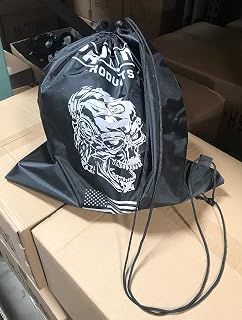
New Bag for Auto Darkening Welding Helmet Hood Mask
Check PriceThe core principles are the same, but each type has some specific needs. A passive helmet with a fixed shade lens is more forgiving because there is no electronics. However, the glass filter is still fragile. Auto-darkening helmets require extra care because the electronics and sensors must stay clean and dry.
- Passive helmet: Focus on protecting the flip-up lens from scratches. A simple lens cover protector can help. Store flat or in a bag, ensure the headgear does not get bent backward for weeks.
- Auto-darkening helmet: Remove batteries for long breaks, store in a dry environment, and avoid strong magnetic fields that could affect the electronics. Always let the helmet return to room temperature before powering it on if it was in a cold vehicle.
For both, following the manufacturer’s helmet care guidelines is wise because every model has slight differences in lens cleaning and shock resistance. Even high-end helmets fail fast when stored in the wrong conditions.
Common Storage Mistakes That Ruin Helmets
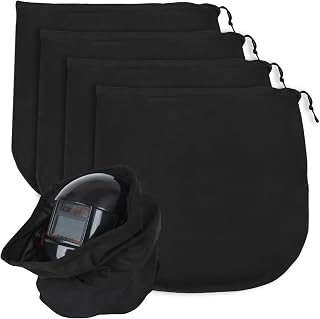
4 Pcs Welding Helmet Bag with Drawstring Locking
Check PriceI have watched beginners make the same expensive errors over and over. If you avoid these, you are already ahead of most welders. The first mistake is hanging the helmet by the headgear on a pegboard hook. Over time, the weight stretches the suspension and deforms the adjustment mechanism. The helmet loses its snug fit, and you end up tightening it constantly while trying to weld.
Another classic blunder is storing a helmet face-down on a gritty workbench. One slide of the shell across metal dust grinds a permanent haze into the front lens. Also, do not stash your hood near welding fumes, paint solvents, or chemical storage cabinets. Vapors can etch the lens and degrade the rubbery seal around the filter. And never toss an auto-darkening helmet into a gang box with heavy power tools bouncing around. The impact can crack the liquid crystal layer invisibly, causing a delay in darkening that you will only notice during a weld.
Long-Term Storage Tips for the Off-Season
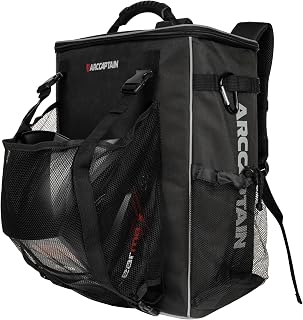
ARCCAPTAIN Welding Tool Bag Backpack
Check PriceIf you take a break from welding for several months, a few extra precautions will protect your gear. Clean everything thoroughly, as discussed. Remove batteries. Wrap the helmet in a soft, lint-free cloth before placing it in the bag. Store the bag in a cool, dry closet inside your home rather than the shop. This keeps the humidity low and temperature swings minimal. Loosen the headgear ratchet to relieve tension on the plastic parts.
Check the manufacturer’s recommendation for solar-powered auto-darkening helmets. Some benefit from a brief exposure to light every few months to keep the internal capacitors in good health. A quick five-minute charge in indirect sunlight works. But never leave the helmet in direct sun for hours, you only need enough to wake up the circuit, not bake the shell. When you come back to welding, replace the cover lens if it has any scratches at all. A fresh lens gives you the clearest view and costs only a couple of dollars.
Frequently Asked Questions
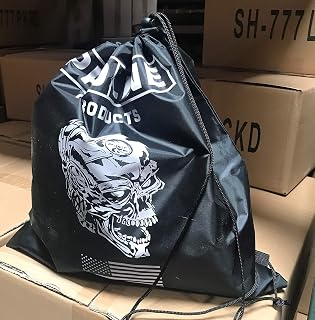
Welding Skull Helmet Storage Bag
Check PriceCan I store my welding helmet in a cold garage?
It is not recommended, especially for auto-darkening models. Cold temperatures can make the liquid crystal sluggish and condensation can fry the electronics. If you must, keep the helmet in an insulated bag with desiccant packs and bring it inside to warm up gradually before use.
How often should I clean my helmet before storing it?
Clean the cover lens after every welding session. Dust and spatter can harden and become difficult to remove later. At the very least, blow off the dust and wipe the lens with a dry microfiber cloth. Deep clean the headgear and replace the inside cover lens monthly if you weld daily.
Is it bad to hang my helmet by the headgear?
Yes. Hanging the helmet stretches the suspension ratchet and can permanently distort the fit. Instead, place the helmet on a flat shelf or inside a bag where the weight rests on the shell, not the headband.
Can I store spare lenses inside the helmet?
Avoid placing hard plastic lenses directly against the auto-darkening cartridge. Over time, vibration and temperature shifts can cause micro-scratches. Store extra lenses in a separate pocket of your helmet bag or in a padded sleeve.
Does a passive helmet need a bag too?
Absolutely. While passive helmets lack electronics, the glass lens is still susceptible to scratches and cracks. A bag keeps the lens clear and protects the hood’s finish, making your gear last years longer.
Conclusion
Learning how to store a welding helmet properly is a simple routine that pays off every time you flip your hood down. Clean the lenses, remove batteries for long breaks, and always keep the helmet in a dry, temperature-stable place. Use a dedicated bag, avoid hanging it by the headgear, and never let the shell rest on a gritty surface. These small habits prevent fogged sensors, dead batteries, and scratched lenses that ruin your view. Treat your helmet like the precision safety tool it is, and it will protect your eyes day after day without letting you down.