Finding the right pair of boots is just as critical as selecting a quality welding helmet. Your feet are constantly exposed to molten metal sparks, heavy falling objects, and extreme radiant heat. If you are asking what boots are good for welding, the answer goes beyond just buying a steel toe. You need footwear specifically designed to handle the unique hazards of a fabrication shop or a pipeline job site.
Standard construction boots often fail in a high-heat environment. The stitching melts, the soles degrade, and the leather shrinks. This guide walks you through every safety feature, material, and design element that separates a regular boot from a reliable welding boot. You will learn how to protect your feet without sacrificing all-day comfort.
Table of Contents
Why Foot Protection Matters for Welders
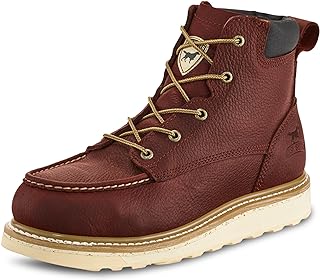
Irish Setter Ashby Aluminum Toe Work Boot, Water Resistant & Lightweight
Check PriceWelding ranks among the most hazardous trades. While most beginners focus on eye and hand protection, foot injuries are alarmingly common. A single stray spark can cause a severe burn, and a dropped plate of steel can cause crush injuries that end a career instantly. Understanding what boots are good for welding means respecting these risks.
The workshop floor is a battlefield of sharp metal scraps, hot slag, and heavy machinery. Investing in proper protection is not a place to cut corners. The right boots provide a stable foundation, reduce fatigue, and allow you to focus entirely on producing a clean, strong weld puddle.
Common Foot Injuries in Welding
Before discussing features, you need to know what you are fighting against. Thermal burns are the most obvious threat. Hot slag can fall directly onto the vamp of the boot, burning through cheap synthetic fabrics instantly. High-quality leather resists this burn-through long enough for you to shake the debris off.
Crush injuries from falling materials are equally dangerous. Even a thin sheet of metal can sever unprotected toes. Spatter and sparks can also enter the boot through the tongue or lace eyelets, causing deep, painful burns that are hard to heal. Furthermore, welders often stand on concrete for ten-hour shifts, leading to chronic foot pain if arch support is neglected.
Key Features That Make a Boot Good for Welding
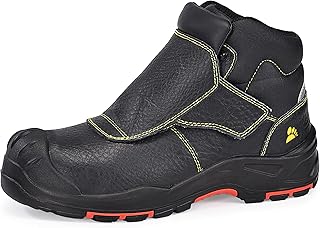
SAFETOE Welding Boots for Men, Composite Toe Safety Boot
Check PriceWhen determining what boots are good for welding, you cannot rely on vague marketing terms. You must look for specific, verifiable safety ratings and design elements. A boot that excels at welding must balance thermal protection, impact resistance, and electrical insulation. If a boot lacks any of these core features, it simply is not suited to stick, MIG, or TIG welding work.
Heat Resistance and Metatarsal Guards
The most critical identifier of a welding boot is its ability to withstand heat. The sole must be stitched or welted, not glued. Glue melts at high temperatures, causing the sole to delaminate. A Goodyear welt construction is the gold standard, as the stitching keeps the boot intact even if the surface chars slightly.
Metatarsal guards provide an extra layer of protection over the laces and the top of the foot. These can be internal, made of flexible materials like Poron XRD, or external, made of hinged heavy-duty plastic. While external guards look bulky, they shed molten metal instantly and are practically required for heavy fabrication and overhead welding tasks.
Slip-Resistant and Oil-Resistant Soles
Workshop floors are often coated in grease, cutting oil, and metal dust. A deep tread pattern rated for slip resistance is vital. Look for outsoles made of rubber or special polyurethane blends that remain flexible even in cold conditions. If the sole hardens over time, it loses grip.
Oil resistance is also non-negotiable. Petroleum-based products will break down standard rubber quickly, causing cracking and cupping. A boot that absorbs oil becomes slippery and dangerous. Leading manufacturers stamp their soles with an oil-resistance rating, ensuring long-term durability in a mechanic’s or welder’s bay.
Steel Toe vs Composite Safety Toe
The debate between steel and composite toes is strong among professionals. Steel toes offer the highest level of crush protection and are generally more affordable. However, steel conducts heat. If a heavy piece of hot slag is trapped against the steel cap, heat can transfer inward, making your foot feel like it’s in an oven.
Composite toes, made of carbon fiber or Kevlar, do not conduct heat or electricity. They are lighter, which reduces leg fatigue over a long day. For pure welding, a composite toe is often the better choice because it eliminates the risk of thermal conductivity. It also passes through metal detectors easily if you work in a facility with strict security.
Electrical Hazard (EH) Protection
Welders constantly work with high-amperage equipment. A dry, well-maintained boot provides a secondary layer of insulation against accidental electric shock. The Electrical Hazard rating means the boot can withstand 18,000 volts of open circuit for 60 seconds without allowing current to pass through to the ground.
This does not make you invincible, of course. You must still follow proper grounding procedures for your machine. But if you kneel on a live stinger or step on a frayed cable, an EH-rated boot can prevent a serious, if not fatal, outcome. This feature is a hallmark of what boots are good for welding in any professional setting.
Comfort and Ankle Support
A boot that protects you but leaves your feet aching by lunchtime is not a good boot. Look for deep, cushioned insoles, preferably with a shank for arch support. A defined heel, often found on logger-style boots, helps grip ladder rungs and prevents slippage when climbing onto large weldments.
Ankle support is critical when navigating cluttered floors. A higher shaft, usually 8 to 10 inches, stops welding sparks from entering the top of the boot. It also stabilizes your ankle if you step on a piece of round stock. Lace-up boots offer a tighter fit, while pull-on Wellington styles are easier to kick off quickly if a spark finds its way inside. To see a curated list of the most comfortable and protective models currently available, consult our detailed guide on the best-rated welding boots.
Types of Boots Best Suited for Welding
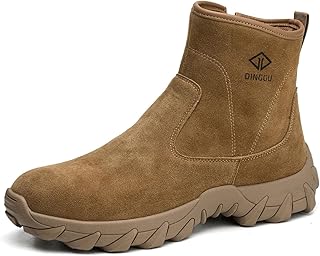
DINGGU Steel Toe Welding Work Boots, 100% Leather Slip-On
Check PriceNot all safety boots are created equal. The style of the boot greatly affects its performance in different welding scenarios. Choosing the wrong type can leave sensitive areas of your foot exposed. Understanding these categories will help you match the footwear to the job.
Pull-On vs Lace-Up Welding Boots
Pull-on Wellington boots are incredibly popular among pipeline welders and rig hands. They have no laces, which means there are no frayed strings to catch sparks. They are also fast to put on and take off. The downside is a slightly looser fit, which can cause chafing if you walk long distances.
Lace-up boots offer a locked-in fit and superior ankle stability. You can tighten them precisely to your foot’s unique shape. However, the laces are a fire risk. You must opt for Kevlar or flame-resistant laces. Metatarsal guards draped over the laces are essential here, or you must wear pants that fully cover the boot tongue.
Leather Welding Boots
Leather is the only acceptable material for the upper of a welding boot. Synthetic mesh will go up in flames instantly. Top-grain or full-grain leather offers the best durability and spark resistance. Avoid suede or roughout leather unless it is specifically treated for fire resistance, as it can trap tiny metal spatter balls that burn into the material.
Thick leather, ranging from 2.2mm to 3.0mm, provides a crucial layer of insulation. It resists burn-through long enough to protect your skin. Over time, the leather will form a patina and may get scarred by spatter, but a quality leather boot can last for years if cleaned and oiled regularly to prevent drying and cracking.
Specifically Designed Foundry Boots
For the most extreme environments, such as foundries or heavy smelting operations, standard leather boots are not enough. Foundry boots feature a quick-release design, often elastic side panels or a specialized strap. This allows the wearer to kick the boot off in seconds if hot slag pours inside.
These boots use a seamless leather apron that wraps high up the calf. They often have raised, anti-slip heels and wooden soles historically, though modern versions use specially formulated silicone to prevent slipping on hot, dusty surfaces. If you are working with molten metal pours, this specific subtype is the answer to what boots are good for welding at that intensity.
How to Choose the Right Welding Boots for Your Specific Environment
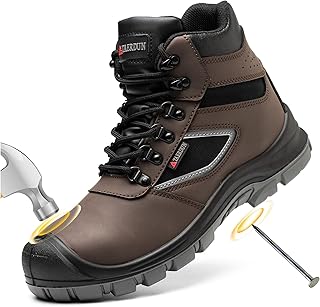
TAERDUN Steel Toe Lace-Up Work Boots, Waterproof Welding Shoes
Check PriceYour specific welding process directly dictates the level of protection required. A hobbyist TIG welding in a clean garage faces different threats than a MIG welder in a structural steel shop. Reading the environment is just as important as reading the boot’s spec sheet.
Match the Boot to the Welding Process
Stick welding and flux-core arc welding produce the most spatter. This heavy, large-droplet spatter bounces and rolls across the floor. You need a boot with a solid leather vamp, no exposed stitching on the toe, and ideally a metatarsal guard. Spatter can pool in the crevice of a moc-toe design, so flat, smooth toes are safer.
TIG welding produces almost no spatter, offering more flexibility. You still need heat and crush resistance, but you can prioritize fit and dexterity. A simple lace-up composite toe boot often works fine here, though a pull-on eliminates the rare risk of a flinch spatter getting into the lace eyelet. Regardless of the process, welding hazards can be severe, so never treat footwear as an optional extra.
Fit, Break-In, and Long-Term Care
Even the best safety features are useless if the boots hurt too much to wear. Buy welding boots in the afternoon when your feet are slightly swollen from the day’s activity. Wear thick wool or flame-resistant welding socks, not thin cotton athletic socks. A thumb’s width of space at the toe is essential to prevent bruising when kneeling.
Quality leather boots require a break-in period. Do not expect soft comfort right out of the box. Condition the leather with a heat-resistant balm to soften it, but avoid oil-based conditioners that make the leather flammable. Inspect the soles regularly for glass-like burn spots and replace the boots if the steel toe becomes exposed through the leather.
Frequently Asked Questions About Welding Boots
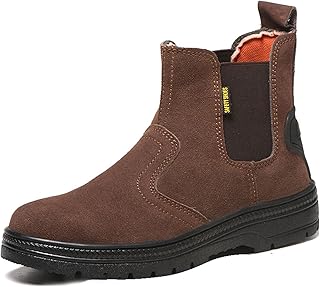
GUBANGDUN Slip-on Steel Toe Welding Work Shoes, Industrial Construction
Check PriceCan I use regular work boots for welding?
Regular work boots are not recommended. Standard boots often use nylon mesh panels, glued soles, and plastic eyelets. These materials melt, burn, or trap molten metal. Welding boots are constructed with heat-resistant stitching, leather uppers, and defined ratings for electrical hazard and heat resistance. Using the wrong boots puts you at immediate risk of burn injuries.
What is the best height for welding boots?
A 8-inch to 10-inch shaft height is ideal. This covers the ankle completely and prevents sparks from entering the top of the boot. Low-cut 6-inch shoes leave a gap between the boot collar and your pant leg, which is a direct entry point for hot spatter. Taller boots also support the lower leg when standing for long hours.
Do I absolutely need metatarsal guards for welding?
If you are frequently crouching, kneeling, or performing overhead welding, metatarsal guards are highly recommended. The laces and tongue area are the most vulnerable parts of the boot. A heavy glob of slag tends to land directly on the instep, burning straight through standard leather. Internal guards offer flexibility, while external guards offer maximum thermal shedding capability.
How often should I replace my welding boots?
Most professional welders replace their boots every 8 to 12 months if they are working full-time. You should retire them immediately if the leather upper has deep cuts exposing the safety toe, if the sole tread is worn completely smooth, or if the EH rating is compromised by water saturation or structural damage. Always inspect your footwear each morning before starting work, following OSHA’s foot protection standards for compliance.
Step Into Safety With the Right Welding Boots
Determining what boots are good for welding comes down to prioritizing safety over style, and insulation over price. Look for a tall, lace-up or pull-on leather boot with a composite toe, an EH rating, and a goodyear welt construction. These features create a shield that protects you from crushing weight, third-degree burns, and ground-level electrical threats.
Do not wait for a slug of molten steel to drop onto your foot before you appreciate proper footwear. Invest in boots built for sparks, not just for sidewalks. Your feet carry you through every weld. Give them the armor they deserve, stay comfortable, and keep your focus on laying down perfect beads.