Walking into a fabrication shop and seeing a welder strike an arc without a respirator is still a common sight. But the question should you wear a respirator when welding is one that every beginner asks, and the answer matters more than most people realize. Welding fumes are not harmless smoke, they are a concentrated mixture of metallic vapors, toxic gases, and ultrafine particles that settle deep inside your lungs. If you weld regularly, ignoring respiratory protection is a gamble with long-term health consequences. This guide breaks down exactly when you need a respirator, what the actual risks are, and how to pick the right protection without sacrificing comfort or visibility.
Table of Contents
Why Welding Fumes Are a Serious Health Risk
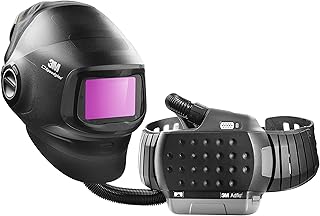
3M Speedglas Welding Helmet G5-01 with ADF and High-Altitude PAPR Assembly | G5-01TW ADF, Adflo PAPR, Bluetooth, Natural Color Technology, 46-1101-30i
Check PriceMany hobbyists assume that occasional welding in an open garage is harmless. The reality is that the fume plume rising from the arc contains a complex mixture of materials that change depending on the base metal, filler rod, coatings, and shielding gas. The particles are so small, often less than one micron, that they bypass the upper airways and settle in the deepest parts of the lung. Over time, this exposure causes inflammation, scarring, and reduced lung capacity. Even if you feel fine now, the damage accumulates silently.
What Exactly Is in Welding Fume?
When you weld mild steel, the fume contains iron oxide, manganese, and small amounts of other alloying elements. Stainless steel welding adds hexavalent chromium and nickel, both of which are known carcinogens. Galvanized steel releases zinc oxide fumes that cause metal fume fever, a flu-like illness that hits hours after exposure. Aluminum welding generates aluminum oxide and ozone. Each of these substances has its own toxicological profile, and together they create a workplace hazard that you should never ignore.
Short-Term vs. Long-Term Health Effects of Welding Without a Respirator

Miller ML00894 Lpr-100 Respirator W/Filters
Check PriceIt is tempting to think that feeling a little dizzy or developing a cough after a heavy day of welding is just part of the job. Those short-term symptoms are your body warning you that something is wrong. The real problem appears years later, when chronic conditions surface. Understanding both immediate and delayed effects makes the decision to wear a respirator much easier.
Acute Exposure Symptoms
After welding without a respirator, you might notice a metallic taste in your mouth, throat irritation, or a tight chest. Some welders experience nausea and headaches, especially when working with stainless steel or in confined spaces. Metal fume fever, often called Monday morning fever, can mimic a severe cold with chills, body aches, and fatigue. These symptoms typically resolve within 24 to 48 hours, but they signal that your body has absorbed a dangerous dose of metal fumes.
Chronic Illnesses Linked to Welding Fumes
Long-term welders face elevated risks of chronic obstructive pulmonary disease, asthma, and lung fibrosis. The International Agency for Research on Cancer classifies welding fumes as a Group 1 carcinogen, meaning there is sufficient evidence that they cause lung cancer in humans. Manganese exposure from welding electrodes has been linked to neurological symptoms similar to Parkinson’s disease. Kidney damage and cardiovascular problems also appear in studies of career welders. These outcomes are not inevitable, they are largely preventable with proper respiratory protection.
OSHA and NIOSH Guidelines: When Is a Respirator Required?

ANDELI Welding Helmet with Respirator,99.95% PAPR Filtration Efficiency Panoramic 180° Large Viewing Powered Air Purifying Respirator Auto Darkening Welding Helmet with Light
Check PriceMany welders wonder if there is a legal threshold that forces them to wear a respirator. Occupational Safety and Health Administration standards set permissible exposure limits for various metals and gases. In a typical shop, it is very easy to exceed these limits, especially when welding indoors. If engineering controls like local exhaust ventilation cannot keep airborne concentrations below the permissible exposure limit, OSHA requires employers to provide respirators and enforce a written respiratory protection program. Even if you work for yourself, following these same standards protects your health.
NIOSH, the National Institute for Occupational Safety and Health, recommends wearing respiratory protection whenever welding fumes are present, regardless of the measured concentration. Their position is simple: any exposure to carcinogenic fumes should be minimized as much as possible. For anyone welding galvanized steel, stainless steel, or alloys containing cadmium, a respirator becomes mandatory rather than optional. Always look for a NIOSH-approved respirator, as recommended by the National Institute for Occupational Safety and Health.
Types of Respirators for Welding

3M Half Facepiece 6391 Respirator Kit
Check PriceChoosing the right respirator can feel overwhelming because there are several distinct categories. Each type offers a different balance of protection, comfort, and cost. The best choice for you depends on the materials you weld, how many hours you spend under the hood, and whether you wear a beard or other facial hair.
Disposable Filtering Facepiece (N95/N99)
A disposable filtering facepiece respirator, commonly called a dust mask, is the most minimal form of protection. For welding, you need a mask classified as N95 or higher that carries a NIOSH approval. These masks filter out solid particulates but do not remove gases or vapors. A standard N95 can reduce the amount of metal fume particles you inhale, but it offers zero protection against ozone, nitrogen oxides, or organic vapors from paints and solvents. Many flat-fold or cup-shaped N95 masks also fit poorly under a welding helmet, breaking the seal and rendering them ineffective.
If you only weld clean, uncoated mild steel outdoors with plenty of natural ventilation, an N99 disposable respirator may be better than nothing. Still, it is the bare minimum and not recommended for regular indoor work. The moment you encounter any coating or alloy, you need a more robust solution. For a list of reliable options, read our guide on top-rated welding respirators.
Half-Face Reusable Respirator
A half-face elastomeric respirator with replaceable cartridges is the workhorse for many professional welders. It covers the nose and mouth and uses a silicone or rubber facepiece that seals tightly against the skin. You can load it with P100 particulate filters for metal fumes and add a nuisance-level organic vapor cartridge if needed. The low profile of many half-face respirators allows them to fit comfortably under a standard welding helmet, and exhaled air is directed downward away from the lens, reducing fogging.
Fit testing is essential with this type. Even the best half-mask respirator will leak if you have facial hair anywhere along the sealing surface. Most users find the breathing resistance manageable, and the replacement filter cost stays low over time. This is the minimum I recommend for anyone welding stainless steel, galvanized steel, or spending more than an hour a day at the arc.
Full-Face Respirator and PAPR Systems
A full-face respirator combines eye and face protection with lung protection in one unit. While it offers excellent coverage, it can be bulky and may interfere with some welding helmet designs. The powered air-purifying respirator, or PAPR, takes protection to the next level by using a battery-powered blower to pull air through filters and deliver a constant stream of clean air into a loose-fitting hood or helmet. PAPR systems offer the highest protection factor and are especially valuable when welding alloys that produce hexavalent chromium or when working in confined spaces with poor ventilation.
The downside is cost and weight. PAPR units can be expensive and require regular maintenance, but for full-time stainless steel welders or those in shipbuilding and heavy fabrication, the investment pays off. If you are comparing a PAPR to a standard respirator, check out our article on PAPR versus traditional welding respirators for a detailed breakdown.
Factors That Influence Your Decision to Wear a Respirator
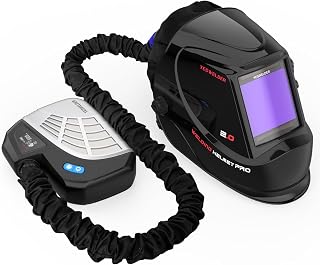
YESWELDER Powered Air Purifying Respirator Auto Darkening Welding Helmet LYG-M800H Welder Hood
Check PriceNot every welding scenario carries the same level of risk. However, leaning toward wearing a respirator in all situations is a habit that will serve your lungs for decades. Certain variables tip the scale heavily toward mandatory respiratory protection.
Welding Process and Base Metals
Stick welding and flux-cored arc welding generate the most fume by volume because the flux itself produces smoke. MIG welding on mild steel creates moderate fume, while TIG welding generally produces the least, but the metal being welded matters more than the process. Welding stainless steel, Inconel, Monel, or any chrome-containing alloy demands a respirator every time. Galvanized and painted surfaces release toxic gases even with minimal heat input. If you cannot identify the alloy, wear a respirator.
Ventilation and Workspace
Working outdoors on a breezy day drastically reduces fume concentration at your breathing zone, but it does not eliminate it. In a garage with the door half open and a box fan running, you still might be inhaling significant particles. Shops with engineered fume extraction arms and general dilution ventilation lower the risk, but extraction systems need to be positioned correctly. If you can smell a sharp, metallic scent while welding, you are breathing the fume, a respirator is non-negotiable.
Duration and Frequency of Welding
The occasional hobbyist who welds ten minutes a month might rationalize skipping a respirator, but even short exposures add up over a lifetime. A professional welder burning rods eight hours a day faces a dramatically higher cumulative dose. Think in terms of total arc time per week. If your hood stays down for more than a couple of hours weekly, investing in a comfortable half-face respirator is one of the smartest decisions you will make.
How to Choose the Right Respirator for Welding

3M Speedglas G5-01 Heavy-Duty Welding Helmet with 3M Adflo PAPR Assembly 46-1101-30TW, G5TW ADF, NIOSH Approved, ANSI Z87.1-2015, Professional Welding Respirator System
Check PriceOnce you accept that you should wear a respirator, the next step is matching the respirator to your working conditions. A poor choice will end up hanging on a hook unused because it is too uncomfortable or does not work with your helmet.
Comfort and Fit Testing
A respirator only works if you wear it correctly every time. Discomfort, pressure points, and breathing resistance are the top reasons welders abandon respiratory protection. Elastomeric half-face masks with adjustable straps and a flexible silicone seal usually offer the best balance of comfort and security. You need to perform a user seal check every time you put it on, and ideally, a formal fit test should confirm the size and model suit your face shape. No respirator will seal properly over a beard, even heavy stubble breaks the seal.
Compatibility with a Welding Helmet
The most protective respirator is worthless if it pushes your helmet up or breaks the seal every time you flip the hood down. Low-profile half-face respirators from brands like 3M, Miller, and GVS are specifically designed to fit under auto-darkening welding helmets. Test the combination by moving your head in all directions, looking up, bending over, and nodding. The helmet should sit fully down without pressing the respirator away from your face. Some welders prefer a flip-front helmet that allows an integrated PAPR hood, solving the clearance issue entirely.
Practical Tips for Using a Respirator While Welding
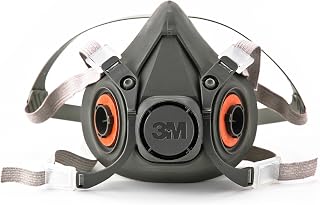
3M Half Facepiece 6300 Reusable Respirator
Check Price- Store your respirator in a sealed bag away from dust and weld spatter when not in use
- Replace particulate filters as soon as breathing resistance increases, or every 30 to 40 hours of arc time
- Clean the facepiece with mild soap and warm water after each shift to prevent skin irritation
- Keep a spare sealed filter set in your toolbox so you are never tempted to weld without protection
- Inspect the exhalation valve and sealing surfaces daily for tears, cracks, or embedded dirt
- If you smell or taste fume while wearing the respirator, leave the area immediately and check the fit or replace the filters
Frequently Asked Questions
Can I just use a regular dust mask for welding?
A plain dust mask without a NIOSH approval is not a respirator and provides almost no protection against metal fumes. Even an approved N95 filtering facepiece protects only against particles, not toxic gases produced during welding. It may be slightly better than nothing for a quick tack weld outdoors, but it is not a substitute for a proper half-face respirator with P100 filters when you are exposed to stainless steel, galvanized coatings, or working in enclosed spaces.
Will a respirator fog up my welding helmet lens?
Many modern half-face respirators have a downward-directed exhalation vent that pushes warm breath away from the helmet lens. This design actually reduces fogging compared to not wearing a respirator, where your breath rises directly into the viewing area. Some welders combine a respirator with an anti-fog wipe on the inside of the cover lens for extra clarity. If fogging persists, check that the respirator’s exhalation valve is clean and functioning properly.
How often should I replace respirator filters for welding?
P100 particulate filters should be replaced when breathing becomes noticeably harder or after roughly 30 to 40 hours of welding exposure, whichever comes first. In heavy fume environments, like flux-core welding in a confined space, you may need to swap them sooner. Always follow the manufacturer’s guidance, and never attempt to clean or blow out particulate filters. Organic vapor cartridges have a shorter service life and must be replaced as soon as you detect any odor breakthrough.
Is it safe to weld galvanized steel without a respirator?
Welding galvanized steel releases zinc oxide fumes that are highly irritating to the respiratory system. Inhaling these fumes can cause acute metal fume fever within hours. Repeated exposure may lead to longer-term lung damage. You absolutely should wear a properly fitted half-face respirator with P100 filters when welding any galvanized material. Many experienced welders also position a fan to pull the white zinc smoke away from their breathing zone.
Do all professional welders wear respirators?
Not all, but adoption is growing rapidly as awareness of long-term health effects increases. In union shops and large industrial sites, respiratory protection is often mandatory and enforced by safety officers. In smaller fabrication shops or among self-employed rig welders, it depends on personal choice. Unfortunately, peer pressure and the tough guy culture still discourage some from wearing a respirator. Professional welders who prioritize their health view a respirator as essential as their helmet and gloves.
Conclusion
If you are still asking yourself should you wear a respirator when welding, the safest answer is yes, every time it is practical. The evidence linking welding fumes to cancer, lung disease, and neurological damage is overwhelming and well-documented. Start with a low-profile, NIOSH-approved half-face respirator that fits comfortably under your welding helmet. Pay attention to the metals you are welding, the ventilation in your workspace, and how your body feels after a session. Upgrading to a PAPR system makes sense for stainless steel and heavy production work. Your lungs will thank you decades from now, long after the weld bead has cooled.