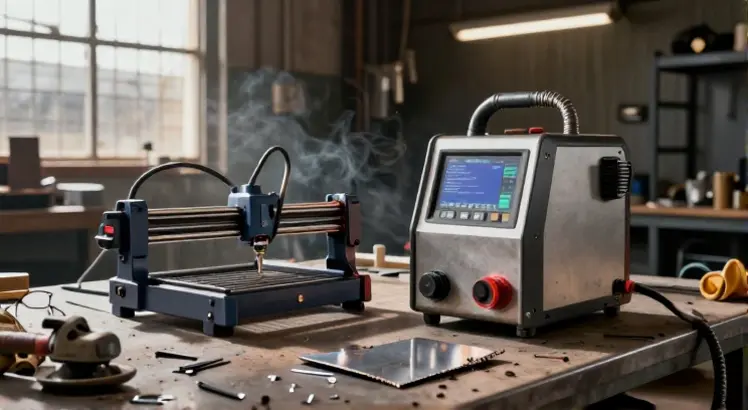
You are standing in the tool aisle, staring at two plasma cutters. One costs $200, the other $2,000. Both claim to cut steel, but you know there has to be a catch. Understanding the differences between a cheap vs expensive plasma cutter can save you hours of frustration, wasted metal, and hundreds of dollars in consumables.
This guide breaks down what you actually get for your money, from cut quality and duty cycle to long-term reliability. Whether you are a weekend warrior repairing a tractor or a fabricator running a small business, you will walk away knowing exactly which machine fits your work.
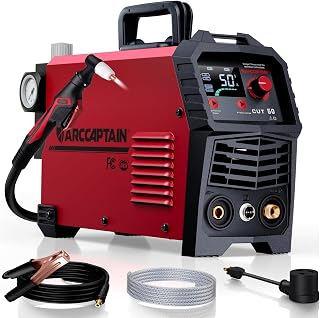
ARCCAPTAIN Plasma Cutter, [Large LED Display] 50Amps Cutter Machine with 110/220V Dual Voltage DC Inverter IGBT 1/2 Inch Clean Cut Post Flow and 2T/4T, for Beginners DIY
Check PriceTable of Contents
Understanding Plasma Cutter Basics
Before comparing price points, it helps to know what is happening inside the torch. A plasma cutter forces compressed air or another gas through a small nozzle at high speed. An electrical arc then heats the gas until it becomes plasma, a superheated, electrically conductive state that slices through conductive metal. The difference between a budget machine and a premium unit often comes down to how elegantly the tool manages that arc and airflow. plasma cutting basics explain that stable arc initiation and consistent gas pressure are the backbone of a clean cut, regardless of brand.
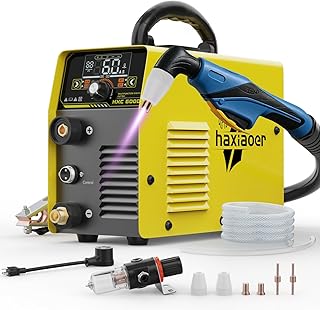
60A Plasma Cutter,110V/220V Dual Voltage High Frequency Contact Arc Cutting Machine,45-60PSI,LED Display,Portable Industrial Metal Cutter for Steel Aluminum Copper DIY & Fabrication
Check PriceAny plasma cutter needs three things: power, air, and consumables. The power supply converts wall current into DC voltage. The air supply, usually from a compressor, blows the molten metal away. Consumables, the electrode, nozzle, swirl ring, and shield cap, wear out with each start and cut. In a cheap vs expensive plasma cutter comparison, every one of these elements is engineered differently, and that difference shows up the moment you pull the trigger.
Key Differences Between Cheap and Expensive Plasma Cutters
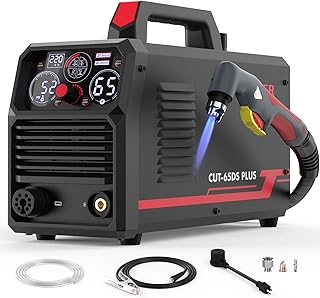
YESWELDER Plasma Cutter, 65Amp 110V/220V Non-High Frequency Non-Touch Pilot Arc 4-In-1 Plate Cutting/Grid Cutting/Gouging/Marking Multifunctional Plasma Cutting Machine CUT-65DS PLUS
Check PricePrice tags vary wildly, but the real story is in the internal components. A machine that lists for $300 rarely shares the same heart as one priced at $1,800. Here is where the compromises are made.
- Cut quality and precision – Clean, square edges versus wavy, beveled cuts.
- Duty cycle – How long the cutter can run before it needs to cool down.
- Consumable life – Cheap nozzles and electrodes erode faster, increasing operating cost.
- Build quality – Plastic clamshell housings versus reinforced metal casing.
- Extra features – Pilot arc, air dryer, CNC interface, digital controls.
- Warranty and support – 90-day limited warranty versus a 3-year or 5-year bumper-to-bumper guarantee.
Cut Quality and Precision
A high-end plasma cutter maintains a narrow kerf and minimal dross, the re-solidified metal that sticks to the underside of the cut. This means less grinding and cleaner edges that fit up without extra beveling. Inexpensive units often struggle with arc stability, especially at the edge of the material. The resulting cut can have a noticeable bevel, and you may spend more time with an angle grinder than with the torch. For sheet metal artists and anyone doing visible fabrication, that surface finish matters. A premium inverter-based machine delivers a smooth, square cut up to its rated capacity, while a cheap transformer-based or poorly filtered inverter cutter may deliver acceptable results only on thinner stock.
Duty Cycle and Continuous Use
Duty cycle is the percentage of a 10-minute period the cutter can run without overheating. A budget portable plasma cutter often boasts a 35% or 40% duty cycle at maximum amperage. In real life, that means cutting for three and a half minutes, then waiting nearly seven minutes.
For occasional brackets, that is fine. But if you are cutting out twelve gussets for a trailer project, the wait becomes maddening. Expensive models, often rated at 60% to 80% duty cycle on the same scale, let you keep the trigger pressed much longer. Some commercial units are rated for 100% duty cycle at reduced amperage, a feature you will appreciate when your guide on how to choose a plasma cutter emphasizes production speed.
Consumable Life and Operating Cost
The hidden cost of a cheap plasma cutter lives in the consumables drawer. Electrodes and nozzles wear quickly when the arc starting mechanism is harsh, when the pilot arc uses unnecessary high-frequency high-voltage starts, or when the air supply is poorly regulated.
Many entry-level machines use a contact start method that drags the electrode across the nozzle, causing faster erosion. In contrast, an expensive plasma cutter often features a blowback start or a high-frequency pilot arc that preserves the electrode. The result is a set of consumables that lasts three or four times longer. Over a year of frequent use, the money saved on a budget machine can evaporate into replacement nozzles and electrodes.
Build Quality and Durability
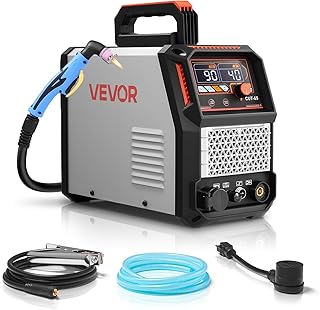
VEVOR Plasma Cutter, 65A Non-Touch Pilot Arc Plasma Cutting Machine, 110V/220V Dual Voltage Digital Display IGBT Inverter – with 2T/4T Function & Adjustable PA/PT Time for Home Repairs, Workshops
Check PricePop open the case, and the differences are stark. Cheap units typically use a single PCB board with minimal heat sinking, housed in lightweight plastic. A tumble off a welding table can crack the housing and knock internal connections loose. Premium cutters encase their electronics in rigid metal frames with cooling fans and heavy-duty torches that survive a drop. The power cord, the ground clamp, and the torch leads on a professional machine feel substantial. During a hot summer day in a busy shop, a well-built plasma cutter with thermal overload protection will simply power through the work, while a cheaper one will trip and frustrate you.
Extra Features: Pilot Arc, Air Dryers, CNC Ports
Features separate the weekend tool from the daily workhorse. A blowback pilot arc allows the torch to cut through painted, rusty, or expanded metal without touching the tip directly to the workpiece. That means no furious scratching to get the arc started and far less nozzle wear. Many inexpensive plasma cutters lack a true pilot arc, limiting their effectiveness on less-than-perfect surfaces.
On the clean air side, expensive machines often include or strongly recommend an integrated moisture filter or desiccant air dryer. Moisture in the air line destroys consumables and makes the cut look ragged. Budget cutters often leave air filtration to you, and many beginners overlook it, causing erratic performance. Additionally, a CNC compatibility port, which lets you connect the cutter to a table for automated cutting, is almost nonexistent on the cheapest models but standard on mid-range and high-end units. For anyone who dreams of building a CNC plasma table, this feature alone justifies a higher price.
Warranty and Customer Support
A 90-day warranty tells you the manufacturer expects the machine to work for three months. A 3-year or 5-year warranty, backed by a US-based service team, says the company stands behind its engineering. If a cheap no-brand cutter fails just outside the return window, you are often stuck with a brick.
Premium brands like Hypertherm, Miller, Lincoln Electric, and even some mid-tier manufacturers maintain service centers and stock replacement parts. That peace of mind is part of the sticker price, but it can save your business a painful halt in production. When your best plasma cutter for home use recommendations include solid warranty support, they are pointing at machines that back up their marketing with real service.
When a Cheap Plasma Cutter Makes Sense
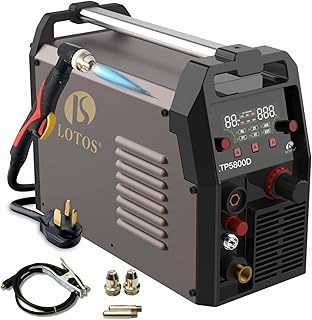
LOTOS LTP5800D 58A Non-Touch Pilot Arc Plasma Cutter 110V/220V | Slices 5/8-inch cleanly through rusty steel sheets | Portable inverter features front pressure gauge
Check PriceThere are plenty of scenarios where a $250 to $400 plasma cutter is exactly the right tool. If you are a hobbyist who cuts 1/8-inch or 3/16-inch steel a few times a month, a budget model will handle your projects without complaint. It is perfect for cutting out a patch panel for a rusty fender, making decorative metal art, or slicing thin angle iron for a small welding table.
A cheap machine is also a reasonable entry point if you are unsure how often you will use a plasma cutter. Many home garages simply do not push a cutter hard enough to expose its weaknesses. Paired with a clean, dry air supply and careful technique, an inexpensive unit can deliver surprisingly decent results.
Budget plasma cutters also excel as grab-and-go tools for sites where you would not dream of taking a premium machine. If a helper might accidentally knock it off a sawhorse, losing a $300 cutter stings less than replacing a $2,000 unit. For the casual user, the savings can go toward better PPE, a better compressor, or a dedicated welding table.
When You Should Invest in an Expensive Plasma Cutter
If you earn money with your torch, the math shifts dramatically. A commercial fabrication shop, a mobile welding rig, or an agricultural repair station where the cutter fires up three hours a day needs a premium machine. The faster cut speed, the longer duty cycle, and the drastically lower consumable cost per foot of cut pay for the price difference within the first year. Reliability is not a luxury when a deadline is breathing down your neck, and calling a customer to apologize for a broken tool is never a pleasant conversation.
Likewise, anyone cutting metal thicker than 1/2 inch should lean toward a higher-end unit. A cheap plasma cutter rated for 1/2 inch severe severance will struggle and leave a nasty edge, while a branded 50-amp or 65-amp machine will make a clean, production-quality cut. Artists and custom fabricators who value a perfectly smooth edge find the upgrade worth every dollar, because the time saved on post-cut grinding is immeasurable. When your work is judged up close, the crispness of the cut reflects on your craftsmanship.
Real-World Cost Breakdown: Cheap vs Expensive Over Time
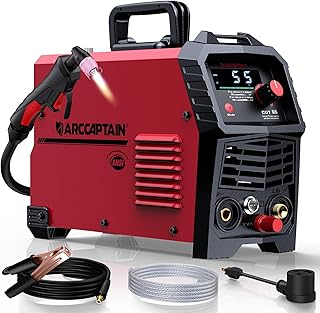
ARCCAPTAIN 55A Plasma Cutter, Large LED Display, Non-Touch Pilot ARC Plasma Cutting Machine, 120/240V Dual Voltage IGBT Inverter, 1/2″ Clean Cut, Post Flow, 2T/4T, for Beginners DIY
Check PriceLet’s put numbers on paper. A typical budget plasma cutter costs $300 and a set of consumables runs $10 to $15, with the electrode needing replacement after about 60 to 80 starts in poor conditions. A mid-range to high-end machine costs $1,200 to $1,800, with consumable sets lasting 200 to 300 starts when the air is clean.
Over a year of moderate daily use, say 400 starts, you might spend $200 to $300 on extra nozzles and electrodes for the cheap cutter, but only $60 to $80 on the expensive one. Add the value of the time lost waiting for the machine to cool down, plus the extra grinder discs spent cleaning up rough edges, and the gap closes quickly. For many, the monthly payment on a quality plasma cutter becomes completely invisible once the productivity gains kick in.
Frequently Asked Questions
Can a cheap plasma cutter cut 1/2 inch steel?
Most budget machines rated for 1/2 inch will sever the metal, but the cut will be slow, ugly, and heavily beveled. Expect significant dross and a jagged edge that requires serious grinding. For clean, production-quality cuts on 1/2 inch plate, you need a higher-quality unit with enough effective amperage and a stable arc.
Do expensive plasma cutters consumables last longer?
Yes, typically far longer. Premium models use refined arc start mechanisms and better airflow designs that reduce electrode erosion. Combined with proper air filtration, a high-end cutter’s consumables can outlast cheap versions by a factor of three or four, which significantly offsets the higher upfront cost.
Is an imported cheap plasma cutter safe?
Many are safe when used with proper safety gear and technique, but build quality varies. Some lack adequate grounding, reliable thermal overload protection, or safe wiring practices. Buy from a reputable retailer with a clear return policy, and always check for certifications like CE or an ETL mark. A defective cheap plasma cutter can be dangerous if internal insulation fails.
What is the best cheap plasma cutter for a home shop?
The answer depends on your metal thickness and workload. Many home users find that a 40-amp or 50-amp unit from a brand with a solid 1-year warranty offers the sweet spot between cost and capability. Our recommendations for the best plasma cutter for home use cover several budget-friendly, reliable machines that perform well on 3/16-inch and 1/4-inch material.
Does a higher price mean a better cut on thin metal?
Not always. On 18-gauge or 16-gauge steel, a cheap cutter can often make a perfectly acceptable cut, especially for non-critical work. The advantages of an expensive machine show up when you need a precise, dross-free edge, minimal heat distortion, or when you cut thicker materials where the arc must stay focused and powerful.
Conclusion
The core truth behind the cheap vs expensive plasma cutter debate is that you get what you pay for, but you must match the tool to the task. A budget plasma cutter is a gateway to a world of faster metal cutting for hobbyists and light duty work, especially if you respect its limits and invest in clean, dry air. An expensive plasma cutter is an investment in speed, precision, and reliability that rewards professionals and serious fabricators every single day.
Be honest about how often you will use the machine, how thick the metal is, and how smooth you need the cut to be. When the math includes consumable costs, grinding time, and downtime, the gap between cheap and expensive shrinks dramatically. Step into your workshop knowing that either path can lead to beautiful projects, as long as you choose with your eyes wide open.