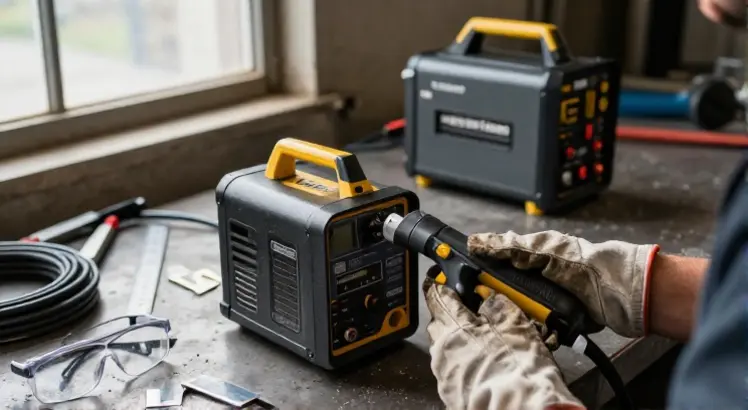
If you’ve ever struggled to cut through thick steel with an angle grinder or an oxy‑fuel torch, you may be wondering how to choose a plasma cutter that meets your specific needs without breaking the bank. Plasma cutters are incredibly versatile tools that slice through conductive metals with speed and precision, but the market is flooded with options, from compact 110‑volt machines to heavy‑duty industrial systems.
Making the wrong choice can lead to frustratingly slow cuts, excessive consumable wear, or a machine that simply can’t handle your everyday projects. This guide breaks down everything from amperage and air requirements to portability and brand reliability, helping you make a confident, informed purchase.
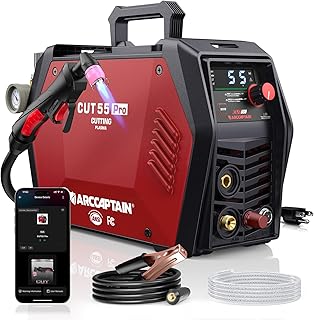
ARCCAPTAIN iControl CUT55 Pro Plasma Cutter
Check PriceTable of Contents
Plasma Cutter Essentials: How the Technology Works
Before diving into specifications, it helps to know what separates plasma cutting from other metalworking methods. A plasma cutter forces compressed air or another gas through a small, electrically charged nozzle. This superheats the gas into a plasma jet that melts the metal while the high‑velocity flow blows away the molten material.
The result is a clean, narrow kerf with minimal slag. Because plasma relies on electrical conductivity, it works on any conductive metal, steel, stainless steel, aluminum, copper, or brass. Unlike oxy‑fuel, which oxidizes iron, plasma can handle non‑ferrous metals with ease, and it doesn’t require preheating. Understanding this fundamental process makes it easier to interpret the specs that matter most.
Key Specifications to Evaluate When Choosing a Plasma Cutter
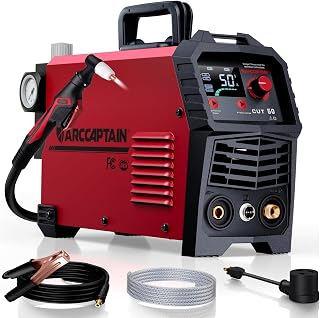
ARCCAPTAIN Plasma Cutter, Dual Voltage 50A
Check PriceShopping for a plasma cutter is similar to picking a welder, amperage, duty cycle, and input power all tell part of the story. However, plasma comes with its own set of critical metrics. Below are the factors you must weigh before clicking “buy.”
Cut Capacity and Material Thickness
Manufacturers advertise two thickness ratings: rated cut and severance cut. The rated cut is the thickness you can cut at a reasonable travel speed, usually around 10 to 20 inches per minute, and what you should use as your daily working limit. The severance cut is the absolute maximum the machine can muscle through, slowly and with a rougher edge. If you regularly fabricate ⅜‑inch mild steel, you don’t want a machine whose rated cut stops at ¼ inch. Always match the rated capacity to your thickest common material, and then give yourself a small cushion.
Beginners often assume they’ll rarely cut thicker stock, only to discover that trailer hitches, brackets, and repair work demand more capability. For home shops, a machine that cleanly slices ½‑inch steel covers most projects without stepping into industrial territory.
Amperage and Operating Voltage
Plasma cutter output is measured in amps, output amperage directly determines how thick you can cut. A 30‑amp unit typically handles ⅜‑inch steel, a 40‑amp machine reaches ½ inch, and 50‑60 amps can sever ⅞ inch or more. Dual‑voltage machines that run on both 110 volts and 220 volts give you flexibility.
On 110‑volt power they’ll operate at reduced output, good for thin sheet metal or field repairs, while 220‑volt delivers full power for heavy cuts. Pay attention to the input power requirement; some 50‑amp models demand a 50‑amp 220‑volt circuit, which may mean upgrading your shop’s electrical panel. For a home garage, a dual‑voltage 40‑amp inverter cutter often hits the sweet spot.
Duty Cycle: How Long You Can Cut
Duty cycle is the percentage of a 10‑minute window the machine can run at a given amperage before it needs to cool down. A 40% duty cycle at 40 amps means you can cut continuously for 4 minutes and then let the unit rest for 6 minutes. Home hobbyists will rarely hit the duty cycle limit, but if you plan on long production runs or CNC table use, a 50% or 60% duty cycle at your working amperage keeps downtime to a minimum. Check the rating at the amps you’ll actually use, not just the maximum output. A machine that boasts 60% at 30 amps might drop to 30% at 50 amps, where you need it most.
Air Supply: Built‑in Compressor vs. External Air
All plasma cutters need a steady flow of clean, dry compressed air. Some smaller units come with a built‑in air compressor, eliminating the need for an external tank. These are convenient for light‑duty portable work, but they usually limit you to thinner material and lower duty cycles because the compressor can’t keep up during long cuts. Most serious cutters require an external air compressor capable of delivering 4 to 8 cubic feet per minute at 70 to 90 pounds per square inch.
If you already own a large compressor, an external‑air machine makes sense. If you want ultimate portability and only cut sheet metal, a model with an integrated compressor saves space. Regardless of your setup, install a good moisture separator. Water in the air line destroys consumables and leaves a rough cut edge.
Start Technology: Pilot Arc vs. High Frequency
There are two common ways plasma cutters initiate the arc. High‑frequency (HF) start uses a high‑voltage spark to ionize the air. It’s reliable and works well on clean metal, but it can interfere with nearby electronics and CNC controllers. Pilot arc start uses a small internal arc that stays lit regardless of whether the torch touches the workpiece.
This design lets you cut through rusty, painted, or expanded metal without losing the arc, and it’s gentler on sensitive electronics. For most hobbyists and professionals using CNC tables or working around computers, a pilot arc machine is worth the extra cost. If budget is tight and you only cut clean steel, HF start still gets the job done.
Torch Quality and Consumable Life
The torch is the part you handle every day, and cheap torches become a headache fast. Look for a torch with a comfortable grip, a long lead, and easily replaceable consumables. Consumables include the electrode, nozzle, swirl ring, and shield cup. Over time, they erode and need swapping. Machines that use common, aftermarket‑friendly consumables cost less to run.
Some brands design torches that protect the nozzle from molten splash‑back during piercing, extending life. When comparing models, factor in the price of a full consumable kit and how quickly you can source replacements locally or online. If you’re cutting rusty scrap, expect to change consumables more frequently, so a machine with an affordable, widely available consumable set makes ownership far less frustrating.
Inverter vs. Transformer‑Based Plasma Cutters
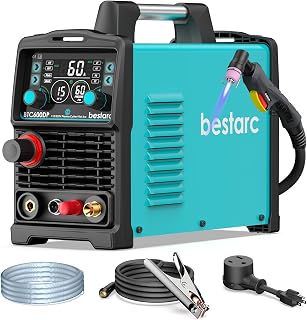
Bestarc 60A Pilot Arc Plasma Cutter
Check PricePlasma cutters come in two main architectures. Transformer‑based machines are older technology, heavy, and robust, often found in industrial shops. They can run for hours at high amperage but are bulky and energy‑hungry. Today, the vast majority of new cutters use inverter technology. Inverters convert AC power to DC through high‑frequency switching, making them far lighter, more energy efficient, and capable of smoother arc characteristics.
A portable inverter unit weighing under 30 pounds can deliver a cutting capacity that previously required a 200‑pound transformer box. Unless you’re running a dedicated, high‑volume fab shop where weight doesn’t matter, an inverter plasma cutter is the clear choice. For a deeper look at how modern electronics improve reliability, the manufacturer’s selection guide explains these technical differences in detail.
Setting a Realistic Budget for a Plasma Cutter
Plasma cutter prices span from under $200 for a no‑name 110‑volt unit to several thousand dollars for an industrial system supported by a CNC table. For a home hobbyist or light automotive work, a quality 40‑amp dual‑voltage machine in the $500 to $1,000 range delivers enough power to tackle ½‑inch steel and comes from a reputable brand with a solid warranty.
Spending less often means sacrificing duty cycle, consumable life, or post‑sale support. If you’re working on a tight budget, our roundup of plasma cutters under $1,000 lists models that balance cost and performance well. On the other hand, if you’re setting up a dedicated home workshop and want a machine that will grow with you, our detailed review of the best plasma cutter for home use highlights user‑friendly options that won’t overwhelm a beginner.
Portability, Weight, and Shop Footprint
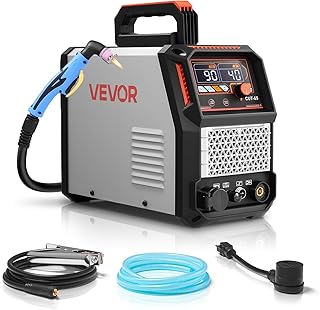
VEVOR 65A Non-Touch Pilot Arc Plasma Cutter
Check PriceThink about where you’ll be cutting. If the plasma cutter will live on a cart in the corner of the garage, a compact inverter unit weighing 20 to 35 pounds is ideal. You can grab it, take it to the project, and stow it away afterward. Mobile repair welders need a machine that slides into a truck box and runs from a generator. In those cases, a dual‑voltage, lightweight inverter with a long torch lead and a carrying strap makes life easy. Whenever possible, handle the machine in person before buying. A cramped torch, a stiff cable, or an awkwardly placed on/off switch will annoy you more than a slightly lower duty cycle.
Brand Reputation, Support, and Warranty
Stick with brands that have a track record. Hypertherm, Miller, Lincoln Electric, ESAB, and Thermal Dynamics dominate the professional space, while names like Lotos, PrimeWeld, and YesWelder have built strong followings in the hobbyist market. A longer warranty, typically three to five years on the power supply, signals the manufacturer’s confidence.
Check not only the warranty length but what it covers and whether you must ship the unit at your expense. Active online communities and readily available technical support matter just as much as the specs on paper. Reading owner forums for a model before you buy can reveal common failure points and hidden strengths that spec sheets never mention.
Special Features and Accessories
Modern plasma cutters often pack bonus features that improve accuracy and ease of use. Automatic voltage compensation adjusts the machine’s internals to handle fluctuating input power, useful when running from a generator. Post‑flow cooling keeps consumables from overheating, extending their life.
A digital display showing amperage and air pressure reduces guesswork. Some torches include a standoff guide that maintains a consistent distance between the tip and the metal, a godsend for beginners who struggle with torch height. While none of these features are essential, they add real value if they fit within your budget.
Common Mistakes When Buying a Plasma Cutter
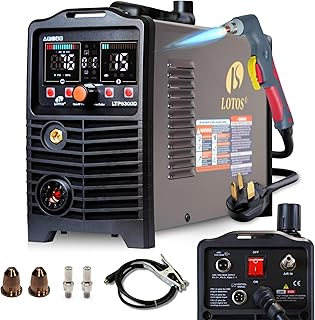
LOTOS LTP6300DCNC 63A CNC Drag-Cut Cutter
Check Price- Buying based on severance thickness rather than rated cut capacity, leading to daily frustration on ordinary jobs.
- Ignoring air supply requirements and discovering your compressor can’t keep up after the first long cut.
- Overlooking consumable cost and availability, because cheap machines sometimes lock you into expensive proprietary consumables.
- Choosing an HF‑start machine for a CNC plasma table and battling constant interference with the controller.
- Neglecting to verify the input plug and breaker size, forcing an unexpected electrical upgrade before you can even power on the unit.
Frequently Asked Questions
What size plasma cutter do I need for ½‑inch steel?
A 40‑amp dual‑voltage plasma cutter with a 220‑volt input will cleanly sever ½‑inch mild steel. Look for a model that lists a rated cut of at least ½ inch, not just a severance rating, for regular work on that thickness.
Can I run a plasma cutter off a generator?
Yes, but you need a generator with sufficient continuous wattage and clean power. Inverter plasma cutters are more sensitive to voltage fluctuations, so a generator with automatic voltage regulation is recommended. Check the cutter’s manual for the minimum required peak surge wattage.
Do I need a separate air dryer?
Absolutely. Even a small in‑line moisture separator mounted right at the plasma cutter prevents water from reaching the torch. Wet air shortens consumable life drastically and leaves a jagged, oxidized cut.
Is a plasma cutter safe for auto body work?
Yes, with the correct technique. Use a low‑amp setting, move quickly, and keep the heat‑affected zone small to prevent warping thin panels. A standoff guide helps maintain a consistent arc length on curving body panels.
Conclusion: Picking the Right Plasma Cutter for Your Work
Learning how to choose a plasma cutter comes down to matching the machine’s capabilities with your most demanding everyday tasks, not the once‑a‑year project. Start by defining your thickest common material and then pick a unit whose rated cut capacity exceeds that by one gauge, ensuring you’ll never push the machine to its limit. Factor in your available power, air supply, and whether portability matters more than raw output.
Reputable brands with solid warranties and widely available consumables pay for themselves in uptime and ease of use. Take the time to handle the torch, check the duty cycle at your working amps, and read feedback from real owners who cut the same kind of stock you do. When you balance these variables honestly, the plasma cutter you bring home will cut clean, run cool, and stay reliable for years.