Welding in industrial or construction settings often means you need more than just a welding hood, you also need certified head protection. The best hard hat for welding lets you mount a welding helmet or face shield securely, handles heat and impact, and still feels comfortable through long shifts.
This guide walks through seven hard‑hat setups that work well with welding helmets, from fully integrated systems to rugged caps with Quick‑Lok mounts. For each one, you will see key specs, honest pros and cons, and who it suits best, followed by a simple buying guide and FAQs to help you choose.
Short Answer: Best Hard Hat for Welding Helmet
For most welders, the best all‑round hard hat to use with a welding helmet is a fiberglass Roughneck cap with Quick‑Lok mounts, such as the Fibre‑Metal P2AQRW Roughneck series. It offers:
- High heat resistance for welding and cutting
- Very tough fiberglass shell for impact protection
- Built‑in Quick‑Lok blocks that make it easy to attach compatible welding helmets and face shields
- Comfortable SuperEight 8‑point suspension for long shifts
If you work in extreme heat (steel mills, foundries, heavy gouging), an MSA Skullgard phenolic cap is one of the best choices for maximum heat protection. If you want a fully integrated solution with no compatibility guessing, a 3M Speedglas welding helmet with built‑in hard hat is a premium option.
Table of Contents
7 Top Hard Hats for Welding Helmets: 2026 Safety and Top Picks
1. 3M Speedglas G5‑03 Pro Welding Helmet with Hard Hat – Integrated Protection for Harsh Environments
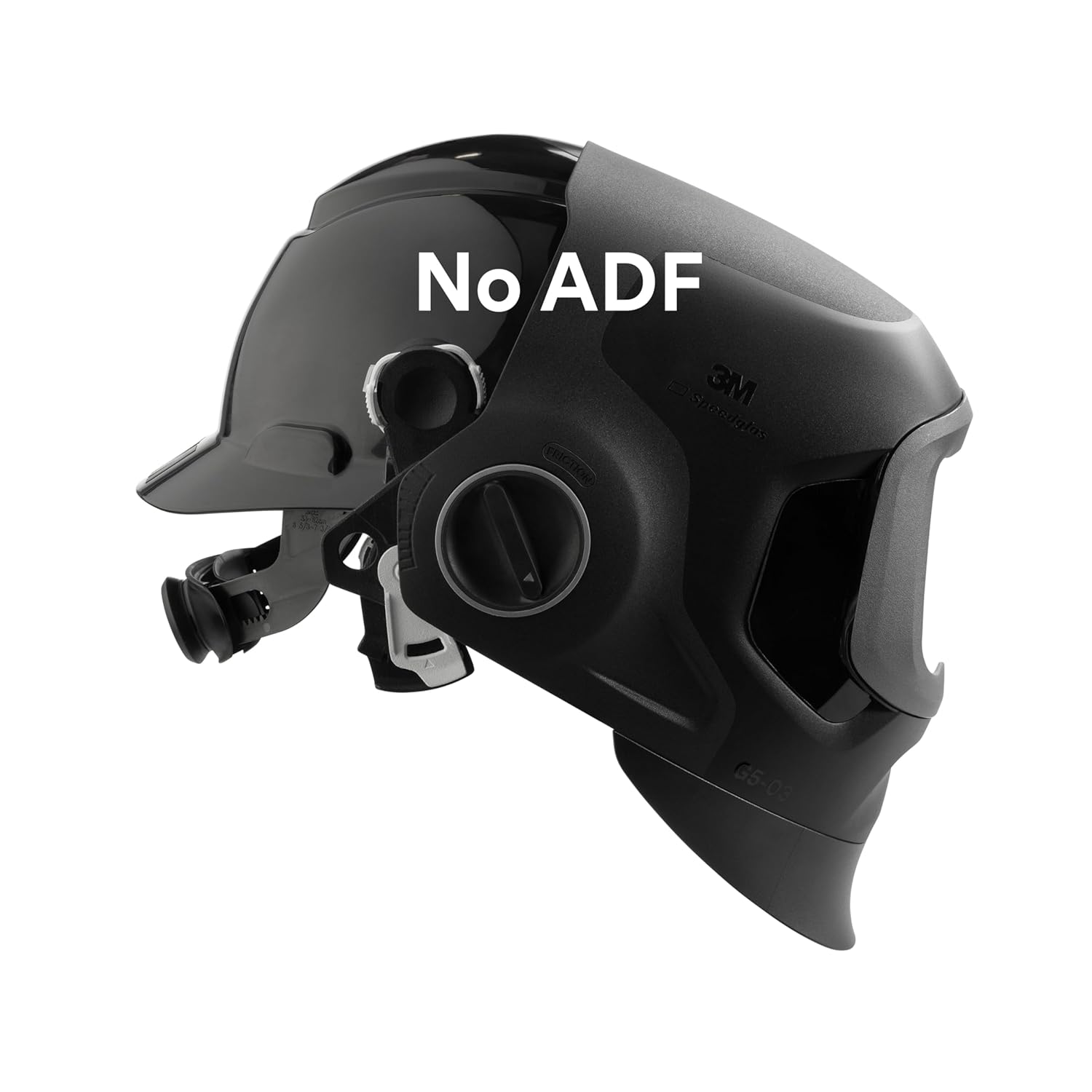
3M Speedglas G5‑03 Pro Welding Helmet with Hard Hat
Heavy‑duty Speedglas welding helmet combined with a certified hard hat shell for all‑in‑one head and eye protection in demanding welding jobs.
Check PriceWhy it stands out
Instead of juggling a separate hard hat and welding hood, this unit integrates both, giving you a compact, balanced system that is already tested and certified together.
Key points
- Speedglas G5‑series helmet mounted on a Type I, ANSI Z89.1‑compliant hard hat
- True‑color auto‑darkening lens (G5 filter, multiple shades with weld, grind, and cut modes)
- Ergonomic, adjustable head suspension for better weight distribution
- Designed for high‑heat, high‑fume industrial welding environments
- Compatible with various 3M accessories (PAPR systems, side shields, etc.)
Pros
- No extra adapters or clips required, factory‑integrated solution
- Very good optics and shade control for multi‑process welding
- Hard hat shell gives impact protection and compliance on construction sites
- Comfortable suspension helps reduce neck strain in long shifts
Cons
- Considerably more expensive than buying just a hard hat
- Heavier than a stand‑alone welding helmet or simple cap
- Less flexibility if you want to swap to another brand of welding hood
Best for
Professional welders in heavy industry, shipyards, and construction who want a premium, all‑in‑one hard hat and welding helmet setup with minimal compatibility headaches.
2. MSA 475395 Skullgard – Phenolic Cap for High‑Heat Welding
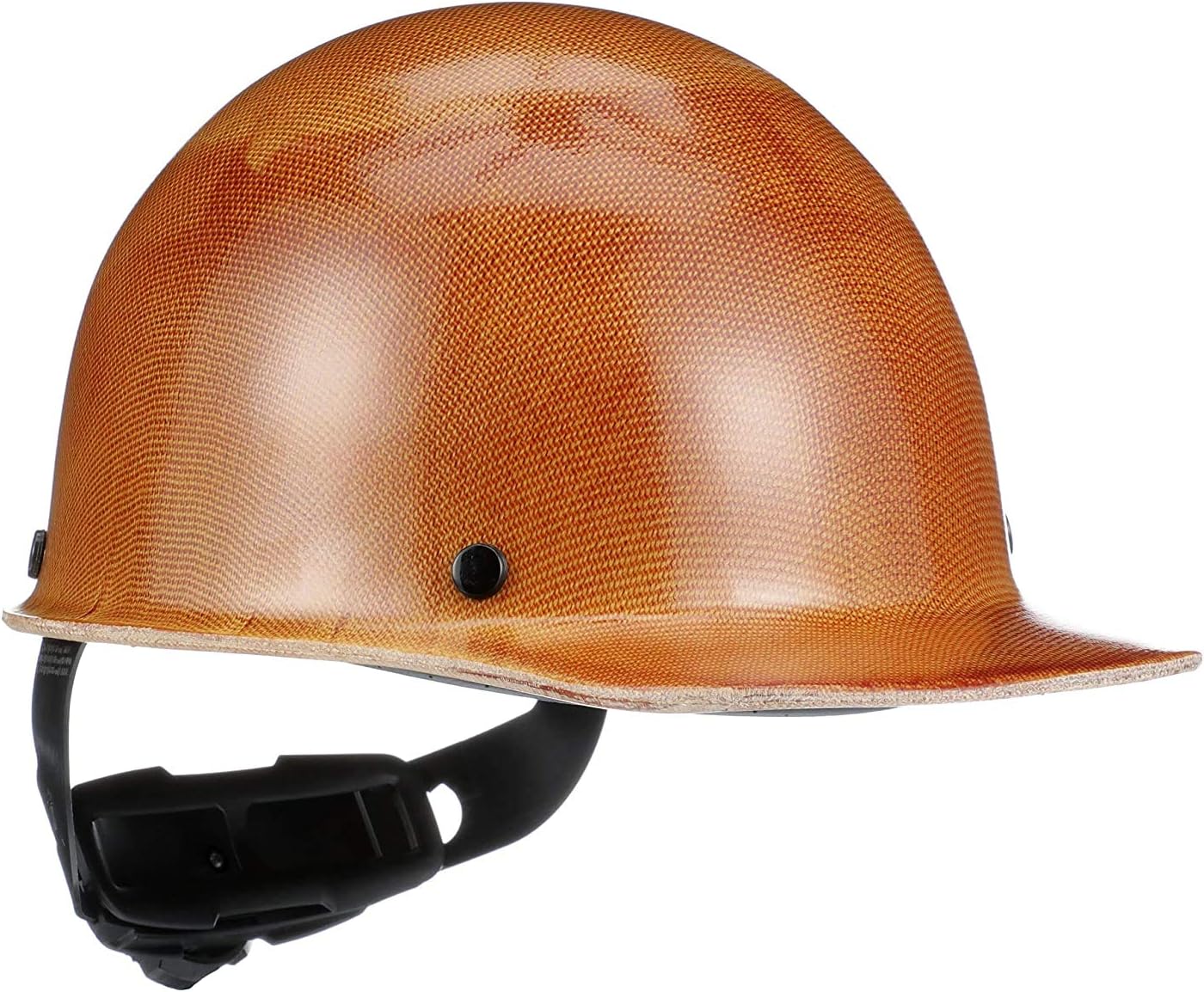
MSA 475395 Skullgard Cap Style Hard Hat
Natural‑tan phenolic hard hat built to withstand radiant heat, with Fas‑Trac III ratchet suspension and a smooth crown suitable for welding adapters.
Check PriceWhy it stands out
Skullgard caps are well‑known in steel mills and heavy fabrication shops for their ability to handle high radiant heat while still offering solid impact protection.
Key points
- Phenolic (fiberglass‑reinforced) shell rated for elevated temperatures (up to around 350 °F)
- ANSI Z89.1 Type I, typically Class G/C/E depending on configuration
- Fas‑Trac III 4‑point ratchet suspension with height and sizing adjustment
- Cap‑style design with smooth crown, works with many welding‑helmet adapters
- Fits head sizes roughly 6½–8
Pros
- Excellent heat performance for hot welding and cutting work
- Very durable shell stands up to rough industrial use
- Comfortable and easily adjustable suspension
- Common and well supported, so accessories and adapters are widely available
Cons
- Heavier than basic thermoplastic hard hats
- Natural‑tan phenolic look may not appeal to everyone
- Costs more than standard polymer caps
Best for
Welders working around furnaces, heavy plate, and high heat who need a tough, long‑lasting hard hat that plays well with most welding helmet adapters.
3. Fibre‑Metal P2AQRW09A000 Roughneck – Fiberglass Cap with Quick‑Lok (Gray)
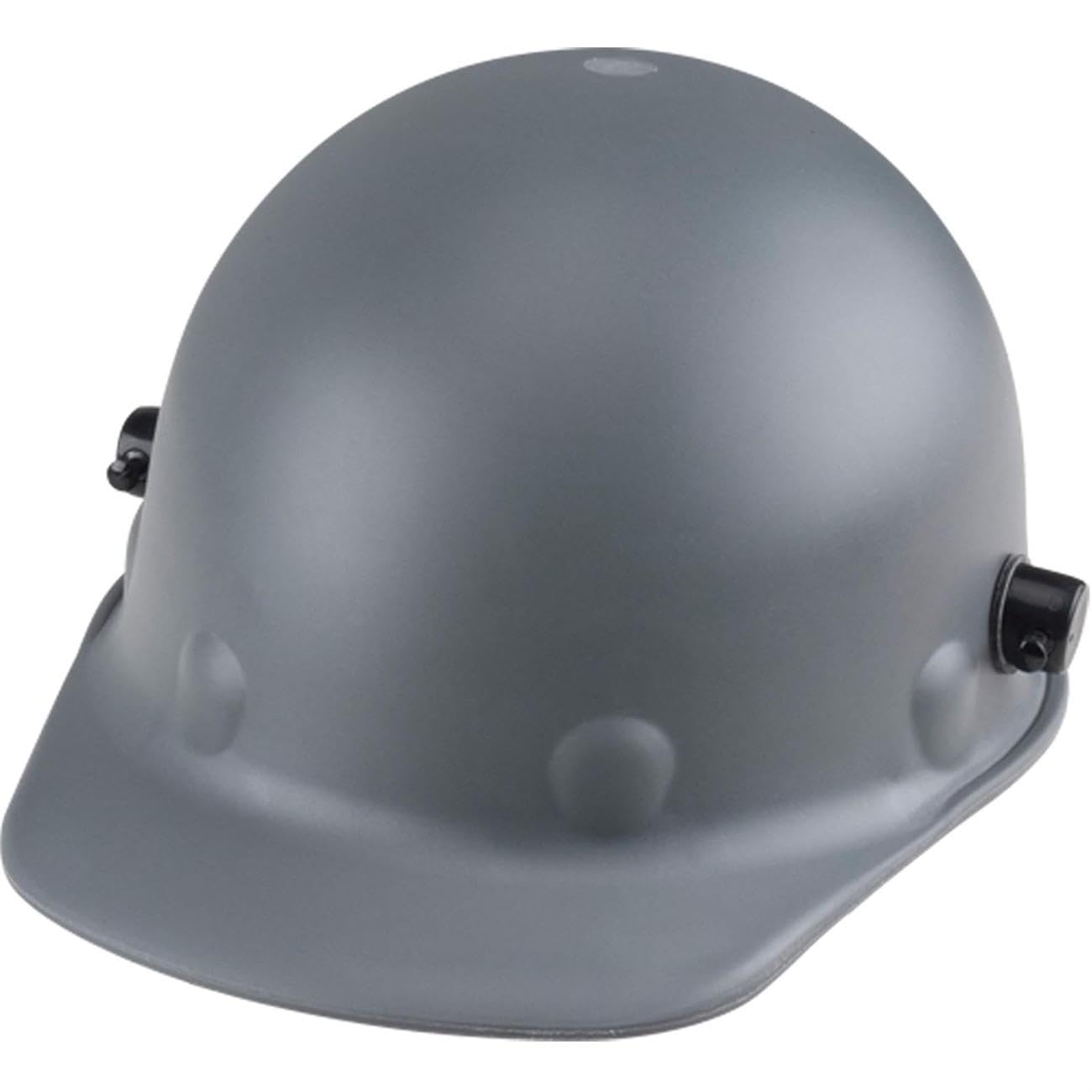
Fibre‑Metal P2AQRW09A000 Roughneck Hard Hat
Gray Roughneck fiberglass cap with SuperEight 8‑point ratchet suspension and built‑in Quick‑Lok blocks for fast welding helmet or face shield attachment.
Check PriceWhy it stands out
Roughneck P2 caps are specifically designed for heavy‑duty work, and the Quick‑Lok system makes it very easy to mount compatible welding helmets and face shields without extra drilling or hardware.
Key points
- Injection‑molded fiberglass cap for high impact and crack resistance
- ANSI Z89.1 Type I, usually Class G/E; also meets CSA Z94.1 in many versions
- SuperEight 8‑point ratchet suspension distributes impact and weight
- Quick‑Lok blocks molded into the shell for attaching welding hoods and shields
- Good heat resistance (often quoted up to around 370 °F by suppliers)
Pros
- Very robust shell suited to tough welding environments
- Quick‑Lok simplifies attaching compatible welding helmets
- 8‑point suspension is stable and comfortable for long wear
- Gray color hides dirt and scuffs better than white
Cons
- A bit heavier than thermoplastic caps
- Accessory compatibility mainly focused on Fibre‑Metal and Quick‑Lok‑ready gear
- Price is higher than basic construction hard hats
Best for
Welders and fitters who regularly switch between welding, grinding, and other tasks and want a hard hat that takes abuse and works cleanly with Quick‑Lok welding helmets.
4. Fibre‑Metal E2RW01A000 SuperEight – Thermoplastic Cap (White)
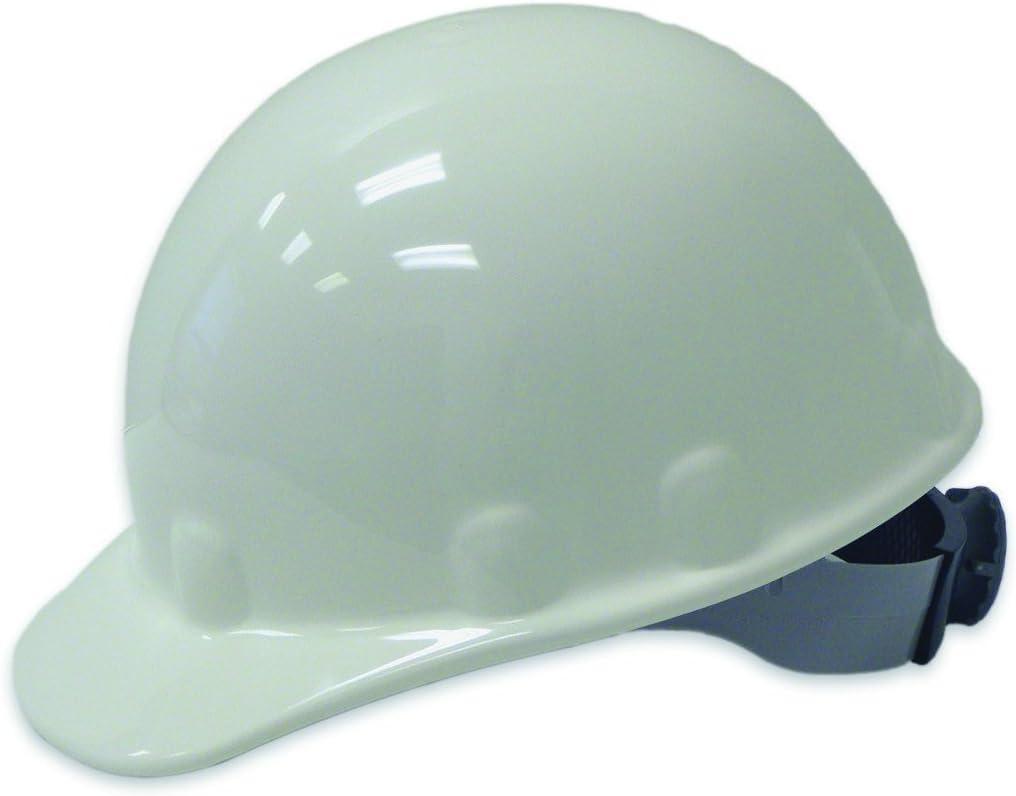
Fibre‑Metal E2RW01A000 SuperEight Hard Hat (White)
White SuperEight thermoplastic cap with 8‑point ratchet suspension, combining light weight, electrical protection, and a smooth dome suited to welding adapters.
Check PriceWhy it stands out
Compared to fiberglass and phenolic options, this E2 series cap is lighter, more affordable, and still offers strong impact and electrical protection, making it a practical everyday choice.
Key points
- Thermoplastic shell with smooth crown for easy cleaning and adapter use
- ANSI Z89.1 Type I, typically Class E for electrical protection
- SuperEight 8‑point ratchet suspension with 3‑R headband
- Cap‑style design compatible with many side‑slot accessories and adapters
- White color reflects heat, helping to keep your head cooler
Pros
- Lighter than most fiberglass and phenolic models
- Good electrical class rating for work near energized equipment
- 8‑point suspension spreads weight and impact nicely
- White finish improves visibility and reflects sunlight and shop heat
Cons
- Not as heat‑resistant as Roughneck fiberglass or Skullgard phenolic caps
- White shows grime and weld soot quickly
- May not feel as rugged in very heavy industrial applications
Best for
Electricians, maintenance welders, and shop workers who need a light, comfortable hard hat with good electrical protection and compatibility with welding helmet adapters.
5. Fibre‑Metal E2QRW11A000 SuperEight – Thermoplastic Cap with Quick‑Lok (Black)
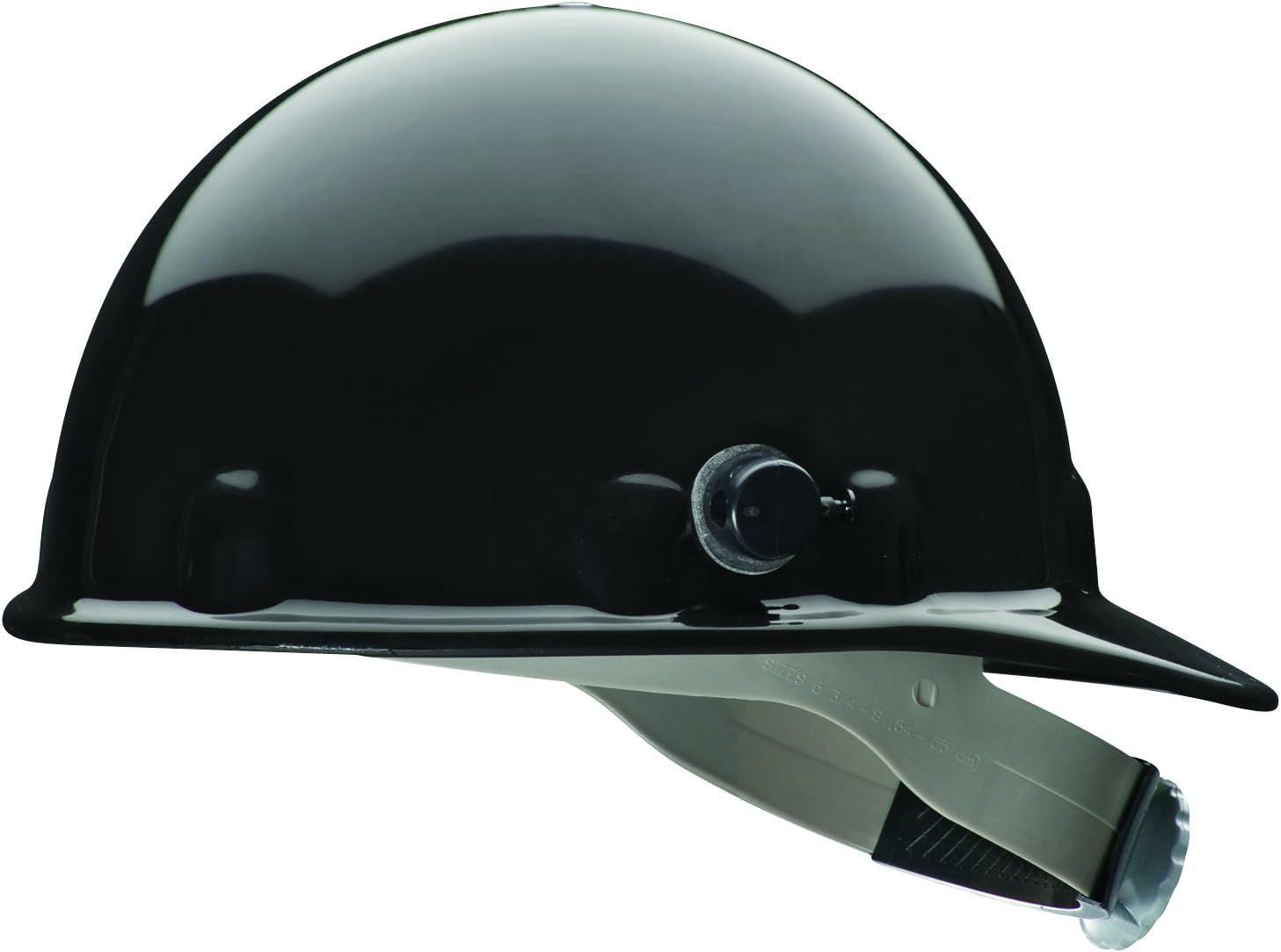
Fibre‑Metal E2QRW11A000 SuperEight Hard Hat (Black)
Black SuperEight thermoplastic hard hat with 8‑point ratchet suspension and Quick‑Lok blocks, mixing comfort, accessory mounting, and a low‑profile look.
Check PriceWhy it stands out
This model blends the lighter weight of thermoplastic with Quick‑Lok attachment, giving you easy welding helmet mounting while keeping overall bulk and weight down.
Key points
- Thermoplastic cap, ANSI Z89.1 Type I, typically Class G/E
- SuperEight 8‑point ratchet suspension
- Integrated Quick‑Lok blocks for Fibre‑Metal welding hoods and shields
- Black color hides scuffs, grime, and welding stains better than light colors
Pros
- Lighter than fiberglass while still rugged for everyday welding
- Quick‑Lok gives you a direct, tidy way to mount compatible welding helmets
- 8‑point suspension helps with comfort on long days
- Professional, low‑maintenance appearance
Cons
- Black shell can get noticeably hotter under direct sun or radiant heat
- Not the best option for extreme heat compared with fiberglass models
- Quick‑Lok is mainly useful if you commit to compatible accessories
Best for
Shop and field welders who want a lighter, versatile hard hat with built‑in hardware for Fibre‑Metal helmets and prefer a darker, less industrial look.
6. Fibre‑Metal P2HNQRW11A000 – High‑Heat Roughneck with Quick‑Lok (Black)
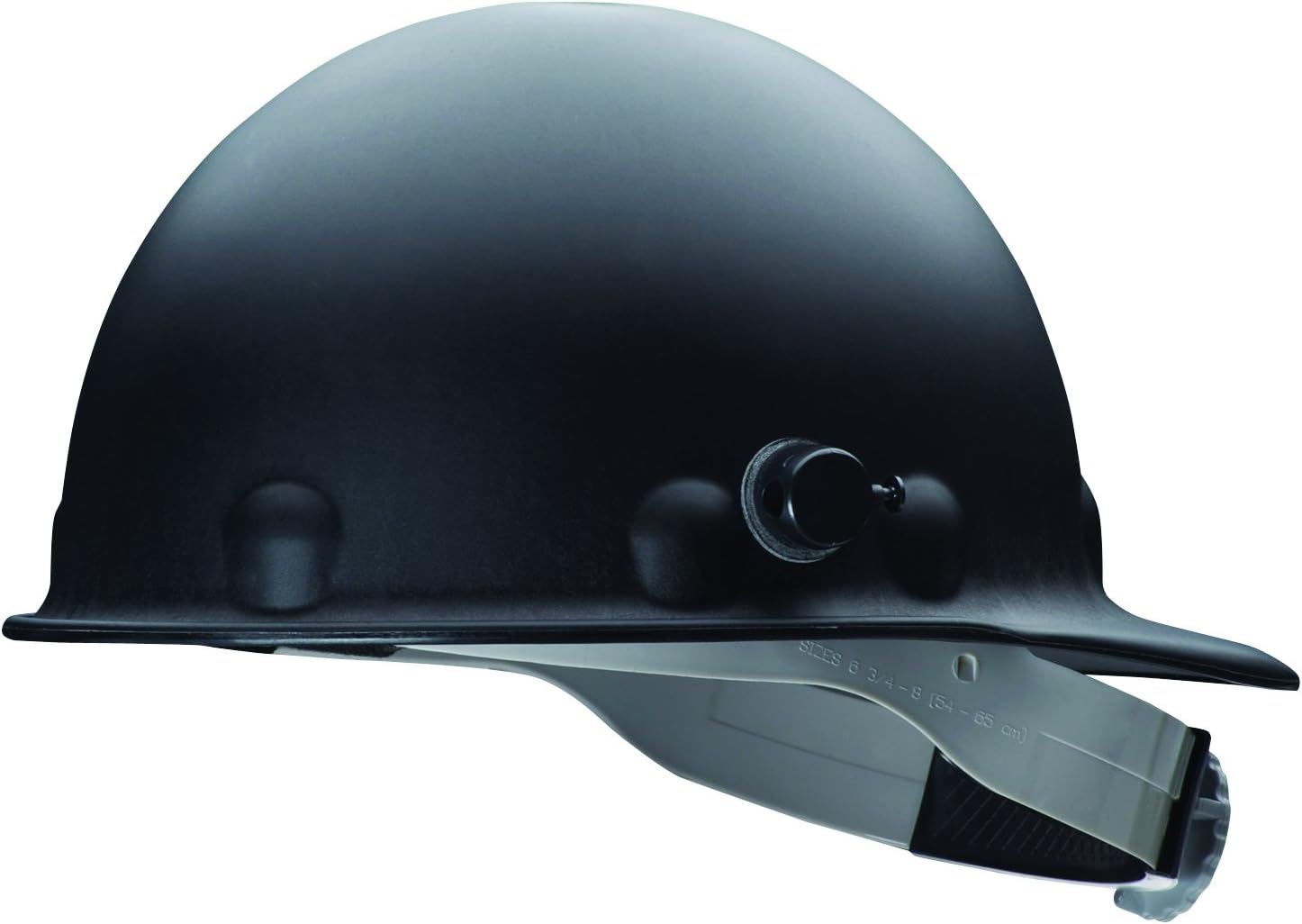
Fibre‑Metal P2HNQRW11A000 High‑Heat Roughneck Hard Hat
Black Roughneck high‑heat fiberglass cap with 8‑point ratchet suspension and Quick‑Lok blocks, built for continuous hot work and heavy spatter.
Check PriceWhy it stands out
This P2HN version is specifically aimed at high‑heat use, pairing the rugged Roughneck fiberglass shell with extra heat tolerance and quick welding‑helmet attachment.
Key points
- High‑heat fiberglass cap, ANSI Z89.1 Type I Class G/E (model‑dependent)
- 8‑point ratchet suspension with Quick‑Lok accessory mounting
- Rated to withstand higher temperatures than thermoplastic caps
- Cap‑style design with front brim and smooth dome
Pros
- Very good for arc gouging, heavy MIG, and hot industrial welding
- Quick‑Lok lets you snap compatible welding hoods on and off easily
- Strong, durable shell takes daily knocks and abuse
- Good impact and crack resistance compared with cheaper plastics
Cons
- Heavier than standard thermoplastic hard hats
- Black color absorbs more heat in direct sunlight
- Higher price than many non‑high‑heat models
Best for
Welders in foundries, heavy fabrication, and other hot environments who need both high heat resistance and simple mounting for welding helmets or face shields.
7. Fibre‑Metal P2AQRW46A000 Roughneck – Hi‑Vis Orange with Quick‑Lok
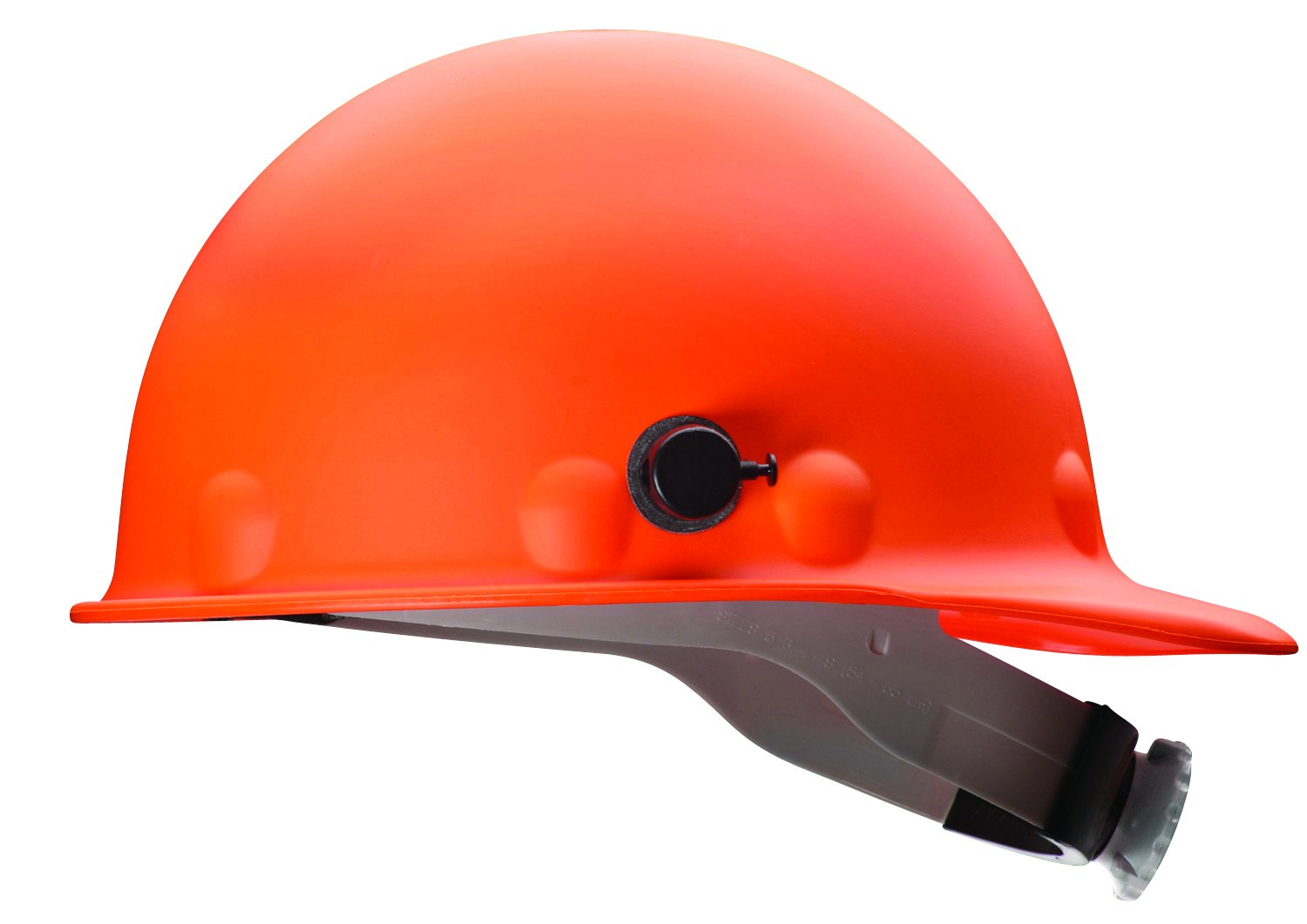
Fibre‑Metal P2AQRW46A000 Hi‑Vis Orange Roughneck Hard Hat
Hi‑vis orange Roughneck fiberglass cap with SuperEight suspension and Quick‑Lok blocks, designed for maximum visibility and heat‑resistant durability.
Check PriceWhy it stands out
You get the rugged heat and impact performance of the Roughneck P2A design combined with a bright, hi‑visibility orange shell that makes you easier to see on crowded or low‑light sites.
Key points
- Injection‑molded fiberglass P2A cap, ANSI Z89.1 Type I Class G/E
- SuperEight 8‑point ratchet suspension for impact control and comfort
- Quick‑Lok mounting blocks for welding helmets and face shields
- Hi‑vis orange shell to improve worker visibility and safety
Pros
- Strong, heat‑resistant shell for heavy welding and cutting
- High‑visibility color helps prevent collisions and improves supervision
- 8‑point suspension makes the cap feel stable and balanced
- Quick‑Lok is handy if you run compatible welding hoods
Cons
- Bright color will show grime and burns over time
- Slightly more expensive than standard‑color versions
- Still heavier than simple thermoplastic caps
Best for
Welders on construction sites, in yards, or in busy shops where visibility is critical and where they also need real heat and impact protection for day‑to‑day welding.
How to Choose the Right Hard Hat for Welding Helmet
When you pick a hard hat to use with a welding helmet, you’re really choosing a platform: it needs to handle heat and impact, but also support the extra weight and leverage of a welding hood. Use these steps to choose the right one.
1. Match the Shell Material to Your Heat Level
Light–Moderate Welding Heat (shop, light fabrication)
- Thermoplastic caps (e.g., Fibre‑Metal E2 series)
- Pros: lighter, usually cheaper, often Class E (good electrical protection)
- Good if your welding is not constantly in very hot, radiant environments.
Heavy Welding and High Heat (gouging, heavy MIG, near furnaces)
- Fiberglass caps (e.g., Fibre‑Metal Roughneck P2 series)
- Handle significantly higher temperatures than basic plastic
- Tough and crack‑resistant under impact
- Phenolic caps (e.g., MSA Skullgard)
- Designed for very high radiant heat
- Common in steel mills and heavy industrial welding
If you regularly feel intense heat on your head and shoulders, choose fiberglass or phenolic, not basic construction‑grade plastic.
2. Check the Suspension System (Comfort + Safety)
Your welding helmet adds weight to the front of the hard hat, so the suspension must distribute that load.
Look for:
- 8‑point ratchet suspension (e.g., SuperEight)
- Better weight distribution
- More comfortable for long shifts
- Ratchet adjuster you can turn with gloves on
- Height adjustment so the hard hat sits correctly even with a welding hood mounted
A good suspension makes a heavy, heat‑rated cap feel manageable. A poor suspension makes even a light cap miserable.
3. Make Sure It Works with Your Welding Helmet
This is where many people get stuck. You need mounting compatibility:
- Quick‑Lok hard hats (Fibre‑Metal Roughneck P2A, E2QRW)
- Have molded‑in Quick‑Lok blocks
- Let you snap on compatible Fibre‑Metal welding helmets and face shields
- Clean, secure, and purpose‑built for welding setups
- Smooth‑crown or standard‑slot hard hats (many MSA, E2 caps)
- Require a separate hard‑hat adapter for your welding helmet
- Adapters are usually brand‑specific (Lincoln, Miller, 3M, etc.)
- Good if you’re mixing brands and need flexibility
- Integrated systems (e.g., Speedglas with hard hat)
- Welding helmet and hard hat are engineered as one unit
- No guessing on adapters or balance
- Best if you want everything from a single manufacturer
Before buying, check your welding helmet manual or product page for recommended hard‑hat adapters and compatible cap styles.
4. Choose the Right Electrical Class (If Needed)
If you weld near energized equipment or do electrical work:
- Class E (Electrical):
- Tested up to 20 kV
- Best for welders who may encounter electrical hazards
- Class G/C:
- General use, lower or no electrical protection
- OK if you’re away from live circuits and just need impact + heat resistance
If in doubt, Class E gives you the widest margin of safety.
5. Think About Visibility and Site Requirements
Your job site may have rules on color and visibility:
- Hi‑vis orange/yellow (e.g., hi‑vis Roughneck models):
- Easier for others to see you in busy yards and on construction sites
- White:
- Reflects sunlight and heat; cooler in outdoor work
- Black/gray:
- Hides dirt and welding stains better but absorbs more heat in the sun
Choose a color that keeps you compliant and visible, and that makes sense for your environment.
6. Prioritize Comfort for Long Shifts
You’ll likely wear the hard hat and welding helmet combo for hours. Check:
- Weight:
- Fiberglass and phenolic are heavier, but acceptable if suspension is good
- Thermoplastic is lighter but not as heat‑tolerant
- Padding and sweatband:
- Replaceable, absorbent brow pads make a big difference
- Comfortable straps reduce pressure points
- Adjustment range:
- Must fit over beanies, bandanas, or welders’ caps if you use them
- Shouldn’t pinch when you add hearing protection or glasses
If the hard hat isn’t comfortable, you’re more likely to adjust it constantly or wear it incorrectly, which compromises safety.
7. Watch Out for Common Mistakes
Avoid:
- Buying a basic construction hard hat and assuming it’s good enough
- Many are not designed for continuous welding heat.
- Ignoring helmet‑mounting needs
- If your hard hat doesn’t play well with adapters or Quick‑Lok, you’ll end up improvising, unsafe and frustrating.
- Choosing purely on price
- Cheap caps can warp in heat, crack under impact, and have poor suspension.
- Forgetting electrical hazards
- If you work around power, a non‑Class‑E cap can be a serious risk.
- Not replacing a damaged cap
- Cracks, deep gouges, or soft spots mean the hat should be retired, especially after major impacts or extreme heat events.
8. Lifespan and When to Replace
Typical real‑world lifespan:
- Thermoplastic caps: about 2–4 years of regular welding use
- Fiberglass/phenolic caps: about 3–5 years, sometimes longer with good care
Replace your hard hat if:
- The shell is cracked, deformed, or soft
- It has taken a major impact or severe heat exposure
- The suspension is stretched, brittle, or won’t hold tension
- The manufacturer’s recommended service life has passed
Putting It All Together
To choose the right hard hat for your welding helmet:
- Assess your heat level – thermoplastic for light/moderate, fiberglass or phenolic for heavy/continuous heat.
- Pick a good suspension – 8‑point ratchet if possible.
- Confirm mounting – Quick‑Lok for Fibre‑Metal hoods, or the right adapter for your helmet brand.
- Check electrical class – Class E if there’s any chance of electrical exposure.
- Select appropriate color/visibility – hi‑vis or white for sun and busy sites, darker if you want to hide grime.
- Make sure it’s comfortable – or you won’t wear it correctly.
If you follow those steps, a Roughneck fiberglass cap with Quick‑Lok or a Skullgard phenolic cap with the right adapter will cover nearly all serious welding environments, while an integrated Speedglas hard‑hat helmet is ideal if you want a complete welded‑together system with no compatibility worries.
Why Hard Hat for Welding Helmet Matter
When welding in industrial or construction environments, a welding helmet alone is not enough. A properly rated hard hat:
- Protects against falling objects and overhead hazards that a welding hood cannot stop.
- Serves as a stable mounting platform for welding helmets, face shields, and lights.
- Offers heat and electrical protection, depending on class and material.
- Helps you stay compliant with safety standards (such as ANSI Z89.1) required by employers and job sites.
Choosing the right hard hat for welding means balancing impact protection, heat resistance, comfort, and easy integration with your preferred welding helmet.
Key Features of the Hard Hat for Welding Helmet
When comparing hard hats to use with welding helmets, pay special attention to:
- Shell Material
- Thermoplastic: lighter, good general protection, often Class E for electrical work.
- Fiberglass/phenolic: higher heat resistance and impact strength, ideal for heavy welding.
- Suspension System
- 4‑point vs 8‑point: more points generally mean better weight and impact distribution.
- Ratchet adjustment: lets you tighten or loosen the fit easily, even with gloves.
- Heat Resistance
- Standard models for general welding.
- High‑heat models (Roughneck, Skullgard) for very hot environments and heavy spatter.
- Mounting / Adapter Compatibility
- Quick‑Lok blocks on Fibre‑Metal caps for fast attachment of compatible helmets.
- Smooth crowns or side slots that work with third‑party welding‑helmet adapters.
- Electrical Class Rating
- Class E (electrical): for up to 20 kV protection, important around live circuits.
- Class G or C: for general use where high electrical protection is not required.
- Visibility and Color
- Hi‑vis or white for better visibility and heat reflection.
- Dark colors for hiding grime and scuffs.
Best Types of Hard Hat for Welding Helmet
- Integrated Welding Helmet + Hard Hat Systems
Good for welders who always need both and want guaranteed compatibility (e.g., Speedglas G5‑03). - Fiberglass Roughneck Caps with Quick‑Lok
Ideal for heavy welding where you often change or remove your welding hood but need strong heat and impact resistance. - Phenolic High‑Heat Caps (Skullgard)
Best in extremely hot conditions, like steel mills or near furnaces. - Thermoplastic SuperEight Caps
Lighter, comfortable, and often Class E, suitable for mixed welding and electrical work where heat is moderate. - Hi‑Vis Hard Hats
Perfect for construction and outdoor jobs where being seen is as important as protection.
Comfort Factors Welders Should Not Ignore
- Weight and Balance
A slightly heavier shell is fine if the suspension distributes weight well and the helmet does not feel front‑heavy with a welding hood attached. - Fit and Adjustability
Ratchet systems and multiple suspension points let you fine‑tune height and tightness, crucial when you also hang a welding helmet off the front. - Padding and Sweatband
A soft, absorbent brow pad and comfortable straps make a big difference on long shifts, especially in hot shops. - Ventilation and Heat Management
Lighter shells and reflective colors (white, hi‑vis) help keep your head cooler under a welding hood. - Glasses and Hearing Protection Compatibility
Ensure there is space for safety glasses and that earmuffs or plugs can still be used comfortably.
Common Mistakes When Buying Hard Hat for Welding Helmet
- Ignoring Heat Rating
Using a basic construction cap in a very hot welding environment can lead to deformation or early failure. - Skipping Mounting Compatibility
Not checking if your welding helmet works with Quick‑Lok or your hard hat slots often leads to awkward, improvised mounting. - Choosing Solely on Price
Very cheap hard hats may not offer the heat resistance or suspension quality you need for daily welding. - Overlooking Electrical Class
Working around energized equipment with a non‑Class‑E hat can be unsafe. - Buying the Wrong Size or Fit
A hard hat that is too loose or too tight will be uncomfortable and may not provide proper protection when combined with a welding helmet.
How Long Do Hard Hat for Welding Helmet Last?
For regular welding use:
- Thermoplastic and fiberglass caps often last 2–5 years, depending on heat, exposure, and care.
- High‑heat and phenolic caps may last longer structurally but should still be replaced if they show cracks, deep gouges, or deformation.
Replace your hard hat if:
- The shell is cracked, soft, or visibly deformed.
- The suspension is worn, stretched, or cannot hold tension.
- It has been exposed to extreme heat, chemicals, or a major impact.
- The manufacturer’s recommended service life has expired.
FAQs – Best Hard Hat for Welding Helmet
Do I really need a hard hat if I already wear a welding helmet?
Yes, if you work on industrial or construction sites that require head protection. Welding helmets protect your face and eyes, but only a certified hard hat is designed to protect against falling objects and overhead impacts.
What kind of hard hat is best for heavy welding?
For heavy welding, gouging, and cutting in hot environments, fiberglass or phenolic caps like the Roughneck P2 series or MSA Skullgard are usually best due to superior heat and impact resistance.
How do I attach a welding helmet to a hard hat?
Many welding helmets come with hard‑hat adapter kits. Fibre‑Metal caps with Quick‑Lok blocks allow direct attachment of compatible helmets. For other combinations, use the manufacturer’s recommended adapter and follow their instructions carefully.
Should I choose a Class E hard hat for welding?
If you work near live electrical equipment or energized conductors, a Class E hard hat is strongly recommended. If your work is purely mechanical and away from electrical hazards, Class G or C may be sufficient.
Are hi‑vis colors worth it?
Yes, on busy job sites or in low‑light conditions, hi‑vis or bright colors make you more visible to co‑workers and equipment operators, improving safety.
Can I use any hard hat with any welding helmet?
Not always. Shell shape, brim style, and slot design vary by brand. Check for compatible adapters and, where possible, choose caps (like Quick‑Lok or smooth‑crown models) known to work well with welding hoods.
Conclusion
The best hard hat for use with a welding helmet depends on three main things: how hot your work environment is, whether you need electrical protection, and how you want to mount your welding hood.
- For maximum integration and simplicity, an all‑in‑one system like the 3M Speedglas G5‑03 Pro with hard hat removes nearly all compatibility questions.
- For heavy, hot welding with frequent hood use, Fibre‑Metal Roughneck P2 and high‑heat P2HN caps or MSA Skullgard offer strong heat and impact resistance.
- For lighter or mixed electrical and welding work, SuperEight thermoplastic caps like the E2RW01A000 or E2QRW11A000 give you a comfortable, lighter option, especially if you pick models with Quick‑Lok for easy welding‑helmet mounting.
- Where visibility is critical, the P2AQRW46A000 hi‑vis orange Roughneck stands out on busy job sites.
Pick a hard hat that meets the heat and electrical demands of your job, fits comfortably with your welding helmet and adapters, and is something you won’t mind wearing all day. That way you stay protected, compliant, and more focused on laying down good welds instead of fighting your headgear.

James is a welding expert, accomplished author, and trusted guide with over 8 years of experience in the industry. With his in-depth knowledge and engaging writing style, James has become a true authority in the field, offering readers and clients invaluable expertise and insights to take their welding skills to new heights.