Are Lincoln welding helmets good? This is a question many welders, from beginners to seasoned pros, ask before investing in their next hood. Lincoln Electric is a household name in the welding industry, but does their reputation for welding machines carry over to their helmets? In this guide, we will examine the build quality, lens technology, comfort, and real-world performance of Lincoln’s top models. You will learn who they are best for and whether they deserve a spot on your workbench.
Table of Contents
Lincoln’s Reputation in the Welding Industry
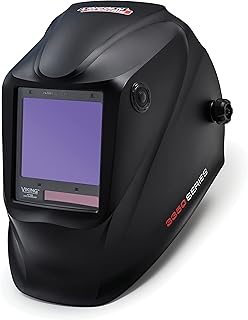
Lincoln Electric K3034-4 VIKING 3350 Welding Helmet, Matte Black
Check PriceLincoln Electric has been a trusted manufacturer since 1895. The company built its name on rugged welders, consumables, and safety gear. Their helmets are designed and tested to meet ANSI Z87.1 standards, so you know the eye and face protection is legitimate. The Lincoln brand carries weight on job sites, and many professional welders stick with Lincoln because they trust the engineering behind the entire ecosystem.
What Sets Lincoln Helmets Apart?
Lincoln helmets stand out thanks to their proprietary lens technology and thoughtful headgear. The 4C lens, found in most modern Lincoln auto-darkening helmets, delivers true color visibility that reduces the classic green tint. This optical clarity is matched with a 1/1/1/1 optical class rating, which minimizes distortion and eye fatigue. Add a fast switching speed, multiple arc sensors, and a wide viewing area, and you have a hood that makes your work easier and more precise.
Build Quality and Durability
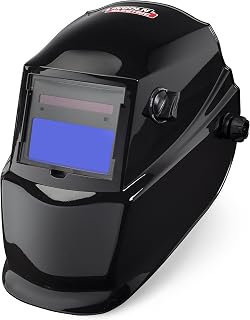
Lincoln Electric K3419-1 Glossy VAR 7-13 W/Grind ADF Helmet
Check PriceLincoln helmets are built with high-impact resistant polyamide shells. These shells can handle industrial abuse, from falling sparks to accidental drops. The Viking series, in particular, feels substantial in your hands without being a burden on your neck. While budget models may use slightly simpler materials, they still pass the same basic impact standards. A Lincoln hood is a long-term investment, and many users report their helmets lasting for years of daily use.
Comfort and Fit
Comfort can make or break a welding helmet, especially during a ten-hour shift. Lincoln uses a multi-point headgear system, often called the X6 headgear, on its higher-end models. This design balances weight evenly across the crown, reduces pressure points, and allows quick tilt adjustments. The sweatband is replaceable, and the overall fit accommodates most head sizes easily. A comfortable helmet means less neck strain, fewer breaks, and more consistent weld quality.
Lens Clarity and Optical Performance
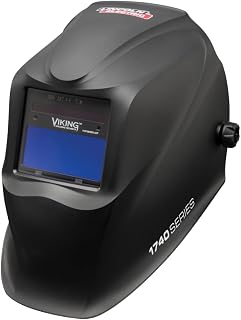
Lincoln Electric Viking 1740 Matte Black Welding Helmet K3282-4
Check PriceIf there is one area where Lincoln helmets truly shine, it is lens clarity. The 4C technology improves color contrast so you can see the weld puddle, the arc, and the surrounding joint without straining your eyes. Many welders compare the view to a premium passive lens, but with the benefit of auto-darkening. A 1/1/1/1 optical rating means no distortion, no halo, and consistent shade across the entire lens. This is critical when you are doing precise TIG or out-of-position stick welding.
Auto-Darkening vs Passive Lincoln Helmets
Lincoln offers both auto-darkening and passive helmets. Passive hoods are simple, budget-friendly, and reliable for occasional stick work. Their auto-darkening lineup, from the entry-level Viking 1740 to the flagship Viking 3350, provides modern convenience. The auto-darkening filters react in 1/25,000 of a second and have adjustable shade, sensitivity, and delay. A grind mode is available on most models, allowing you to flip to a clear state without changing hoods. For most welders, the versatility of auto-darkening makes it the preferred choice.
Top Lincoln Welding Helmet Models
Lincoln’s lineup covers everyone from home hobbyists to pipeline professionals. Here are the key players that often come up when welders ask, are Lincoln welding helmets good enough for my work.
Lincoln Viking 3350 Series
Lincoln Electric K3034-4 VIKING 3350 Welding Helmet, Matte Black
Check PriceThe Viking 3350 is Lincoln’s flagship and for good reason. It features a massive 12.5 square inch viewing area with the 4C lens. Four arc sensors virtually eliminate the risk of the lens not darkening when you are in a tight spot. External shade and grind mode controls, a comfortable headgear, and a library of graphic designs make it a favorite. It weighs around 20 ounces, which is not the lightest, but the balanced fit forgives most of that heft. This helmet is ideal for professional fabrication, construction, and code work.
Lincoln Viking 1740 Series
Lincoln Electric Viking 1740 Matte Black Welding Helmet K3282-4
Check PriceThe 1740 series is the budget-conscious hero. It still packs the 4C lens and a respectable 9.3 square inch viewing area, but with two arc sensors and a simpler headgear. The switching speed is the same as its bigger brother. For hobbyists, farmers, and light industrial work, the 1740 delivers outstanding clarity at a very friendly price, usually under $150. It proves that good Lincoln welding helmets do not have to break the bank.
Lincoln Viking 1840 and 2450
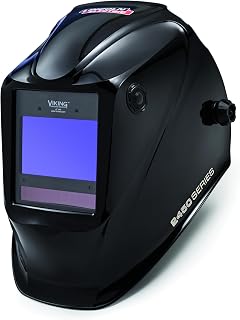
Lincoln Electric Viking 2450 Series – Black Welding Helmet
Check PriceThese mid-range models fill the gap between the 1740 and 3350. The 1840 is often the first step into a larger viewing area without the flagship price. The 2450 adds better headgear and a slightly wider lens. Both use 4C lens technology, so you still get true color view. They are great for welding students and small shop owners who want more comfort and sensor coverage than the entry level offers.
Lincoln Electric Passive Welding Helmets
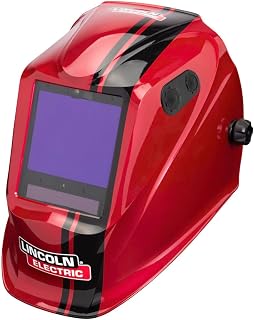
Lincoln Electric K4034-5 Viking 3350 ADV Code Red Welding Helmet
Check PriceLincoln also manufactures simple passive hoods for schools, intermittent use, or welders who prefer a fixed shade. These helmets are incredibly tough and nearly indestructible. The trade-off is you must nod the hood down, and you do not get the optical magic of the 4C lens. They are a practical, low-cost solution when you need reliable protection and no batteries to worry about.
Lincoln vs Other Welding Helmet Brands
Welders often compare Lincoln to Miller, ESAB, and 3M Speedglas. Miller’s Digital Elite has comparable clarity, but many users find Lincoln’s 4C colors more natural and less blue. ESAB’s Sentinel offers a modern aesthetic and a curved lens, but the optical rating can vary. 3M Speedglas is extremely high-end, but the price jumps significantly. Lincoln strikes a sweet spot, especially with the 3350, delivering top-tier clarity and comfort at a price that feels like excellent value. To dive deeper into other options, you can explore our best Lincoln welding helmet models comparison.
Pros and Cons of Lincoln Welding Helmets
- Excellent 4C true color lens reduces eye strain
- Durable high-impact shells built for industrial use
- Comfortable, adjustable headgear that balances weight
- Large viewing areas on Viking series improve visibility
- Fast switching speed and reliable arc sensors
- Grind mode and external shade controls on most auto-darkening models
- Strong warranty and customer support
- Premium models can be heavier than some competitors
- Battery replacement on older 3350 models may require sending the helmet in
- Entry-level models have fewer arc sensors and a smaller viewing area
Who Should Buy a Lincoln Welding Helmet?
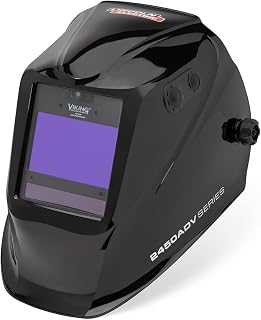
Viking 2450 ADV Series Black Welding Helmet – Integrated LED
Check PriceA Lincoln helmet fits a wide range of welders. Beginners will appreciate the 1740 series because it offers pro-level clarity without the intimidation of a complex setup. Professional welders, especially those doing TIG or out-of-position work, benefit from the 3350’s panoramic view and true color. Lincoln also holds its own in heavy industrial environments where a helmet must survive drops, heat, and long shifts. Even if you do not weld every day, owning a Lincoln means you have a hood that will still be ready and working when you grab it off the shelf. If you are still deciding what features matter most, our comprehensive guide to choosing a welding helmet breaks down every spec you should check.
Are Lincoln Welding Helmets Good for Specific Welding Types?
Yes, Lincoln helmets adapt to most processes. For MIG, the large lens helps you see the weld pool and surrounding joint, which reduces the chance of straying off the seam. Stick welders will love how the true color lens makes slag and puddle differentiation easier, even in poor lighting. TIG welders, who need to see the fine details of the arc and filler metal, find the 4C lens invaluable. And with grind mode, you can prep your metal without swapping to a clear shield. Lincoln helmets are not specifically rated for overhead plasma cutting, but they work just fine for that application as well.
Frequently Asked Questions
Is Lincoln better than Miller for welding helmets?
Both brands are excellent. Lincoln tends to offer wider viewing areas and a more natural color tone with 4C technology. Miller helmets are known for their light weight and sleek designs. The better choice depends on your personal preference for fit and optical signature. Many welders keep one of each in their shop.
Do Lincoln welding helmets have a cheater lens option?
Yes, most Lincoln helmets include a cheater lens frame behind the main ADF. You can slide in a standard magnifying lens to help with close-up work. This is especially useful for TIG welders who need magnification to see the puddle clearly.
How long do Lincoln auto-darkening batteries last?
Lincoln’s auto-darkening helmets use a combination of solar assist and a replaceable battery. Depending on usage, the internal battery can last 3,000 to 5,000 hours of arc time. The solar panel helps extend life, and many users report never needing a battery change during the helmet’s typical lifespan. Newer Viking models make battery replacement user-friendly, while older ones may require professional service.
Are Lincoln welding helmets safe for TIG welding?
Absolutely. The 4C lens and the sensitive arc detectors pick up low-amperage TIG arcs reliably. The true color view helps you see the subtle changes in the weld pool that indicate travel speed and heat input. Many TIG specialists prefer Lincoln over other brands for this very reason.
Can I replace the lens on a Lincoln helmet?
Yes. Front and inner cover lenses are consumable and easily replaced. Lincoln sells clear and shade-specific replacements. Keeping a fresh cover lens is critical for maintaining optical clarity, and Lincoln’s standardized lens dimensions make finding spares simple. Check your model’s manual for the correct part numbers.
Conclusion
So, are Lincoln welding helmets good? The answer is a confident yes. Lincoln combines decades of welding expertise with modern lens technology to produce helmets that protect your eyes and improve your work. The Viking 3350 remains a benchmark for clarity and coverage, while the 1740 brings that same DNA to a budget-friendly price point. Whether you are a weekend warrior or a full-time fabricator, a Lincoln hood delivers comfort, durability, and a view that makes every arc count. For an even deeper look at how they stack up, visit a trusted welding helmet resource and compare specs side by side. Pick the Lincoln that matches your trade, and you will soon understand why so many welders swear by the red and black logo.