Finding the right plasma cutter for your CNC table can feel overwhelming. You need a machine that delivers clean cuts, reliable arc starts, and seamless integration with your controller. This guide explains exactly which plasma cutter for CNC setups works best, whether you are upgrading a hobby table or building a production fabricating shop.
We will break down the critical features that separate a mechanized cutting system from a hand held unit. By the end, you will understand amperage requirements, interface signals, duty cycle demands, and the top brands trusted by fabricators worldwide.
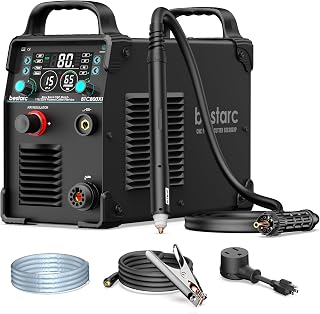
Bestarc CNC Plasma Cutter with CNC Torch, [Blow Back Pilot Arc][Air Sensor] 80Amp Non-HF CNC Plasma Cutter Machine, 110/220V Dual Voltage, 5/8″ Clean Cut 1.57″ Max Cut, 2T/4T, PA/PT for Beginners DIY
Check PriceTable of Contents
Why a Standard Plasma Cutter Often Fails on a CNC Table
Many first time builders try to mount a handheld plasma torch to their gantry. This shortcut rarely works well, and it can even damage your electronics. A CNC plasma cutter must communicate directly with the motion controller.
Standard handheld units lack the necessary interface ports. They also have a trigger lock circuit that does not play nicely with software commands. Understanding these differences will save you hours of troubleshooting and wasted material.
You might be tempted to save money by using an inexpensive import cutter. However, electrical noise from a high frequency start can scramble your stepper motors and ruin your controller board. The right CNC plasma cutter avoids these pitfalls entirely.
Key Factors When Choosing a Plasma Cutter for CNC
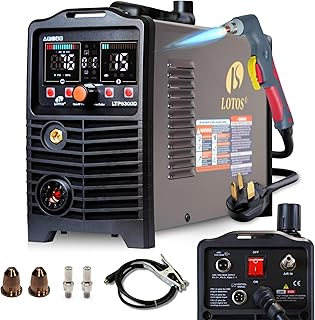
LTP6300DCNC 63A CNC Drag-Cut Blowback Plasma Cutter 110V/220V | Effortless tracking on automated tables or stencils | Slices 3/4-inch steel cleanly with zero electrical noise
Check PriceBefore you look at specific brands, you need to match the cutter to your table’s capabilities. Every CNC gantry has limits on weight, voltage input, and the type of torch it can hold. Picking the wrong unit leads to poor cut quality and constant downtime.
The decision boils down to four core areas. You must evaluate the torch style, the raw cutting amperage, the duty cycle at that amperage, and the digital interface options. Once you have those numbers figured out, the brand choice becomes much clearer.
Mechanized Torch vs. Hand Torch
A mechanized torch is the single most important hardware requirement. Unlike a hand torch, a machine torch has a straight barrel and a mounting bracket designed for a lifter station. It also lacks a trigger switch, relying instead on a remote control signal from the CNC software.
Hand torches have curved handles and safety triggers that are constantly pressed during cutting. You can sometimes clamp a straight hand torch into a mount, but the ergonomics are wrong. A true machine torch also offers better consumable alignment and longer life under continuous cutting loads.
If you plan to do occasional manual cutting, some manufacturers sell a quick disconnect for swapping torches. This gives you the flexibility to use the same power supply for both CNC work and hand fabrication.
Amperage and Cut Capacity
Amperage determines how thick you can cut and how fast you can travel. A 30 to 45 amp plasma cutter handles thin gauge sheet metal up to about 3/8 inch mild steel. A 65 amp unit pierces and severs 3/4 inch plate comfortably, while an 85 or 105 amp beast slices through 1 inch and beyond.
For CNC use, always choose a unit that can cut your thickest material at a speed that avoids dross. Racing a 45 amp cutter through 1/2 inch plate gives you a sloppy edge. A 65 amp system gives you the overhead to maintain a crisp, square kerf.
Remember that material type matters. Aluminum and stainless steel transfer heat differently. You might need significantly more amperage to get a clean cut on 1/2 inch aluminum compared to mild steel. Check the manufacturer’s rated cut charts for mechanized travel speeds.
Duty Cycle Requirements
Duty cycle tells you how long the machine can run without overheating. A rating of 60% at maximum amperage means you can cut for 6 minutes and then it must rest for 4. This works fine for short brackets but becomes a problem on large nested layouts.
On a CNC table, the torch moves continuously from part to part. A low duty cycle forces you to pause the program, which wastes time and disrupts cut quality. Look for a machine with 100% duty cycle at your regular cutting amperage, or at least a very high rating at the thickness you plan to cut most often.
Industrial units like the Hypertherm Powermax series maintain a robust duty cycle even in hot shop environments. Cheaper inverters may claim a high duty cycle on paper, but they struggle when the ambient temperature climbs above 90 degrees Fahrenheit.
CNC Interface and Control Signals
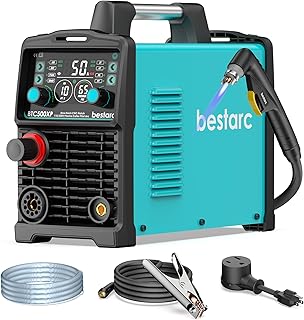
Bestarc Plasma Cutter, [Blow Back Pilot Arc][Large LED][Air Sensor] 50A Non-HF CNC Plasma Cutter Machine 110V/220V Dual Voltage, 5/8″ Clean Cut 1″ Max Cut, Post Flow, 2T/4T for Beginners DIY
Check PriceThis is where a proper CNC plasma cutter separates itself from a modified hand unit. Your motion controller needs to read arc voltage and send commands for torch fire and height control. Without these signals, you cannot run an automated height control system or reliable pierce cycles.
Voltage Divider and Raw Arc Voltage
Torch height control relies on arc voltage feedback. The plasma power supply must output a divided voltage signal, typically 20:1 or 50:1, that your controller can safely read. Raw arc voltage can exceed 300 volts, which will fry a standard THC board instantly.
Many entry level machines do not include a built in voltage divider. You can buy external modules, but they introduce noise and unreliability. A CNC ready plasma cutter has the divider port already pinned out on the rear interface, usually as a simple CPC connector.
Arc OK and Start Signals
Your controller needs to know when the arc has successfully transferred to the metal. This “Arc OK” signal allows the machine to begin moving only after the piercing arc is established. Without it, the gantry might lurch forward and collide with the plate before the cut starts.
Additionally, a dry contact closure for torch start replaces the physical trigger. When the software sends a fire command, the plasma cutter’s internal relay activates the arc. These signals are typically routed through a multi pin port on the back of the machine and matched to a breakout board on the CNC side.
Avoiding High Frequency Interference
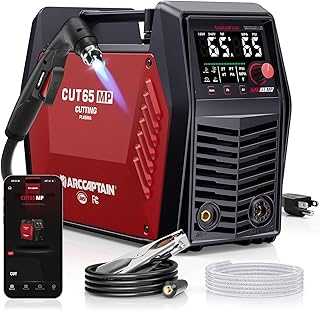
ARCCAPTAIN iControl [CNC] Plasma Cutter CUT65 MP with APP Control, Non-HF Blowback Pilot Arc, 65A 120V/240V, Upgraded LED Display, Expanded Metal, Pressure Detection, Plasma Gouging & Rust Removal
Check PricePilot arc starting methods can make or break your CNC electronics. High frequency (HF) start systems use a massive voltage spike to ionize the air and create a pilot arc. That spike generates electromagnetic noise that travels back through your ground cables and corrupts the data signals on your motor wires.
Modern CNC plasma cutters use a blowback start or a spring loaded mechanism inside the torch. This method creates the pilot arc without an external high frequency spark. The result is a clean start that keeps your servo drives, limit switches, and controller screen from glitching out.
If you must use an older HF start machine, you will need rigorous grounding, ferrite chokes on every signal cable, and lots of physical separation. It is far easier to simply buy a blowback start unit. Brands like Hypertherm and the larger Thermal Dynamics units use this technology across their product lines.
Brands and Models Worth Your Money
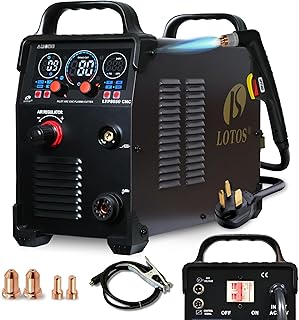
LTP8050CNC 80A CNC Drag-Cut Blowback Plasma Cutter 220V | Effortless tracking on automated tables or stencils | Slices 1-inch steel cleanly with zero electrical noise
Check PriceAfter you know the specifications, the final step is picking a reliable manufacturer. You want a company with dedicated CNC support, local repair centers, and easy access to consumables. I have used several on production tables, and a few stand out consistently.
Hypertherm Powermax: The Industry Standard
Hypertherm dominates the mechanized plasma market for good reason. The Powermax SYNC series, along with the older Powermax 65, 85, and 105, offer flawless voltage divider outputs and a straightforward CPC interface port. Their mechanized plasma cutting systems are designed from the ground up for CNC integration.
The consumable life is outstanding, and the cut quality on thin stainless is incredibly smooth. Hypertherm also provides detailed cut charts with exact speeds, pierce heights, and kerf widths, all of which you can plug directly into your CAM software.
Thermal Dynamics and Lincoln Electric Options
Thermal Dynamics, now part of ESAB, offers the A series and Cutmaster machines that work well on CNC tables. They provide a machine torch option with similar interface capabilities. Lincoln Electric’s Tomahawk series is another alternative, especially if you already use Lincoln welding equipment in your shop.
These brands may not have the same massive community support as Hypertherm, but their service networks are strong. Make sure the specific model you order includes the CNC interface port, not just an optional upgrade kit.
Budget Import Machines with CNC Ports
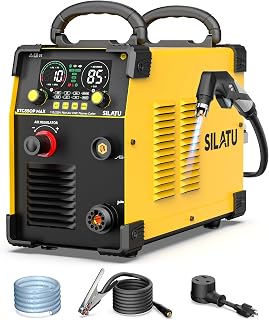
SILATU Plasma Cutter, 85Amps Non-HF Blowback Pilot Arc CNC Plasma Cutter Machine, 110/220V Dual Voltage Air Sensor Technology Large LED Display, 1” Clean Cut 7/5” Max Cut, PT/2T/4T for Beginners DIY
Check PriceSeveral Chinese manufacturers now sell plasma cutters labeled CNC ready with a pin out for start signals and divided voltage. Units like the PrimeWeld Cut60 and others have developed a following among hobby builders. They can work, but expect to spend time troubleshooting noise issues and calibrating your THC.
I always recommend browsing our top-rated mechanized plasma cutters list before settling on a budget model. Sometimes a used Hypertherm is a wiser investment than a new import that skips on filtering circuits.
Air Supply and Consumable Management
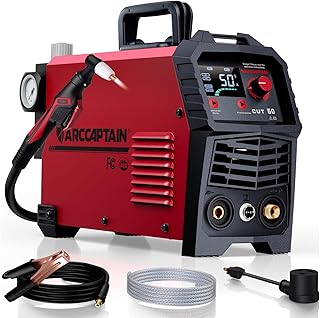
ARCCAPTAIN Plasma Cutter, [Large LED Display] 50Amps Cutter Machine with 110/220V Dual Voltage DC Inverter IGBT 1/2 Inch Clean Cut Post Flow and 2T/4T, for Beginners DIY
Check PriceA CNC plasma cutter is only as good as its air source. Moisture and oil in the air lines destroy consumables and leave a ragged cut edge. You need a refrigerated air dryer or at least a high capacity desiccant filter right at the plasma unit inlet.
Many shops use a dedicated air compressor with enough CFM to keep the plasma running without pressure drops. A 60 gallon tank and a two stage compressor handle most medium amperage cutters without cycling the motor constantly. Check the cutter’s CFM requirements at your planned operating pressure.
Consumable life also depends on proper pierce height and pierce delay. Your CAM software gives you control over these variables. A machine torch with OEM consumables, combined with dry clean air, can deliver hundreds of pierces before you notice any bevel angle increase.
Common Mistakes When Buying a CNC Plasma Cutter
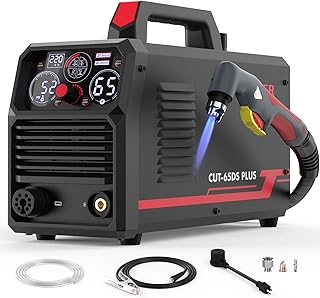
YESWELDER Plasma Cutter, 65Amp 110V/220V Non-High Frequency Non-Touch Pilot Arc 4-In-1 Plate Cutting/Grid Cutting/Gouging/Marking Multifunctional Plasma Cutting Machine CUT-65DS PLUS
Check PriceI see the same errors repeated by first time CNC builders. They chase the highest amperage available without checking their electrical panel capacity. A 105 amp machine demands a 100 amp breaker and serious wire gauge, while a 45 amp unit plugs into a standard 50 amp outlet.
Another trap is buying a plasma cutter without a proper voltage divider board. Some sellers will call a unit “CNC ready” just because it has a dry contact torch start. Without the divided voltage, your height control system is useless. Always confirm the specific pin out before you hand over your credit card.
Finally, do not ignore consumable availability. You will replace electrodes, nozzles, swirl rings, and shields frequently. If you have to wait two weeks for a shipment of nozzles, your table sits idle. Choose a brand stocked by your local welding supply store.
Frequently Asked Questions
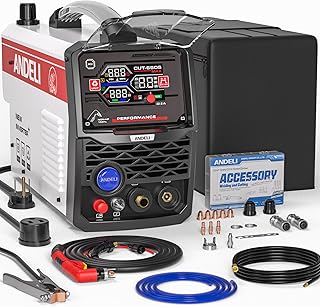
ANDELI 65Amp Plasma Cutter, Non-HF CNC Enabled,4.05”Large LED Display Plasma Cutting Machine Non-Touch Pilot Arc Air 1-1/16”Max Cut,110/220V IGBT Inverter 2T/4T ,Intelligent POST-BLOW
Check Price- What signals does a CNC plasma cutter need? At minimum, you need a dry contact torch start pair and a divided arc voltage output, often 50:1. An Arc OK transfer signal is also extremely helpful for reliable pierce operations and height control.
- Can I use a handheld plasma cutter on my CNC table? Technically yes, but it requires extensive modification and you will miss essential safety signals. Handheld units lack a machine torch mount and often use high frequency starts that cause controller chaos.
- Which amperage is best for a small CNC plasma table? A 45 amp machine is perfect for 4×4 foot hobby tables cutting 1/8 to 3/8 inch mild steel. If you frequently cut 1/2 inch plate, step up to a 65 amp unit for clean edge quality at decent travel speeds.
- Do I need a machine torch or can I build a mount? A purpose built machine torch gives you better alignment and consumable life. You can 3D print a mount for a straight hand torch, but the lack of a true rack and pinion height control will limit your accuracy.
- Is Hypertherm worth the extra cost for CNC? Yes, especially on a production table. The seamless interface, detailed cut charts, and robust consumable support save you days of fiddling with settings. It is the closest thing to a plug and play plasma system for CNC.
- How do I stop electrical noise from freezing my controller? Use a plasma cutter with blowback start, not high frequency. Install a ground rod dedicated to the table, separate signal cables from torch leads, and place ferrite chokes on all data lines.
Final Thoughts and Actionable Advice
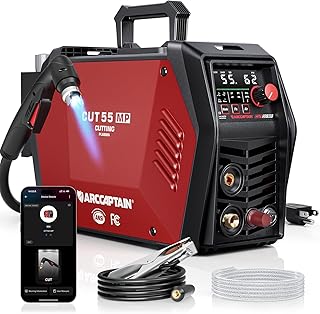
ARCCAPTAIN iControl [Non-HF] Plasma Cutter CUT55 MP with APP Control, 55Amp Blowback Pilot Arc, 120V/240V, Upgraded LED Display, Expanded Metal, Rust Removal, Plasma Gouging, Pressure Detection
Check PriceChoosing which plasma cutter for CNC boils down to matching the power supply to your table controller. Prioritize a machine torch, a built in 50:1 voltage divider, blowback start technology, and a duty cycle that fits your production goals. Skip the temptation to hack a hand torch, because the time and fried boards will cost you more than the right machine upfront.
Before you order, pull the actual pin out diagram of the CNC port from the manufacturer’s manual. Confirm it lines up with your breakout board. Also check our plasma cutter buying guide for a broader view on power, air, and consumables. With the right setup, your CNC plasma table will deliver smooth, precise cuts that rival expensive laser systems on thick metal.