If you spend hours under a hood, you already understand the risks to your vision. But the invisible danger often comes from the air you breathe. Welding fumes contain toxic metals and gases that can damage your lungs over time. A standard welding helmet protects your eyes and face, yet it does nothing for your respiratory health. This is exactly where a 3M welding helmet with respirator changes the game. It merges premium eye protection with a powered air purifying respirator, or PAPR, in one unified system.
Many welders still rely on passive N95 masks that slip off or fail to filter fumes effectively. An integrated system from 3M ensures you never have to choose between comfort and safety. Whether you fabricate in a busy shop, weld galvanized steel, or work with stainless, the combination of auto-darkening lens technology and forced air filtration keeps you sharp and healthy all day. In this guide we will walk through how these units work, which models stand out, and what to look for before you buy.
Table of Contents
Why You Need a Welding Respirator
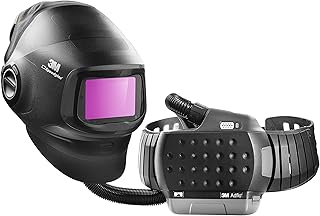
3M Speedglas Welding Helmet G5-01 with ADF and High-Altitude PAPR Assembly | G5-01TW ADF, Adflo PAPR, Bluetooth, Natural Color Technology, 46-1101-30i
Check PriceWelding generates hexavalent chromium, manganese, zinc oxide, and a cocktail of other airborne hazards. Breathing these particles can cause metal fume fever, chronic bronchitis, and even long-term neurological issues. A half mask respirator can help, but few welders wear one consistently because it is uncomfortable under a tight helmet. A loose fit or interference with the hood compromises both the respirator seal and the viewing angle.
The real breakthrough comes when a respirator lives inside the helmet itself. A 3M welding helmet with respirator eliminates the hassle of separate gear. It pumps filtered air directly into the breathing zone, creating positive pressure that fends off contaminants. This means you get a steady stream of cool, clean air no matter how dusty or confined your workspace becomes.
Employers increasingly require PAPR systems to meet updated OSHA permissible exposure limits. Even hobbyists with a small home garage benefit from reducing the toxic load on their lungs. When you consider the long-term health costs, investing in integrated respiratory protection is a smart move for anyone who welds more than a few hours a week.
What Is a 3M Welding Helmet with Respirator?

3M Speedglas G5-01 Heavy-Duty Welding Helmet with 3M Adflo PAPR Assembly 46-1101-30VC, G5VC ADF, 1 EA/Case
Check PriceA 3M welding helmet with respirator is not simply a hood with a dust mask clipped to it. It is an engineered PAPR system designed to be worn together. The most popular lineup is the 3M Speedglas family, combined with the Adflo powered air purifying unit. The helmet features an auto-darkening filter, a comfortable head suspension, and a seal around the face, while the Adflo blower unit pushes air through a battery-powered fan and high efficiency particulate filters.
There are also supplied air options like the 3M Speedglas G5-01 with the 3M Supplied Air Regulator for those working in extremely hazardous environments. These systems connect to an external air source instead of a portable blower. Both approaches deliver filtered air and keep fumes out of the breathing area. The goal remains the same: protect your eyes and your lungs at the same time without compromising mobility or clarity.
These setups are modular. You can start with a Speedglas welding helmet and later add the Adflo PAPR kit, or you can buy a complete ready-to-use package. That flexibility makes the 3M ecosystem attractive for welders who want to upgrade their protection step by step. You can also find a detailed breakdown of various helmet and respirator combos in our guide to welding helmets with integrated respiratory protection.
How 3M Integrated Respiratory Systems Work
3M Speedglas G5-01 Heavy-Duty Welding Helmet with 3M Adflo PAPR Assembly 46-1101-30TW, G5TW ADF, NIOSH Approved, ANSI Z87.1-2015, Professional Welding Respirator System
Check PricePowered Air Purifying Principle
The Adflo blower unit draws ambient air through a high efficiency particulate filter, or HEPA filter, and sometimes a gas and vapor cartridge. A battery-driven fan pushes that clean air through a breathing tube up into the helmet. The constant airflow creates positive pressure inside the face seal, which prevents unfiltered air from sneaking in around the edges. This means you breathe easy even if the helmet does not have a perfectly tight face seal.
The blower monitors the filter status and battery life, and many models have audible or visual alarms that warn you when the filter needs changing or the airflow drops. The system is NIOSH approved and rated to provide a specific assigned protection factor, often APF 25 or higher. This level of protection far exceeds what a disposable N95 mask can offer.
Auto-Darkening Lens Integration
The helmet itself houses a premium auto-darkening filter with true color optics. 3M Speedglas lenses offer variable shades from 5 to 13, covering everything from low-amp TIG welding to heavy stick welding. The filter reacts in 0.1 milliseconds or faster, reducing eye fatigue and the flashing effect that some cheaper hoods cause. Since the respirator unit does not obstruct the viewing area, you get the same wide, clear field of vision you would expect from a top-tier Speedglas helmet.
For more insight on how a Speedglas helmet performs, read our detailed 3M Speedglas review. It covers the optics, response time, and real-world feedback from welders who use these hoods every day.
Top 3M Welding Helmet and Respirator Combinations
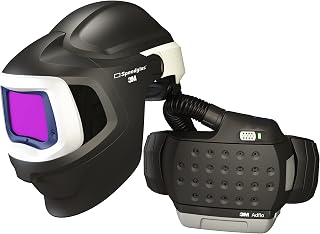
3M Adflo Powered Air Purifying Respirator HE System w 3M Speedglas Welding Helmet 9100 MP, 37-1101-30iSW
Check Price3M offers several all-in-one packages catering to different welding disciplines and budgets. Here are the most popular setups through the 3M Speedglas Adflo PAPR system.
- 3M Speedglas 9100 FX Air with Adflo PAPR. This flip-up design gives you grinding mode without removing the helmet. The wide viewing area and side windows offer exceptional peripheral vision, and the Adflo unit keeps you breathing filtered air through heavy grind and weld operations.
- 3M Speedglas G5-01 Heavy Duty PAPR Kit. A robust, sealed helmet designed for high-amperage welding in tough environments. It includes a curved auto-darkening filter with 3M’s natural color technology and an integrated hard hat. The blower unit stays on a belt, and the breathing tube connects at the back for better balance.
- 3M Speedglas 9100 MP-Lite PAPR System. This is a lightweight option with a compact blower. It retains the 9100 series optics but reduces weight on the belt, making it easier to move around tight spaces. Good for mobile welders and repair technicians.
- 3M Supplied Air System with Speedglas 9100. If you weld in an area with extreme contaminant levels, the supplied air setup connects to plant breathing air lines. It removes the blower unit entirely and delivers Grade D breathable air through a regulator.
Benefits of Using a 3M Welding Helmet with Respirator
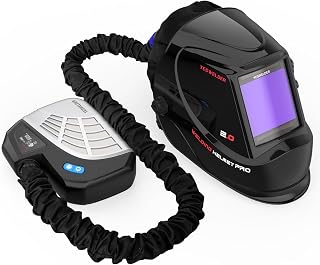
YESWELDER Powered Air Purifying Respirator Auto Darkening Welding Helmet LYG-M800H Welder Hood
Check Price- All-Day Comfort. The positive airflow cools your face and reduces fogging on the lens. Welders who switch from passive respirators often report significantly less fatigue by the end of a shift.
- Superior Protection Factor. PAPR systems deliver an assigned protection factor of 25 or even 50, depending on the headtop. A disposable half mask typically offers an APF of only 10. This matters when you face high concentrations of stainless steel or hardfacing fumes.
- No Fit Testing Required. Unlike tight-fitting respirators, loose-fitting PAPR headtops do not need an annual fit test. This saves time and cost for employers while still meeting OSHA regulations.
- One System, Multiple Applications. You can flip up the welding visor and use the supplied air for grinding, cutting, or even painting when equipped with the right cartridges. The modular design means you buy one blower and use it with different helmets.
Key Features to Look For
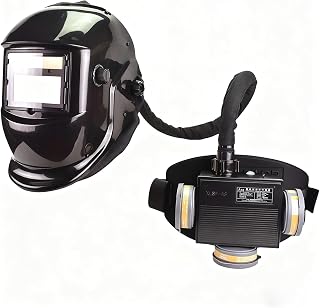
True Color Auto Darkening Welding Helmet with PAPR Respirator System, Large Viewing Screen Welding Hood with Fan for MIG TIG ARC, Powered Air Purifying Respirator Mask (Black)
Check PriceWhen shopping for a 3M welding helmet with respirator, do not simply grab the cheapest kit. The following features directly impact daily usability and safety.
- Filter Type and Lifespan. Look for HEPA rated particulate filters, plus the option to add gas and vapor cartridges if you weld on painted or solvent-contaminated surfaces. Check indicator lights for filter loading and battery status.
- Airflow Rate. The blower should deliver at least 170 to 200 liters per minute. A higher flow rate keeps you cooler and provides better inward leakage protection, especially in hot environments.
- Battery Runtime. A full shift demands at least 8 to 10 hours of battery life. Quick-change battery packs or long-life lithium-ion batteries keep you productive without unexpected downtime.
- Helmet Weight and Balance. Even a small extra weight matters after a six-hour welding session. Helmets like the 9100 MP-Lite reduce neck strain by shifting the blower and battery to the belt.
- Auto-Darkening Filter Performance. Prioritize true-color clarity, fast switching speed, and a large viewing area. A shade range from 3 to 13 covers most processes, including low-amp TIG.
- Certifications. Ensure the entire system is NIOSH approved and meets ANSI Z87.1 for impact protection and ANSI Z89.1 for head protection if a hard hat is integrated.
Who Should Use One?
Any welder who breathes fumes for more than a couple of hours a week will benefit from integrated respiratory protection. However, some groups need it more urgently. If you weld in confined spaces like tanks or ship compartments, the buildup of toxic gases can reach dangerous levels quickly. A PAPR system ensures you have a supply of clean air regardless of the ambient conditions.
Welders working with galvanized, stainless steel, or hardfacing consumables face higher exposure to hexavalent chromium and zinc oxide. Even with good ventilation, these particles hang in the air near the weld pool. A 3M welding helmet with respirator captures this threat at the source. Structural welders and pipefitters who often find themselves in odd positions also appreciate the positive pressure that stops them from accidentally inhaling a plume when they twist to reach a joint.
Industrial electricians, fabrication shop workers, and educational instructors who weld daily will see a huge difference in long-term lung health. Even hobby welders who work on car restorations or art projects in a home garage should consider the upgrade. The initial cost is higher, but over time the health savings outweigh the price many times over.
How to Choose the Right Model
Start by assessing your primary welding process. TIG welders need a clear, distortion-free view with excellent low-amp shade sensitivity. The Speedglas G5-01 with its curved natural color lens performs exceptionally in this area. MIG and flux-core welders will appreciate the 9100 FX Air for its large lens and flip-up grinding shield. Stick welders working in rugged outdoor conditions need a durable, sealed unit that can handle sparks and spatter, making the heavy duty version a solid pick.
Next, decide between the Adflo PAPR blower and a supplied air system. If you move around a lot and need cord-free operation, the belt-mounted Adflo is the way to go. You can walk freely, climb ladders, and reposition without dragging an air hose. Supplied air systems work best in stationary locations with a dedicated breathing air line, such as a blast booth or a permanent welding cell.
Consider the overall weight you will carry. The blower, battery, and filter unit sit on a belt, which some welders find intrusive when sitting or crouching. Try to test a demo unit if possible, or read user reviews about real-world comfort. You will want to ensure the hose routing does not catch on equipment and that the belt stays comfortable under a welding jacket.
Maintenance and Filter Replacement
A 3M welding helmet with respirator performs best when you stick to a simple maintenance routine. After every shift, wipe down the helmet shell and face seal with a mild cleaning solution to remove sweat and grime. Inspect the breathing tube for cracks or kinks. The lens cover plates should be replaced as soon as they become pitted or hazy, or you risk reduced visibility and potential filter interference.
Filters need changing based on your environment and usage. The Adflo unit has a filter condition indicator that tracks airflow resistance. A heavily contaminated shop might require a filter change every week, while a hobbyist in a clean garage might go a few months. Always use genuine 3M filters to maintain NIOSH approval and the rated protection factor. The pre-filter, a thin outer layer, catches large particles and should be swapped more frequently to extend the life of the main HEPA filter.
Do not skip battery care. Charge the battery after each use and store it in a cool, dry place. Most Adflo batteries last around one shift at the default airflow setting. Keep a spare battery charged if you often work overtime, so you never get stuck without respiratory protection halfway through a job.
Frequently Asked Questions
Do I need a fit test for a 3M PAPR welding helmet?
Loose-fitting PAPR headtops, which most 3M Speedglas systems are, do not require an annual fit test under OSHA standards. The positive pressure design eliminates the need for a tight facial seal. However, you should still confirm that the helmet fits snugly enough to prevent inward leakage, especially if you use a half mask adapter underneath.
Can I upgrade my existing Speedglas helmet to add a respirator?
Yes, many 3M Speedglas helmets are modular. You can purchase the Adflo PAPR blower unit and a compatible breathing tube mount for your specific helmet model. Not all helmet shells support the integration, so check the product compatibility guide on 3M’s website before ordering.
How often should I replace the Adflo filter?
The filter change frequency depends on the concentration of airborne particles in your workspace. The blower has a flow indicator that alerts you when the filter becomes clogged. As a rule of thumb, replace the main HEPA filter at least once a month under heavy daily use. The pre-filter may need weekly changes in dusty environments.
Does a 3M welding helmet with respirator work for grinding too?
Absolutely. The flip-up visor models let you switch to a clear grinding shield while still receiving the filtered air. Make sure the clear visor is rated for high-impact particles. With the right gas and vapor cartridges, you can even use the system during painting or chemical handling tasks.
Is a 3M PAPR system worth the cost for a hobby welder?
If you weld regularly in a home shop with limited ventilation, the protection is absolutely worth it. The price tag may seem steep, but compare it to the long-term medical costs and reduced quality of life from chronic lung issues. Many hobbyists start with a high-end Speedglas helmet and add the Adflo blower later when funds allow.
Conclusion
Your lungs deserve the same level of protection as your eyes, and a 3M welding helmet with respirator delivers exactly that. By combining premium auto-darkening lens technology with a powered air purifying system, 3M removes the excuses for not wearing respiratory protection. The result is a cooler, clearer, and much safer welding experience that you can sustain for a full career.
Start by identifying your welding process and work environment. Choose a helmet model that fits your daily needs, then pair it with the Adflo PAPR or a supplied air regulator. Maintain the filters and battery faithfully, and you will get years of reliable service. If you have not yet explored the full range of available integrated helmets, take a look at our welding helmets with integrated respiratory protection roundup, and read our detailed 3M Speedglas review for an in-depth look at the optics and durability. Your future self, breathing easily, will thank you.