If you have been browsing welding hoods on job sites or supply stores, you have certainly asked yourself, Are Miller welding helmets good? It is a fair question for any welder, whether you are a beginner looking for your first auto-darkening hood or a seasoned pro considering an upgrade. Miller Electric is one of the most recognized names in welding gear, and their helmets appear in fabrication shops, pipelines, and home garages everywhere.
At first glance, a Miller helmet costs more than a generic import, so you want to know if that extra money buys you anything real. The short answer is yes, but the true value depends on what you weld, how often you weld, and what you need from your hood. This article will walk you through every detail that matters, from lens clarity and headgear comfort to long-term durability, so you can decide if a Miller hood belongs on your hard hat.
Table of Contents
What Makes a Welding Helmet Good?
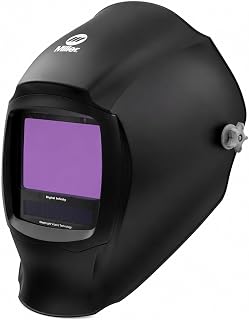
Digital Infinity™ Welding Helmet, ClearLight™
Check PriceBefore we judge Miller specifically, it helps to define what separates a good welding helmet from a bad one. A quality hood blocks 100 percent of harmful ultraviolet and infrared rays, gives you a crisp view of the weld puddle, and stays comfortable during a ten-hour shift. No single helmet works perfectly for everyone, but a great one balances optical clarity, comfort, durability, and safety certification.
Optical Clarity and Lens Quality
The auto-darkening lens is the heart of any modern welding helmet. You want true color technology that reduces the greenish tint of older filters, so you can see the arc, the puddle, and the surrounding joint in natural tones. A high optical class rating, especially 1/1/1/1 according to the EN379 standard, indicates minimal distortion and even shading across the lens.
Miller uses its proprietary ClearLight lens in many models, which delivers a bright, high-contrast view before and during the weld. The number of arc sensors also matters. More sensors reduce the risk of the lens staying light when you move out of position. For a welder forced to work in tight corners, four sensors are far more reliable than two.
Comfort and Fit
A helmet that feels heavy or digs into your neck after an hour will ruin your concentration and your bead quality. The best helmets weigh under 20 ounces and use an adjustable, padded headgear with multiple contact points that spread the load. Miller pays a lot of attention to headgear ergonomics, often featuring oversized ratcheting knobs that you can turn even while wearing thick TIG gloves.
Durability and Build Quality
Welding environments are tough on equipment. Sparks, spatter, drops, and heat can ruin a cheap shell in a few months. A good helmet uses a robust polyamide blend or similar impact-resistant materials. The lens covers should be easy to replace, and the electronics must hold up against high-frequency TIG starts. Miller helmets have a solid reputation for surviving daily abuse in industrial settings, a key reason many pipeline welders stick with the brand.
Safety and Standards
Any helmet you buy should meet the ANSI Z87.1 impact standard and comply with federal safety guidelines. Miller helmets go beyond the minimum, often passing the more rigorous CAN/CSA Z94.3 for head and face protection. When you compare two helmets, do not assume all auto-darkening filters block UV equally, look for the certification label inside the shell.
Miller Welding Helmets: A Detailed Breakdown
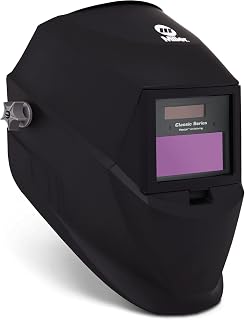
Classic Series Welding Helmet, ClearLight™, Shade 8-13, Black
Check PriceMiller Electric builds helmets for every welding discipline, from light hobby MIG to heavy industrial stick welding. Their lineup splits into a few clear tiers, and knowing the differences will help you avoid overspending on features you do not need. If you want to compare all the top models side by side, our top-rated Miller helmets guide breaks down every current option.
Miller Digital Elite Series
The Digital Elite is the helmet most welders picture when they think of Miller. It features the ClearLight lens technology, a large 13.4 square inch viewing area, and four arc sensors. One standout is X-Mode, which electromagnetically detects the arc instead of relying solely on light sensors. This eliminates interference from sunlight or bright job site lighting, a real problem when welding outdoors or near large bay doors.
Digital Elite models include a grind mode button on the outside of the shell, so you do not have to flip up the hood to switch tasks. The variable shade range runs from shade 8 to 13, covering everything from low-amp TIG to heavy flux-cored wire. Welders who demand razor-sharp clarity for thin stainless TIG or delicate aluminum work often pick this line first.
Miller Classic Series and Value Line
Not every job requires the most advanced electronics. Miller offers the Classic series for fabricators and maintenance welders who need a reliable auto-darkening lens without spending a fortune. These helmets still carry the ANSI certification and use quality filters, but you might get two arc sensors instead of four, and the viewing area can be slightly smaller.
For a hobbyist restoring a car frame or a student burning 6010 at school, a Classic model delivers essential protection and visibility at a price point that leaves room for other gear. The weight stays reasonable, and the headgear comfort is surprisingly close to the pricier siblings. You trade some low-amp TIG performance and the clever X-Mode feature, but for 90 percent of stick and MIG work, these helmets perform extremely well.
Miller Titanium and Industrial PAPR Models
On the high end, Miller builds the Titanium series and powered air-purifying respirator (PAPR) systems. The Titanium helmets push viewing area to a massive 17 square inches and add advanced controls like an external shade and delay adjustment. When you step into a PAPR setup, you combine helmet protection with filtered air, a crucial upgrade if you weld galvanized steel, stainless, or anything that generates heavy fumes.
These helmets are not cheap, but for a professional working in confined spaces or a production environment where lung health matters, the investment pays off quickly. The head seals, airflow, and overall integration show that Miller put real design hours into these systems, rather than bolting a blower onto an existing shell.
Pros and Cons of Miller Welding Helmets
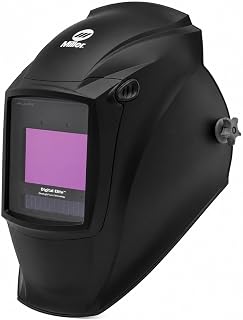
Digital Elite™ Welding Helmet, ClearLight™ 4X Lens, Black (QR)
Check PriceEvery brand has strengths and weaknesses. Here is a realistic look at what you gain and what you might sacrifice with a Miller hood.
- Excellent optical clarity, especially in the Digital Elite and Titanium lines
- X-Mode sensor technology drastically reduces false triggers from sunlight
- Sturdy, long-lasting headgear that stays comfortable on long shifts
- Wide range of models from budget-friendly to fully equipped PAPR
- Strong resale value and widespread parts availability
- Replacement lens covers and headgear parts are easy to find at local welding supply shops
- Higher upfront cost compared to entry-level import helmets
- Some classic models lack the full set of arc sensors for extreme out-of-position work
- Shell shape on certain models can feel bulky if you wear a pancake hood all day
- Battery replacement requires a small screwdriver on older designs, which is less user-friendly
How Miller Compares to Other Top Brands
Digital Infinity™ Welding Helmet, ClearLight™
Check PriceLincoln Electric and 3M Speedglas are the most common competitors you will see on a shop floor. Lincoln offers its Viking series, which often matches Miller on optical clarity and includes 4C lens technology. The Viking 3350 is a direct rival to the Digital Elite, and many welders compare them head-to-head before buying. Lincoln tends to have a slightly larger viewing area in its flagship models, while Miller counters with the X-Mode system and a warmer color tone that some eyes prefer.
Speedglas helmets sit at the premium industrial end and are almost untouchable for lens quality, but they come with an eye-watering price tag. If you weld aerospace alloys or perform high-code TIG, Speedglas might be the top choice. For a welder doing general fabrication, pipeline, or heavy equipment repair, Miller hits a sweet spot of performance and value. Reading through detailed Miller helmet reviews with side-by-side comparisons will make these differences even clearer.
Are Miller Welding Helmets Good for Beginners?
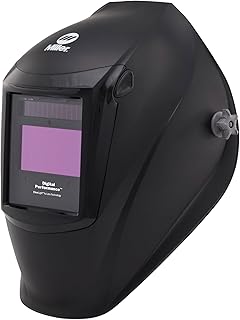
Digital Performance™ Welding Helmet, ClearLight™ 4x, Black
Check PriceYes, a Miller helmet is an excellent choice for a beginner, provided you pick the right model. A student welder needs a hood that protects eyes without adding frustration. The Classic series or a lower-tier Digital Infinity gives new welders a large viewing area and fast switching speeds, so they can see the puddle develop instead of guessing. Good visibility shortens the learning curve because you can immediately identify when your angle or travel speed is off.
There is a temptation to buy the cheapest auto-darkening helmet on Amazon, but a bad lens can make you develop poor arc control habits. A Miller helmet holds resale value well, so if you later decide welding is not for you, it is easier to sell than a no-name hood. Consider it an investment in safety and skill development.
Are Miller Welding Helmets Good for Professional Welders?
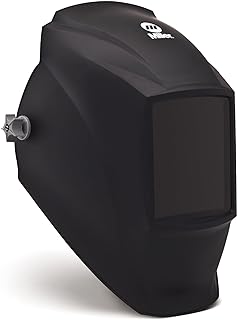
238497 MP-10™ Passive Welding Helmet, 4×4 in Viewing Area
Check PriceProfessionals who log 50 or 60 hours under the hood every week demand reliability, and Miller delivers it. The Digital Elite and Titanium models hold up to heavy use, with robust shells that handle knocks and a lens that stays dark exactly when it should. Pipeline rig welders often run Miller because the X-Mode sensor works flawlessly in direct sunlight, something that cheaper helmets cannot consistently do.
The ability to swap lens covers, replace batteries, and adjust settings with gloved hands saves time on a production schedule. Many contractors buy Miller because they know their local Airgas or Praxair carries every spare part. That uptime advantage is worth more than the initial price difference over a budget helmet.
Frequently Asked Questions About Miller Helmets
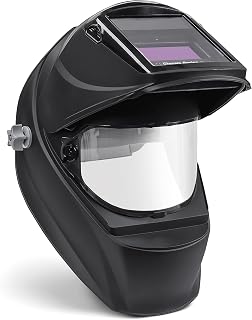
Genuine Classic Series VSi Variable Shade Welding Helmet – 260938
Check PriceHow long does a Miller auto-darkening lens last?
With proper care, a Miller ADF can easily last five to eight years of regular use. The biggest enemy is physical impact. Dropping the helmet or letting it get crushed under heavy pipe can crack internal components. Replacing the external lens cover whenever it gets pitted prolongs the life of the expensive filter.
Are Miller helmets suitable for TIG welding low amps?
Yes, especially the Digital Elite and Titanium lines. They support shades down to 8 and use sensitive sensors that pick up a 5-amp DC arc without flickering. If you TIG weld thin stainless or chromoly tubing, you will appreciate the true color view that keeps the molten puddle looking crisp rather than washed out.
Do Miller helmets come with a warranty?
Miller provides a three-year warranty on most auto-darkening assemblies and a limited one-year warranty on the helmet shell and headgear. Always keep your receipt and register the product, warranty service from Miller is generally fast and honored through authorized distributors.
Can I replace the battery myself?
Yes. Many Miller models use a lithium coin battery that you can replace in under five minutes with a small Phillips screwdriver. Newer designs feature a tool-free battery door. The solar assist panel extends battery life significantly, so you might go years before needing a new battery.
How to Choose the Right Miller Helmet for Your Work
Start by listing your primary welding processes. If you only run MIG and flux-core inside a well-lit shop, a Classic or even an entry-level Digital Infinity will give you all the clarity you need. For outdoor stick welding, the X-Mode feature on the Digital Elite is almost mandatory to prevent the lens from flashing you when the sun hits the sensors.
Think about your neck. A Titanium helmet weighs a bit more, but the huge viewing area can reduce head-tilting strain. If you do a lot of overhead or cramped position work, the weight and balance of the helmet become critical. Miller’s headgear allows you to shift the center of gravity forward or back, something that makes a real difference by hour eight on the job.
Finally, consider future needs. A PAPR helmet might seem like overkill today, but if you know you will start welding galvanized ductwork or working inside a tank, buying a compatible system now saves the cost of a whole new hood later. Many Miller helmets accept an add-on PAPR respirator kit, so you can upgrade without starting over.
Final Verdict: Are Miller Welding Helmets Good?
Without a doubt, Miller welding helmets are good, and in many categories, they are great. The combination of optical clarity, dependable auto-darkening speed, and rugged build quality puts them at the front of the pack for both beginners and experienced welders. They are not the absolute cheapest option, but you rarely hear a welder complain about the money they spent on a Miller hood after a month of daily use.
If you weld for a living, the extra features like X-Mode, ClearLight technology, and comfortable headgear translate directly into longer hood-down time and better welds. If you are a weekend warrior, a Miller Classic model will protect your eyes and show you the puddle far better than any bargain helmet. The real question is not whether Miller helmets are good, it is which Miller model fits your work and your wallet best. Now that you know the answer, you can make that choice with confidence.