Starting your welding journey is exciting, but walking into a supply store without a plan can be overwhelming. The gear aisle overflows with options, and guessing what matters most often leads to wasted money. The question you are asking is exactly the right one: what accessories do you need to start welding? The answer goes beyond simply picking a welding machine. It includes protective equipment, hand tools, and a few extras that make every project safer and more precise.
This guide walks you through the must-have welding accessories for beginners. You will learn which items are non-negotiable for safety and which supportive tools will speed up your learning curve. By the end, you can build a starter kit that balances protection, efficiency, and budget without unnecessary clutter.
Table of Contents
Why Welding Accessories Matter for Beginners

VASTOOLS MIG Welding Tools, 10pc
Check PriceWelding fuses intense heat, blinding light, and molten metal. Even a simple tack weld exposes you to sparks, UV radiation, and toxic fumes. Without the right accessories, you risk painful burns, eye damage, and inconsistent weld quality. Beginners often focus only on the machine, but the support gear defines your safety and the final result.
Proper accessories also build good habits from day one. When you learn to weld with a well-fitted helmet, sturdy gloves, and reliable clamping tools, you develop steady hand control and accurate joint alignment. These early routines stick with you and separate a clean bead from a messy one. For a deeper look at gear that elevates your whole setup, you can check out this comprehensive list of essential welding accessories.
Safety Gear You Cannot Skip
Safety accessories form the foundation of your welding kit. These items protect your face, hands, body, feet, and lungs. According to the American Welding Society safety guidelines, every welder must use designated personal protective equipment before striking an arc. Here is what you need, item by item.
Welding Helmet
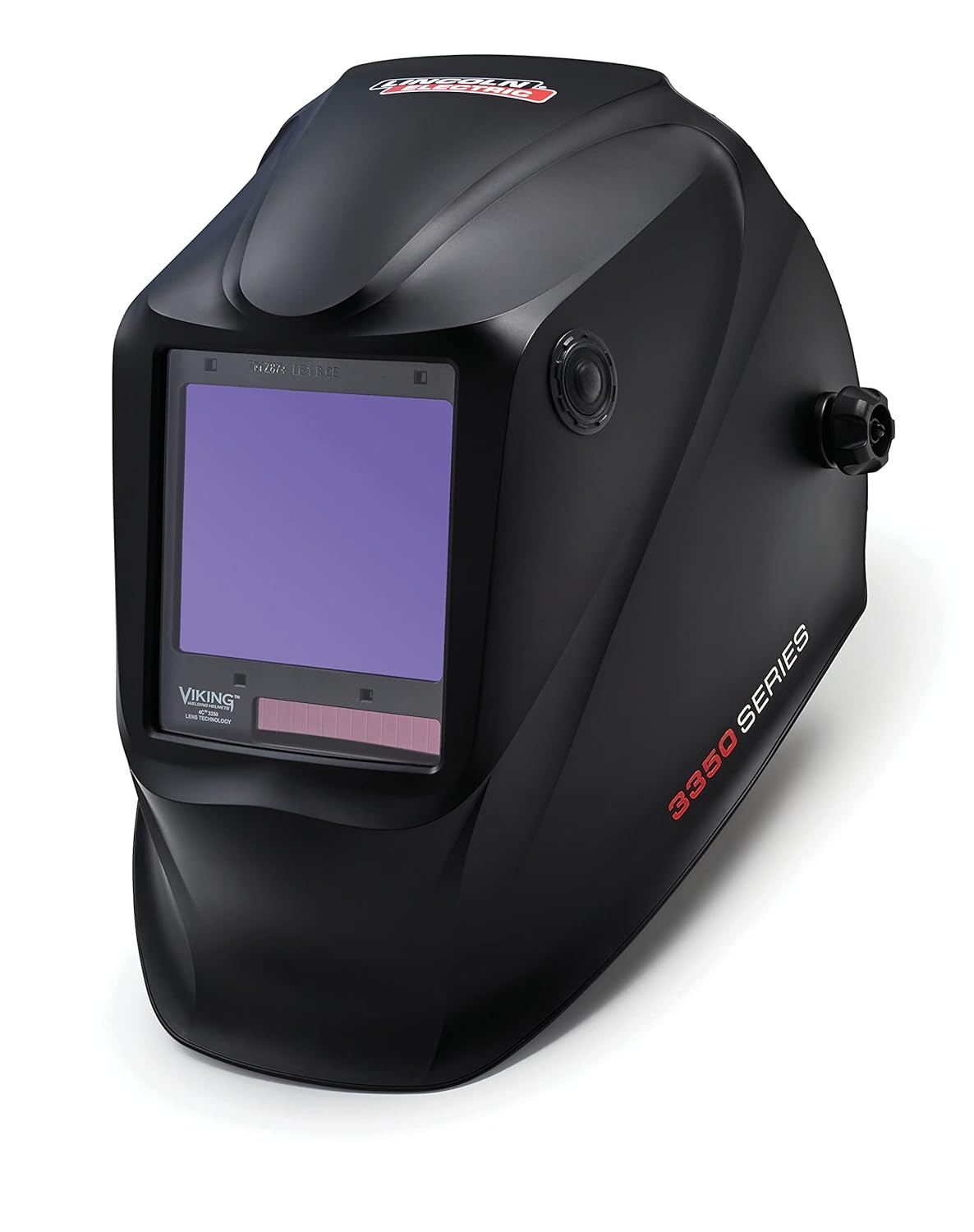
Lincoln Electric K3034‑4 VIKING 3350 Welding Helmet
Flagship Lincoln helmet with a 12.5 sq. in. viewing area, 4C lens technology, 4 sensors, and X6 headgear for pro‑level clarity and comfort.
Check PriceA welding helmet is your first line of defense. It shields your eyes from harmful UV and infrared rays while blocking flying sparks. For beginners, an auto-darkening helmet makes the learning process far easier. You can see your workpiece clearly before the arc starts, and the lens darkens in a fraction of a second once you start welding. This eliminates the head snap that often disturbs a beginner’s hand position.
Look for a helmet with variable shade control, comfortable headgear, and a lightweight shell. ANSI Z87.1 certification is a minimum requirement. A fixed-shade passive helmet costs less, but the convenience and reduced neck strain with auto-darkening models are worth the investment for a starter.
Welding Gloves
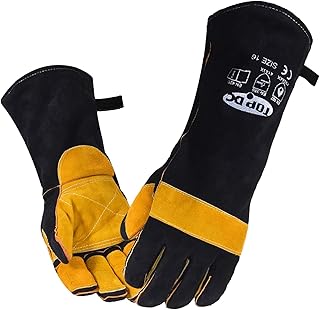
TOPDC Welding Gloves 16-Inch 932°F Heat Resistant Leather
Check PriceYour hands work inches away from molten puddles. Quality welding gloves prevent burns and provide the dexterity needed to feed filler rod or adjust settings. Stick welding demands thicker leather gloves with high heat resistance. MIG welding calls for a balance of protection and flexibility. TIG welding requires thin, soft gloves that allow precise fingertip control.
Always buy gloves made specifically for welding. Mechanic-style or garden gloves lack the heat-rated leather and Kevlar stitching required to withstand a stray slug of hot spatter. Replace gloves as soon as the leather stiffens or develops holes.
Welding Jacket and Apron
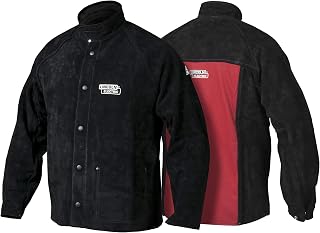
Lincoln Electric Heavy Duty Leather Welding Jacket
Check PriceA cotton long-sleeve shirt simply will not cut it. Hot slag burns through synthetic fabrics in an instant, and cotton ignites at lower temperatures than you might expect. A flame-resistant welding jacket or leather apron creates a barrier across your torso and arms. Choose a jacket made from treated cotton or split cowhide leather. For light hobby work, a heavy-duty denim or FR cotton apron combined with welding sleeves offers solid coverage.

QeeLink Leather Welding Apron 6 Pockets Heat Flame Resistant for Blacksmith | Split Cowhide Work Tool Apron with Aramid Thread | Heavy duty | Adjustable M to XXXL for Men & Women
Check PriceNever wear cuffed pants or shirts with open pockets. These catch sparks like a net. Your clothing, along with your protective outerwear, should fit comfortably but not loosely.
Welding Boots
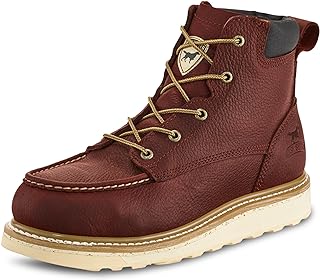
Irish Setter Ashby Aluminum Toe Work Boot, Water Resistant & Lightweight
Check PriceA hot piece of slag rolling off the bench can melt through sneakers in seconds. Leather work boots with a high top and non-slip soles are essential. Rubber-soled shoes and athletic footwear have no place in a welding shop. Look for boots that meet ASTM F2413 standards for impact and compression. The metatarsal guard adds extra protection if you frequently weld in flat or horizontal positions where sparks fall directly onto your feet.
Welding Respirator

Miller ML00894 Lpr-100 Respirator W/Filters
Check PriceWelding fumes contain metal particulates and gases that can damage your lungs over time. Even mild steel produces manganese and other irritants. A half-face respirator with P100 or N95-rated filters is a wise addition to your starter kit. It fits under most welding helmets and filters out at least 95 percent of airborne particles.
If you weld galvanized steel, stainless, or in a poorly ventilated area, a respirator moves from optional to essential. Long-term lung health is not something you can buy back later.
Essential Tools for Your First Welding Setup
Beyond safety gear, a handful of hand tools and cleaning equipment make a dramatic difference in your results. These accessories help you prepare metal, hold workpieces securely, and clean welds. Many of these items also appear on any list of the materials you need to weld, so pulling them together early saves time.
Welding Clamps and Magnets
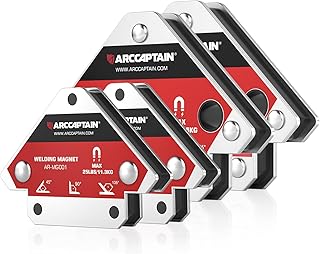
ARCCAPTAIN Welding Magnets 25LB & 55LB 4Pcs Welding Magnet Set
Check PriceYou cannot weld accurately if your joint shifts mid-bead. Welding clamps, C-clamps, locking pliers, and magnetic squares hold parts in perfect alignment. Magnetic V-pads and arrow magnets are especially handy for holding flat stock at 90 or 45-degree angles. Look for magnets with a high pull force rating and shielded surfaces that resist spatter buildup.
Start with at least two 11-inch locking pliers, a pair of magnetic squares, and a few C-clamps. As your projects grow, you can expand your clamping arsenal.
Chipping Hammer and Wire Brush
Stick and flux-core welding leave a layer of slag over the weld bead. A chipping hammer removes this brittle coating with a light tap, and a wire brush scrubs away the remaining residue. This duo is also useful for cleaning mill scale and light rust before you weld. Look for a chipping hammer with a spring handle to reduce vibration and a brush with stainless steel bristles that resist rusting.
Angle Grinder
An angle grinder is easily the most versatile tool in a welder’s kit. It prepares metal by grinding bevels, removing rust and paint, and cleaning weld joints. After welding, it smooths beads, cuts off excess material, and finishes surfaces. A 4.5-inch grinder with adjustable guard handles most beginner tasks. Add a few grinding wheels, flap discs, and cutoff wheels to cover all stages of a project.
MIG Pliers
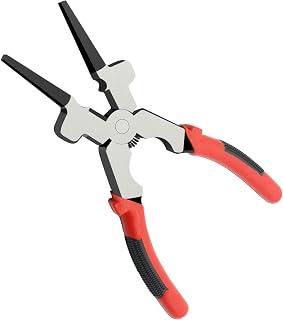
8″ MIG Welding Pliers with Insulated Handle
Check PriceThese specialized pliers are purpose-built for MIG welding. The dual-action head lets you remove the nozzle, clip the wire tip, and unscrew the contact tip with one tool. They also include a section for removing spatter from the nozzle. While not mandatory for stick welding, MIG pliers save enormous time during setup and cleanup.
Soapstone Marker
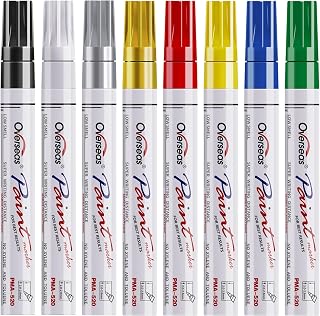
Overseas 8 Colors Paint Pens, Oil Based Permanent Paint Markers Medium Tip
Check PriceBefore you weld, you need to mark cut lines and bend points on metal. Soapstone markers are heat-resistant and leave bright, visible lines that do not contaminate the weld pool. They are inexpensive and simply sharpen with a file. Keep a couple in your apron pocket, and you will use them constantly.
Welding Cart and Cylinder Rack
A dedicated cart keeps your machine, gas cylinder, and consumables in one mobile station. This prevents tripping over hoses and reduces the risk of a cylinder tipping over. Many beginner-friendly carts include a tray for tools and a chain to secure the bottle. A tidy workspace encourages frequent practice.
Welding Fume Extractor
While a respirator protects your lungs directly, a fume extractor prevents toxic smoke and metal particulates from circulating in your shop in the first place. Portable extractors pull manganese, hexavalent chromium, and iron oxide at the source before they can reach your breathing zone. If you are setting up in an enclosed home garage, combining a small extractor or exhaust system with your personal respirator is the smartest approach for long-term health.
How to Prioritize Your Purchases on a Budget
Building out a complete toolkit can get expensive fast. If you need to acquire your gear in stages, group your purchases by safety, joint preparation, and workflow convenience:
- Tier 1: Mandatory Safety (Buy First): Auto-darkening helmet, process-specific leather gloves, flame-resistant jacket, high-top leather boots, and a P100 half-face respirator. Never strike an arc without these present.
- Tier 2: Core Prep & Alignment (Buy with Machine): 4.5-inch angle grinder with flap discs, 2 to 4 locking C-clamps, two magnetic squares, a wire brush, and a soapstone marker. Metal preparation and fit-up are impossible without these.
- Tier 3: Convenience & Upgrades (Buy Later): Mobile welding cart, MIG pliers, chipping hammer (if running stick), portable fume extractor, and specialty alignment fixtures. These elevate your efficiency but can wait for future projects.
Frequently Asked Questions
Can I use a standard grinding face shield for welding?
No. A clear grinding shield only offers physical impact protection from debris. It provides zero shade protection against the intense ultraviolet (UV) and infrared (IR) radiation produced by a welding arc, which causes arc eye (corneal burns) within seconds.
What is the difference between MIG, TIG, and Stick gloves?
Stick gloves use thick cowhide and heavy lining to handle extreme radiant heat and heavy spatter. TIG gloves use thin goatskin or pigskin to maximize tactile feel for feeding thin filler rod. MIG gloves sit in the middle, balancing heat resistance with finger flexibility.
Do I really need an auto-darkening helmet as a beginner?
It is not strictly mandatory, but it significantly accelerates learning. Auto-darkening lenses allow you to set your torch position while viewing through a clear shade, darkening the moment the arc strikes. This prevents hand movement caused by flipping down a traditional passive helmet.
Why are mechanics gloves unsafe for welding?
Mechanics gloves contain synthetic materials like nylon, polyester, and rubber. Hot sparks melt these synthetics instantly, fusing hot liquid plastic to your skin. Always use heat-rated leather gloves stitched with Kevlar thread.
Building Your Starter Kit Step-by-Step
Equipping your workspace with the right welding accessories is just as crucial as choosing the machine itself. Protective gear secures your physical health, while proper preparation tools ensure clean, strong weld beads. By starting with essential safety items and adding hand tools as your skills grow, you set up a clean, safe, and efficient workspace built to last.