Walking into a welding shop without the right safety accessories is a gamble you do not want to take. Sparks fly, fumes build up, and intense light can damage your eyes in seconds. That is why every welder, from a weekend hobbyist to a full-time professional, needs reliable welding shop safety accessories. These tools and gear are not optional, they are your first line of defense against burns, respiratory issues, and long-term health problems. In this guide, you will learn exactly which accessories matter most, how to choose them, and how to use them properly.
Table of Contents
Why Welding Shop Safety Accessories Matter

VASTOOLS MIG Welding Tools, 10pc
Check PriceWelding generates extreme heat, ultraviolet radiation, and toxic fumes. Without proper protection, you risk arc eye, skin burns, and lung damage. Safety accessories are designed to shield you from these dangers at every step of the process. According to OSHA guidelines for welding safety, employers and workers must use approved protective gear to minimize workplace hazards.
Even in a small home shop, the same rules apply. The right accessories not only prevent injuries, they also improve your comfort and precision while you work. Over time, consistent use of quality safety gear becomes a non-negotiable habit. It is worth investing in items that meet ANSI and OSHA standards, not cheap knockoffs that fail when you need them most.
Essential Personal Protective Equipment (PPE) for Welding
Personal protective equipment forms the core of any welding shop safety setup. These accessories cover your body from head to toe. Start with the most critical piece, your welding helmet, and then work your way down.
Welding Helmets and Face Shields
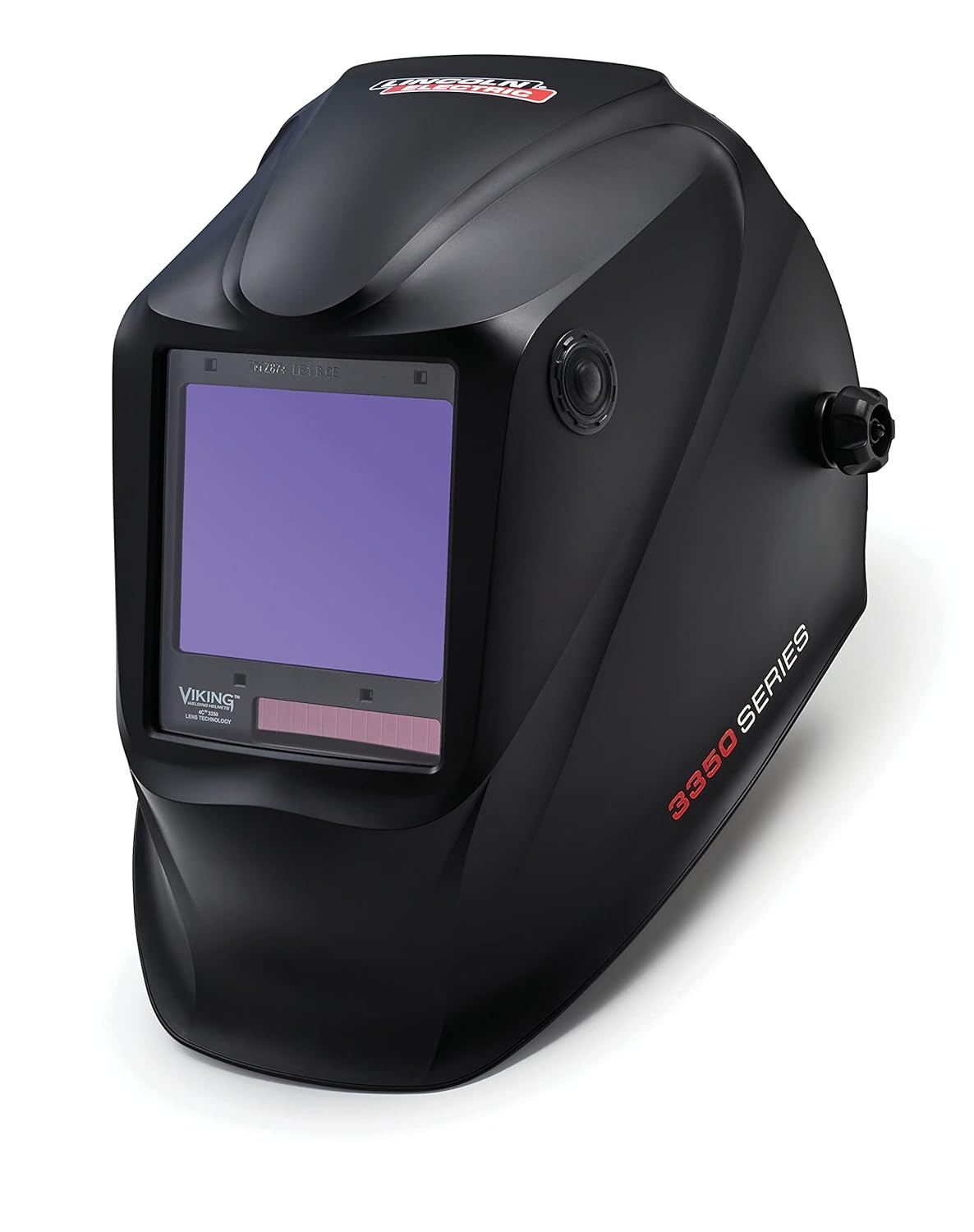
Lincoln Electric K3034‑4 VIKING 3350 Welding Helmet
Flagship Lincoln helmet with a 12.5 sq. in. viewing area, 4C lens technology, 4 sensors, and X6 headgear for pro‑level clarity and comfort.
Check PriceYour eyes and face are most vulnerable during welding. A quality auto-darkening welding helmet adjusts its lens shade instantly when the arc strikes. This lets you see clearly during setup and then protects your eyes from harmful UV and infrared rays. If you prefer passive helmets, you will need a fixed shade lens that you flip down manually.
Face shields are an extra layer you wear under or alongside a helmet for grinding tasks. They block flying debris and sparks. Always check the shade number for your specific welding process. MIG and TIG welding typically require shade 10 to 13, while plasma cutting can use a lower shade.
Welding Gloves
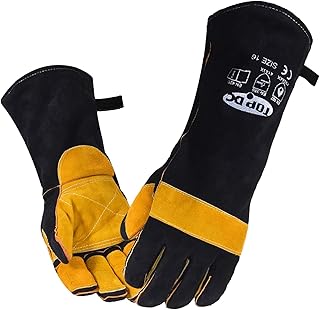
TOPDC Welding Gloves 16-Inch 932°F Heat Resistant Leather
Check PriceHeavy-duty leather gloves are non-negotiable. They protect your hands from heat, sparks, and sharp metal edges. Look for gloves with reinforced palms and Kevlar stitching for extra durability. MIG welding gloves tend to be thicker, while TIG gloves offer more dexterity so you can feel the torch and filler rod.
Always inspect gloves for holes or worn spots before you start a job. Even a tiny tear can let a hot spark through and cause a serious burn. Keep a spare pair in your shop so you are never tempted to work barehanded, not even for a quick tack weld.
Respirators and Fume Extraction

Miller ML00894 Lpr-100 Respirator W/Filters
Check PriceWelding fumes contain metal particles and gases that can harm your lungs over time. A half-face respirator with appropriate filters, such as P100, catches these contaminants before you breathe them in. If you weld stainless steel or galvanized metal, a supplied air system or PAPR (powered air purifying respirator) is an even safer choice.
In addition to personal respirators, a good shop needs fume extraction systems. A portable fume extractor with a flexible arm placed near your weld zone pulls harmful smoke away from your breathing zone. Natural ventilation through open doors and windows helps, but mechanical extraction is far more reliable.
Welding Jackets and Aprons
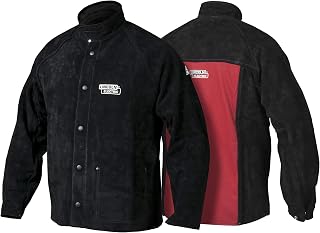
Lincoln Electric Heavy Duty Leather Welding Jacket
Check PriceFlame-resistant clothing prevents sparks and spatter from burning your skin and regular clothes. A leather welding jacket offers the highest heat protection, especially when you are doing heavy stick or flux-cored welding. For lighter work, a cotton fire-resistant jacket is cooler and more comfortable.
Welding aprons are a practical alternative for quick jobs or when you need coverage mainly on your front. They are easy to put on and take off. Whichever you choose, make sure the fabric covers your arms fully and closes at the neck to stop spatter from sneaking inside.

QeeLink Leather Welding Apron 6 Pockets Heat Flame Resistant for Blacksmith | Split Cowhide Work Tool Apron with Aramid Thread | Heavy duty | Adjustable M to XXXL for Men & Women
Check PriceSafety Glasses and Ear Protection
Even under a welding helmet, you still need safety glasses. ANSI Z87.1 rated glasses protect against flying debris when you grind or chip slag. They also block side impact that a helmet alone might miss. For ear protection, use foam earplugs or earmuffs with a suitable Noise Reduction Rating.
Welding arcs can produce loud, high-frequency sounds that damage hearing over time. Grinding and hammering also create dangerous noise levels. Simple foam plugs are inexpensive and effective, but electronic earmuffs allow you to hear conversation while blocking harmful noise, a handy feature in busy shops.
Additional Shop Safety Accessories You Need
PPE is vital, but a well-equipped welding shop also relies on several other safety accessories that protect the workspace and everyone in it. These items reduce fire risk, improve visibility, and keep your environment controlled.
Welding Screens and Curtains
Welding screens create a safe zone around your arc. They block the intense light that can distract or injure anyone nearby, including fellow workers and pets in a home garage. Screens also contain sparks within a defined area, reducing the spread of hot metal.
Choose semi-transparent curtains if you want to keep an eye on your surroundings while still filtering UV light. Opaque screens offer maximum privacy and protection. Mount them on wheels so you can reconfigure your workspace quickly as projects change.
Fire Extinguishers and Blankets
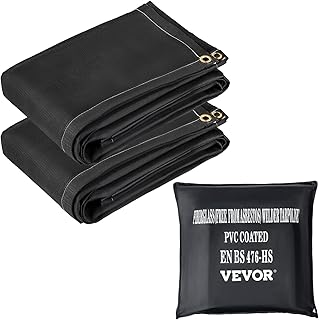
VEVOR Fire Blankets, 2 Pack 8′ x 10′
Check PriceEvery welding shop must have a working fire extinguisher rated for Class ABC fires. Keep it in an accessible spot, not buried behind clutter. Training yourself and your crew on how to use it properly is just as important as having it hanging on the wall.
Welding blankets are another must-have. They shield flammable surfaces, such as wooden workbenches or nearby vehicles, from sparks and spatter. Fiberglass and carbon felt blankets withstand high temperatures and are reusable. If you use a welding blanket for a smoker or barbecue project, make sure it is rated for direct heat and not just for light spark protection.
Proper Ventilation Systems
We touched on fume extraction earlier, but overall shop ventilation deserves its own category. Even with a respirator, poor air circulation allows hazardous fumes to accumulate in the room. An exhaust fan ducted to the outside removes smoke and pulls in fresh air.
If you weld frequently in a confined space, such as a garage with a closed door in winter, invest in a powered air cleaner. These units filter fine particulate from the air continuously. Carbon filters can also neutralize odors from paints and solvents often found in a multi-use shop.
Welding Clamps and Magnetic Grounds
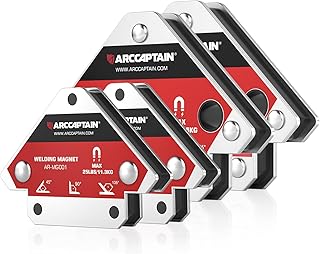
ARCCAPTAIN Welding Magnets 25LB & 55LB 4Pcs Welding Magnet Set
Check PriceSafety is not just about protective clothing, it is also about secure work holding. Loose metal pieces can shift or fall during welding, causing accidents. A good set of welding clamps, C-clamps, and locking pliers keeps your material firmly in place.
Magnetic ground clamps make a solid electrical connection, reducing the risk of arc flashes and poor welds. They attach quickly to irregular shapes and help maintain a stable circuit. A poor ground can create a dangerous electrical path through your body, so always double-check your connections before striking an arc.
How to Choose the Right Safety Accessories
With so many options on the market, picking the best welding shop safety accessories can feel confusing. The key is to match your gear to your specific welding processes and work environment. Someone doing TIG aluminum welding at a bench has different needs than a pipeline welder out in the field.
Start by checking that every product meets recognized safety standards. Look for ANSI Z87.1 on eye and face protection, ASTM markings on leather gear, and NFPA 70E for arc flash clothing. Read reviews from other welders and do not be tempted by the cheapest items. A pair of gloves that falls apart after a week puts you at risk and costs more in the long run.
- Assess your shop hazards: heavy spatter, confined space, high amperage.
- Prioritize fit and comfort. Ill-fitting gear gets left in the drawer.
- Replace damaged accessories immediately, no matter how small the defect.
- Keep a checklist and inspect all safety gear before each shift.
For a deeper dive into the hazards you face, check out our guide on safety risks every welder should know. Understanding the risks makes it easier to choose the right equipment. We also have a comprehensive list of best welding accessories to help you make informed purchases.
Frequently Asked Questions
What is the most important safety accessory in a welding shop?
The welding helmet is arguably the most critical piece. It protects your eyes from permanent UV damage and your face from burns. Without a proper helmet, even a brief arc exposure can cause extreme pain and long-term vision loss.
Do I need a respirator for occasional hobby welding?
Yes. Even occasional exposure to welding fumes can irritate your lungs and lead to chronic issues over time. A half-face respirator with P100 filters is an affordable and effective way to protect yourself, no matter how often you weld.
Can I use thin leather gloves for TIG welding?
TIG welding does require thinner gloves for dexterity, but they must still be made of heat-resistant leather. Goatskin or cowhide TIG gloves let you feel the filler rod while keeping your hands safe from the arc and hot metal. Never use cloth or mechanic gloves for any welding process.
How often should I replace my welding helmet lens?
Replace the outer clear lens cover when it becomes pitted, scratched, or hazy. A damaged lens reduces visibility, which can cause mistakes and eye strain. Most welders replace the outer cover lens several times a year, while the inner shade lens lasts much longer if it is not physically damaged.
Conclusion
A safe welding shop does not happen by accident. It comes from choosing the right welding shop safety accessories and using them every single time you fire up the torch. From a sturdy helmet and respirator to welding blankets and fire extinguishers, each piece plays a vital role in protecting your health and your workspace.
Make a habit of inspecting your gear, replacing worn items promptly, and educating anyone who shares your shop. The few extra minutes you spend suiting up are nothing compared to the cost of a preventable burn or lung injury. Start with the essentials listed in this guide, and you will build a foundation of safety that supports every project you take on.