Choosing between a gold welding lens and a green lens is one of the most debated topics among professional welders. The lens you pick directly impacts your visibility, arc clarity, and long-term eye health. If you have ever squinted through a cheap lens and finished a bead with a headache, you know how critical the right shade of glass is. This guide breaks down the optical science, real-world performance, and specific use cases for both lenses.
We will walk you through the manufacturing process, contrast differences, and why some pipeline welders swear by a particular color. By the end, you will clearly understand whether the premium cost of a gold coating is worth it for your rig.
Table of Contents
The Science Behind Passive Lens Coloring
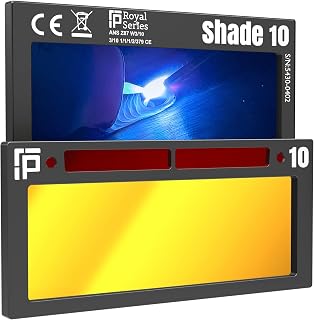
Shade 10 Gold Auto Darkening Welding Lens | 20A TIG Rated | King 2.0
Check PriceTo understand the gold welding lens vs green debate, you first need to understand how passive lenses filter light. These are not just tinted pieces of glass. They are precision optical filters designed to block harmful ultraviolet (UV) and infrared (IR) radiation while allowing a tiny fraction of visible light to pass through.
A standard green lens relies on an absorptive filter technology. The glass is doped with minerals and metallic oxides during manufacturing. This mixture naturally absorbs the blue light and harsh bright spikes in the welding arc spectrum. However, the filtering process in an uncoated green lens can sometimes mute the entire color spectrum, leaving you with a flat, monochromatic view of the puddle.
How the Gold Coating Works
A gold welding lens is not solid gold, of course. It starts as the same high-quality absorptive glass as a premium green lens. The manufacturer then applies a microscopic layer of 24-karat gold to the surface using a vacuum deposition process. This creates a reflective mirror coating that bounces infrared heat radiation away from your eyes.
This reflective property is the magic behind the gold lens. Instead of absorbing all the heat, it rejects it. This keeps the glass cooler and reduces the thermal stress on your eyes during long welding sessions. The gold coating selectively filters specific wavelengths, resulting in superior color recognition without sacrificing the shade level protection required for arc welding safety.
Optical Clarity and Puddle Visibility

Gold Welding Lens – Small 2″ × 4.25″ Premium Schott German Glass
Check PriceThe primary reason welders pay extra for a gold lens is the dramatic improvement in optical clarity. When you strike an arc with a TIG welder, you need to see the exact transition of the filler rod melting into the base metal. A standard green lens often masks the color difference between the molten puddle and the surrounding heat-affected zone.
A gold lens shifts the visible light spectrum toward a warmer, amber-orange hue. This specific color filtering enhances contrast. The tungsten electrode tip appears razor-sharp, and the liquid puddle looks distinctly bright against the darker, cooling weld background. This defined separation allows you to manipulate the torch with much higher precision.
Green lenses have a tendency to wash out the arc in environments with high ambient light. If you weld outside on a pipeline, a standard green shade 10 or 11 can appear hazy. The gold reflective coating cuts through that glare, dampening the ambient light penetration while keeping the arc highly visible.
The Contrast Comparison in Stick and MIG Welding
For heavy stick welding with 6010 or 7018 rods, the arc is violent and produces heavy smoke. A green lens works perfectly fine here because the massive puddle is fairly easy to track. However, with MIG welding, especially short-circuit transfer, you are looking for the distinct crackle and tiny ball formation.
The gold lens helps you differentiate between the wire tip and the pool. Many welders report that they can reduce their shade number by one level when using gold compared to green. Because the gold lens manages heat and light more efficiently, you can use a shade 10 gold lens where you might need a shade 11 in green, allowing more visible light and detail to reach your eyes without sacrificing protection.
Eye Strain and Long-Term Fatigue
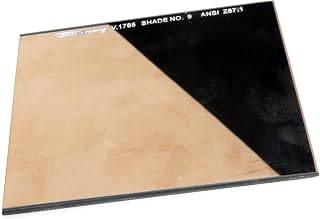
Forney 57070 Lens Replacement Gold Welding Filter
Check PriceOne overlooked aspect of the gold welding lens vs green comparison is eye relief. If you weld for eight hours a day, the lens material matters. An absorptive green lens traps IR energy inside the filter glass. After hours of continuous use, the lens physically heats up. While you do not feel it on your face, the heated glass radiates subtly toward your eyes.
This constant thermal exposure contributes to that dry eye or gritty feeling after a long shift. A gold mirror finish reflects up to 99.9% of that IR heat before it enters the glass matrix. The lens stays noticeably cooler. This passive cooling effect is why you see pipeline rig welders working 12-hour days without the burning eye fatigue associated with standard hoods.
Protection Against Blue Light Hazard
There is growing concern in the industry about the blue light hazard emitted by LED arcs and modern inverter machines. High-energy visible blue light penetrates deep into the retina. An uncoated green lens attenuates a lot of this, but a multi-coated gold lens cuts it significantly more. If you use a high-frequency inverter TIG machine, the spectral output is harsh, and the gold lens provides a broader spectrum dampening.
Cost Analysis and Durability
Price is usually the first objection to choosing a gold lens. A genuine imported gold-coated glass plate can cost three to four times more than a standard green polycarbonate or glass filter.
- Gold Lenses: Typically $30 to $80, depending on the manufacturer and shade level, and usually require a protective cover plate to prevent scratching the delicate gold coating.
- Green Lenses: Often cost $5 to $20, made of tinted glass or polycarbonate, and are slightly more forgiving on surface scratches.
Durability is a key factor in the gold welding lens vs green conversation. The gold coating is thin. If you grind near your hood or drop the lens, the gold surface can scratch easily. You must always sandwich a gold lens between a clear cover plate and a backing plate. A scratched green lens still functions safely, but a scratched gold lens loses its reflective properties quickly.
However, if properly cared for, a high-quality gold lens can last years. Welders who treat them like camera lenses, storing them in microfiber bags inside dedicated welding helmet bags, find the investment pays for itself through reduced missed defects and rework.
Specific Applications: TIG vs Stick vs MIG
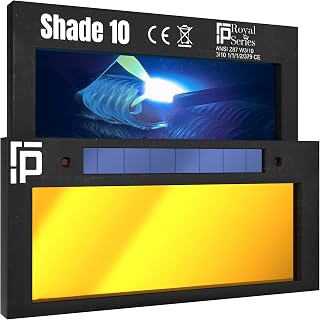
Ridge Products | Gold Shade 10 Auto Darkening Welding Lens
Check PriceNot every welding process requires the same lens. Matching the lens to your process is critical to avoid overpaying for technology you do not need.
TIG Welding Precision
This is where the gold lens dominates. TIG requires low amperage with a tiny arc length. You must see color changes in the steel as you adjust heat input via a foot pedal. The orange hue of the gold filter highlights these color changes. With a green lens, chromium poisoning of the tungsten ball and the subtle oxide cleaning action are much harder to see.
Stick Welding in the Field
Pipeline and structural stick welders historically love green lenses because they are cheap and rugged. However, the phased shift toward gold on pipeline spreads is massive. Digging the rod into the root pass requires perfect vision of the keyhole. The gold lens eliminates the fog that appears around the keyhole opening in a green shade.
MIG Work in Fabrication Shops
For production MIG at high amperage, the arc is a bright spray. A good polycarbonate green lens is acceptable here if you are on a budget. But if you are welding fabricated aluminum with a spool gun, the reflective nature of the aluminum puddle creates blinding bright spots. A gold lens corrects this mirror effect better than a green lens can.
Gold Welding Lens vs Green: The Shade Level Rule
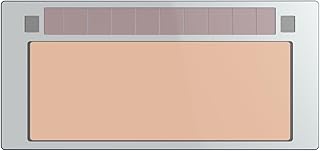
Tefuawe 2×4 1/4 Gold Automatic Welding Lens
Check PriceYou must never drop below the safe minimum shade for your amperage. OSHA and ANSI Z87.1 provide clear guidance. The unique optical density of gold allows you to perhaps stick to shade 10 where you used shade 11 green, but do not push this too far. Gold does not block more UV, it blocks more IR and blue light. The shade number matters for visible light blocking.
According to ANSI standards, for gas tungsten arc welding (TIG) under 50 amps, a minimum shade 8 is sometimes allowed, but many professionals use shade 10. For 50 to 150 amps, shade 10 is standard. A gold lens at shade 10 can feel like a green shade 11 in terms of glare, but it is legally still a shade 10. Your employer’s safety protocols should always dictate your minimum shade, regardless of lens color.
The Polycarbonate Plastic Factor
Many green lenses sold today are plastic polycarbonate filters, not glass. Polycarbonate green lenses are lightweight and shatterproof. However, optical clarity is inferior to glass. Glass has a higher Abbe value, meaning less chromatic aberration.
A true gold lens is always glass because the vacuum deposition process requires a stable substrate that will not off-gas. If you are comparing a cheap green polycarbonate window to a gold glass filter, there is no contest. The glass alone provides a sharper image, even before we discuss the gold coating. For the purest light transmission, a mineral glass filter like the true gold lens sits in a league of its own. Welders searching for the best passive welding lens often overlook material composition, focusing only on color.
Setting Up Your Passive Hood Properly
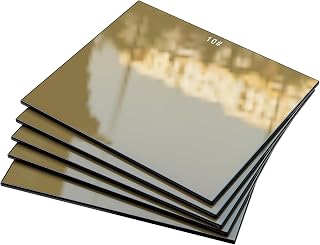
TRQWH 5pcs Welding Glass Lens Shade 10 Gold
Check PriceA gold lens will fail early if your hood setup is wrong. The number one killer of gold lenses is ghosting. Ghosting happens when you stack lenses incorrectly, causing a reflection of the arc inside the lens pack that confuses your sight.
The correct stacking order in your hood frame matters significantly:
- Outer Cover Plate: A clear, scratch-resistant polycarbonate sheet to take the spatter hits.
- The Gold Filter Lens: The precious glass goes in the middle, with the gold mirror side facing toward the arc.
- Inner Cover Plate or Gasket: A clear glass or plastic plate often protects the back of the gold coating from moisture and your breath.
If you put the gold lens backward, the mirror will reflect light inward and create a dangerous secondary glare. Many welders buy expensive gold lenses and complain about blurry vision simply because they installed them wrong.
Cleaning and Maintenance Differences
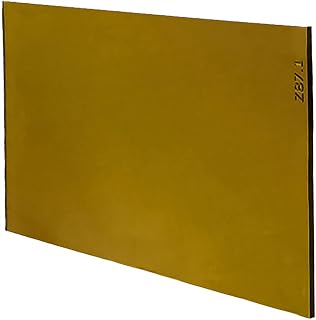
Large Welding Lens 4.5″ x 5.25″ Gold Coated Shade 11
Check PriceYou can wipe a green polycarbonate lens with a shirt sleeve, and it might survive. A gold glass lens demands respect. The gold coating is very thin. Wiping it with a dirty rag embeds micro-scratches that scatter light. For gold lenses, use only optical lens wipes or a clean microfiber cloth with distilled water. Alcohol-based cleaners can strip the binder layer under the gold coating.
If you smoke or weld in a humid environment, a green lens will outlast gold in terms of coating integrity. You need to seal a gold lens perfectly behind a gasket to prevent moisture ingress, which causes the gold to oxidize and turn a murky purple color. Using the correct technique to clean welding helmet lens components extends the life of your investment dramatically.
Why Pipeline Welders Prefer Gold
If you look at a spread of rig welders on a cross-country pipeline, the vast majority use gold lenses. This is not a fashion trend, it is physiological. Pipeline welding requires you to pass x-ray quality welds in cramped, awkward positions often with limited lighting. The root bead on a 24-inch pipe is driven in deep shadows.
A green lens makes the inside of the pipe bevel look like a black hole. With a gold lens, the reflective coating bounces ambient light slightly into the bevel, giving you a fighting chance to see the featheredge of the land before you blow through it. This level of control reduces repair rates, which are extremely costly on cross-country jobs.
Furthermore, they use pancake welding hoods and fixed shade setups. A pancake hood positions the lens extremely close to the eye. Any optical distortion is magnified. The ground and polished glass of a gold filter is markedly clearer than planar green polycarbonate.
Frequently Asked Questions
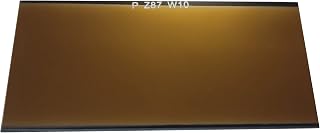
Best Welds Hardened Glass Gold Replacement Welding Lens
Check PriceIs a gold welding lens worth the extra money?
If you weld for a living or demand high-precision TIG welds, yes, the visual clarity and reduced eye fatigue justify the cost. If you are a hobbyist welding occasionally with flux-core or heavy stick, a quality green glass lens is sufficient.
Can you use a gold lens for plasma cutting?
Plasma cutting requires a lighter shade, typically between shade 5 and 8. Gold lenses are available in these lower shades and work exceptionally well for plasma cutting because they reveal the fine line of the cut path against the metal surface. While a green lens works too, the reflective gold properties help reduce the glare of the electric arc on the molten metal pool during cutting.
Does a gold lens block more UV than a green lens?
No. Both properly manufactured lenses block 100% of harmful UV radiation regardless of shade number. The difference lies in IR heat reflection, blue light attenuation, and visible light clarity, not UV protection.
Why does my gold lens look purple or green around the edges?
This is a sign of moisture damage or coating delamination. The 24-karat gold coating oxidizes when exposed to humidity. Once the edges turn dark purple or greenish, the filter is compromised and should be replaced to ensure consistent optical density.
Can I weld with a gold lens without a cover plate?
Never. Spatter will instantly pit and destroy the gold surface. Always keep a sacrificial clear polycarbonate cover lens in front of the gold plate and swap the cheap cover lens out when it gets cloudy.
Final Verdict: Which Lens Should You Choose?
In the gold welding lens vs green debate, there is not a one-size-fits-all answer, but the data strongly favors specific use cases. For the career fabricator doing precision work or a pipe welder needing to nail a root pass in the dark, the gold lens is the superior tool. It reduces heat stress, enhances color contrast, and allows finer manipulation of the puddle. It is an investment in your craft quality and physical comfort.
For the farm repair welder, the student, or the heavy industrial stick welder burning massive rods with lots of smoke, a high-quality green glass lens still provides excellent service at a fraction of the price. Avoid cheap green polycarbonate if you can afford glass, but remember that technique always trumps equipment. Even a gold lens will not fix a bad weld angle. Keep your lenses clean, avoid moisture, and always respect the shade thresholds to protect your vision for life.