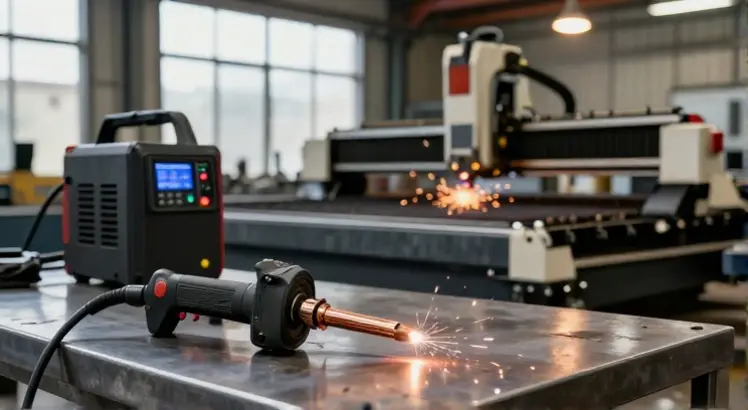
When you start shopping for a plasma cutter, you quickly realize there is not just one type. From compact handheld units to massive CNC tables, the types of plasma cutters available can transform how you cut metal on a job site or in a fabrication shop. Learning the differences helps you match a machine to your budget, materials, and cut quality expectations.
Many beginners assume all plasma cutters work the same way. In reality, the internal starting method, the cutting gas used, and whether the unit is portable or automated determine how well a cutter performs on thin sheet metal versus thick steel plate. This guide breaks down all major categories so you can choose the right plasma system with confidence.
We will walk through plasma cutter types based on their operating principle, power source, and application. You will also find practical tips and real world comparisons that help you avoid buying a machine that is underpowered or overly complex for your daily work.
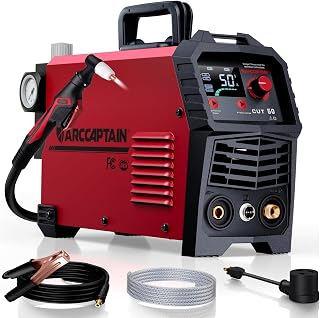
ARCCAPTAIN 50A Plasma Cutter with Large LED Display
Check PriceTable of Contents
What Are the Main Types of Plasma Cutters?
Plasma cutters fall into several categories that often overlap. A single machine may be an air plasma cutter with a pilot arc start and inverter technology that you use by hand. To understand the landscape, it helps to break things down by the core technology first.
The most common way to classify plasma cutters is by how they ignite the plasma arc. Another method is by the cutting gas used, such as compressed air, oxygen, nitrogen, or argon hydrogen mixtures. Application based categories like handheld, mechanized, and CNC plasma tables also play a huge role in choosing the right type. We will cover each angle so you see the full picture.
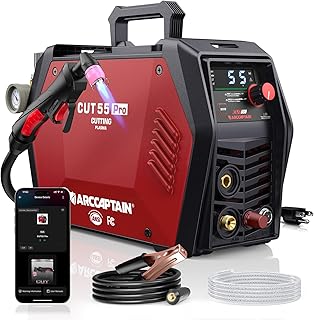
ARCCAPTAIN iControl CUT55 Pro
Check PriceAir Plasma Cutters
Air plasma systems use compressed shop air as the plasma gas and cooling medium. They are by far the most popular type for small shops, hobbyists, and mobile repair work. You simply connect an air compressor to the cutter and you are ready to sever mild steel, stainless steel, and aluminum up to about one inch thick, depending on amperage.
The beauty of air plasma cutters lies in their simplicity. There is no need to rent or store expensive gas cylinders. Most entry level and mid range 110 volt and 220 volt units rely on this technology. They deliver a clean cut on thinner materials and are forgiving when your compressor output fluctuates a bit.
- Use compressed air only
- Ideal for mild steel up to 1 inch
- Common in handheld and portable machines
- Lower operating cost compared to dual gas systems
While air plasma works well, it does leave a slightly rougher edge and can introduce some oxidation on stainless or aluminum if not tuned correctly. For most users, this tradeoff is worth the convenience. If you need superior edge quality on non ferrous metals, you might look at nitrogen or oxygen based systems later on.
High Frequency Start Plasma Cutters
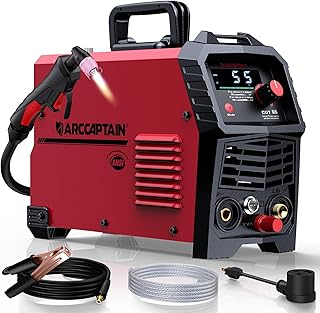
ARCCAPTAIN 55A Plasma Cutter
Check PriceHigh frequency start technology uses a high voltage, high frequency spark to ionize the gas inside the torch and initiate the pilot arc. This method is common in older industrial units and some budget friendly imported machines. It creates a reliable arc initiation without needing the torch to touch the workpiece.
However, high frequency start generates a burst of electromagnetic interference that can disrupt nearby electronics, CNC controllers, and even your radio. For manual cutting in a field environment, this is usually not a problem. In a shop with computers and sensitive equipment, it can be a real headache. Many modern plasma cutters have moved away from this design, but you will still encounter it when browsing used equipment or very low cost units.
One advantage of high frequency start is that it works well with rougher, painted, or rusty surfaces because the spark can jump a small gap. For pure manual torch cutting where EMI is not a concern, these machines can be a cost effective option.
Pilot Arc Plasma Cutters
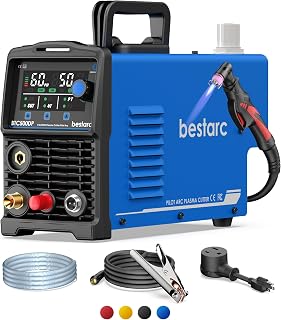
Bestarc 50A Pilot Arc Plasma Cutter
Check PricePilot arc technology is the modern standard for handheld and many CNC plasma cutters. The torch uses a moving electrode or a secondary circuit to create a small pilot arc that ignites the main cutting arc when it contacts the workpiece. This eliminates the need for a high frequency spike altogether.
Because there is no high frequency interference, pilot arc cutters are safe to use near computers, CNC controllers, and other sensitive gear. They also allow you to start the cut without touching the torch tip to the metal, which reduces consumable wear and enables piercing thicker material. You can hold the torch slightly above the plate, pull the trigger, and the pilot arc jumps across the gap.
- No electromagnetic interference
- Works well for CNC and automated cutting
- Longer consumable life
- Easier piercing on painted or rusty surfaces
Most name brand portable units under $1,000 usd a pilot arc torch. If you plan to eventually mount your cutter on a small CNC table, choose a pilot arc model right from the start, you will not regret it.
High Definition Plasma Cutters
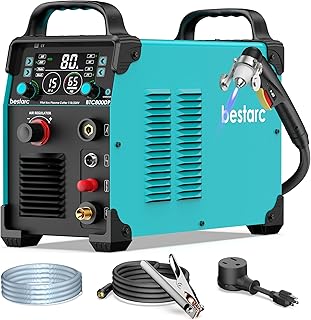
Bestarc 80A Plasma Cutter
Check PriceHigh definition plasma represents the top end of the technology. These systems use a highly constricted arc, precision gas flow control, and advanced power supply electronics to deliver a cut that rivals laser quality on materials up to about 2 inches thick. You typically find them in heavy fabrication, shipbuilding, and large scale manufacturing.
Unlike a standard air plasma machine, a high definition unit often uses a mixture of gases, such as oxygen as the plasma gas and air or nitrogen as the shield gas. The torch design is much more complex, with multiple channels and fine tuned swirl technology. The result is a square cut edge with minimal dross, a narrow kerf, and almost no heat affected zone discoloration.
These machines are not for the casual user. They require a serious investment, three phase power in many cases, clean dry gas supplies, and regular alignment of the torch on a CNC gantry. However, for a shop that processes dozens of sheets per day, the productivity gain and cut quality justify the cost.
Handheld vs. Mechanized Plasma Cutters
Another way to group plasma cutter types is by how you move the torch. Handheld plasma cutters are what most people picture: a compact power supply connected to a hand torch. You guide the torch yourself, following a line or a template. They shine in field repair, demolition, and art projects where portability matters.
Mechanized plasma cutters are designed to be mounted on a track, pipe cutting carriage, or CNC table. The torch body is straight and streamlined for mounting in a machine. The power supply often offers a higher duty cycle and interfaces that receive start commands from a controller. You cannot effectively use a mechanized torch by hand, it lacks the ergonomic grip and trigger placement.
Some power supplies now offer quick change torches that allow you to swap a hand torch for a machine torch in minutes. This dual purpose approach is popular with shops that want one plasma cutter to do everything from manual cutting to running on a small CNC table.
CNC Plasma Table Systems
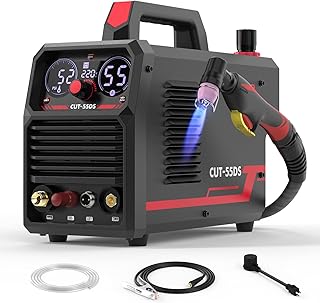
YESWELDER CUT-55DS
Check PriceCNC plasma cutters combine a mechanized plasma power supply with a computer controlled motion table. The table moves the torch in X and Y axes according to a CAD file. This type of plasma cutter is perfect for producing consistent, repeatable parts from sheet metal and plate. Sign makers, custom furniture builders, and agricultural repair shops all rely heavily on CNC plasma.
Most CNC plasma tables use an air plasma or pilot arc power source with a machine torch. The control software adjusts cut height, pierce delay, and amperage automatically. You will often see water tables underneath the cutting grid to trap smoke and reduce distortion. When shopping for a plasma cutter for CNC use, you need one with a CNC interface port that accepts a torch fire signal and provides arc voltage feedback for automatic height control.
Plasma Cutter Types Based on Power and Duty Cycle
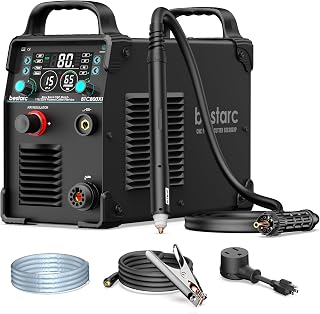
Bestarc 80A CNC Plasma Cutter
Check PriceInverter Plasma Cutters
Inverter technology has revolutionized portable plasma cutting. An inverter power supply converts incoming AC voltage to DC, then oscillates it at a high frequency to step up or down through a lightweight transformer. This results in a compact, energy efficient package that weighs a fraction of traditional machines.
Today, almost every handheld plasma cutter under $500 usd and most up to 60 amps uses an inverter design. You can carry a 50 amp inverter plasma cutter in one hand. Inverter machines also automatically adjust to a wide range of input voltages, making them ideal for job sites with questionable power.
Transformer Based Plasma Cutters
Older industrial plasma systems and some high amperage machines still use a traditional copper wound transformer power supply. These units are heavy, rugged, and built to deliver a stone cold reliable output. They are not portable in the backpack sense, you move them with a forklift or set them permanently on a factory floor.
For a shop that runs a CNC plasma table eight hours per day, a transformer based machine may still make sense. The thermal reserve and heavy duty components tolerate a 100 percent duty cycle at rated amperage without breaking a sweat. The trade off is weight, power consumption, and price.
How to Choose the Right Type of Plasma Cutter
Picking the best type of plasma cutter starts with your typical material thickness, cutting environment, and future plans. A farmer repairing equipment in a field needs a pilot arc, 110 or 220 volt inverter unit with an air compressor. A fabrication shop producing hundreds of stainless steel brackets per week may justify a high definition CNC system with oxygen assist.
Spend a few minutes listing the thickest metal you cut regularly, not the maximum you hope to cut once a year. Then add 20 percent to that number for good measure. If you normally sever 1/2 inch plate, a 50 amp air plasma unit handles it easily. Our plasma cutter amperage guide covers these calculations in detail so you do not buy a machine that struggles on daily jobs.
Pay close attention to the start method if you plan to use the cutter indoors near computers or on a CNC table. A pilot arc torch saves you from a world of interference headaches. For a full walkthrough of features to consider, read our article on choosing the right plasma cutter before you commit.
Practical Comparisons and Tips
It helps to see a side by side reality check. A classic 40 amp air plasma cutter with a pilot arc torch can cleanly sever 1/2 inch mild steel at about 12 inches per minute. That same cut speed on a high definition system might exceed 30 inches per minute with a near laser edge. However, the high definition setup will cost 10 to 20 times more.
If you mainly work with art signs, thin sheet, and occasional plate, a reliable inverter plasma cutter with an air compressor is the sweet spot. It offers low cost, easy consumables, and simple maintenance. When you step into production cutting where every second per part counts, mechanized and high definition plasma becomes a real profit driver.
For detailed technical specifications, many professionals reference Hypertherm’s plasma education center as a trusted resource on plasma cutting technology and torch design.
Frequently Asked Questions
What is the most common type of plasma cutter for home use?
The most common type is an air plasma cutter with a pilot arc start and inverter technology. These machines run on 110 or 220 volts, use compressed air, and can handle from thin sheet metal up to roughly 3/4 inch plate. They are affordable, portable, and perfect for home workshops and light fabrication.
Can a handheld plasma cutter cut thick metal?
A large handheld plasma cutter rated at 80 or 100 amps can sever steel up to 1.5 inches thick, though edge quality drops off quickly beyond its rated cut capacity. For the cleanest cuts, handheld units are best kept to their recommended thickness range, usually marked as quality cut vs. severance on the spec sheet.
What type of plasma cutter is best for CNC use?
A pilot arc plasma cutter with a machine torch and a CNC interface port is the clear winner. High frequency start units can disrupt the controller and motor drives, leading to erratic motion and ruined parts. Look for a power supply that provides an arc voltage output and a torch fire input for seamless integration.
Do I need a special plasma cutter for stainless steel or aluminum?
Standard air plasma cutters handle stainless steel and aluminum without issue, but you may need to adjust cut speed and gas pressure to reduce edge oxidation. For top tier cut quality on non ferrous metals, fabricators often switch to a dual gas or high definition system using nitrogen or argon hydrogen mixes.
What is the difference between high frequency start and pilot arc?
High frequency start uses a high voltage spark to initiate the arc, which causes electromagnetic interference. Pilot arc uses a mechanical or circuit based pilot arc inside the torch without a high voltage spike. Pilot arc systems are cleaner to run near electronics and greatly extend consumable life by avoiding touch starts.
Conclusion
The types of plasma cutters available today cover everything from a lunchbox sized inverter that cuts brackets to a full CNC high definition system that carves 2 inch plate like a laser. Your best move is to align the plasma technology with your everyday cutting tasks, not the occasional extreme job.
Start with a quality pilot arc air plasma unit if you are a beginner or need a versatile shop tool. As volume and precision demands grow, look toward mechanized options and eventually high definition. Understanding the core categories, air vs. gas, high frequency vs. pilot arc, and handheld vs. CNC, ensures you invest in a machine that pays for itself quickly.
For deeper dives, check our plasma cutter amperage guide and the full article on choosing the right plasma cutter. With the right knowledge, you will be cutting cleaner, faster, and safer in no time.