Getting the cleanest, fastest cuts from a plasma cutter starts with understanding one critical variable: plasma cutter amperage. If you set your machine too low, the arc may struggle to pierce the metal or produce a rough, dross-heavy edge. Crank it too high, and you risk warping thin material, burning up consumables prematurely, and wasting energy. The key is matching amperage to the job, and this guide breaks it all down in plain English.
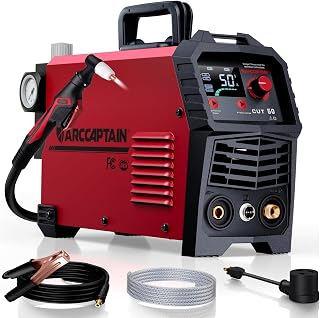
ARCCAPTAIN 50A Plasma Cutter with Large LED Display
Check PriceTable of Contents
What Is Plasma Cutter Amperage and Why Does It Matter?
Amperage, often abbreviated as amps, measures the amount of electrical current flowing through the plasma arc. In simple terms, higher amperage creates a hotter, more powerful arc that can cut through thicker metal faster. Lower amperage produces a softer arc, which is better suited for thin sheet metal, precise artwork, or delicate auto body repairs.
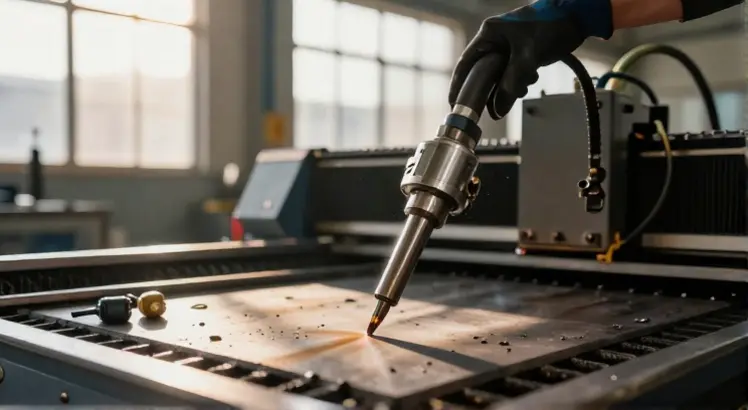
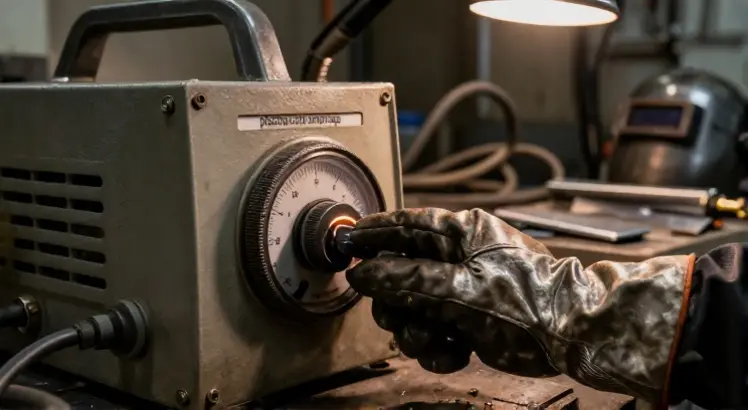
When you adjust the dial on your plasma cutter, you are directly altering the cutting amperage. Some entry-level machines have a fixed output, while advanced models let you dial in exact amps. This flexibility gives you control over cut quality, heat-affected zone size, and consumable life. A deep understanding of plasma cutter amperage helps you avoid the two most common mistakes: struggling with an underpowered arc and overloading your machine on light gauge material.
How Amperage Affects Cutting Thickness
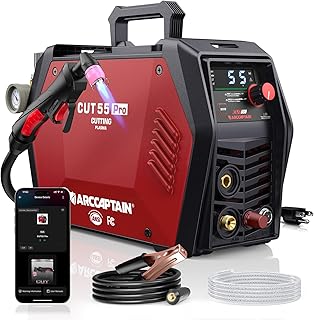
ARCCAPTAIN iControl CUT55 Pro
Check PriceEvery plasma cutter rating includes a recommended maximum cut thickness. There are actually two thresholds you need to know: the rated cut, which gives a smooth, high-quality edge, and the severance cut, where the machine simply manages to separate the metal but leaves a rough, angled edge. Amperage directly determines both numbers.
A 30-amp machine might achieve a quality cut on 1/4-inch mild steel and sever up to 3/8-inch. Step up to a 50-amp plasma cutter, and you can expect a clean cut on 1/2-inch plate and a severance cut on 3/4-inch material. For sheet metal under 1/8-inch, lower amperage, often around 20 to 30 amps, reduces warping and yields a very narrow kerf.
Mild Steel
Mild steel responds predictably to amperage changes. As a rule of thumb, you need about 20 amps for every 1/8-inch of thickness on a quality cut. A 40-amp unit will handle 1/4-inch mild steel nicely, while a 60-amp machine comfortably takes on 3/8-inch plate. When air pressure and travel speed are dialed in correctly, the chart follows a near-linear relationship.
Stainless Steel
Stainless steel requires a bit more heat to overcome its lower thermal conductivity. You may need to increase amperage by about 10 to 15 percent compared to mild steel for the same thickness. Because a crisp cut is critical for food-grade or aesthetic stainless work, using the correct amperage prevents discoloration and excessive dross.
Aluminum
Aluminum dissipates heat quickly, so it often demands higher plasma cutter amperage than mild steel. However, too many amps on thin aluminum will melt the edge. Many fabricators find that matching mild steel amperage settings and increasing travel speed works well. Specialized plasma cutters with blowback start technology excel here because they minimize high-frequency interference and deliver a stable arc.
Amperage vs. Duty Cycle: Another Key Factor
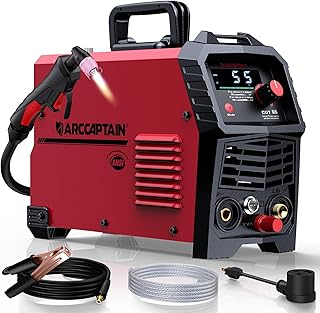
ARCCAPTAIN 55A Plasma Cutter
Check PricePlasma cutter amperage cannot be evaluated in isolation, you must also look at the duty cycle. The duty cycle tells you how long a machine can run at a given amperage within a 10-minute period before it needs to cool down. A compact 30-amp cutter with a 35 percent duty cycle can run for about 3.5 minutes of continuous arc time at full output, then it must rest. For production work, a higher duty cycle is often more important than raw amps.
Many machines allow you to cut at a lower amperage to extend the duty cycle. If your project involves long, uninterrupted cuts, running a 50-amp cutter at 40 amps can keep you working longer without hitting the thermal overload. Always check the manufacturer’s rating at both the maximum and typical operating amperage. For detailed specifications, you can refer to Hypertherm’s plasma cutting selection guide.
Recommended Amperage Chart for Different Materials
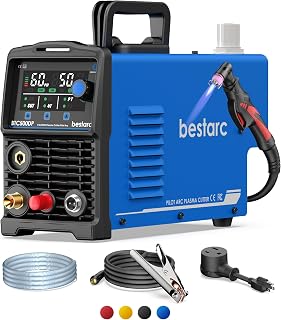
Bestarc 50A Pilot Arc Plasma Cutter
Check PriceBelow you will find a practical, shop-floor reference that matches plasma cutter amperage to common material thicknesses. These values assume a standard handheld torch with clean, dry compressed air and a 220-volt input for units above 40 amps.
- 20 amps: Quality cut on 1/8-inch mild steel, severance cut on 1/4-inch. Ideal for auto body panels and sign making.
- 30 amps: Quality cut on 1/4-inch mild steel, severance cut on 3/8-inch. Great for general maintenance and light fabrication.
- 40 amps: Quality cut on 3/8-inch mild steel, severance cut on 1/2-inch. Solid choice for structural repairs and farm work.
- 50 amps: Quality cut on 1/2-inch mild steel, severance cut on 3/4-inch. Very popular for heavy plate and industrial use.
- 60 amps and above: Quality cut on 5/8-inch or thicker, severance cut beyond 1 inch. Found in high-end CNC tables and professional fabrication shops.
These numbers are starting points. Actual performance varies with air quality, consumable condition, and torch height. If you want to see detailed performance examples at a specific power level, explore our breakdown of what a 50-amp plasma cutter can handle in real shop conditions.
How to Choose the Right Amperage for Your Needs
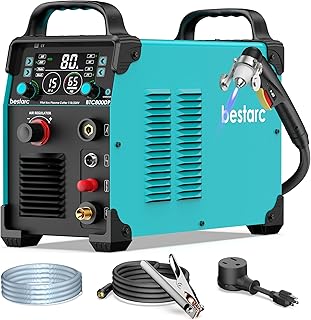
Bestarc 80A Plasma Cutter
Check PricePicking the correct plasma cutter amperage boils down to the thickest material you plan to cut on a regular basis. Do not buy a machine based on the severance rating, use the quality cut rating as your guide. If you mostly work with 1/8-inch steel, a 30-amp machine will feel effortless. If you occasionally need to cut 1/2-inch plate, a 50-amp unit gives you headroom without overshooting your budget.
Consider your power supply as well. Many lower-amperage cutters run on a standard 110-volt household outlet, which is convenient for a home garage. Once you cross the 40-amp threshold, most machines require 220-volt input for full output. Some dual-voltage units automatically adjust amperage when plugged into 110 volts, so you still get a functional, though reduced, cutting capacity.
Your future projects matter too. It is smarter to invest in a slightly higher amperage with a good duty cycle now than to outgrow a lightweight machine in six months. As a next step, we recommend reading our complete walkthrough on how to choose a plasma cutter, which covers torch types, pilot arc systems, and compressor pairing.
Common Misconceptions About Plasma Cutter Amperage
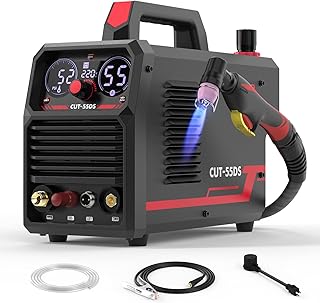
YESWELDER CUT-55DS
Check PriceOne persistent myth is that higher amperage always means faster cutting. While more amps do increase arc energy, travel speed and gas flow must be optimized together. Racing the torch across thick plate at full amps can leave behind a slanted edge and heavy bottom dross.
Another misconception is that you can simply turn the amperage way down on a high-amp machine to cut thin metal beautifully. In reality, the arc characteristics change at low settings, and the torch may struggle to maintain a focused plasma stream. Purpose-built low-amp torches or fine cut consumables produce far superior results on thin materials.
Additionally, some users believe that all 50-amp plasma cutters perform identically to each other. The brand engineering, torch design, and air filtration matter enormously. Two machines with the same amperage rating can deliver dramatically different cut quality on stainless or aluminum.
Frequently Asked Questions
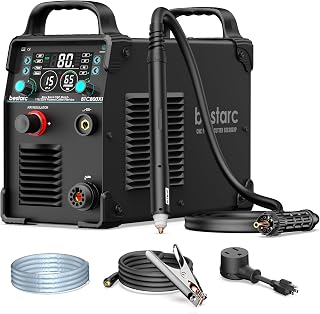
Bestarc 80A CNC Plasma Cutter
Check PriceDoes more amperage mean a thicker cut?
Generally, yes. Higher amperage produces a more energetic arc that can bridge a thicker metal section. However, the relationship is not infinite; torch design, air flow, and travel speed place an upper limit on what any given amperage can achieve cleanly.
Can I run a 50-amp plasma cutter on a 110-volt outlet?
Most 50-amp units require 220 volts for full output. Some dual-voltage models will operate on 110 volts, but the amperage will automatically drop, often to around 25 to 30 amps, limiting cutting capacity to thin sheet metal.
What happens if I set amperage too low for thick metal?
The arc may not pierce through the material, or it will create a ragged, incomplete cut with excessive slag. You also risk damaging the nozzle because the arc can wander inside the kerf, overheating the torch front end.
Do I need different consumables for different amperage settings?
Yes. Most torches have amperage-rated consumable sets. A 30-amp nozzle is not designed to handle 50 amps, and using the wrong combination causes rapid wear and poor cut quality. Always match the swirl ring, electrode, and nozzle to the amperage you intend to run.
Conclusion
Bestarc 50A Pilot Arc Plasma Cutter
Check PriceMastering plasma cutter amperage takes you from frustrated trial-and-error to confident, clean cuts on any material. Start by identifying your thickest common workpiece, use the quality cut rating as your benchmark, and always pair the correct amperage with a duty cycle that matches your workflow. Whether you are a weekend hobbyist or a full-time fabricator, respecting the relationship between amps, air pressure, and thickness is the single most effective way to extend consumable life and produce professional results. The next time you fire up the torch, dial in the amperage with intention, and you will immediately notice the difference.