If you are wondering how much does a good plasma cutter cost, the answer is not a single number. You can spend under $200 on a basic import unit or well over $5,000 on a heavy-duty industrial machine. The price depends entirely on what you need to cut, how often you use it, and the level of reliability your work demands.
A good plasma cutter for a home hobbyist sits in a very different bracket than one a fabrication shop relies on every day. Understanding the cost factors helps you avoid wasting money on power you do not need or ending up with a machine that fails after three projects.
This guide breaks down real-world pricing, explains what differentiates a cheap cutter from a solid mid-range unit, and shows you exactly where your money goes. You will leave knowing the sweet spot for your budget without sacrificing cut quality or lifespan.
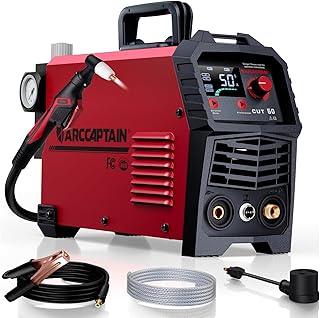
ARCCAPTAIN Plasma Cutter, Large LED Display 50Amps
Check PriceTable of Contents
What Determines the Price of a Good Plasma Cutter
The price tag on a plasma cutter reflects several core components that directly affect performance. Recognizing these variables makes it easy to compare models across different brands and price points.
Amperage and Cutting Capacity
Output amperage is the single biggest price driver. A 30-amp machine that severs 1/4 inch steel costs far less than a 60-amp unit that cuts 7/8 inch cleanly. You pay for the transformer, inverter components, and heavier-duty torch required to sustain higher arc energy.
For reference, a quality 40-amp plasma cutter that makes fast work of 3/8 inch mild steel generally lands in the $500 to $800 range. Jumping to a true 50-amp output with a 60% duty cycle pushes you toward $1,200 and up.
Duty Cycle and Build Quality
Duty cycle tells you how long the cutter can run in a 10-minute period without overheating. A 20% duty cycle at full output means 2 minutes of continuous cutting followed by 8 minutes of cooling. Hobby machines often run 20% to 35%, while professional units sustain 50% to 100% at their rated output.
Higher duty cycles demand more robust internal components, better cooling fans, and heavier heat sinks. This construction directly raises the cost. You can feel the difference, a 40-pound industrial cutter uses copper transformers and real heatsinks, while an entry-level model might weigh 15 pounds with aluminum windings.
Brand Reputation and Support
Well-known names like Hypertherm, Miller, Lincoln Electric, and ESAB price their machines higher for a reason. You get proven reliability, readily available consumables, and U.S.-based technical support. These are serious investments for people who cannot afford downtime.
Lesser-known import brands such as Lotos, Bestarc, or PrimeWeld offer aggressive pricing with surprisingly capable performance. The trade-off often comes in warranty length, parts availability, and long-term durability when pushed to their limits. You can learn more about plasma cutting basics from industry experts by reviewing this detailed walkthrough from Miller.
Technology: Pilot Arc vs High Frequency
Plasma cutters use either high-frequency start or blowback pilot arc technology. High-frequency start can interfere with nearby electronics and wears out consumables faster. Pilot arc, especially blowback design, provides a more reliable start and allows cutting expanded metal or rusty surfaces without the torch touching the workpiece.
Pilot arc machines cost a bit more but save you frustration, especially on a CNC table or when cutting dirty material. Budget cutters often skip this feature, so factor it into your comparison.
Price Range Breakdown: What You Actually Pay
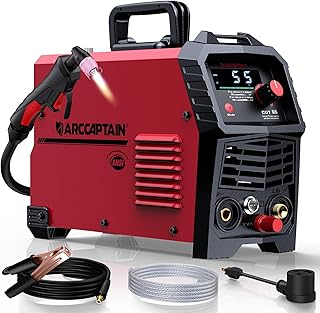
ARCCAPTAIN 55A Large LED Display Pilot Arc Plasma Cutter
Check PriceNow let us put real numbers to these categories. Prices can shift with sales and new model releases, but these tiers reflect the current market for machines with proven track records.
Budget-Friendly Cutters: Under $500
At this level you find 110V/220V dual voltage machines rated for 30 to 50 amps. They handle sheet metal, auto body panels, and art projects up to about 3/8 inch steel with a clean edge. Expect a 20% to 35% duty cycle and pilot arc on many models.
A great example sits in the $250 to $450 range from brands like PrimeWeld, Bestarc, or Lotos. These units can genuinely sever 1/2 inch plate if you are patient. You get excellent value for a home shop, but pushing them all day will shorten the lifespan. For a closer look at how these compare to more expensive models, see our side-by-side comparison of cheap and expensive machines.
Mid-Range Machines: $500 – $1,500
This is the sweet spot for serious hobbyists, small fabrication shops, and automotive restorers. You get 40 to 60 amps of cutting power, a real 40% to 60% duty cycle, and recognizable brand names like Hypertherm Powermax, Miller Spectrum, or the better import lines with strong reviews.
Machines in the $700 to $1,200 bracket often sever 3/4 inch and produce a factory-clean cut on 1/2 inch. Consumables are easier to find, and the torches are comfortable for extended use. Many also support CNC interface ports, so you can add mechanized cutting later without buying a new machine.
Professional and Industrial Units: $1,500 and Up
Above $1,500 you enter the domain of Hypertherm Powermax45 XP, Miller Spectrum 625 X-TREME, and bigger 80-amp or 105-amp workhorses. These cut 1 inch and beyond at production speeds. They come with advanced torch designs, gouging modes, and robust air filtration to survive in dirty shop environments.
Prices climb to $3,000 and $5,000 for 80-amp units with automated gas consoles. For a heavy structural shop, this cost is justified by reliability and throughput. You also get excellent service networks and consumable life that lowers operating cost over time.
Hidden Costs You Need To Know
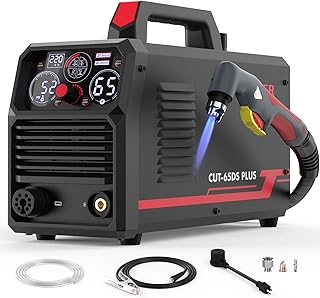
YESWELDER CUT-65DS PLUS Multifunctional Plasma Cutter
Check PriceThe sticker price of the cutter is only part of the equation. Overlooking these extras can turn a seemingly great deal into a frustrating experience.
- Air compressor requirements: Plasma cutters need clean, dry compressed air at a specific CFM and PSI. A small pancake compressor may barely feed a 30-amp cutter. Budget at least $200 to $500 for a proper compressor and air dryer if you do not already own one.
- Consumables: Electrodes, nozzles, swirl rings, and shields wear out. A set of consumables for a Hypertherm torch costs more but lasts longer than generic ones. Over a year of regular cutting, consumable costs can add $100 to $300.
- Safety gear: A plasma-rated welding helmet with shade 5 to 8, fire-resistant clothing, and heavy gloves are not optional. This adds $100 to $400 depending on the quality of your helmet.
- CNC table integration: If you plan to mount the cutter on a CNC, ensure it has the correct divided voltage output or interface port. Retrofit kits or specific machine versions add to the initial purchase.
How To Get a Great Plasma Cutter Without Overspending
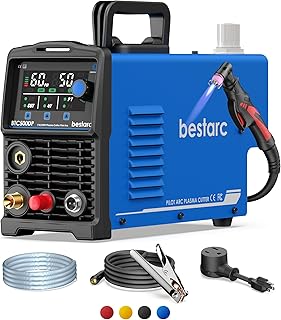
Bestarc Pilot Arc 50A Plasma Cutter
Check PriceA higher price does not automatically equal a better experience for your specific needs. Follow these practical steps to nail the right balance.
First, define the thickest metal you cut on a regular basis, not just once. Buy a machine whose rated clean-cut capacity exceeds that by 20%. If your projects mainly stay under 1/4 inch, a 40-amp pilot arc unit gives you headroom without the weight and cost of a 60-amp beast. For help matching specs to real jobs, read our detailed guide on choosing the right plasma cutter.
Look for inverter technology across all price points. Modern inverters are lighter, more energy-efficient, and produce a more stable arc than old transformer-based units. Even budget brands now use proven IGBT inverter designs.
Check user reviews specifically for duty cycle claims. A machine advertised at 60% duty cycle at 40 amps might only achieve that at 104°F ambient if the fan struggles in a hot garage. Real-world feedback from owners tells you if the cutter thermal trips too easily.
Consider used industrial machines from reputable brands. A factory-reconditioned Hypertherm Powermax30 or an older Miller Spectrum can often outperform a brand-new budget cutter for a similar price. Authorized refurbishers replace consumables and offer short warranties, giving you industrial reliability at a steep discount.
Frequently Asked Questions
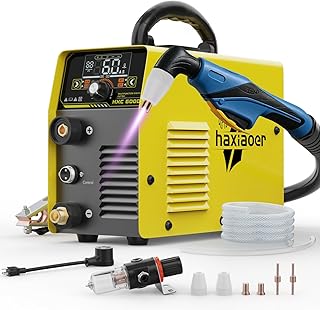
60A Portable Industrial Plasma Cutter
Check PriceCan I get a good plasma cutter for under $300?
Yes, you can find capable 30-amp dual voltage machines around $250 that cut 1/4 inch steel cleanly. They work well for thin sheet metal, auto body repair, and hobby art. Realize the duty cycle will be low and consumable life shorter than premium brands. For occasional light work, they are a solid entry point.
What amperage do I actually need for home use?
A 40-amp plasma cutter handles most homeowner and light fabrication tasks with ease. You can sever 1/2 inch and get a clean, fast cut on 3/8 inch. If you mainly cut 1/8 inch to 1/4 inch, even a 30-amp unit saves money and runs on a 20-amp 110V outlet, which adds convenience.
Do I need a pilot arc on my plasma cutter?
Not for every use, but a blowback pilot arc is highly recommended if you cut rusty metal, expanded mesh, or plan to mount the cutter on a CNC table. It allows the arc to start without touching the workpiece, which reduces tip wear and misfires. That small extra cost pays back quickly in smoother operation.
Why are Hypertherm plasma cutters so much more expensive?
Hypertherm invests heavily in advanced torch technology, patented consumable designs, and rigorous testing. Their machines typically deliver a tighter arc, longer consumable life, and excellent service support. For professionals who rely on a cutter daily, the higher upfront cost translates to lower operating costs and less downtime.
Final Thoughts on Plasma Cutter Pricing
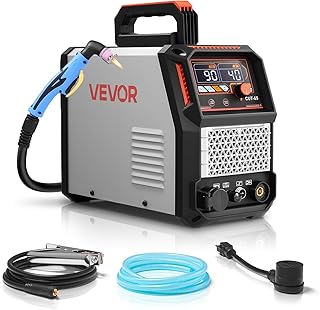
VEVOR 65A Non-Touch Pilot Arc Plasma Cutter
Check PriceA good plasma cutter is defined by how well it meets your workload, not by a lofty price. You can spend $400 and get a machine that transforms your weekend projects, or invest $2,000 and build a fabrication business around it. The value lies in matching the machine to your real cutting demands and knowing which features you will use every day.
Always budget for the air supply and consumables upfront. A cheap cutter that gets fed dry, clean air runs better than an expensive one choked with moisture. Take the time to evaluate duty cycle honestly, and do not underestimate the peace of mind that comes from a strong warranty and local parts availability.
If you are ready to narrow down your options, start by comparing the top-rated models in your budget bracket. Focus on real user experiences and verified cut capacity, not just marketing numbers.