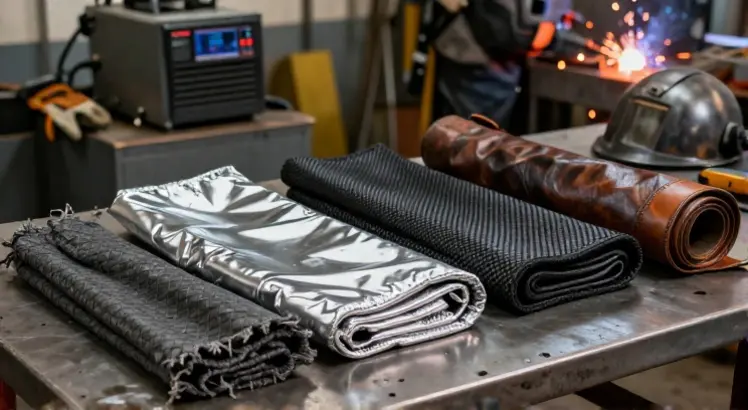
If you’ve ever done any welding or high-heat metal work, you know how quickly stray sparks can turn into a dangerous situation. A welding blanket is one of the simplest and most effective pieces of safety equipment you can add to your setup. It shields nearby surfaces, catches flying spatter, and keeps flammable materials from igniting.
But simply owning one is not enough; you need to know exactly how to use a welding blanket the right way to get maximum protection. Whether you are a weekend warrior with a flux-core welder or a seasoned fabricator working near combustible materials, the proper technique makes all the difference.
This comprehensive guide walks you through choosing the correct blanket, positioning it for maximum protection, and avoiding common mistakes that could compromise safety.
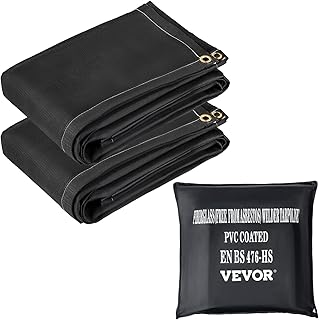
VEVOR Fire Blankets, 2 Pack 8′ x 10′
Check PriceTable of Contents
What Is a Welding Blanket?
A welding blanket is a heavy-duty, heat-resistant fabric sheet designed to shield surfaces and materials from high temperatures, sparks, and molten metal spatter. Unlike regular tarps or cloth drop cloths, a quality welding blanket will not ignite or melt under normal welding conditions.
It acts as a portable fire barrier, giving you a clean, protected workspace in a garage, driveway, or job site. You can drape it over a wooden workbench, hang it to protect a wall, or wrap it around a component you need to keep cool. Understanding its material and limits is the first step toward safe use.
Common Types of Welding Blankets
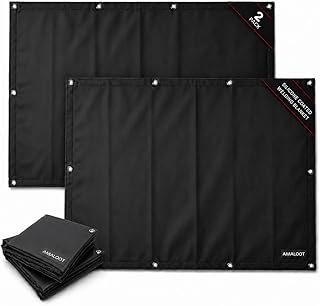
AMALOOT Heavy Duty Welding Blanket 2-Pack
Check Price- Fiberglass blankets: The most popular and budget-friendly option. They typically withstand temperatures up to 1000°F (540°C) and are ideal for light to medium MIG or stick welding. Many have a silicone coating for extra spatter resistance.
- Carbon felt blankets: Made from oxidized polyacrylonitrile fibers, these handle up to 1800°F (980°C) and resist direct flame extremely well. They are a go-to for heavy plasma cutting, grinding, and high-amperage welding. You can learn more about different welding blanket materials and their temperature ratings in our detailed comparison.
- Silica blankets: Designed for the most extreme conditions, silica fabric can withstand temperatures over 2000°F (1090°C). These are used in foundries, industrial pipe welding, or when molten metal splashes are a constant threat.
- Leather welding blankets: Not as common, but still used for specific applications where rough mechanical wear is a concern. They offer moderate heat protection but are heavier and more expensive.
How to Choose the Right Welding Blanket
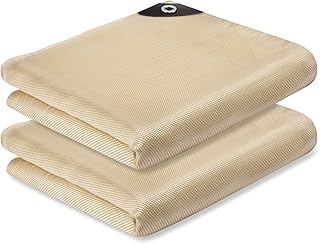
2 Pack Welding Blanket 4×6 ft
Check PriceBefore you even unfold a blanket, you need to match its characteristics to your specific welding or cutting task. Picking the wrong type can lead to burn-through, and a false sense of security is more dangerous than no protection at all. Evaluate three key factors: maximum temperature exposure, material, and size.
Check Temperature Rating and Material
Always look at the manufacturer’s continuous temperature rating, not just the peak. If you are welding with a 200-amp MIG gun, the arc itself is extremely hot, but the bulk of sparks that hit the blanket will be in the 600-900°F range. A standard fiberglass blanket works for most home-shop tasks. For heavy flux-core or carbon-arc work, step up to carbon felt or silica. Remember that a blanket that curls, smokes, or changes color is already above its safe limit.
Matching the Blanket to Your Welding Process
Different welding and cutting processes throw different types of heat and spatter. Here is a quick guide to help you match the blanket material to the job:
- MIG welding (GMAW): Produces a steady shower of small sparks. For home-garage work up to 200 amps, a good fiberglass blanket is usually sufficient. If you are running high-amperage, long-duration beads, consider carbon felt for extra durability.
- Stick welding (SMAW): Generates larger, heavier spatter globs. A fiberglass blanket can work for light stick welding, but for structural welds with 7018 rods, or when welding out of position, a carbon felt blanket provides a wider safety margin.
- Flux-core welding (FCAW): Similar to MIG in terms of spatter volume, but often runs hotter. Carbon felt is a smart, long-lasting choice, especially for outdoor work where a breeze may push sparks around.
- TIG welding (GTAW): Produces very little spatter. A lightweight fiberglass blanket is often all you need, mainly to protect from an accidental touch of the torch or a dropped filler rod.
- Plasma cutting and oxy-acetylene cutting: These generate a high-velocity stream of molten metal and extreme radiant heat. Always use a carbon felt or silica blanket rated for 1800°F or higher. A fiberglass blanket is likely to fail under a cutting stream.
Size, Grommets, and Portability
Welding blankets come in standard sizes like 4×6 feet, 6×8 feet, and 8×10 feet. A larger blanket gives you more flexibility to drape, fold, or wrap. Never try to stretch a small blanket across a large area; you will leave gaps where sparks can fly through. Look for models with reinforced grommets along the edges.
These brass or stainless steel eyelets let you hang the blanket vertically, fasten it to a wall, or tie it in place without damaging the fabric. If you move between jobs frequently, a lighter, compact blanket with a carry bag is easier to handle.
Step-by-Step Guide: How to Use a Welding Blanket
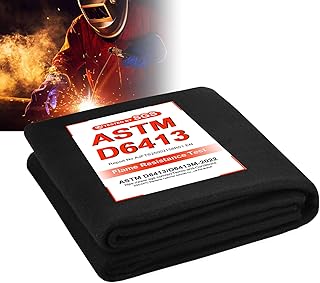
5mm 72″x96″ Large Fireproof Welding Blanket
Check PriceThe real value of a welding blanket shows when you put it to work. Each step of the process builds on the one before it, and skipping any can reduce your protection significantly. Let’s break it down from pre-use inspection to post-job storage.
1. Inspect the Blanket Before Every Use
Before you even strike an arc, hold the blanket up to a light source. Look for holes, tears, or thin spots where the weave has broken down. Even a pinhole can let a bead of molten metal pass through and ignite the material behind it. Check the stitching around grommets; if the fabric is pulling away, that grommet could rip out under a slight tug. A damaged blanket should be replaced or patched with an approved repair kit, but never use a compromised blanket over a critical area.
2. Prepare the Work Area
Clear the zone. Remove all loose combustibles like rags, paper, sawdust, and empty aerosol cans. Place the welding machine on a stable, nonflammable surface. If you are working on a wooden workbench, cover the entire top with the blanket, allowing at least 6 inches of overhang on every side. Sparks do not fall straight down, they bounce, so the overhang catches ricochets. For vertical work, hang the blanket behind the workpiece using hooks or clamps, and make sure it extends from ceiling height down to the floor if possible.
3. Position the Blanket Correctly
There are three main ways to position a welding blanket: draping, hanging, and wrapping. Draping is the most common. Simply lay the blanket flat over the surface you want to protect, ensuring no wrinkles that could trap a hot bead. For hanging, use the grommets and heat-resistant zip ties, wire, or spring clamps to suspend the blanket vertically.
Always leave a small air gap between the blanket and the wall if possible; this reduces heat transfer to the wall and prevents scorching. When wrapping a delicate part like a hydraulic hose or a gas line, wrap the blanket loosely and secure it with a thermal tape or a fiberglass cord. A wrapped blanket should stay in place without slipping, but never wrap so tight that you cut off airflow or create a pressure point.
4. Secure It So It Does Not Move
A loose blanket is a dangerous blanket. If you are draping it over a flat bench, use magnetic welding holders or heavy steel blocks on the corners to keep it from shifting. If you hang it vertically, make sure each grommet has a reliable anchor.
Avoid using plastic clamps or anything that can melt. In outdoor conditions, a breeze can lift a corner and expose the surface underneath, so weigh down the edges with a couple of bricks wrapped in aluminum foil (to keep them from absorbing heat). Always secure the blanket before you pick up the welding torch.
5. Monitor the Blanket During Welding
Even with a correctly placed blanket, you cannot just set it and forget it. Glance at the blanket every few minutes. Look for signs like darkening, smoke, or a glowing spot. If you see any of these, stop immediately and adjust the blanket or redirect the sparks.
A glowing or smoking blanket means the material is being pushed past its rating. Remember that a welding blanket is a barrier, not a magic shield; if you direct a continuous stream of sparks at one spot, the heat will eventually build up enough to damage the fabric. Move your work around or use a secondary blanket for particularly intense areas.
6. After Use: Let It Cool and Store Properly
Once the welding is complete, do not immediately fold the blanket and toss it in a corner. It can hold residual heat for several minutes. Lay it flat in a safe area until it is cool to the touch. Shake off any loose slag or spatter pellets. Then fold it loosely to avoid cracking the fabric, and store it in a dry, clean place away from chemicals or oils. With basic care, a quality welding blanket will serve you for years.
Pro Tips for Overhead and Vertical Welding
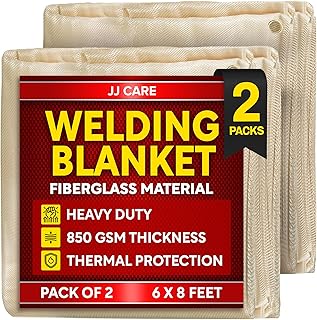
2 Pack Welding Blanket 6ft x 8ft, 850GSM
Check PriceWhen welding under a vehicle or on a ceiling joint, gravity works against you. Sparks and slag fall straight down, so you need a blanket that can catch them from below. Use a large blanket secured overhead with multiple grommets and wire ties. Create a slight belly or sag in the middle to act as a catch basin, but do not let it hang so low that it touches your head or interferes with movement. For vertical walls, always attach the blanket from the top edge down, and let it hang as a curtain. If you need to protect a floor beneath a vertical weld, lay a separate blanket flat on the ground, overlapping the wall curtain by at least 12 inches.
How to Use Multiple Blankets Together
Large jobs often require covering more area than a single blanket can provide. When you use two or more blankets side by side, always overlap them by a minimum of 12 inches. Position the upper blanket so it overlaps the lower blanket, creating a shingled effect that sheds sparks instead of catching them in the seam. Secure both blankets independently so they cannot shift apart during work. If you are building a full enclosure around a hot work zone, such as when cutting a large steel beam inside a building, treat the overlapping edges as if they were one piece and check them regularly for gaps.
Using a Welding Blanket for Specific Applications
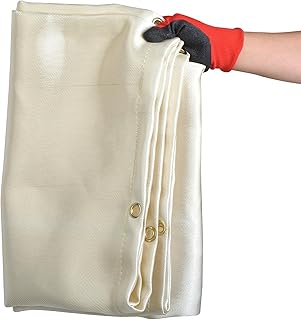
4 Feet x 6 Feet Welding Blanket with Grommets
Check PriceBeyond the standard shop, a welding blanket has many other uses. Its heat-blocking qualities make it valuable for home and hobby projects, including smokers and outdoor fire features. Each application requires a slightly different approach.
Protecting a Smoker or BBQ Grill
One of the most popular off-label uses is insulating a smoker. A welding blanket wrapped around a smoker helps maintain stable temperatures in cold or windy weather and cuts fuel consumption. You want a blanket that is flexible, non-toxic, and free of coatings that could emit fumes near food.
Carbon felt blankets are often the top choice here because they are effective and do not contain fiberglass that could shed near cooking surfaces. When using a blanket on a smoker, wrap it around the cooking chamber, not the firebox, and make sure ventilation holes remain open. Many pitmasters prefer models with straps, similar to what you would find on top-rated welding blankets designed for smokers. The key is to avoid blocking exhaust or intake openings.
Under a Vehicle or Car
If you are welding exhaust pipes, doing frame repairs, or using a cutting torch under a car, a welding blanket is non-negotiable. Lay it over the fuel lines, brake lines, and any plastic or rubber components near the work area. Even a tiny weld berry can melt a fuel line and start a catastrophic fire. Use a smaller blanket folded in half to double the thickness in critical spots. Always have a fire extinguisher within arm’s reach.
As a Fire Pit Mat or Spark Shield
A welding blanket can also be used as a fire-resistant ground cover beneath a portable fire pit or a propane forge. Place it on a wooden deck or dry grass to protect the surface from radiant heat and stray embers. Do not use it as a fire ring itself; it is not designed to contain a campfire directly. But as a mat, it works perfectly. Ensure it lies completely flat and is not in the path of foot traffic where it could become a tripping hazard.
Safety Tips and Best Practices
6x8ft Silicone Coated Welding Blanket
Check PriceEven a perfectly positioned blanket is just one part of a comprehensive safety setup. Combine these habits with your blanket for a bulletproof approach.
- Always pair with a fire extinguisher: Keep a Type ABC dry chemical extinguisher nearby. A blanket can stop many incidents, but not all.
- Wear proper PPE: Welding gloves, a leather apron, and safety glasses protect you from burns and UV; the blanket protects the room.
- Follow hot work protocols: If you are on a job site, check with your safety supervisor. Many facilities require a fire watch for 30 minutes after the last weld, even when using blankets. Refer to OSHA’s welding fire prevention standards for detailed requirements.
- Never use a damaged blanket: A hole equals a direct path for a spark. Replace, don’t patch, for critical areas.
- Keep the blanket dry: Wet welding blankets can create steam when hot metal hits, potentially causing serious burns. Store them in a dry environment.
Common Mistakes to Avoid
Many welders learn the hard way that a small oversight can lead to a big problem. Sidestep these typical errors:
- Using a thin tarp instead of a real welding blanket: A blue poly tarp melts instantly and adds fuel to the fire. Use only certified heat-resistant fabrics.
- Forgetting to cover vertical surfaces: Sparks travel upward, too. A wall behind a bench is just as vulnerable as the bench top.
- Overheating the blanket with a constant stream of sparks: Rotate your work or reposition the blanket. Even a 2000°F silica blanket can fail if you blast one spot for minutes.
- Leaving gaps between blankets: If you need to cover a large area, overlap two blankets by at least 12 inches and secure the seam.
- Ignoring the temperature rating: A fiberglass blanket on a plasma cutter running at 40 amps will not survive long. Match the blanket to the process.
How to Clean, Store, and Maintain Your Welding Blanket
A welding blanket is an investment. With a small amount of regular care, you can extend its life and keep it performing at its best. The number one rule is to keep it free of contaminants. Oil, grease, and even to much dust can become fuel inside the fabric weave. After each use, give the blanket a brisk shake or a gentle brush with a soft nylon brush.
For fiberglass blankets, avoid rubbing the surface aggressively, as this can loosen fibers. If you must remove spatter pellets, let the blanket cool completely first, then gently pick them off. Never use a washing machine or chemical solvents. A damp cloth with plain water is the harshest cleaner you should use, and only if the manufacturer approves it.
When it comes to storage, always fold the blanket loosely, avoiding sharp creases that can crack the heat-resistant coating. Roll it up for long-term storage if you have the space. Keep it in a sealed plastic tub or a dedicated canvas bag away from direct sunlight and moisture.
UV light can degrade some fabric coatings over time, and dampness invites mildew. Ideally, store your blanket in a cool, dry cabinet right next to your welding helmet. If you notice any signs of deterioration, a persistent acrid smell, or the fabric feels brittle, it is time to retire it. A good welding blanket can last several years under regular use, but only if you treat it as you would any other critical safety equipment.
Frequently Asked Questions About Using a Welding Blanket
Can I use a welding blanket as a fire pit mat?
Yes, you can use a welding blanket as a heat shield under a fire pit. Place it on a combustible surface like a wooden deck to protect from radiant heat and stray sparks. However, it is not designed to be a fire pit liner for direct contact with flaming logs. Choose a silica or carbon felt blanket for this, and always ensure it lies completely flat and is not in the path of foot traffic.
How do you clean a welding blanket?
Most welding blankets should be cleaned with a soft brush or by shaking off debris. Do not wash them in a washing machine or use chemical cleaners, as this can degrade the heat-resistant coating. For fiberglass blankets, if they become heavily contaminated with oil or grease, it is often safer to replace them than to attempt cleaning, because embedded combustibles can reignite. Follow the manufacturer’s instructions for any approved cleaning methods.
What temperature can a welding blanket withstand?
It depends on the material. Standard fiberglass blankets handle up to about 1000°F (540°C). Carbon felt blankets typically withstand 1800°F (980°C), while silica blankets can take over 2000°F (1090°C). Always check the specific product’s label for the continuous and short-term peak ratings. Using a blanket above its rated temperature will cause it to smoke, char, and eventually fail.
Do I need grommets on my welding blanket?
Not always, but they are extremely helpful for hanging and securing the blanket in vertical positions. If you mostly drape the blanket over a flat bench, grommets are less critical. For construction sites or when you need to create a curtain, grommets make it easy to fasten the blanket with hooks, wire, or carabiners. If your blanket does not have grommets, you can still use spring clamps or magnets on the edges.
Can a welding blanket catch fire?
A properly rated and undamaged welding blanket will not catch fire under normal welding conditions. It is designed to resist ignition. However, if you subject it to temperatures far beyond its rating, or if it is contaminated with oil, grease, or other accelerants, it can smolder, glow, or even ignite. Always keep the blanket clean and within its rated limits.
Conclusion
Learning how to use a welding blanket properly is one of the fastest ways to elevate your shop safety and protect your surroundings. It is not just about throwing a piece of cloth over a bench; it is about choosing the right material, placing it with intent, and staying attentive while you work.
By following the steps outlined here, conducting pre-use inspections, matching the blanket to your heat source, and storing it correctly, you turn a simple tool into a reliable, long-term fire barrier. Whether you are welding in a cramped garage, insulating a smoker, or working under a car, the right technique makes all the difference. Prioritize a quality blanket, respect its limits, and always keep a fire extinguisher close. Your workspace, and your peace of mind, will be better for it.