The Lincoln Electric Viking Welding Helmet series is a benchmark in optical performance and user comfort. Welders from all trades rely on these helmets to deliver a clear, true-color view of the puddle. If you are looking to upgrade your protective gear, this line sets a gold standard.
Lincoln Electric built its reputation crafting industrial-grade welding equipment for decades. The Viking helmets represent that engineering know-how condensed into a lightweight, durable hood. Whether you tackle MIG, TIG, or stick welding, the Viking lineup helps you see every detail without straining your eyes.
Table of Contents
What Makes the Lincoln Electric Viking Series Stand Out
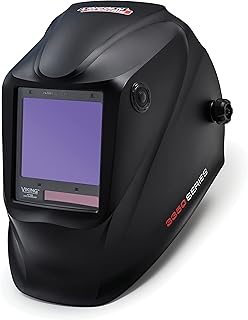
Lincoln Electric K3034-4 VIKING 3350 Welding Helmet, Matte Black
Check PriceMany auto-darkening helmets flood the market, but the Viking range breaks away with proprietary lens technology and thoughtful ergonomics. The helmets combine a razor-sharp optical class rating with fast switching speeds. That mix reduces eye fatigue and helps produce cleaner welds all day long.
Before diving deep, it is worth checking our overview of the best Lincoln Electric welding helmets to see how the Viking line compares to other Lincoln hoods. The Viking series consistently earns top marks for visibility and comfort.
Superior 4C Lens Technology
The heart of every Lincoln Electric welding helmet Viking is the 4C lens. That stands for clarity, color, contrast, and consistency. Unlike standard green-tinted lenses, 4C optics create a lifelike, warm-toned view of the arc and the base metal.
Typical passive or basic auto-darkening lenses wash out fine details with a heavy green hue. The 4C technology reduces that color distortion dramatically. You can see the joint edges, filler wire placement, and slag separation with unprecedented sharpness.
The optical clarity rating is 1/1/1/1, the highest possible classification according to EN379 standards. This means the lens delivers top-tier performance in optical class, light diffusion, homogeneity, and angular dependence. Many competing helmets sacrifice one or more of these metrics, but the Viking maintains balance.
True Color View and Reduced Eye Strain
A true-color arc view does more than look pretty. It reduces squinting and second-guessing. Welders often lean closer to the puddle with inferior lenses, causing neck strain and fatigue. The Viking’s natural color palette lets you maintain a comfortable posture.
Beginners especially benefit from the high contrast. Recognizing the difference between molten metal and oxidized slag becomes intuitive. Experienced welders can fine-tune travel speed and arc length without flipping the hood up repeatedly. This saves time and boosts production.
Comfort-Driven X6 Headgear
A great lens needs an equally comfortable suspension system. Lincoln Electric equips most Viking models with the X6 headgear. This system offers six adjustable points for a balanced, pressure-free fit. You can tweak the tilt, crown height, and distance between your face and the lens.
The headgear distributes the helmet weight evenly across your forehead and the back of the skull. This prevents hot spots that develop during long fabrication sessions. The padded sweatband wicks moisture, and the ratcheting mechanism stays snug without over-tightening.
Comparing Different Viking Helmet Models
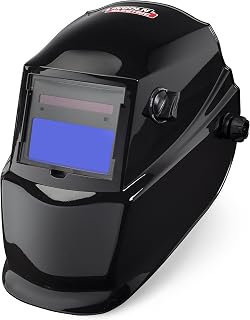
Lincoln Electric K3419-1 Glossy VAR 7-13 W/Grind ADF Helmet
Check PriceThe Lincoln Electric welding helmet Viking family includes several models tailored to different needs. Understanding the differences helps you pick the right protective tool without overspending. Each model shares the 4C lens DNA, but features and coverage vary.
Viking 3350 Series
Lincoln Electric K3034-4 VIKING 3350 Welding Helmet, Matte Black
Check PriceThe Viking 3350 is the flagship. It offers an expansive 12.5 square inch viewing area, which is one of the largest in the auto-darkening segment. This massive window gives excellent peripheral vision and suits out-of-position welding where you need to see the surrounding joint geometry.
Shade range spans from 5 to 13 with external grind mode control. The four arc sensors detect the arc instantly even at low amperage TIG settings. Delay and sensitivity dials sit on the outside, making adjustments painless without removing the helmet. The 3350 also includes a replaceable battery that lasts about 2,000 hours of arc time.
Viking 2450 and 1840 Series
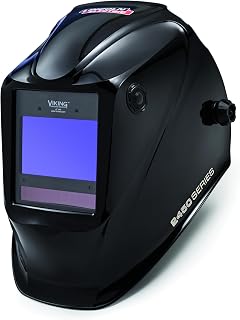
Lincoln Electric Viking 2450 Series – Black Welding Helmet
Check PriceThe Viking 2450 packs the same 4C optical technology into a slightly more compact form. Viewing area measures roughly 9.2 square inches, which still beats many standard fixed-shade hoods. It suits workshops where space is tight and weight matters. Digital controls remain intuitive and protected under a sturdy housing.
The 1840 series narrows the viewing area further to about 7.2 square inches, targeting hobbyists and light fabrication. Despite the smaller lens, you still get the 1/1/1/1 optical clarity and true-color view. This model often comes at a friendlier price point, making 4C technology accessible to beginners.
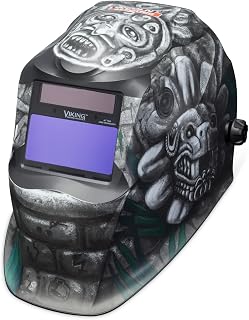
Viking 1840 Series Aztec Welding Helmet
Check PriceViking 1740 and 3250D FGS
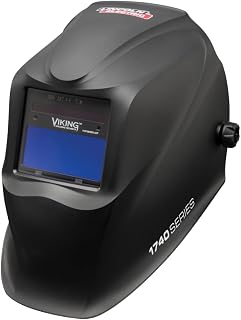
Lincoln Electric Viking 1740 Matte Black Welding Helmet K3282-4
Check PriceThe 1740 series serves as an entry-level 4C option. It uses a simpler control layout and a fixed-shade option for basic stick and MIG welding. If you are learning the trade, the 1740 provides professional-grade optics without overwhelming you with settings.
The 3250D FGS targets professional fabricators who need a flip-up front for grinding. It combines a passive auto-darkening filter with a clear grinding shield, eliminating the need to switch tools. This versatility shines in fabrication shops that jump between weld, fit-up, and clean-up tasks.
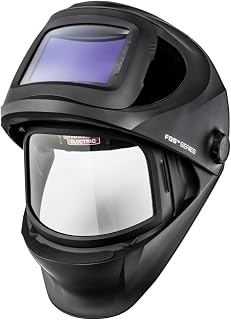
Lincoln Electric Viking™ 3250D FGS™ Welding Helmet
Check PriceHow to Choose the Right Lincoln Electric Viking Helmet
Selecting the ideal hood depends on your primary welding processes and work environment. If you weld thick structural steel at high amperage, the large viewing area of a 3350 makes joint tracking easy. For precision TIG on thin gauge metal, even a 2450 or 1840 will deliver outstanding clarity.
Our detailed guide to selecting a welding helmet breaks down every factor from shade range to weight. That resource covers how to match a helmet to your specific welding style and budget.
Viking helmets accommodate cheater lenses, a big plus if you wear prescription glasses. You simply slide a magnifying lens into the designated rail inside the hood. The headgear adjustments ensure a stable fit even with a respirator underneath.
Optical Performance for Different Welding Processes
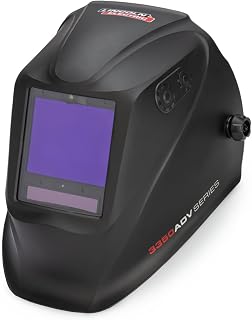
Lincoln Electric K3034-5 Viking 3350 ADV Welding Helmet with X6 Headgear
Check PriceThe Lincoln Electric welding helmet Viking series adapts seamlessly across processes. MIG welders appreciate the reduced green haze when running fast beads. The true-color view helps maintain consistent stickout and monitor the wetting action at the edges.
TIG welders benefit most from the 4C lens. Low-amperage arcs appear faint under standard lenses, forcing you to squint. The Viking’s optical clarity preserves arc light without washout, making the tiny puddle clearly visible. You can see the filler rod melt and flow into the joint with surgical precision.
Stick welders working outdoors encounter bright sunlight and heavy slag. The helmet’s sensitivity sensors handle varying ambient light without false triggers. Even chipping and brushing operations stay comfortable with grind mode activated. Plasma cutting also falls within the shade range, so you can use the same hood for multiple cutting tasks.
Battery Replacement and Maintenance
Most Viking auto-darkening filters use a combination of solar assist and a replaceable lithium battery. The solar cell extends battery life by drawing energy from the arc itself. Still, the internal coin cell eventually needs replacement after about 2,000 hours of arc-on time.
Changing the battery is straightforward. Open the filter cartridge cover, remove the old cell, and insert a fresh one following the polarity markings. Keep a spare battery in your toolbox so you never get caught with a dead lens mid-project. The external controls remain sealed, but you should wipe them clean periodically to prevent grinding dust from jamming the knobs.
Replacement clear lenses and cover plates are widely available. Swapping scratched covers restores perfect vision instantly. Always keep the sensors unobstructed, and inspect the headgear retention clips for wear.
Durability and Certification
Every Lincoln Electric welding helmet Viking meets ANSI Z87.1 and CSA impact standards. The shell withstands high-velocity projectiles, and the flame-resistant materials resist spatter buildup. You can trust these hoods in heavy structural shops as well as delicate aerospace TIG cells.
The shell material remains flexible in cold weather, so it does not crack when your shop temperature drops. The matte finish resists scratches and hides minor scuffs, keeping the helmet looking professional after months of daily use.
How the Viking Series Compares to Competitor Helmets
Competing brands like Miller and 3M Speedglas also offer high-end optics. However, the Lincoln 4C lens consistently tops user reviews for color realism and contrast. Where some competitors prioritize a cool blue tint, the Viking’s warm amber hue feels easier on the eyes during long shifts.
Weight is another area where Viking shells compete well. The 3350 complete helmet weighs around 20 ounces, which aligns with similarly sized Miller Digital Elite models. The X6 headgear provides a more secure fit than many generic ratchet systems, based on professional welder feedback.
Price points vary across the lineup. Entry-level Vikings often undercut comparable Speedglas models while delivering 1/1/1/1 clarity. For value-minded professionals, the Viking line hits a sweet spot between performance and cost. You can view Lincoln Electric’s official helmet collection to explore current offerings.
Frequently Asked Questions
What exactly does the 4C lens technology improve?
4C stands for clarity, color, contrast, and consistency. It eliminates the muddy green tint found in simpler auto-darkening filters. You see the arc and weld pool in rich, accurate hues, which improves control and reduces eye fatigue.
Are Lincoln Viking helmets ANSI Z87.1 approved?
Yes, every model in the Viking series meets the ANSI Z87.1 impact standard. They also comply with CSA safety regulations. You can wear them with confidence in any North American job site.
Which shade should I use for MIG and TIG welding?
For MIG at 100 to 300 amps, shades 10 to 13 work well. TIG at lower amperage often requires shade 9 to 12. The Viking variable shade control lets you dial in the exact number without swapping lenses.
How long does the battery last in a Viking 3350?
The replaceable lithium battery typically lasts around 2,000 arc-on hours. The solar cell helps preserve battery life, but heavy daily use may require a replacement every 6 to 12 months.
Can I use a cheater lens with a Lincoln Viking helmet?
Absolutely. All Viking hoods include a mounting frame for magnifying lenses. Choose the correct diopter strength and slide it into the holder inside the helmet shell.
Final Thoughts on the Lincoln Electric Welding Helmet Viking
The Lincoln Electric welding helmet Viking series delivers a rare combination of elite optics, all-day comfort, and proven durability. Whether you select the feature-rich 3350 or the value-packed 1740, you gain access to the 4C lens technology that transforms how you see your weld.
Investing in a clear, true-color auto-darkening hood reduces mistakes and speeds up your workflow. Your eyes will thank you after those marathon fabrication shifts. If you are serious about advancing your welding quality, the Viking lineup deserves a spot on your shopping shortlist.
Pair your new helmet with proper gloves and a welding jacket, and you will have a protection system that keeps you safe and precise. From hobby garages to heavy industrial shops, Lincoln Electric Viking helmets continue to earn the trust of welders worldwide.