Molten metal, hot slag, and bright sparks are part of every welder’s daily work. Your legs are directly in the line of fire, and regular cotton pants will not protect you. Flame resistant welding pants are not just a luxury. They are essential personal protective equipment that can prevent severe burns and keep you comfortable during long shifts.
Finding the right pair goes beyond grabbing something thick from the closet. You need to understand how materials react to high heat, which safety standards actually matter, and what features make welding pants last longer. This guide explains everything you need to know before you buy your next pair of flame resistant welding pants.
Table of Contents
Why Flame Resistant Welding Pants Matter
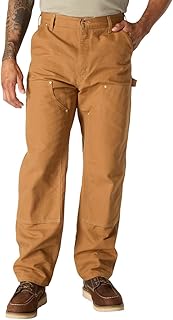
Carhartt Men’s Iconic B01 Firm Duck Double-Front Dungaree
Check PriceWelding generates extreme temperatures and flying debris. Even small spatter can burn through ordinary fabric in a second. Once synthetic fibers like polyester or nylon melt, they stick to your skin and make the injury much worse. Flame resistant welding pants resist ignition and self-extinguish when the heat source is removed.
Comfort also plays a big role. Modern FR pants are designed to be breathable while still blocking sparks. They allow you to bend, squat, and climb without restriction. If you are constantly adjusting your gear, you lose focus, and that is when accidents happen. High-quality welding pants keep you safe without slowing you down.
Many job sites now require certified flame resistant clothing. Using the right pants helps you comply with OSHA guidelines and company safety policies. It is also an investment in your long-term health. Scars from welding burns are common, but they are largely preventable with proper leg protection.
Understanding FR Fabrics for Welding Pants
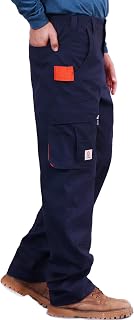
BOCOMAL FR Pants for Men Utility Cargo Carpenter Water Stain Oil Repellent
Check PriceNot all flame resistant materials work the same way. Some are treated to resist fire, while others are inherently flame resistant. Choosing the right fabric depends on the type of welding you do, your work environment, and your budget.
Treated Cotton and Denim
FR cotton is one of the most common materials for entry-level welding pants. It is comfortable, breathable, and costs less than advanced synthetics. The fabric is chemically treated to give it flame resistant properties. This treatment typically lasts for many washes, but it can degrade over time if you do not follow care instructions.
Treated denim adds a bit more durability. It is slightly heavier and offers better abrasion resistance. The downside is that heavy cotton can feel warm in summer. Still, for light to medium-duty MIG welding or hobbyist work, treated cotton pants are a solid choice.
Leather Welding Pants
Leather provides the highest level of protection against sparks and spatter. It is thick, durable, and naturally flame resistant. You will often see leather welding pants used by foundry workers, heavy fabrication shops, and those doing extensive stick welding where spatter is heavy.
The major trade-off is breathability and weight. Leather can become extremely hot and stiff. It also requires special cleaning and conditioning. For most welders, a leather apron combined with FR pants is a more practical solution than full leather trousers, unless the job demands maximum protection.
Advanced Synthetic Blends
Fabrics like aramid (Nomex, Kevlar) and modacrylic blends are top-tier options. These materials are inherently flame resistant, meaning their fire protection is built into the polymer and will never wash out. They are lightweight, extremely durable, and often moisture-wicking.
Many professional welding pants blend modacrylic with cotton or aramid to balance comfort and cost. These pants keep you cool while still guarding against arc flash and spatter. They are the go-to choice for pipe welders, structural welders, and anyone working long hours in demanding conditions. The price is higher, but the lifespan is longer.
Key Safety Standards and Certifications
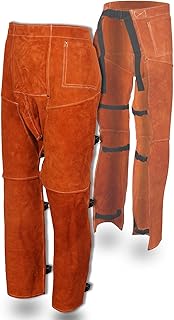
QeeLink Welding Pants – Heat & Flame Resistant Leather Leg Protection
Check PriceWhen shopping for flame resistant welding pants, do not just trust the label. Look for recognized safety standards that prove the garment has been tested. The main standard for welding protective clothing is NFPA 70E for electrical arc flash and ASTM F1506 for flame resistance.
Another critical standard is ANSI Z49.1, which specifically addresses welding safety practices. Pants certified to these standards have undergone rigorous testing for flame spread, char length, and thermal manikin testing. Always check the tag for the specific standard number. A general FR tag without a certification may not meet workplace requirements.
- NFPA 70E: Protects against arc flash hazards, critical for electric arc welding.
- ASTM F1506: Sets performance requirements for flame resistant textile materials.
- ANSI Z49.1: The comprehensive safety standard for welding, cutting, and allied processes.
If your employer requires HRC (Hazard Risk Category) ratings, ensure the pants meet the correct level. Most welding pants fall into HRC 1 or HRC 2, which cover typical welding tasks. Always check the product description for these details before purchasing.
Features to Look for in Welding Pants
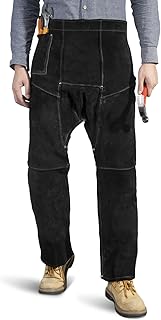
LeaSeek Leather Welding Pants, Heat & Flame Resistant Safety Leg Protection
Check PriceA pair of pants might have the right fabric but still be a nightmare to work in. Pay attention to these practical features that make a huge difference on the job.
Fit and Mobility
You need a relaxed fit that does not restrict your range of motion. Look for gusseted crotches and articulated knees. Some pants include stretch panels in the seat and thigh areas. Avoid slim or skinny cuts. Excess fabric can also be dangerous because it may catch sparks, so a straight or boot-cut leg is ideal.
Pockets and Tool Loops
Deep, reinforced pockets keep your tools secure. Many welding pants feature a side pocket specifically designed for a welding pencil or soapstone. Cargo pockets are convenient but ensure the flaps close securely. Spatter can easily land inside an open pocket and burn through the lining, so zippered or hook-and-loop closures are better.
Stitching and Reinforcement
Check that the pants use flame resistant thread. Regular cotton or polyester thread will melt, causing seams to split open during a spatter hit. Heavy-duty double or triple stitching in high-stress areas, like the waistband and front pockets, extends the life of the garment. Leather patches can be added to knees and shins for extra durability.
How to Choose the Right Welding Pants for Your Work
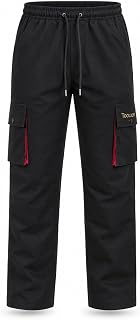
TOOLIOM Welding Pants Cotton Black
Check PriceYour specific welding process determines the level of protection you need. A hobbyist using a small MIG welder in a garage has different requirements than an industrial stick welder working in a shipyard.
- MIG and TIG Welding: These processes produce less spatter. Lightweight treated cotton pants or a modacrylic blend will usually suffice. Prioritize comfort and flexibility for precise torch control.
- Stick Welding and Flux-Core: Heavy spatter demands higher protection. Look for thicker FR cotton, or consider a leather apron over your pants. Advanced synthetic blends with a higher arc rating are strongly recommended.
- Overhead Welding: Gravity works against you. Spatter and hot slag will fall directly onto your legs and feet. Choose pants with sealed seams and consider adding leather spats or boot covers. Aramid blends provide excellent protection without extreme weight.
Also think about your work environment. If you work outdoors in a hot climate, breathable FR cotton or synthetic blends with moisture-wicking are essential. In cold conditions, you can layer thermal underwear under FR pants, but never wear synthetic base layers that can melt. Merino wool is a safe, warm alternative.
Maintenance and Care Tips for FR Pants
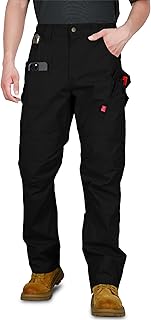
TICOMELA FR Pants for Men Stretch Ripstop Lightweight Relaxed Fit
Check PriceTaking care of your flame resistant welding pants properly ensures they last longer and keep their protective properties. The biggest mistake welders make is washing FR garments incorrectly.
- Wash treated cotton pants inside out to protect the outer finish. Use simple detergents. Avoid fabric softeners and bleach because they leave a flammable residue and degrade the FR treatment.
- Do not use chlorine bleach on any FR fabric, not even inherently FR synthetics. Bleach can weaken fibers and reduce flame resistance.
- Inspect your pants before each use. Look for holes, thinning fabric, or torn seams. A single thin spot makes the whole garment unreliable.
- If your pants become saturated with oil, grease, or flammable chemicals, do not wear them until they have been thoroughly cleaned. These contaminants can ignite even on FR fabric.
For leather pants, wipe off dust and spatter with a damp cloth. Use a leather cleaner and conditioner a few times a year to prevent cracking. Store all welding gear in a dry, cool place away from direct sunlight, which can degrade both synthetic and natural fibers over time.
Frequently Asked Questions
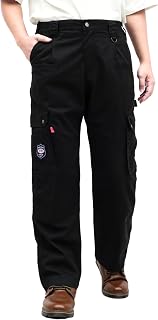
BOCOMAL FR Cargo Pants for Men Midweight 9 Pockets Fire Resistant
Check PriceCan I just wear regular heavy denim jeans for welding?
Heavy denim is better than lightweight shorts, but it is not designed for welding. Denim can catch fire and continue to burn, especially if it frays. It also provides no protection against larger globs of spatter. Flame resistant welding pants are chemically treated or made from inherently fireproof fibers to self-extinguish and resist burn-through.
Do flame resistant pants lose their protection after washing?
It depends on the fabric. Treated cotton may lose effectiveness after many wash cycles if harsh chemicals are used. Inherently flame resistant materials like aramid or modacrylic will never lose their protective properties. Always follow the manufacturer’s care label.
Are leather welding pants better than fabric ones?
Leather offers unmatched durability and protection against heavy spatter and slag. However, it is heavy, restrictive, and extremely hot. Most welders choose fabric FR pants for daily wear and add a leather apron when doing overhead work or heavy stick welding. The best choice depends on your specific workload.
What size welding pants should I buy?
Go for a relaxed or loose fit. The pants should not bind when you bend at the waist or knees. However, avoid excessively baggy legs that can create a spark trap. A straight leg opening that covers the top of your welding boots without excessive stacking is ideal.
How often should I replace my welding pants?
Inspect them daily. Replace the pants immediately if you find holes, thin areas, or failed seams. Even small defects can let hot slag reach your skin. With proper care, a high-quality pair of FR welding pants can last a year or more with regular use.
Conclusion
Your skills protect the weld, but your gear protects you. Flame resistant welding pants are a non-negotiable part of that gear. By choosing the right fabric, paying attention to certified safety standards, and focusing on fit and features, you can work with confidence all day long.
Do not treat protective clothing as an afterthought. A single burn can cost you weeks of downtime and a painful recovery. Invest in quality welding pants that match your process, and maintain them properly. For a detailed comparison of top-rated options, check out our comprehensive guide to the best welding pants. To understand more about other hazards on the job, learn about common welding safety risks and how to avoid them. Also, always stay informed about workplace requirements by reviewing OSHA’s guidelines on protective clothing.
Stay safe, keep your legs covered, and focus on laying down clean beads. Your body will thank you for years to come.