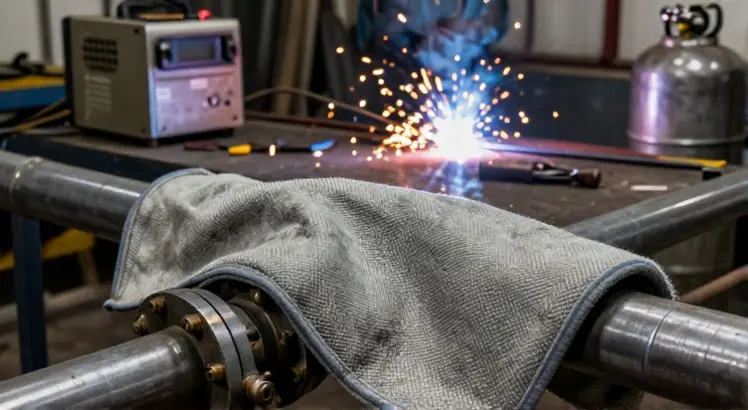
You have seen them draped over seasoned briskets or slung across offset smokers. A heavy, silver-lined blanket that promises to lock in heat like a thermos. But if you are a fabricator or a backyard pitmaster, you have probably asked a very specific question: Do welding smoker blankets work, or is this just a repurposed gimmick that falls apart under real heat? The answer is not a simple yes or no. It sits at a dangerous intersection where culinary needs meet industrial safety ratings. Understanding the difference between keeping a brisket warm and stopping a molten spark can save your equipment and your skin.
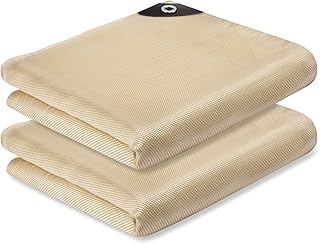
2 Pack 4×6 ft Heavy Duty Fiberglass Welding Blanket
Check PriceTable of Contents
The Confusion Between Welding Safety and Culinary Insulation
The core of the debate comes down to a naming convention problem. In the welding world, a welding blanket is a piece of safety equipment designed to extinguish spatter and slag. It is made to shed molten metal, not absorb it. In the barbecue world, a welding blanket has become slang for a heat-reflective fabric used to stabilize pit temperatures in freezing weather. However, when we talk specifically about a smoker blanket designed for long-term, sustained contact with a hot firebox, the engineering requirements flip upside down. Asking if a welding blanket works for a smoker is like asking if a fire extinguisher makes a good space heater. They handle heat, but in completely opposite ways.
Most beginners grab a generic fiberglass blanket from a hardware store thinking they have found a life hack. This is a risky mistake. While these materials can tolerate high intermittent temperatures, they are often coated with polymers that off-gas toxic fumes when in direct, sustained contact with a hot steel smoker lid. You need to know exactly what the material is rated for before wrapping it around your pit.
How Traditional Welding Blankets Actually Perform on Grills
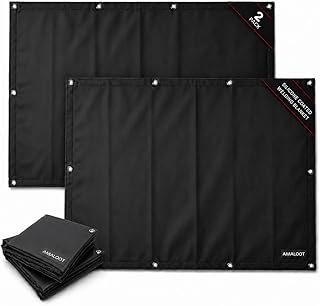
AMALOOT Heavy Duty Welding Blanket 2-Pack
Check PriceUnderstanding Vermiculite Coatings and Off-Gas Risks
A standard heavy-duty welding blanket is usually made from woven fiberglass and treated with a vermiculite coating. This gives it that rough, golden-brown texture. The purpose of this coating is not insulation; it is ablation. When a hot spark hits the surface, the vermiculite sacrifices itself to cool the metal instantly. This is perfect for a shop floor. It is dangerous for a smoker. When you lay this fabric directly against a hot steel firebox that cycles between 250°F and 350°F, you are not getting sparks. You are getting a sustained thermal soak.
That sustained heat causes the binding agents in the vermiculite to break down. The result is an acrid smoke that smells like burning plastic. If that smell gets into your food, the cook is ruined. Worse, the microscopic fiberglass strands become brittle. When you pull the blanket off, you release a cloud of glass shards that can embed in your skin and lungs. Therefore, a true industrial welding blanket does not work as a smoker insulator because the failure mode is hazardous.
The Exemption: Uncoated Fiberglass and Carbon Felt
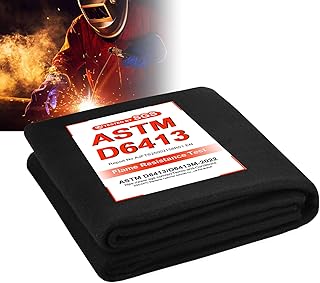
5mm 72×96 Large Carbon Felt Fireproof Blanket
Check PriceThis does not mean all high-temperature fabrics are useless. There is a specific product category known as premium smoker insulation blankets. These are often made from uncoated, high-silica fiberglass or carbon fiber felt. They lack the organic binders that cause smoking. These materials can handle continuous operating temperatures well above 1000°F without degrading. When you ask if a welding smoker blanket works, you are really asking if the specific chemical composition of the material is safe for continuous contact. If the material is labeled as food-grade safe or uncoated, then yes, it works brilliantly for retaining heat and reducing fuel consumption by up to 40%.
Do Welding Blankets Work for BBQ Smokers?
While welding blankets are engineered to catch 3,000-degree sparks in industrial shops, they have become a secret weapon for backyard pitmasters. If you struggle to maintain steady cooking temperatures during late-fall or winter cooks, the answer is yes, welding blankets work exceptionally well as budget-friendly smoker insulation.
When you drape a heavy-duty welding blanket over the main chamber of a thin-gauge steel offset smoker or pellet grill, it acts as a thermal barrier. The dense material traps the ambient heat inside the drum, prevents cold wind from stripping away the temperature, and drastically reduces your fuel or pellet consumption. Instead of buying an expensive, custom-branded thermal jacket, a standard welding blanket offers the exact same cold-weather utility for a fraction of the price.
Essential Rules for Using a Welding Blanket on a Smoker
You cannot just throw any industrial blanket over your grill without taking precautions. Because these blankets are built for fabrication shops rather than kitchens, you must follow these guidelines to keep your food and equipment safe:
- Choose the Right Material: Stick to heavy-duty fiberglass or carbon felt blankets. Carbon felt is highly flexible and soft, while fiberglass is incredibly rigid and durable.
- Never Let the Fabric Touch the Food: Welding blankets are strictly for the outside of the smoker. Fiberglass blankets can shed microscopic glass fibers if they are frayed or cut. Ensure the blanket only touches the exterior paint of the grill lid and sides, keeping it far away from the cooking grates, the exhaust pipe, or the firebox opening.
- Avoid the Firebox: While these materials are fire-resistant, placing them directly onto a roaring wood firebox can scorch the fabric, degrade the material quickly, and ruin the blanket. Keep the insulation focused entirely on the cooking chamber.
- Secure It Against the Wind: Use heavy-duty magnets or welding clamps to pin the blanket to the steel frame. This prevents the fabric from slipping down into the grease bucket or blowing away during a storm.
Conclusion
So, do welding smoker blankets work, and what fabric is best for welding safety? The answer to both questions comes down to choosing the right material for the job. For your backyard smoker, a heavy-duty fiberglass or carbon felt blanket provides an excellent, budget-friendly thermal barrier that saves fuel and locks in steady pit temperatures all winter long.
For your personal safety in the workshop, your protective attire requires a dedicated, layered strategy. Flame-resistant cotton offers lightweight comfort for light arc work, heavy cowhide leather provides maximum shielding against intense overhead slag, and high-performance aramid blends give you long-lasting industrial durability.
The absolute non-negotiable rule across both applications is to keep highly combustible synthetic fabrics, like polyester and nylon, completely away from the heat. By investing in the proper leather jackets, flame-resistant pants, and exterior smoker insulation, you can protect your skin, secure your equipment, and keep doing the work you love safely.