If you’ve been browsing online marketplaces, you have probably seen plasma cutters priced under $300 and wondered, do cheap plasma cutters work? The short answer is yes, they can work surprisingly well for hobbyists and light fabrication, but you need to understand what you are sacrificing. I have tested several budget machines over the years, and I want to give you an honest, no-fluff look at what you get, what you lose, and where these machines truly shine.
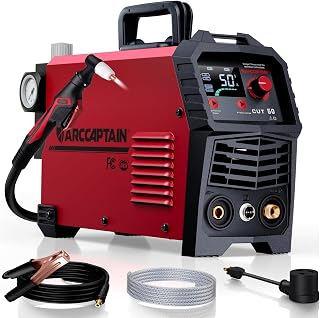
ARCCAPTAIN Plasma Cutter, Large LED Display 50Amps Cutter Machine
Check PriceTable of Contents
What Exactly Is a Cheap Plasma Cutter?
In the welding community, a cheap plasma cutter usually refers to a machine that costs between $150 and $400. These units are almost always inverter based, run on 110V or dual voltage, and claim to cut up to 1/2 inch of steel, though real-world performance often tells a different story. Most budget models come from brands like Lotos, YesWelder, or Tooliom, and they pack features that were reserved for expensive industrial machines just a decade ago, such as pilot arc and digital displays.
Because entry-level pricing has dropped so much, many first-time buyers skip the oxy-acetylene rig and jump straight to plasma. That makes the question even more important: do cheap plasma cutters work when you actually have a project in front of you? Let’s break it down from every angle.
How Plasma Cutters Work, in 30 Seconds
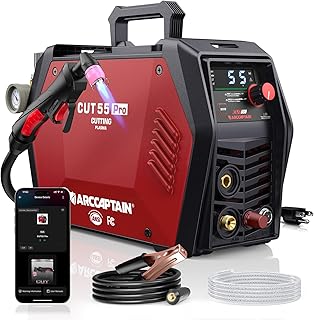
ARCCAPTAIN iControl CUT55 Pro Plasma Cutter
Check PriceWhether you pay $200 or $2,000, the core technology is identical. A plasma cutter sends a jet of ionized gas (air) through a tiny nozzle, creating an electrical arc that melts the metal and blows away the molten material. The difference lies in how consistently and at what amperage the machine can maintain that arc. If you want a deeper breakdown, you can read Miller Electric’s plasma cutting basics guide, which covers the science in a way anyone can understand. (I’ll link to that resource in a moment.)
For a beginner, the most important takeaway is this: a plasma cutter lives and dies by its torch, its consumables, and the air supply. A cheap machine that has a solid torch and consistent air pressure can cut just fine. One that skimps on these areas will leave you with a jagged, dross-filled mess, no matter what the label says.
Cutting Capacity: What the Numbers Mean vs. Reality
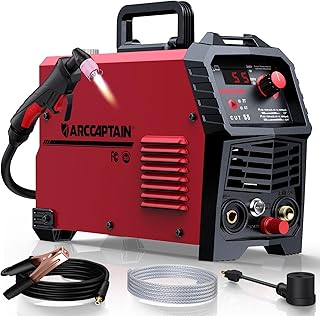
ARCCAPTAIN 55A Plasma Cutter, Non-Touch Pilot Arc
Check PriceAdvertised Thickness vs. Clean Cut Capacity
This is where many buyers get burned. A $250 plasma cutter will proudly advertise a 1/2 inch maximum severance cut. That number comes from lab conditions with perfectly clean metal, ideal air pressure, and a brand new set of consumables. In your garage with a slightly dirty compressor and a piece of old angle iron, the same machine might stutter and stall on 1/4 inch plate.
- Severance cut (the metal eventually separates): 1/2 inch is possible, but it is painfully slow and ugly.
- Rated cut (a manufacturer’s recommended production thickness): For budget machines, this usually falls at 3/16 inch or 1/4 inch.
- Clean cut (minimal dross and straight edges): Expect a clean, drag cut on 1/8 inch mild steel, maybe 3/16 inch if you are patient and your technique is good.
If you mainly work with 16-gauge or 1/8 inch sheet metal, a cheap plasma cutter can feel like a hot knife through butter. If you are trying to cut 3/8 inch trailer brackets all day, you will hate the experience.
Mild Steel vs. Aluminum and Stainless
Budget machines on 110V can cut aluminum, but they struggle. Aluminum dissipates heat rapidly, and the lower amperage means you will get a rough, slow cut. I have managed 1/8 inch aluminum on a 40-amp cheap cutter, but it required a lot of cleanup. Stainless steel falls between mild steel and aluminum in difficulty. Expect to drop the thickness rating by about 50% when moving to nonferrous metals.
Performance: How Cheap Plasma Cutters Stack Up Against Pro Models
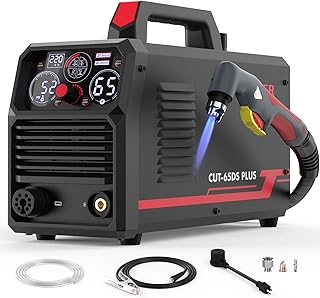
YESWELDER CUT-65DS PLUS
Check PriceI keep a reference chart handy when people ask me, Do cheap plasma cutters work for everyday use? Here is a side-by-side look at what changes when you spend more money. For an even deeper comparison, check out this side-by-side analysis of budget and high-end plasma cutters on our site.
- Arc stability: Premium units hold a tight, focused arc. Budget cutters can have a wandering arc, especially on dirty metal.
- Consumable life: Good machines chew through tips and electrodes slowly. Cheap machines can burn up a full set of consumables in a single afternoon of heavy cutting.
- Duty cycle: Professional cutters can run almost continuously. Budget cutters often need a break after 5 or 6 minutes of actual arc time.
- Pilot arc: Some cheap cutters now include pilot arc, which lets you cut rusty or painted metal without the torch touching the workpiece. That closes the gap significantly.
However, that does not mean a budget plasma cutter is useless. Far from it. For a weekend warrior building a smoker, repairing a car fender, or making yard art, the difference in cut quality might be perfectly acceptable, especially if you know how to clean up an edge with a grinder.
Duty Cycle and Overheating: The True Limit of Budget Machines
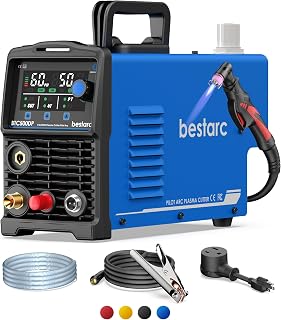
Bestarc Pilot Arc Plasma Cutter with Air Sensor
Check PriceThe duty cycle is the percentage of a 10-minute period a cutter can run before it must cool down. A 35% duty cycle at 40 amps means you get 3.5 minutes of cutting, then 6.5 minutes of rest. A cheap plasma cutter might advertise 60% at 40 amps, but that number is often optimistic. In a hot shed during the summer, I have seen budget machines trip their thermal overload protection after cutting a single piece of 1/4 inch plate for a minute and a half.
What does this mean in practice? If you are making a series of long cuts, you will be stopping often. If you just need to nibble off a few tabs or cut sheet metal pieces, you might never hit the limit. The key is to match the machine’s work cycle to your actual workflow, not your dream workflow.
Consumables and Operating Costs
Why Cheap Cutters Can Be Expensive in the Long Run
One of the hidden costs of a budget plasma cutter shows up at the consumable counter. Electrodes, nozzles, swirl rings, and shields wear quickly, and if you cannot find the right match, you are stuck. Many cheap import machines use proprietary or hard-to-find consumables. When you can find them, they might cost more than Hypertherm or Miller consumables for a fraction of the life.
However, some popular cheap brands, like the Lotos LTP5000D, have gained a following precisely because their consumables are widely available and inexpensive. Before you buy, search for replacement consumables model number and see if you can get a kit for under $20. If you cannot, walk away. Also, make sure you have a good air filtration setup. Moisture in your airline will destroy consumables in any machine, but budget torches are often less forgiving.
Safety and Reliability: Can You Trust a Cheap Plasma Cutter?
Safety is an area where corners should never be cut, and fortunately, even inexpensive plasma cutters must meet basic electrical standards to be sold in North America or Europe. Look for a certification mark like ETL or CE. I have used cheap machines that worked for years with only minor hiccups. I have also seen units arrive dead on arrival, or with a torch trigger that stuck on, which is genuinely dangerous.
A few practical safety tips apply doubly to budget units:
- Always check the torch safety switch before using it.
- Use a dedicated, properly grounded outlet.
- Wear proper plasma cutting goggles or a helmet, not just dark sunglasses.
- Never rely on the machine’s internal air regulator, use a separate moisture filter and set pressure at the wall.
Who Should Actually Buy a Cheap Plasma Cutter?
I do not want to tell you that a budget plasma cutter is for everyone. But here is where I recommend them:
- Hobbyists cutting sheet metal, patch panels, and art projects
- Farmers who need to make occasional repairs on thin gates and panels
- Auto restorers who need to trim body panels cleanly
- Anyone wanting to learn plasma cutting without a huge investment
If you plan to cut thick plate every day, run a fabrication shop, or need laser-like precision, you need a professional machine. For a curated list of the best budget-friendly plasma cutters under $500, we have an entire guide that walks through models that strike the best balance between cost and capability.
Tips to Make a Cheap Plasma Cutter Perform Better
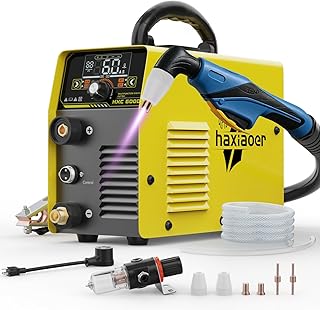
60A High Frequency Contact Arc Cutting Machine
Check PriceYou can close a lot of the gap between budget and premium simply by upgrading your support gear and technique.
Feed It Clean, Dry Air
This is the single biggest performance factor. Even a $100 plasma cutter can make acceptable cuts if the air is bone dry and at a steady 65 to 70 PSI at the machine. Add a dedicated desiccant dryer and a motorguard filter right at the back of the cutter. It costs less than $60 and will pay for itself in saved consumables.
Use a Standoff Guide or Drag Tip
Freehanding a budget plasma torch leads to inconsistent standoff distance and destroyed nozzles. Buy a roller guide or a drag shield tip. Better yet, use a straight edge clamped to the work. Your cuts will be straighter, faster, and you will extend tip life.
Mind Your Travel Speed
The most common mistake I see is moving too slowly. When you go slow on a cheap cutter, you pour more heat into the metal, creating a wide kerf and heavy dross. Listen to the arc: a sharp, crackling sound is good. A dull, sputtering sound means you are going too slow or your air pressure is low.
Frequently Asked Questions
Do cheap plasma cutters work on rusty metal?
Yes, especially if the machine has a pilot arc, which allows the arc to start without contacting the metal. You still want to brush off loose rust for a cleaner cut, but you do not need a perfectly shiny surface.
Can I use a cheap plasma cutter with a small air compressor?
You can, but it is risky. Plasma cutting requires constant air volume. A 6-gallon pancake compressor will run continuously and lose pressure, leading to a ruined cut and damaged consumables. Aim for a compressor that puts out at least 4 to 5 CFM at 90 PSI.
Is it worth buying a used brand-name cutter instead of a new cheap one?
In many cases, yes. A well-maintained used Hypertherm Powermax30 or Miller Spectrum can outlast and outperform a new budget import. However, used machines may need new torches or boards, so factor in those potential costs.
Do cheap plasma cutters work for CNC plasma tables?
Some do, but not reliably. CNC requires precise arc start, consistent cut height, and minimal dross. A budget plasma cutter with a floating arc and inconsistent consumable life will cause frequent crashes and a lot of scrap. You can try it for learning, but do not expect professional results.
The Bottom Line: Do Cheap Plasma Cutters Work?
After all the caveats, I can honestly say that cheap plasma cutters do work, and they fill a real need in the home shop. They cut thin metal cleanly, they are portable, and they make you feel like a superhero the first time you slice a clean curve through sheet steel. They are not replacements for a professional setup, and you should not mistake marketing claims for real-world performance.
If you go into the purchase knowing that you will work within the machine’s real thickness limit, keep the consumables fresh, and feed it clean, dry air, you will be pleased. I have seen $250 plasma cutters outlive the projects they were bought for, and I have seen them fail on day one. The difference often comes down to the brands that have earned a reputation in the budget market, and the specific model’s track record.
Before you buy, do yourself a favor and read our detailed roundup of the best plasma cutters under $500. It includes real user reviews, cut demonstrations, and the exact specs you need to compare. Pair that with Miller Electric’s plasma cutting, and you will have a rock-solid foundation to make the right call.
A cheap plasma cutter will work if you choose carefully, set it up right, and respect its limits. It might just become your favorite tool in the shop.