Welding gear takes a beating on the job site. Your helmet bag faces dust, metal grindings, and oily residue every day. Over time, that grime can transfer to your helmet and compromise its performance. If you are wondering, can you wash a welding helmet bag, the short answer is yes, but you need to use the right method. Not every bag handles water and soap the same way, and a wrong move can ruin the material or the protective lining.
Learning how to clean this essential accessory will help you maintain a hygienic workspace and prolong the life of both the storage bag and your expensive auto-darkening helmet. Many welders simply toss a dirty bag aside and buy a new one, but with a few simple steps you can make yours look almost new again. This guide covers all you need to know, from fabric bags to heavy vinyl types, so you never have to guess again.
Table of Contents
Understanding Welding Helmet Bags: Materials Matter
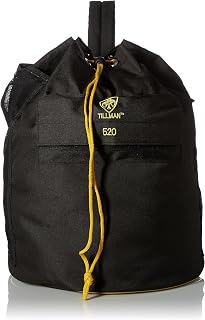
Tillman 520 Welders Welding Gear and Helmet Bag
Check PriceBefore you dunk any bag in water, you need to know what it is made of. Welding helmet bags come in a variety of materials, each with a different tolerance to washing. High-quality bags often use rugged nylon or polyester, which can handle gentle cleaning. Cheaper options might use thin, canvas-like cotton that can shrink or lose its shape.
Heavy-duty protective bags, especially those included with premium helmets, frequently feature vinyl, PVC, or even leather panels. These materials resist sparks and spatter but do not react well to submerging. You might also find bags with thick foam padding or a special heat-reflective inner lining that must stay dry. Knowing your bag’s fabric is the first step in answering whether you can wash a welding helmet bag without causing damage.
Can You Wash a Welding Helmet Bag? The Quick Answer
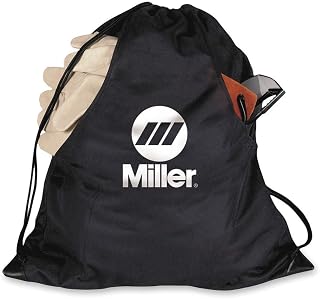
Miller Bag Pouch, Helmet
Check PriceYes, most fabric welding helmet bags can be washed. However, machine washing is risky. The agitation, hot water, and harsh spin cycles can destroy interior padding, loosen seams, and scratch any plastic hooks or zippers. A careful hand-wash approach is almost always the safest path, and for leather or rigid vinyl bags, wiping them down with a damp cloth is the only recommended way.
If your bag has never been cleaned, start with a gentle spot test. Apply a tiny amount of mild soap and water to a hidden corner, then let it dry. Check for discoloration or stiffness. That simple test will tell you if the full wash is safe. Many welders are surprised to find their rugged-looking bag is actually quite washable when treated with care.
How to Identify Your Bag’s Material Type
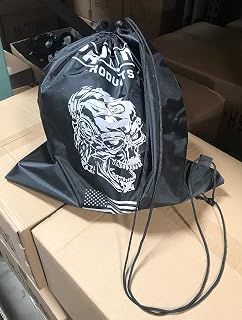
New Bag for Auto Darkening Welding Helmet Hood Mask
Check PriceCheck the care label if it still exists. Most bags have a small white tag stitched inside a pocket or along a seam. That tag usually includes washing symbols. A tub icon with a hand means hand wash only, a triangle with an X means no bleach, and a crossed-out tub means do not wash at all. If the tag is missing, rely on the feel and finish of the fabric.
Nylon and polyester fabrics feel smooth and synthetic, and they dry quickly. Cotton canvas has a rougher texture and absorbs water instantly. Vinyl feels like plastic or fake leather and makes a crinkly sound. Real leather has a distinct grain and smell. Once you classify your bag, choose the cleaning method that matches it from the sections below.
Cleaning Different Types of Welding Helmet Bags
Fabric Bags (Nylon, Polyester, Canvas)
These are the most common helmet bags and the easiest to wash. Turn the bag inside out to expose the dirtiest areas. Shake out loose debris like metal dust and grinding particles first. Never skip this step, because those tiny specks can scratch your helmet lens when you put it back in a clean bag.
Fill a basin with lukewarm water and add a small amount of mild detergent. Do not use bleach or strong degreasers, as these break down fabric fibers and any water-resistant coatings. Submerge the bag and gently agitate it with your hands. Let it soak for about 15 minutes, then lightly scrub stubborn stains with a soft brush.
Rinse thoroughly under cool running water until all soap is gone. Soap residue attracts even more dirt later. Gently press out excess water without twisting or wringing, because twisting damages the seams. Hang the bag to air-dry in a well-ventilated area away from direct sunlight. Sunlight can fade the fabric and weaken nylon threads over time.
Vinyl and PVC Bags
Most smooth vinyl welding helmet bags should never be submerged. Water can seep into the lining and cause mildew, and the material can become brittle if dried incorrectly. Instead, mix a few drops of mild dish soap with warm water. Dip a microfiber cloth into the solution, wring it out thoroughly, and wipe down the outside and inside gently.
For greasy spots, a paste of baking soda and water works wonders. Apply it with a soft cloth, rub in circles, then wipe clean with a damp cloth. Avoid any abrasive scrubbers that would scratch the vinyl. Finally, dry the bag immediately with a clean towel to prevent water spots. Vinyl bags benefit from a light application of vinyl protectant once they are completely dry, which keeps them flexible.
Leather Welding Helmet Bags
Leather bags demand even more caution. Water is leather’s enemy if not handled properly. Use a specialized leather cleaner or saddle soap applied with a barely damp cloth. Work the cleaner into a lather on the cloth, wipe the leather surfaces, and immediately remove any residue with a second clean, damp cloth. Never soak leather in water.
After cleaning, let the leather air-dry slowly at room temperature. Then condition it with a quality leather conditioner to restore natural oils. This prevents cracking and keeps the bag soft. A well-maintained leather welding bag can last for decades and even develops a unique patina that many welders appreciate.
Step-by-Step Guide: Washing a Fabric Welding Helmet Bag Safely
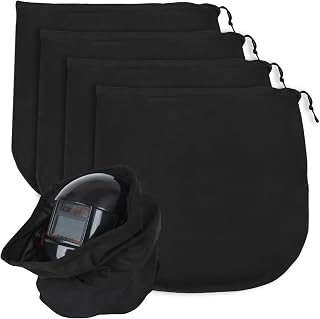
4 Pcs Welding Helmet Bag with Drawstring Locking
Check PriceFor those who prefer a straightforward checklist, this process works for nylon, polyester, and sturdy canvas bags. If you have looked at the options for best welding helmet bags, you will notice many are built to withstand light cleaning. Follow these steps to maintain yours:
- Empty all pockets completely, removing any lens covers, batteries, or earplugs.
- Turn the bag inside out and shake it vigorously outdoors to dislodge metal dust.
- Pretreat heavy stains with a drop of mild detergent rubbed in with your fingers.
- Fill a tub with cool or lukewarm water (hot water can damage coatings).
- Submerge the bag and gently squeeze it to help the soap penetrate the fibers.
- Use a soft-bristled brush, like an old toothbrush, on zippers and seams.
- Rinse until the water runs clear and no soap bubbles remain.
- Roll the bag in a dry towel to blot up moisture; never twist or wring.
- Reshape the bag and hang it to dry indoors, away from heaters or flames.
After it dries, check that all zippers move freely. A tiny dab of silicone lubricant on the zipper teeth can keep them working smoothly. If you store the bag in a humid workshop, consider adding a silica gel packet inside to absorb ambient moisture.
Can You Machine Wash a Welding Helmet Bag?
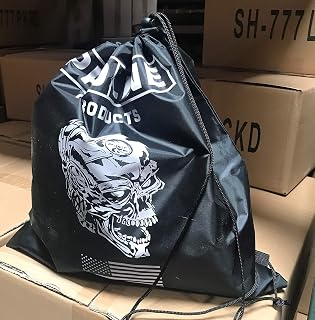
Welding Skull Helmet Storage Bag
Check PriceSome fabric bags can survive a washing machine, but it is a gamble. The agitator can rip seams, break zippers, and flatten any protective padding. If your bag has a rigid bottom insert or foam lining, the spin cycle will likely deform it permanently. Only attempt machine washing if the care label specifically permits it, and only in a front-loading machine without a central agitator.
Use a gentle cycle with cold water and mild detergent. Place the bag inside a mesh laundry bag or a pillowcase tied shut to reduce friction. Skip the fabric softener; it can leave a film that attracts grinding dust later. After the cycle ends, remove the bag immediately and air-dry it. Never use a dryer. The intense heat shrinks fabrics and melts synthetic threads.
Even with these precautions, hand washing remains the recommended method. The extra 20 minutes of hand care often add months or years to the bag’s useful life, and you avoid any risk of a ruined helmet bag ending up in the trash.
Common Mistakes That Ruin a Welding Helmet Bag
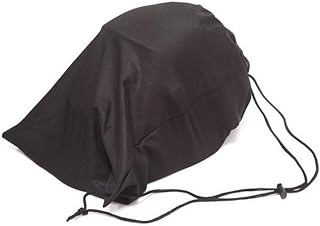
UOBEKETO Welding Helmet Carrying Bag
Check PriceMany welders unintentionally shorten their bag’s lifespan during cleaning. The most common error is using aggressive solvents like acetone, brake cleaner, or degreasers. These quickly eat through nylon and dissolve adhesives in the lining. Your bag may look clean for a day, but the material will soon become brittle and tear.
Another mistake is forgetting to remove loose metal debris before washing. During hand washing, those tiny steel slivers work into the fabric and can later scratch your helmet’s auto-darkening lens. Also, drying a bag in direct sunlight or near a welding area where sparks fly can cause scorching or melting. Always air-dry in a safe, shaded spot.
Using a wire brush to scrub out stains is another no-go. The bristles gouge the fibers and destroy water-resistant layers. Stick with soft cloths and gentle brushes. If a stain will not budge, it is better to live with it than to destroy the bag’s structural integrity.
Benefits of a Clean Welding Helmet Bag
Keeping your bag fresh goes beyond simple tidiness. A clean bag prevents cross-contamination. Metal particles that collect in the bottom of a dirty bag can find their way onto your helmet’s lens or headgear. When you put the helmet on, those particles can scratch the sensitive auto-darkening filter and reduce visibility.
Clean fabric also reduces odor caused by sweat and humidity. A bag that smells fresh makes your entire work kit feel more professional. Plus, if you ever share a workspace or bring your gear to a client’s site, a spotless bag sends a message of competence and attention to detail. Consistent cleaning, combined with proper storage of your helmet, creates a system that protects one of your most valuable safety investments.
How Often Should You Wash the Bag?
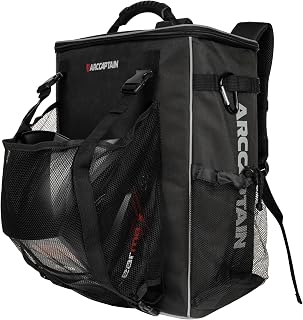
ARCCAPTAIN Welding Tool Bag Backpack
Check PriceThere is no fixed rule, but a good guideline is every two to three months for moderate use. If you weld daily in a dusty fabrication shop, you might need to clean it monthly. Pay attention to the inside bottom corners. When you see a dark, grimy buildup that does not shake out, it is time for a wash. For vinyl or leather pouches, a quick monthly wipe-down prevents deeply embedded grime.
Seasonal deep cleans also work well. For example, giving the bag a thorough wash at the start of summer and again before winter keeps it in top shape. Just remember that overwashing can wear out the fabric, so balance frequency with actual need. If your bag only carries the helmet from the truck to the shop and back, you can stretch the interval much longer.
DIY Cleaning Solution for Tough Grease
For heavy grease that soap alone cannot break, mix one tablespoon of baking soda, one teaspoon of mild liquid dish soap, and two cups of warm water. Stir until combined and apply with a sponge directly onto the greasy area. Let the mixture sit for five minutes, then gently scrub. Rinse with a clean damp cloth. This solution is safe for most synthetic fabrics and works similarly to standard fabric bag cleaning techniques used for hiking packs, only adapted for welding residues.
Avoid commercial degreasers like orange-based cleaners unless you have tested them first. Some are too harsh and will strip the dye right out of the fabric. Natural solutions are cheaper and less likely to cause damage. If the bag still looks greasy after cleaning, you might need a second application, but patience is key.
Storing Your Bag After Washing
Do not place a damp bag back into service. Even slight moisture can cause mold growth inside the bag, which will transfer to your helmet headband. Allow at least 24 hours of drying time. If you need to speed things up, point a fan at the bag but never use a heat gun or hair dryer. Once fully dry, store the bag in a cabinet or on a shelf away from the welding area to keep it free from fresh spatter.
A clean, dry bag also helps maintain the sensitivity of the helmet’s arc sensors. Dust-free storage prevents false triggering of auto-darkening filters, which can drain the battery prematurely. All these small routines add up to a longer-lasting helmet and fewer unexpected replacements on your welding cart.
Frequently Asked Questions
Can I put my welding helmet bag in the washing machine?
You can machine wash some fabric bags if the care label allows it, using a gentle cycle and cold water. Always place the bag inside a laundry net, and never put it in the dryer. Air-drying only. However, hand washing is safer and recommended for any bag with padding or rigid panels.
What detergent should I use to wash a welding helmet bag?
A mild liquid detergent without bleach or fabric softeners is best. Avoid heavy degreasers or industrial solvents. A delicate laundry soap or even a small amount of baby shampoo works well without damaging fabric fibers or waterproof coatings.
How do I get welding spatter burn marks out of the bag?
Burn marks are permanent because the fabric fibers have melted. You cannot wash them out. You can try to disguise them with a fabric patch if the damage is small. Always keep your bag away from active welding arcs and hot slag to prevent these marks.
Will washing remove the fire-resistant coating on my bag?
Some bags have a topical fire-retardant layer that diminishes over time regardless of washing. Gentle hand washing with mild soap will not strip it immediately, but frequent harsh laundering can accelerate the loss. If flame resistance is critical, refer to the manufacturer’s instructions or consider a bag made from inherently flame-resistant fibers.
Can I use a stiff brush to clean the bag?
No. Stiff wire brushes or abrasive pads will rip the fabric, compromise seams, and scratch any plastic components. A soft sponge, microfiber cloth, or a gentle nylon bristle brush is all you need for effective cleaning without damage.
Conclusion
So, can you wash a welding helmet bag? Absolutely, with the correct approach. Treating your helmet storage bag with a little water and mild soap not only keeps your kit looking professional but also shields your expensive helmet from hidden grime. By identifying the material and following the tailored steps for fabric, vinyl, or leather, you will avoid the common pitfalls that ruin gear.
Make cleaning your bag a part of your regular maintenance routine, just like changing clear lenses or inspecting your headgear. The effort takes minutes but pays off in longer equipment life and a cleaner, safer weld every time you strike an arc. Next time your bag looks worn and dirty, do not toss it, wash it with confidence.