Your welding hood is your primary shield against intense heat, sparks, and dangerous UV radiation. But even the toughest hoods have a weak spot. The bottom edge and neck area are constantly exposed to rising heat and spatter. Without proper protection, your shirt can catch fire, your neck gets sunburned, and your expensive auto-darkening hood deteriorates fast. A welding hood leather kit is the durable, flexible solution to this common problem.
These kits are more than just an accessory. They act as an extended curtain of fire-resistant leather that bridges the gap between your hood and your chest. Whether you are welding overhead, in tight spots, or just standing at a bench, this add-on dramatically increases your safety zone. It is a favorite trick among pipeline welders and fabricators who put their gear through hell daily.
Table of Contents
What Exactly is a Welding Hood Leather Kit?
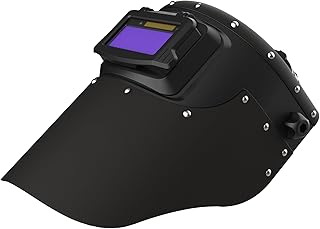
SHINE Leather Auto Darkening Welding Helmet
Check PriceA welding hood leather kit is a custom-fit or universal piece of flame-resistant leather designed to attach to the bottom of a welding helmet. It is typically made from split cowhide or pigskin. The leather hangs down like a bib, covering the front of the neck and upper chest area. Most kits come with pre-punched holes and attachment hardware, including snaps, screws, or hook-and-loop strips.
This is not just a flat piece of leather. Quality kits are skived, or shaved down, around the edges where they attach to the helmet. This ensures the hood’s suspension and tilt mechanics still work correctly. The kit effectively turns a standard hood into a full-coverage shield without the cost of buying a brand-new, specialized helmet. For a deeper understanding of hood materials, you might want to read about leather welding hoods and their unique benefits.
Why You Need One: Critical Benefits
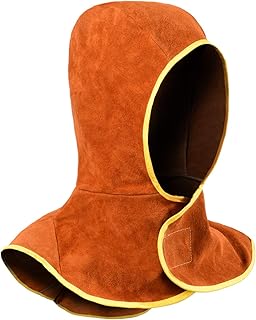
Welding Hood Leather Welder Cap with Neck Shoulder Drape
Check PriceYou might think your clothing provides enough protection. But standard cotton or even treated fabrics degrade quickly under intense arc heat. Unlike synthetic fabrics that melt into your skin, leather chars but does not ignite easily. Let’s look at the specific benefits a leather bib provides.
Enhanced Neck and Throat Safety
The most vulnerable spot for a welder is the neck. Arc burn on the neck, commonly known as welder’s tan, is not just a sunburn. It is a serious radiation burn that can lead to skin cancer over time. A welding hood leather kit provides a flexible curtain that molds to your collar.
When you look down or bend over, the leather maintains the seal. It stops sparks from rolling down your chest and prevents the dreaded hot spark that gets lodged between your collar and neck. For overhead work, this protection is literally a lifesaver, deflecting molten metal away from your body.
Extending the Life of Your Helmet
The bottom of a passive or auto-darkening hood takes a beating. Polycarbonate shells can warp or melt if constantly hit by heavy spatter. The leather kit absorbs this damage. It acts as a sacrificial shield. Replacing a leather bib is significantly cheaper than replacing a cracked hood shell or a fried electronic lens. It keeps your main helmet looking and functioning like new for years.
Protection from Flash Reflection
Light does not only come straight from the arc. It bounces off surrounding surfaces, concrete floors, and aluminum workpieces. This reflected UV light can burn the underside of your chin and neck. A dark leather bib absorbs this light instead of bouncing it into your eyes or skin, improving visibility and comfort.
Choosing the Right Leather and Material
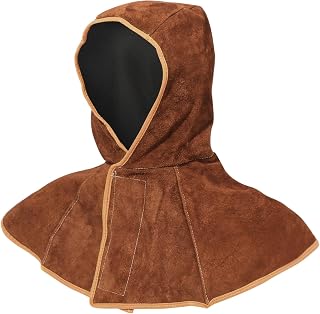
Premium Cowhide Leather Welding Hood with Shoulder Cape
Check PriceNot all leather is created equal. The thickness and type of hide used in a welding hood leather kit determine how long it lasts and how comfortable it feels. Understanding the materials will help you pick a kit that aligns with your specific welding process.
- Split Cowhide: This is the industry standard for heavy-duty protection. It is thick, durable, and highly resistant to heat and penetration from spatter. If you are doing heavy MIG or stick welding with large puddles of molten metal, cowhide is the best choice for your kit.
- Pigskin Leather: Pigskin is lighter and more flexible than cowhide. It breathes better and resists cracking from repeated bending. It is an excellent choice for TIG welding where spatter is minimal but heat and flexibility are major concerns.
- Leather Alternatives: Some protective kits include flame-resistant rubber or laminated webbing. While lighter, these materials can melt under heavy spatter. Always prioritize 100% genuine leather for a welding hood leather kit if you regularly work with high-amperage processes.
Installation: How to Attach the Kit Properly
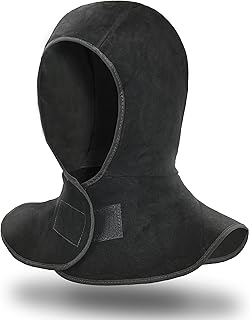
LeaSeek Welding Hood Flame Resistant Leather Cap
Check PriceInstalling the kit varies depending on the hood brand. Some kits are designed specifically for pancake hoods or pipeliner styles, while others are universal. A poor installation job will block the lens or prevent the hood from nodding down, so precision is key. Here is a standard workflow.
- Mark the Alignment: Place the leather on the inside of the hood shell. Do not mount it on the outside. Mounting externally exposes the attachment hardware to direct spatter. Trace the curve of the hood’s bottom edge to ensure a flush fit.
- Drill with Precision: Use a sharp drill bit slightly smaller than the screws or snaps provided. Never drill near the lens gasket or auto-darkening cartridge housing. Always remove the lens module before drilling to prevent vibration damage.
- Secure the Seal: Fasten the leather tightly. Aluminum snap posts are popular because they allow quick removal. However, Chicago screws offer the most permanent hold. Ensure the screws are tight enough to prevent light leaks but not so tight that they crack the plastic shell.
If you are using a classic fiber-metal style hood, you have an advantage. These hoods feature a gasket that is ideal for sandwiching the leather. If you are curious about specific strap setups, especially for specialized hoods, check out our guide on pancake welding hood straps to ensure your entire headgear system works seamlessly with the added weight of leather.
Maintaining Your Leather Kit
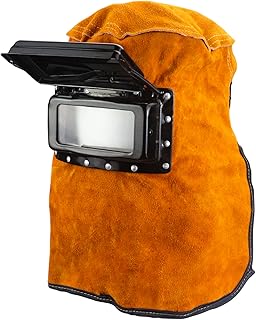
QWORK Welding Helmet Mask with Flip Open Lens
Check PriceLeather is skin, and like your skin, it can dry out, crack, and become brittle under extreme heat without proper care. A well-maintained leather bib can easily outlast the hood it is attached to. The key is to keep it clean and conditioned.
Do not soak the leather in water. If it gets muddy or greasy, wipe it down with a damp rag and saddle soap. Every few months, apply a small amount of non-flammable leather conditioner. This restores the suppleness, allowing the bib to drape correctly over your shoulders instead of sticking out stiffly and catching slag.
Inspect the attachment points weekly. Vibration from welding can loosen screws. A loose bib creates a dangerous gap that invites sparks. If the edges of the leather become furred or cut, simply trim them with heavy-duty scissors to prevent them from unravelling.
DIY vs. Pre-Bought Kits
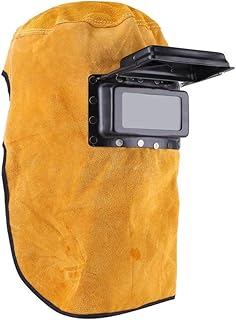
Leather Welding Hood with Flip-Up Lens
Check PriceYou might be tempted to cut up an old welding apron and screw it to your hood. While welding culture heavily promotes DIY solutions, there are risks. The leather must be thin enough to not interfere with the hood’s hinge mechanism. If you use leather that is too rigid, the helmet will not tilt down when you flip it.
Pre-bought welding hood leather kit options are waterjet-cut for uniformity. They provide a clean, professional appearance and guarantee that the skived edges do not catch on your shirt collar. Unless you have industrial sewing equipment to finish the edges, a store-bought kit usually delivers better longevity.
Compatibility Across Different Hood Styles
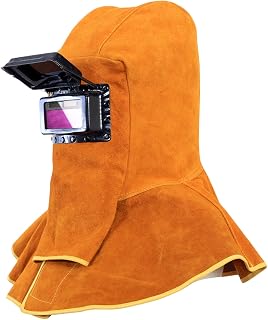
Upgraded Cowhide Leather Welding Hood with Solar Auto Darkening Filter
Check PriceHow the kit performs depends heavily on the type of helmet you use. A kit that works perfectly on a standard flip-front helmet may fail on a pancake hood. Understanding the nuances of your style ensures you buy the right shape.
Sugar Scoop and Pipeliner Hoods
These hoods are the most common candidates for leather bibs because welders often cut them down for a lower profile. The leather compensates for the material removed. The tight radius of these hoods requires a very flexible leather, usually pigskin, to prevent the bib from binding against the chest.
Standard Auto-Darkening Helmets
Big box store helmets have complex ergonomics and front controls. Ensure the welding hood leather kit does not block the arc sensors or the grind mode button. You may need to trim a notch out of the leather to allow clear access to the sensitivity knob or the external grind switch.
Frequently Asked Questions
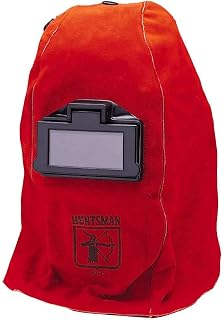
Jackson Safety Heat Resistant Flexible Leather Welding Helmet
Check PriceWhy do welders put leather on their hoods?
Welders primarily add leather to their hoods to block intense arc radiation from burning their neck and to prevent sparks from going down their shirt. It also acts as a durable, heat-resistant barrier that protects the plastic shell of the helmet from hot slag spatter, drastically extending the life of the hood.
Can I use a leather kit on a pancake welding hood?
Yes, but it requires special consideration. A standard heavy cowhide kit is often too stiff for the tight curvature of a pancake hood. You typically need to source a thin, pliable pigskin kit or cut a specific pattern that does not force the balsa wood box away from your face.
How often should I replace my welding hood leather?
There is no set time limit because it depends on usage. You should replace the leather when it becomes stiff and shrinks, pulling the hood out of position. Also look for deep charring, holes that allow light through, or torn attachment points that create a loose, unsafe fit.
Does a leather bib affect the auto-darkening sensors?
If installed incorrectly, it can. A bib that is mounted too high inside the shell can cast a shadow over the arc sensors. This might cause the lens to flicker or fail to darken. Always position the leather so it sits flush with the bottom lip and well below the sensor zone visible on the front of the cartridge.
Conclusion
A welding hood leather kit is a smart, low-cost upgrade that delivers immediate safety returns. It bridges the dangerous gap between your neck and your welding helmet, catching sparks that would otherwise ruin your day. It is not just about comfort, it is about preventing skin cancer and eye damage from reflected light. If you are serious about your trade, adding leather to your hood is a clear sign of experience and professionalism. Check out the selection at reputable welding suppliers like Lincoln Electric to see examples of high-grade protective materials. Do not wait for a bad burn to remind you of that vulnerable spot, upgrade your protection today.