Choosing between mig vs tig welding can feel overwhelming for a beginner. Both processes join metal, but they work in different ways. This guide breaks down each method in plain language. You will learn which process fits your project, budget, and skill level.
Table of Contents
What Is MIG Welding?
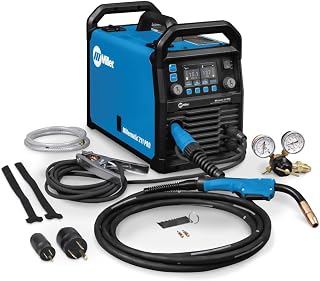
Millermatic® 211 PRO MIG Welder Machine, Dual-Voltage, Auto-Set™
Check PriceMIG stands for metal inert gas welding. Some people call it wire feed welding because a spool of wire feeds through the gun automatically. The wire acts as both the electrode and the filler metal. An electric arc forms between the wire and the workpiece.
Shielding gas flows from the gun to protect the weld pool from contamination. Common gases include a mix of argon and carbon dioxide. MIG welding is often considered the easiest process to learn. It works well on thicker materials and high production jobs.
If you want a deeper look at the benefits, check out why MIG welding is often the best starting point.
What Is TIG Welding?
Millermatic® 211 PRO MIG Welder Machine, Dual-Voltage, Auto-Set™
Check PriceTIG stands for tungsten inert gas welding. It uses a non-consumable tungsten electrode to create the arc. You add filler metal by hand with a separate rod. This gives you precise control over the weld puddle.
TIG welding requires both hands, one for the torch and one for the filler rod. A foot pedal often controls the heat. Shielding gas, usually pure argon, protects the weld area. TIG produces clean, high quality welds on thin metals.
If you wonder about the learning curve, read this guide on learning curve of TIG welding.
Key Differences Between MIG and TIG Welding
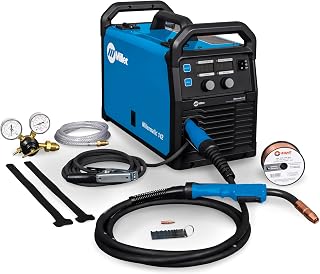
Millermatic® 142 MIG Welder, 120V Portable Wire Feed, Auto-Set™
Check PriceUnderstanding the main differences helps you choose the right process. MIG and TIG vary in electrode type, speed, skill level, and cost. The following sections compare each factor side by side.
Welding process and electrode
MIG welding uses a consumable wire electrode. The wire melts and becomes part of the weld. TIG welding uses a non-consumable tungsten electrode. You must add filler metal by hand as you go.
Because the MIG wire feeds automatically, you can keep both hands on the gun. TIG requires a separate filler rod, which adds a layer of coordination. This basic difference explains why MIG feels easier for many beginners.
Shielding gas
MIG often uses a mix of argon and carbon dioxide. This mix provides good arc stability and penetration. TIG requires pure argon for most metals. Some TIG setups add helium for aluminum or thicker sections.
Skill level required
MIG is easier for beginners to learn. You can make acceptable welds after a short practice session. TIG demands more coordination, patience, and fine motor control. Many welders need months of practice to master a clean TIG bead.
If you are just starting out, MIG gives you quick wins. TIG rewards slow, deliberate practice. Neither process is impossible to learn, but the learning curves are very different.
Speed and productivity
MIG welding is faster because the wire feeds continuously. This makes it great for long production runs and large projects. TIG welding is slower because you stop to add filler rod. The slower speed gives you more control but reduces output.
Weld quality and appearance
MIG welds are strong but often have spatter and need cleanup. TIG welds are cleaner, quieter, and more visually appealing. TIG beads are smaller and more precise. For visible joints or thin materials, TIG often looks better.
Material thickness and types
MIG handles thick steel, stainless steel, and aluminum well. It can struggle on very thin sheet metal without burn-through. TIG is ideal for thin gauge metals, exotic alloys, and delicate work. Both processes can weld aluminum, but TIG gives better control on thin aluminum.
For example, automotive exhaust shops often use MIG for speed on steel tubing. Aerospace and bicycle builders prefer TIG for thin wall tubing and clean beads.
Cost and equipment
MIG machines are generally cheaper and simpler to set up. Wire and gas are affordable for hobbyists. TIG machines cost more upfront, and you also need tungsten, filler rods, and often a foot pedal. TIG maintenance can be higher, but the investment pays off for precision work.
For more detailed technical guidance, this professional comparison guide from Miller Welding covers process settings and joint preparation.
When to Choose MIG Welding
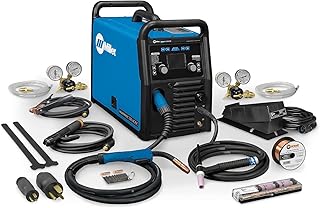
907757 Multimatic® 220 AC/DC Multiprocess Welder, 120V/240V
Check PriceMIG welding makes sense for many home, automotive, and production jobs. It is forgiving on less than perfect fit up. If you want fast results without a long learning curve, MIG is a solid choice.
- You need fast production speed on long weld seams.
- You are welding thicker materials like steel plate.
- You are a beginner learning the basics of welding.
- You work on automotive body panels or home repair projects.
- You want lower equipment and consumable costs.
When to Choose TIG Welding
TIG welding is the best option when precision, cleanliness, and control are top priorities. It takes more practice, but the results are worth it for certain applications. Use TIG for thin materials and visible welds.
- You need precise, clean welds with minimal spatter.
- You are working with thin metals or exotic alloys.
- You want to weld aluminum or magnesium with fine control.
- You care about weld appearance on furniture, artwork, or piping.
- You are willing to invest time in practice to master the technique.
Equipment You Need for MIG vs TIG Welding
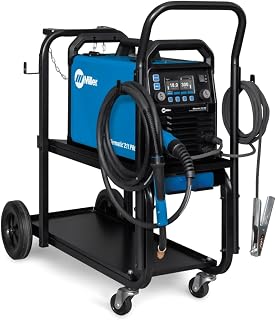
Millermatic® 211 PRO w/Running Gear/Cylinder Rack
Check PriceYour equipment list depends on which process you choose. MIG machines come as all-in-one units with a built-in wire feeder. TIG machines often require separate torches, foot pedals, and gas regulators.
MIG equipment basics
- MIG welder with built-in wire feed system.
- Spool of welding wire, usually steel, stainless, or aluminum.
- Shielding gas cylinder and regulator, often argon and CO2 mix.
- MIG gun and ground clamp.
TIG equipment basics
- TIG welder with AC and DC capability for aluminum and steel.
- Tungsten electrode, usually 2 percent thoriated or lanthanated.
- Separate filler rod that matches the base metal.
- Pure argon gas cylinder and regulator.
- TIG torch, foot pedal or thumb control, and ground clamp.
Common Mistakes to Avoid
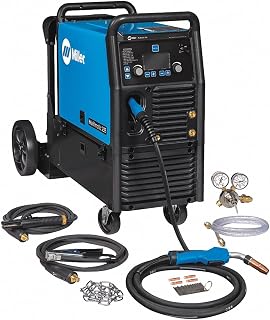
Electric – 951846 – Miller Multimatic 235 Single Phase MIG Welder
Check PriceBoth processes have common beginner mistakes. Knowing them early saves time and wasted material. Small adjustments make a big difference in weld quality.
MIG mistakes to avoid
- Setting wire speed too high or too low for the material.
- Using incorrect stick out length from the contact tip.
- Poor gas coverage from a dirty nozzle or wrong flow rate.
- Pushing when you should pull or vice versa for the joint.
TIG mistakes to avoid
- Dipping the tungsten electrode into the weld pool.
- Using the wrong shielding gas or not enough gas flow.
- Adding too much heat and burning through thin metal.
- Feeding filler rod inconsistently causing lumps or gaps.
Practical Tips for Beginners
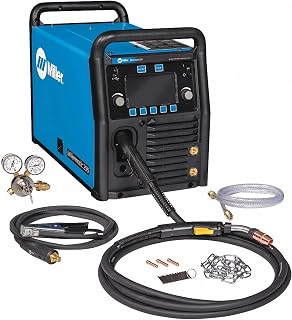
Millermatic 255 Electric MIG Welder,208/240VAC Input,Phase 1
Check PriceIf you are new to welding, start with MIG to build confidence. Practice on scrap metal before tackling a real project. Clean your metal thoroughly for both processes.
For MIG, keep the gun at a consistent angle and travel speed. Listen for a steady frying sound, that indicates good arc length. For TIG, practice feeding filler rod without looking at your hands. Muscle memory takes time, but it pays off.
Always wear proper safety gear, including a quality welding helmet and gloves. Work in a ventilated area to avoid breathing fumes. Small practice sessions every day improve your skills faster than one long weekend.
Frequently Asked Questions About MIG vs TIG Welding
Which is easier, MIG or TIG welding?
MIG welding is easier for most beginners. The wire feeds automatically, and you only manage the gun. TIG welding requires two hand coordination and foot pedal control. Most people learn MIG faster.
Can a MIG welder weld aluminum?
Yes, a MIG welder can weld aluminum if you have a spool gun or push-pull system. You also need 100 percent argon shielding gas. TIG is often better for thin aluminum because it gives more heat control.
Which process produces stronger welds?
Both processes produce strong welds when done correctly. Strength depends on base metal, filler metal, and technique. TIG often gives better penetration control on thin metals. MIG produces comparable strength on most steels.
Is TIG welding worth the extra effort?
Yes, TIG is worth it for precision work, thin metals, and cosmetic welds. The extra practice gives you unmatched control. For high production work, MIG is more practical. Your project goals should guide the decision.
Conclusion
MIG and TIG welding each have clear strengths. MIG is fast, easy to learn, and affordable for beginners. TIG offers precision, cleanliness, and better control on thin materials.
Your choice depends on the project, your budget, and how much time you want to invest. If you need fast repairs and production work, choose MIG. If you need flawless welds on thin or exotic metals, invest in TIG.
Many welders start with MIG and add TIG later as their skills grow. Practice both processes, and you will become a more versatile welder. The best process is the one that fits your specific job.