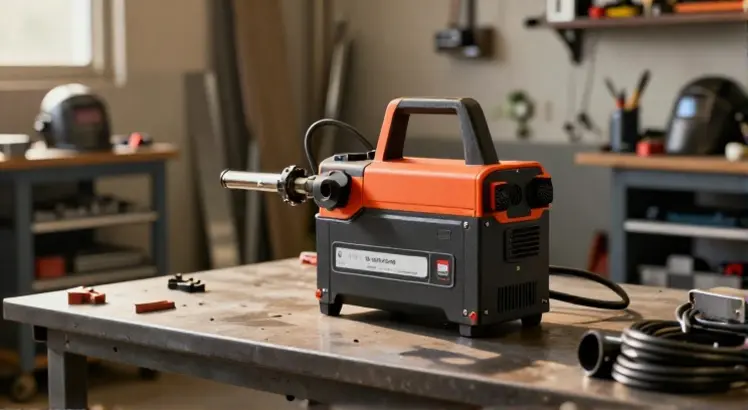
Figuring out how much is a good plasma cutter feels like a guessing game when you see prices ranging from $200 to over $4,000.The truth is a quality machine sits at the intersection of what you need to cut and how often you plan to use it.You do not need to spend a fortune, but spending too little can leave you with a paperweight that barely cuts thin sheet metal.
This guide breaks down exact price ranges, the technology behind them, and the smart way to invest without wasting money.
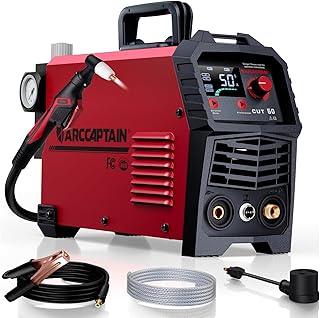
ARCCAPTAIN Plasma Cutter, Large LED Display 50Amps
Check PriceTable of Contents
Key Factors That Determine Plasma Cutter Cost
Plasma cutter pricing isn’t random. Each dollar buys a specific upgrade in amperage, components, and long-term reliability. Before you look at numbers, grasp the four levers that push a price up or down.
Amperage and clean cut capacity. Output amps directly control how thick you can slice in a single pass. A 30-amp unit might sever ⅜-inch steel but only give you a clean, production-quality cut up to ¼ inch. Jumping to 50 or 60 amps adds several hundred dollars instantly.
Pilot arc technology. Dual-voltage units with a blowback or high-frequency pilot arc let you cut through rusty, painted, and even expanded metal without touching the tip to the workpiece.
That feature separates a hobby-grade box from a versatile workshop tool and adds roughly $80 to $200.
Duty cycle and build quality. Duty cycle tells you how many minutes out of ten the cutter can run before it needs to cool down.
A machine rated at 60% at full output uses heavier transformers, better MOSFETs or IGBT transistors, and robust cooling fans, which all increase cost.
Brand support and warranty. Established names like Hypertherm, Miller, Lincoln Electric, and PrimeWeld bake engineering, safety testing, and real customer service into their pricing.
That premium buys you safety certifications and a warranty that often lasts three to five years, something you rarely see with no-name imports.
If you want a deeper look at how the technology influences cost, Lincoln Electric’s guide on plasma cutting fundamentals explains how a high-quality cutting arc translates into real dollars.
Price Categories: Entry-Level, Mid-Range, and Professional
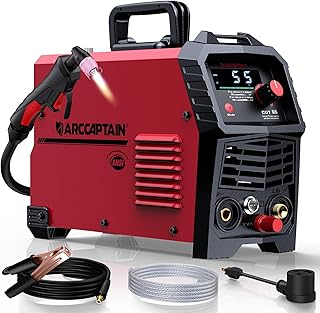
ARCCAPTAIN 55A Large LED Display Pilot Arc Plasma Cutter
Check PriceThink of plasma cutters in three buckets. Each bucket answers a different question: occasional hobby use, serious fabrication, or daily production.
Entry-Level Plasma Cutters ($200 to $500)
These machines flood online marketplaces, and many work surprisingly well for light automotive and art projects. You will typically find inverter-based units pulling 110V or 220V that max out around 30 to 40 amps. They cut mild steel up to ¼ inch cleanly, though claimed severance ratings often exaggerate real performance.
- 110V/220V dual voltage capability with adapter cords
- Blowback pilot arc start on many newer budget models
- MOSFET-based electronics, less durable under sustained heat
- Short duty cycle, typically 20-35% at full output
- Cheap consumables, but you replace them more often
A good plasma cutter in this class costs around $350 to $450. If you go below $250, you often lose pilot arc, which makes the cutting frustrating on anything but perfectly clean sheet metal. For home enthusiasts dipping into fabrication, this bracket makes sense.
Mid-Range Plasma Cutters ($500 to $1,200)
This is the sweet spot for small fabrication shops, auto restorers, and advanced DIYers who expect reliability. Amperage moves to a solid 40-65 amps, giving you a clean cut on ⅜-inch steel and a clean severance on ½ inch or more.
- IGBT transistor technology for lasting high-amperage arc stability
- Higher duty cycles, often 50-60% at rated output
- Built-in air filters and regulators as standard
- Compatible with CNC tables via voltage divider ports
- Warranties from 1 to 5 years with responsive support
Many machines here come from brands like PrimeWeld, Lotos, and Eastwood, with some American-designed models hitting the $800 to $1,100 mark. You feel the upgrade in the torch, the smooth arc start, and how long you can work before the thermal overload light comes on.
If you want to compare how these models perform against cheaper options, our detailed side-by-side on comparing cheap and expensive plasma cutters shows exactly where the extra money goes.
Professional and Industrial Plasma Cutters ($1,200 to $4,000+)
Hypertherm Powermax units, Miller Spectrum series, and select Lincoln machines dominate this tier.
They are designed for daily industrial use, sometimes running eight hours straight on a CNC table with minimal downtime.
- Output from 45 amps to 105 amps or more
- Clean severance on ¾-inch steel, cutting up to 1.5 inches
- Advanced gas control, gouging mode, and marking functions
- Extremely high duty cycle, often 80-100% at full power
- Superior consumable life-through technologies like conical flow
- Real dealer networks and fast repair turnaround
A good plasma cutter in this league rarely dips below $1,600 for a portable 45-amp machine.
Heavy-duty 65-amp systems usually run $2,400 to $3,200, and you accept that cost because downtime costs more.
For a balanced recommendation that gets the most for your dollar without jumping into industrial price tags, our guide to the best plasma cutter for the money breaks down top-rated performers in the sensible spending zone.
Hidden Costs You Should Not Ignore
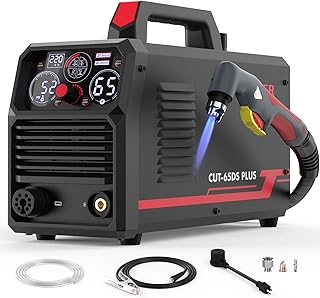
YESWELDER CUT-65DS PLUS Multifunctional Plasma Cutter
Check PriceThe sticker price is only part of the story. If you are new to plasma cutting, forgetting these extras can blow your budget by a few hundred dollars.
Air compressor requirements. Plasma cutters need a steady supply of clean, dry compressed air at roughly 4 to 7 CFM at 60 to 90 PSI depending on the amperage.
A small pancake compressor won’t work. You might need to spend $200 to $500 on a proper compressor or factor in your existing one.
Air filtration and drying. Moisture ruins cut quality and destroys consumables quickly.
A simple desiccant dryer or a motor guard filter adds $40 to $80, while a refrigerated air dryer adds $300 or more and makes a night-and-day difference in cut consistency.
Consumables and replacement torches. Electrodes, nozzles, swirl rings, and shield caps wear out.
A pack of consumables might cost $15 to $50, but if you buy a generic brand with poor availability, you can get stuck waiting weeks for a new torch head.
Safety gear. You must wear a proper welding helmet with a shade 5 to 8 lens, not sunglasses.
Gloves, a welding jacket, and a safe cutting table all add up, but they are non-negotiable for keeping your skin and eyes safe.
Is a Cheap Plasma Cutter Worth It?
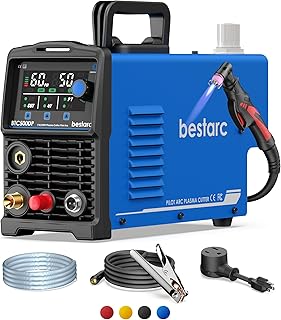
Bestarc Pilot Arc 50A Plasma Cutter
Check PriceA $200 machine can absolutely make clean cuts on ⅛-inch steel for a hobbyist who uses it twice a month. The problem begins when you try to push it past its real limits. No-name imports often use inflated severance numbers.
A box that claims a ½-inch cut may actually produce a gouged, slag-filled nightmare on anything over ¼ inch. You also run into erratic arc starts, especially if the unit lacks a true pilot arc.
Touching the tip to the metal every time creates frustrating misfires and burns through consumables fast. Support is another grey area. If the board fails after 40 days, you may have zero recourse and no service center to call.
Spending $350 to $500 on a respected budget brand with a warranty often delivers a tool that lasts years, not months.
That small jump in price buys you reliability and much better cut quality, especially on aluminum and stainless steel where cheap units struggle with conductivity.
How to Get a Good Plasma Cutter Without Overspending
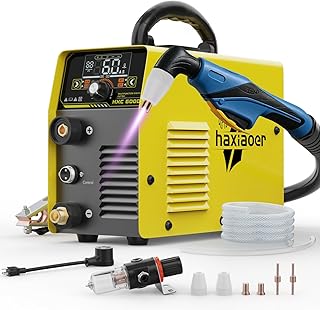
60A Portable Industrial Plasma Cutter
Check PriceSmart shopping means matching the machine to your future projects, not just today’s quick job.
- Prioritize a blowback pilot arc. It lets you cut expanded metal, rusty surfaces, and painted surfaces effortlessly, saving hours of grinding prep.
- Buy the amperage you will actually use. If you never cut steel thicker than ¼ inch, a 30-amp IGBT cutter in the $450 range is a better value than a 60-amp monster that weighs 50 pounds.
- Check duty cycle at the cutting amperage you plan to run. A 60% duty cycle at 40 amps means you can cut for six minutes and rest for four, plenty for most repairs and brackets.
- Look for a dual voltage unit. A 110V/220V machine gives you portability for small jobs and power for thicker material when you plug into a dryer or generator outlet.
- Consider a used machine from a top brand. A well-maintained Hypertherm Powermax30 or Miller Spectrum can be found for $600 to $900 and still outlast a new budget cutter.
Bundle deals from reputable online suppliers often throw in consumable starter packs, gloves, and a basic air regulator. Those packages can save you $50 to $100 over buying separately.
Frequently Asked Questions
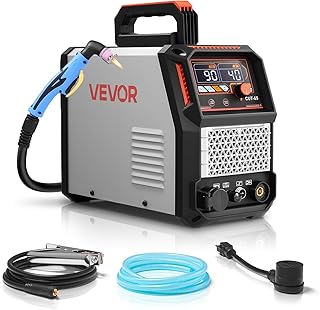
VEVOR 65A Non-Touch Pilot Arc Plasma Cutter
Check PriceHow much should I spend on my first plasma cutter?
For a first plasma cutter that won’t cause constant frustration, aim for $350 to $600. This budget buys a dual voltage, inverter-based unit with a reliable pilot arc and a decent duty cycle, perfect for learning on auto body panels, brackets, and art projects.
Can a cheap plasma cutter cut thick metal?
A sub-$300 machine may sever ⅜-inch mild steel with clean prep, but the cut edge will likely be rough and require heavy grinding. For anything over ½ inch, you need at least 50 amps from a mid-range or industrial-quality system.
Is a used plasma cutter a good investment?
Yes, if you stick to established brands like Hypertherm, Miller, or Lincoln and can test the unit first. Check the torch condition, listen for consistent arc ignition, and make sure consumables are easily available. A used Powermax45 at $900 outlasts most new $500 imports by years.
Do I need a special welding helmet for plasma cutting?
A decent auto-darkening welding helmet set to shade 5 to 8 works perfectly, but you want a model with a grind mode if you plan to clean edges immediately after cutting. Standard sunglasses are never enough.
The Bottom Line on Good Plasma Cutter Pricing
A good plasma cutter for most enthusiasts and light fabricators costs between $400 and $800. In that range, you get dependable IGBT electronics, a real pilot arc, decent consumable life, and enough amperage to confidently cut ¼ to ⅜-inch steel all day long.
If you cut thick plate weekly or run a business, stretch your budget past $1,500 for a machine that pays for itself in productivity. Focus on duty cycle, available support, and realistic cut capacity instead of the lowest price tag.
Spend once on the right tool, and your plasma cutter becomes the fastest, most satisfying metal cutter in your shop.