If you have ever wondered, can you cut aluminum with a plasma cutter, the answer is a definitive yes. In fact, plasma cutting is one of the fastest and most economical ways to slice through aluminum sheet, plate, and even thick sections. Many hobbyists and professional fabricators turn to plasma when they need to cut aluminum quickly without the high cost of laser or waterjet equipment. The key is understanding how aluminum’s unique properties affect the cut edge, which gases and settings work best, and how to avoid common pitfalls like heavy dross or a grainy surface finish.
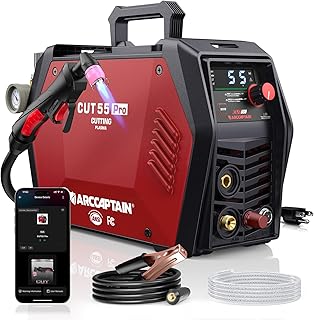
ARCCAPTAIN iControl CUT55 Pro Plasma Cutter
Check PricePlasma cutting works by sending an electric arc through a constricted stream of ionized gas. This superheated jet melts the metal and blows the molten material away. Aluminum cuts well because it conducts electricity and melts at a relatively low temperature compared to steel. However, aluminum also forms an oxide layer that melts at a much higher temperature than the base metal, and its high thermal conductivity can pull heat away from the cut zone. These quirks are easy to manage once you choose the right consumables, gas, and travel speed.
Table of Contents
Understanding How Plasma Cutting Affects Aluminum
![ARCCAPTAIN Plasma Cutter, [Large LED Display] 50Amps Cutter Machine](https://weldinghelmetreviews.com/wp-content/uploads/2026/06/71plrSt80qL._AC_UL320_2.jpg)
ARCCAPTAIN Plasma Cutter, [Large LED Display] 50Amps Cutter Machine
Check PriceBefore you fire up the torch, it helps to know what happens when a plasma arc meets aluminum. Plasma cutters rely on a high-frequency start or pilot arc to initiate cutting. The arc transfers to the workpiece and generates temperatures up to 40,000°F, which instantly melts aluminum. A secondary shielding gas or the plasma gas itself blows the molten puddle out of the kerf (the cut slot).
Unlike mild steel, aluminum forms a tenacious oxide layer, aluminum oxide, that melts around 3,700°F while the underlying aluminum melts at roughly 1,220°F. If your plasma jet does not break through and remove this oxide quickly, you may get a rough top edge or incomplete cut. Fortunately, modern plasma cutters with sufficient amperage and the right gas combination handle this without drama. For a deeper dive into how amperage influences cut quality, our plasma cutter amperage guide walks you through the math for various metals and thicknesses.
Key Factors That Determine Cut Quality in Aluminum
![Bestarc 50A Plasma Cutter Machine [Pilot Arc]](https://weldinghelmetreviews.com/wp-content/uploads/2026/06/71rc-4kyFSL._AC_UL320.jpg)
Bestarc 50A Plasma Cutter Machine [Pilot Arc]
Check PriceSuccess depends on a handful of variables. Balancing these settings is what separates a dross-free, smooth cut from a jagged mess that requires heavy grinding.
Plasma Gas Selection
Your choice of plasma and shielding gas is one of the biggest levers for aluminum cut quality. Common options include:
- Compressed air – The go-to choice for budget-conscious shops and portable units. Air cuts aluminum up to about 1/2 inch thick with acceptable edge quality, though it introduces some surface oxidation and can create a darker, rougher cut face. Air is widely available and keeps operating costs low.
- Nitrogen – Produces a cleaner, brighter cut with much less oxide contamination on the cut face. Nitrogen is often used for aluminum up to 1 inch thick. It helps reduce dross and gives a noticeably smoother edge. It costs more than air, but the finishing time saved often justifies the expense.
- Argon-hydrogen mixtures – Preferred for automated or CNC plasma cutting of thicker aluminum (over 3/4 inch). This gas blend delivers a very smooth, almost polished cut surface with minimal dross. It also allows faster travel speeds. However, it requires careful mixing and is generally reserved for high-end industrial machines.
If you are using a handheld plasma cutter on a budget, compressed air works fine for most home and light fabrication tasks. When cosmetics or edge weldability matter, upgrading to nitrogen can make a huge difference. For an authoritative look at how gases affect arc characteristics, Lincoln Electric’s detailed breakdown of plasma cutting aluminum explains the science behind each gas choice.
Amperage and Material Thickness
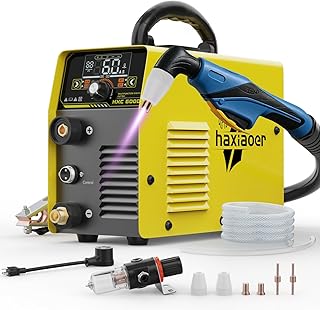
60A Plasma Cutter,110V/220V Dual Voltage High Frequency Contact Arc Cutting Machine
Check PriceA plasma cutter’s amperage directly dictates how thick an aluminum plate it can effectively cut. As a general rule, you need about 25 to 30 amps to sever 1/4-inch aluminum cleanly. For 1/2-inch material, a 40- to 50-amp machine works well, while 3/4-inch and thicker demands 60 amps or more. These numbers shift slightly depending on your gas choice and travel speed.
Always check your machine’s rated cut capacity for aluminum, not just steel. Manufacturers often list a “severance thickness” for steel, but aluminum may be lower due to its thermal conductivity. Running a machine at its upper limit on aluminum can cause edge rounding and heavy dross. Our guide to the best plasma cutters for aluminum lists models that handle aluminum especially well, along with their real-world performance on different gauges.
Travel Speed and Standoff Distance
Moving too slowly can overheat the aluminum, creating a wide kerf, excessive dross, and warping on thin sheet. Moving too fast leads to an incomplete cut, where the arc does not fully penetrate. A good starting point for 1/8-inch aluminum with a 45-amp air plasma is around 60 to 80 inches per minute (IPM). Adjust until the arc blowout exits the bottom of the plate at a slight backward angle, leaving a clean edge with minimal cleanup.
Maintain a consistent torch-to-work distance, usually around 1/8 inch for handheld cutting. Too much gap reduces arc energy density; too little can cause nozzle contact and double arcing, which ruins the consumables and leaves a poor cut. Many users drag a non-contact shield or use a standoff guide to keep the tip off the aluminum, as dragging directly can deposit aluminum oxide on the nozzle.
Step-by-Step: How to Cut Aluminum with a Plasma Cutter
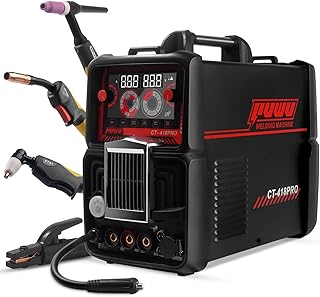
Plasma Cutter Welder Combo Gas MIG/Gasless MIG/HF TIG/Stick/CUT 5 in 1
Check PriceFollowing a repeatable process will give you cleaner cuts and longer consumable life. Here is a practical workflow for handheld plasma cutting on aluminum.
1. Prepare the Workpiece
Remove any dirt, grease, or paint from the cut path. Aluminum’s oxide layer actually helps the arc transfer in some cases, but heavy contamination causes arc instability and rough edges. A quick wipe with acetone or denatured alcohol is usually enough. Clamp the aluminum firmly to your work table to avoid vibration, and connect the work lead clamp to a clean, unpainted area of the metal close to the cut line.
2. Choose the Right Consumables
Pick a nozzle and electrode rated for the amperage you plan to use. If your machine supports different swirl rings or shields, use the set recommended for aluminum when available. Some manufacturers offer optimized consumables for non-ferrous metals that improve arc constriction and reduce dross. Using the wrong nozzle size for the amperage can cause erratic arcs and rapid electrode wear.
3. Set the Air or Gas Pressure
With compressed air, you typically need a regulated pressure between 60 and 80 psi with adequate flow (check the manual). Nitrogen systems run at similar or slightly higher pressures. Insufficient gas flow can allow molten aluminum to blow back and stick to the nozzle, causing a short circuit or arc failure. Let the gas post-flow continue for several seconds after each cut to cool the consumables.
4. Strike the Arc and Begin Cutting
Hold the torch perpendicular to the aluminum, initiate the arc, and wait a split second for full penetration before moving. For thin sheet, you may pierce off the edge of the part to avoid a messy pierce hole. Once the arc is through, slide the torch along the cut line at a steady speed. Watch the bottom of the plate; the arc’s spray should exit at a 5 to 10-degree lag angle. If you see a stream of molten aluminum spraying forward, you are moving too fast; if the cut face shows heavy drag lines or becomes a blob, slow down slightly.
5. Inspect and Clean Up
After the cut, you may find a thin layer of dross (re-solidified metal) clinging to the bottom edge. On aluminum cut with air, this dross is often a mix of aluminum oxide and metal that chips off easily with a scraper or a light pass with a flap disc. With nitrogen, dross is minimal or nonexistent on the right settings. If the edge looks porous or grainy, try increasing the amperage or switching to nitrogen.
Common Pitfalls and How to Avoid Them
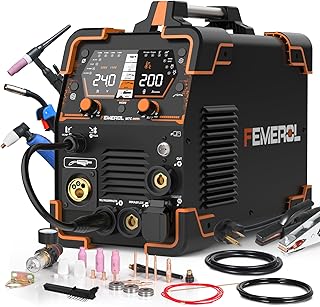
FEMEROL Plasma Cutter Welder Combo 200A 6 in 1 Welding Machine
Check PriceEven seasoned fabricators occasionally run into issues when plasma cutting aluminum. Here are the top problems and their quick fixes.
- Heavy top dross or rollover – Usually caused by too low amperage or too fast travel speed. Increase the amperage or slow down until the dross falls away.
- Porosity along the cut edge – Often a result of moisture in your compressed air. Install a good air dryer or use nitrogen for critical edges that will be welded later.
- Arc not piercing or cutting out – Check the work lead connection. Aluminum oxide is an insulator, so clamp directly to bare metal. Also verify air pressure and that the nozzle is not clogged with spatter.
- Warped or distorted thin sheet – Plasma heat can bow thin aluminum. Use a sacrificial backing plate as a heat sink, or make several fast passes with lower amperage.
- Consumables dying too quickly – Piercing thick aluminum stresses the electrode and nozzle. Try edge starts when possible, and always follow the recommended pierce thickness limit for your machine. Use a drag shield that prevents the nozzle from touching the workpiece.
Handheld vs. CNC Plasma Cutting of Aluminum
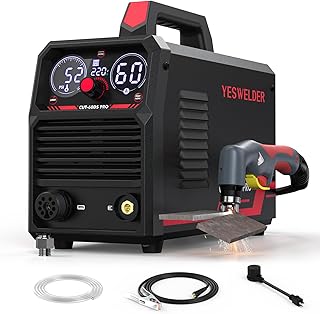
YESWELDER Plasma Cutter 60Amp Non-High Frequency Non-Touch Pilot Arc
Check PriceThe principles stay the same whether you are guiding a torch by hand or running a CNC table. CNC plasma tables, however, excel at cutting intricate aluminum shapes with repeatable precision. They can hold exact torch height, speed, and gas flow, often using nitrogen or argon-hydrogen mixes for superior edge quality.
Handheld cutting is perfectly suitable for one-off brackets, signs, and repair jobs where speed and cost outweigh perfect cosmetics. With a little practice, you can achieve cuts that require only a quick deburr before welding. The key is to invest in a machine with reliable arc stability and, if possible, a blow-back start rather than a high-frequency start, which can interfere with nearby electronics. For a broader look at how plasma compares with other methods, our plasma cutting and laser cutting comparison breaks down when plasma holds the advantage and when you might consider stepping up to laser.
Frequently Asked Questions About Cutting Aluminum with Plasma
Can you cut painted aluminum with a plasma cutter?
Yes, but you will get better results if you remove paint from the cut path. Paint and coatings can outgas, contaminate the arc, and produce a rougher edge. At a minimum, ground through the paint to expose bare metal where the work clamp attaches; otherwise, poor electrical contact can cause arc flicker.
What shade lens do you need for plasma cutting aluminum?
Plasma cutting produces intense arc light, though usually less bright than heavy welding. For most manual plasma cutting below 40 amps, a shade 5 to 8 auto-darkening welding lens or plasma-rated face shield works. Higher amperages may call for shade 8 to 10. Always wear safety glasses under the shield to protect against any stray flashes and debris.
How do you prevent the cut edge from oxidizing?
Switching from compressed air to nitrogen dramatically reduces oxidation. The oxide layer still forms rapidly in ambient air after cutting, but the cut face itself will be smoother and less gray. If you need a weld-ready edge, wire-brush the cut within an hour and store the part in a dry environment before welding.
What is the maximum aluminum thickness a home plasma cutter can cut?
Most 50-amp class units can effectively cut 1/2-inch aluminum with the right technique. They can sever up to 5/8 inch, but the edge quality drops quickly beyond the rated cut. For thicker aluminum, consider a 60-amp or 80-amp machine, or switch to a dedicated oxy-fuel or heavy plasma setup. Note that oxy-fuel cannot cut aluminum, so plasma remains the most practical thermal method for thicker sections on a budget.
Does plasma cutting harden the aluminum edge?
Unlike steel, aluminum does not undergo a martensitic hardening from rapid cooling. The cut edge remains relatively soft. You may see a slight heat-affected zone, but it is negligible for most applications outside of critical aerospace structures. If you need a perfectly soft edge for forming, a quick file pass or flap disc treatment removes any superficial oxide.
Practical Tips for Better Aluminum Plasma Cuts Today
Even small adjustments can elevate your results noticeably. Here are quick wins I have learned from years of cutting aluminum on job sites and in the shop:
- Keep your air dry. A simple in-line desiccant dryer costs under $50 and prevents moisture-related arc problems and porosity. Drain your compressor tank daily when cutting aluminum regularly.
- Preheat thick plate only when necessary. Aluminum’s high thermal conductivity can make piercing sluggish. Preheating to 200°F can reduce the initial arc shock, but avoid overheating; it can cause distortion. For most hobby applications, a sharp pierce and steady hand are enough.
- Use a straight edge for long cuts. Clamping a piece of angle iron or a guide rail reduces torch wobble. With aluminum, even small variations in standoff can produce noticeable drag lines, so a guide keeps the nozzle height consistent.
- Match consumables to the job. Don’t use a 40-amp nozzle for a 30-amp cut. Under-amping a large nozzle can lead to a lazy arc that creates heavy dross. Follow the manufacturer’s chart for aluminum-specific recommendations whenever possible.
Conclusion
So, can you cut aluminum with a plasma cutter? Absolutely, and with the right knowledge it becomes one of the most efficient ways to shape this versatile metal. The secret lies in selecting the proper gas, amperage, and travel speed while respecting aluminum’s unique thermal and oxide properties. Whether you are running a compact 30-amp portable unit on 1/8-inch sheet or a 65-amp industrial machine on 3/4-inch plate, you can achieve clean, weld-ready cuts with minimal dross.
Remember to keep your air dry, pair the correct consumables with your settings, and experiment with nitrogen if edge appearance matters. For detailed equipment recommendations, revisit our top picks for aluminum-friendly plasma cutters and the amperage selection tips that match your workloads. With a little practice, you will slice through aluminum in seconds, leaving behind an edge that needs almost no cleanup.