When you picture a welder, you likely imagine a figure covered in thick, rugged leather. It is not a fashion choice, it is a critical safety decision. Why do welders wear leather? The answer lies in leather’s unique ability to protect against the extreme hazards of the welding environment. From flying sparks and hot slag to molten metal spatter, leather gear acts as a shield that synthetic fabrics simply cannot match.
Leather’s reputation as the go-to material for welding protection did not develop overnight. Generations of welders have trusted it because it withstands abuse while keeping the skin safe. The Occupational Safety and Health Administration (OSHA) even references the need for flame-resistant clothing in its official safety guidelines. This makes leather a top choice for both compliance and everyday comfort on the job.
Table of Contents
Understanding the Hazards Welders Face
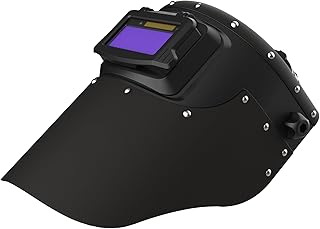
SHINE Leather Auto Darkening Welding Helmet
Check PriceWelding generates intense heat, often exceeding 6,000 degrees Fahrenheit. At these temperatures, metal melts and throws off tiny, superheated droplets. These droplets, along with sparks and slag, can cause severe burns if they land on unprotected skin. Radiant heat and ultraviolet radiation add to the risk, demanding clothing that can insulate and reflect energy.
Sparks, Spatter, and Slag
The most visible danger is the shower of sparks and spatter that accompany arc welding. Molten metal bits carry enough heat to melt through ordinary polyester or cotton blends. Leather resists penetration and extinguishes itself before a spark becomes a flame. Welders who wear leather avoid painful burns from spatter that would otherwise land on arms and shoulders.
Slag from stick welding can chip off and land on the body. Its temperature stays high for seconds. A leather apron or jacket provides a thick barrier. Overhead welding, with a constant rain of hot debris, becomes manageable with full leather coverage.
Radiant Heat and UV Exposure
Beyond sparks, a welding arc emits intense infrared and ultraviolet rays. Prolonged exposure causes welder’s tan. Leather blocks this radiant energy. Thinner fabrics allow UV to pass through, making denim insufficient for heavy tasks.
Arc heat also builds up on clothing surfaces. If fabric degrades or melts, it can fuse to skin. Leather remains stable even when charred, preventing such injuries. This thermal stability is a primary reason welders choose cowhide over newer materials.
Why Leather? The Science of Superior Protection
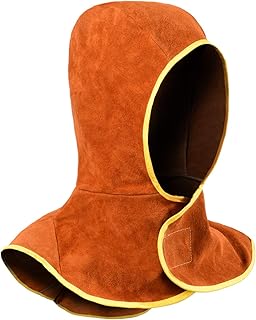
Welding Hood Leather Welder Cap with Neck Shoulder Drape
Check PriceNatural Flame Resistance
Leather does not easily catch fire. It chars and smolders but does not sustain combustion like cotton or nylon. Dense protein fibers carbonize slowly, creating an insulating layer. A leather welding jacket can take a direct hit from molten steel without the welder feeling a thing.
Modern safety standards, like those from the American Welding Society, list leather as an acceptable flame-resistant material. Unlike chemically treated fabrics, leather’s fire resistance does not wash out over time. As long as leather stays intact and conditioned, it retains protective qualities through countless hours of arc time.
Heat Insulation and Abrasion Resistance
A welder often leans against hot metal or rests an arm on a hot joint. Leather provides natural insulation that keeps heat away from skin. Combined with a cotton liner, it allows a comfortable buffer. The material’s density also resists sharp edges and abrasion from plate steel.
Some welders prefer split leather for more protection per ounce. Others choose top-grain cowhide for a smoother feel. Both far outlast heavy-duty cotton garments, making leather a cost-effective choice despite higher initial cost. Over a jacket’s lifetime, the durability means fewer replacements.
Leather vs. Synthetic Materials in Welding
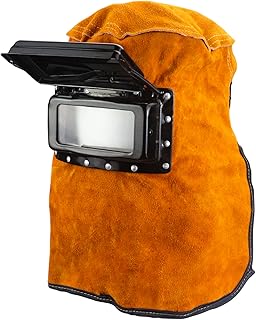
QWORK Welding Helmet Mask with Flip Open Lens
Check PriceCotton and Denim: A Risky Shortcut
Many beginners wonder if heavy cotton or denim can substitute for leather. Thick denim offers slightly better protection than thin cotton, but still burns when met with sparks. A hot spatter ball can cling to denim weave and burn through, reaching skin in seconds. Welders who rely on cotton often end up with pockmarked arms and chests.
Even flame-retardant treated cotton has limits. Chemical treatment degrades after washing, leaving fabric vulnerable. Leather’s resistance never diminishes. Denim also lacks insulation; a hot pipe touched through a denim shirt transmits heat instantly, while leather delays it long enough to react.
Synthetic Blends and Their Melting Problem
Synthetic fabrics like polyester and nylon pose a severe risk. When exposed to high heat, they melt rather than burn. Melted plastic can fuse to skin, causing deep burns. A single spark on a polyester fleece can shrink it into a molten lump.
Even aramid blends, like Kevlar, while heat-resistant, degrade under continuous high-heat exposure. They cost more than leather. For affordability, availability, and proven protection, leather remains the choice. Any welder who has seen a coworker’s polyester shirt turn to liquid knows the lesson.
Essential Leather Welding Gear
Welding Jackets and Aprons

QeeLink Leather Welding Apron 6 Pockets Heat Flame Resistant for Blacksmith | Split Cowhide Work Tool Apron with Aramid Thread | Heavy duty | Adjustable M to XXXL for Men & Women
Check PriceThe most common leather item is the jacket. Covering torso, arms, and neck, a top-rated welding jacket uses pigmented cowhide or supple goatskin for toughness and flexibility. Many feature snaps at collar and wrists to seal openings. Aprons provide a lighter option for low-amp or quick tack jobs, protecting the front while allowing airflow.
Welders switch between apron and jacket depending on position. Overhead welding demands full coverage, including a leather skull cap under the helmet. In high heat, a simple apron over an FR shirt minimizes heat stress. The choice comes down to task and comfort, but having both in your kit is smart.
Leather Welding Hoods
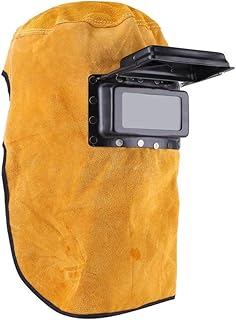
Leather Welding Hood with Flip-Up Lens
Check PriceFor work that puts head and neck in the line of fire, leather welding hoods offer unbeatable coverage. These hoods drape over the helmet and extend down shoulders and back, preventing sparks from singeing the neck or dropping inside the collar. Pipeliners and shipyard welders favor them for full enclosure. Combined with a leather apron, a hood creates a nearly continuous shield.
Leather hoods come in styles like partial bibs attaching to the bottom of a helmet and full capes covering shoulders. The material is split cowhide for thickness and longevity. While they add extra weight, the peace of mind during heavy spray-arc transfer makes them invaluable.
Gloves and Sleeves
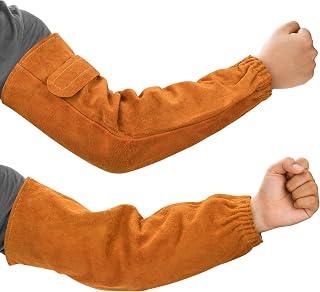
Leather Welding Sleeves for Men and Women, Real Cow Leather with Kevlar Stitching
Check PriceNo leather gear list is complete without gloves. Welding gloves, made from split cowhide or deerskin, protect hands from burns, cuts, and electrical shock. Long cuffs extend up the forearm, overlapping jacket sleeves. Kevlar stitching prevents seams from opening under heat. A good pair lasts months and stays supple with regular conditioning.
Leather sleeves serve as a middle ground for welders who need arm protection without a full jacket. They slip over the arm and fasten at the bicep, shielding the forearm from spatter while allowing the upper body to stay cool. For bench welding or lighter fabrication, sleeves offer great dexterity at lower cost. They require occasional cleaning and oiling to prevent cracking.
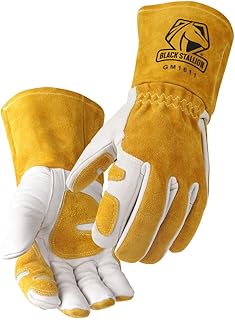
Black Stallion Top Grain Leather Cowhide MIG Welding Gloves
Check PriceHow to Maintain Leather Welding Gear
Leather performs best when it stays clean and conditioned. Wipe down your jacket, hood, and gloves regularly with a damp cloth to remove metal dust and flux residue. Avoid harsh chemicals. Once a month, apply a leather conditioner or mink oil to keep fibers flexible and moisture-resistant, preventing cracking along elbows and shoulders.
Store leather gear in a dry, ventilated area away from direct sunlight. UV exposure can dry out leather and cause it to stiffen. If a piece gets wet, let it air dry at room temperature, never force it with a heater. With minimal effort, a high-quality leather jacket can outlast synthetic gear by a factor of five, making it a clear winner in long-term value.
Frequently Asked Questions
Black Stallion Top Grain Leather Cowhide MIG Welding Gloves
Check PriceCan welders wear synthetic leather?
Synthetic or faux leather is generally not recommended for welding. These materials are often made from polyurethane or PVC, which will melt under high heat just like other synthetics. They do not provide the same flame resistance as genuine animal hides. Stick to natural cowhide, goatskin, or deerskin for any area exposed to sparks and spatter.
Why do welders wear leather instead of just thick cotton?
Thick cotton ignites under sustained heat and does not stop spatter from penetrating. Leather’s density and natural fire resistance stop the molten metal before it reaches skin. Cotton also wears out faster when constantly brushed against hot metal, making leather the more economical long-term choice.
Is leather too hot for summer welding?
Leather can feel warm, but many welders choose split leather aprons over a full jacket in hot weather. Some companies make ventilated leather designs that combine leather front panels with breathable cotton backs. Staying hydrated and taking frequent breaks also helps manage heat. The protection leather gives is worth the extra warmth.
Does leather provide electrical protection?
Dry leather is a poor conductor of electricity, which adds a layer of safety when welding with open circuits. However, it is not a substitute for proper insulated gloves in high-voltage situations. Always use purpose-rated electrical PPE if your work involves direct electrical hazards beyond the welding circuit.
Conclusion: Invest in Leather for a Safer Welding Career
Why do welders wear leather? The answer is written in every charred jacket, spatter-scarred hood, and pair of gloves that saved hands from harm. Leather’s unmatched resistance to flame, heat, and abrasion makes it the cornerstone of welding PPE. Whether a student or seasoned pipe welder, investing in quality leather gear pays off every day.
Start with the essentials, a good leather jacket or apron, sturdy welding gloves, and a leather hood if your work demands overhead protection. Maintain them with simple care routines, and they will reward you with years of reliable service. In a shop where sparks fly and metal glows, there is no substitute for the peace of mind leather provides. Keep your skin safe, stay comfortable, and focus on laying down the cleanest welds you can.