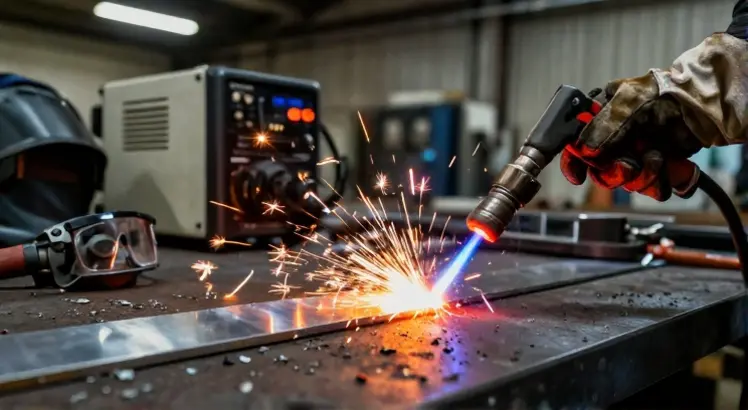
You have a shiny new fabrication project sitting on your bench, and the material of choice is aluminum. You reach for your plasma cutter, but then you hesitate. A nagging voice in the back of your head asks the question that brings countless DIY enthusiasts and metalworkers to a standstill: can you plasma cut aluminum, or will you just end up with a molten, oxidized mess?
The short answer is a resounding yes, you absolutely can. However, the process is not identical to slicing through mild steel. Aluminum’s unique properties, its high thermal conductivity, low melting point, and stubborn oxide layer, demand a specific approach.
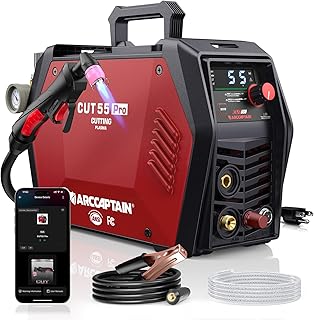
ARCCAPTAIN iControl CUT55 Pro Plasma Cutter
Check PriceIf you treat it like regular carbon steel, you will quickly find yourself battling a jagged, slag-covered edge that looks more like a ruined casting than a precision cut. This guide will walk you through the science, the setup, and the subtle tricks required to make clean, professional-grade cuts on aluminum every single time.
Table of Contents
The Science Behind Cutting Aluminum With Plasma
![ARCCAPTAIN Plasma Cutter, [Large LED Display] 50Amps Cutter Machine](https://weldinghelmetreviews.com/wp-content/uploads/2026/06/71plrSt80qL._AC_UL320_2.jpg)
ARCCAPTAIN Plasma Cutter, [Large LED Display] 50Amps Cutter Machine
Check PriceTo master the technique, you first need to understand why aluminum behaves differently under an arc. Plasma cutting works by sending an electrical arc through a superheated, ionized gas stream. This arc melts the metal, and the high-velocity gas blows the molten material away. For this process to work efficiently, the material needs to be electrically conductive.
Aluminum is an excellent conductor, which initially sounds like a perfect match. However, the real challenge lies in the surface. Aluminum instantly forms a layer of aluminum oxide when exposed to air. This oxide layer has a melting point that is nearly three times higher than the base aluminum underneath.
While the aluminum melts at around 1,200 degrees Fahrenheit, the oxide skin laughs at temperatures up to 3,700 degrees Fahrenheit. Your plasma cutter must punch through this ceramic-like barrier before it can even touch the soft metal beneath. This is why you often see a rough, dross-heavy start on aluminum cuts, especially if the machine’s amperage is too low to overwhelm the oxide instantly.
Thermal Conductivity and Heat Dissipation
![Bestarc 50A Plasma Cutter Machine [Pilot Arc]](https://weldinghelmetreviews.com/wp-content/uploads/2026/06/71rc-4kyFSL._AC_UL320.jpg)
Bestarc 50A Plasma Cutter Machine [Pilot Arc]
Check PriceAnother critical factor is thermal conductivity. Aluminum dissipates heat much faster than steel. As the plasma arc hits the material, the heat wants to spread out laterally rather than staying concentrated in the cut kerf. This rapid cooling tendency means you need to move faster and pack more heat into the cut to prevent the metal from re-solidifying behind the torch.
If you move too slowly, you will create a wide, sloppy kerf and a massive heat-affected zone, which can warp thin aluminum sheets. If you move too quickly, the arc cannot maintain the electrical continuity through the oxide, causing the flame to snuff out. The trick is finding the Goldilocks speed, which is usually significantly faster than the speed you would use on steel of the same thickness.
Key Equipment Requirements for Clean Results
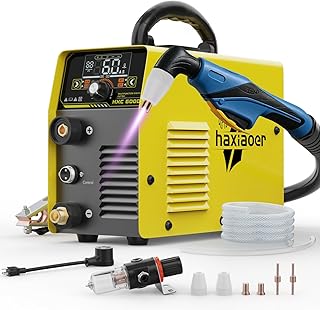
60A Plasma Cutter,110V/220V Dual Voltage High Frequency Contact Arc Cutting Machine
Check PriceNot all plasma cutters are created equal, and if you are serious about fabricating aluminum regularly, your choice of machine matters immensely. While you can technically cut thin aluminum with a low-amperage, 110-volt unit, you will likely be unhappy with the edge quality and the constant struggle against the oxide layer. One common pitfall that leads people to ask can you plasma cut aluminum effectively stems from using underpowered machines that lack the arc voltage to maintain a stable pilot arc. Let’s break down the non-negotiables for your setup.
- High-Frequency Start Technology: Aluminum oxide is a tough electrical insulator. A high-frequency (HF) start allows the arc to jump without touching the metal, piercing the oxide barrier cleanly. Blowback or contact-start torches often struggle to establish a consistent arc on aluminum, leading to frustrating misfires.
- Sufficient Amperage Overkill: The rule of thumb is the 50% over rule. If you want to cut 1/4-inch aluminum cleanly, don’t use a machine rated for exactly 1/4-inch steel. Use a machine that can handle 3/8-inch steel. You need the extra amperage to overpower the reflective heat and high oxide melting point.
- Clean, Dry Compressed Air: This is non-negotiable. Plasma cutters use the air stream to cool the torch and blow the molten metal. Any moisture in the air lines introduces hydrogen. When the arc hits hydrogen and molten aluminum, it creates porosity and a rough, sooty edge. Invest in a high-quality air dryer and a coalescing filter.
- Specialized Consumables: Standard tips work, but they wear out fast on aluminum. Look for gouging or specialty tips designed for non-ferrous metals if you do a lot of production work. The increased heat load on the nozzle can cause rapid erosion.
Step-By-Step Guide: How to Plasma Cut Aluminum Perfectly
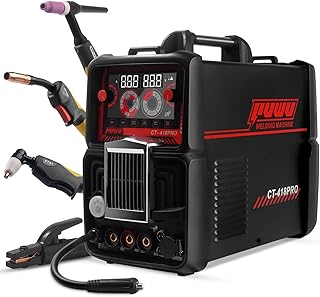
Plasma Cutter Welder Combo Gas MIG/Gasless MIG/HF TIG/Stick/CUT 5 in 1
Check PriceNow that you have the theory and the gear lined up, it’s time to get to the practical execution. Whether you are cutting a thin 16-gauge sheet for a car body panel or a thick 1/2-inch plate for a boat repair, the workflow remains largely the same, with adjustments primarily made to speed and standoff distance.
1. Surface Preparation Is Everything
Because the oxide layer is your primary enemy, do not try to cut dirty, oxidized, or painted aluminum. While you can cut through mill scale on steel, you cannot cheat the oxide on aluminum. Wipe the cut line down with acetone to remove oils. For the best possible edge quality, hit the intended cut path with a stainless steel wire brush. This mechanically removes the thickest oxide build-up. Do not use a carbon steel brush, as it will embed iron particles into the aluminum and cause galvanic corrosion later. The cleaner the surface, the smoother the arc transfer.
2. Dialing in the Amperage and Air Pressure
Contrary to instinct, you do not want to turn the machine to maximum amperage for thin sheet metal. Excessive amperage melts too much material and widens the kerf. However, you do need higher air pressure than you might expect. Check your machine’s manual, but typically, you want to be at the high end of the recommended PSI range. The higher velocity helps blow the viscous, molten aluminum out of the cut. Aluminum resists the blow out effect more than steel because it turns into a sticky, semi-fluid paste rather than a thin, watery liquid.
3. The Torch Standoff and Travel Angle
Hold the torch at a slight 5 to 15-degree drag angle. This preheats the material ahead of the cut. The standoff distance, the gap between the tip and the workpiece, is critical. Keep it as tight and consistent as possible without touching the puddle. If you drag the nozzle, you will short out the arc and damage the tip. If you stand too far away, the arc loses energy density. For aluminum, a tighter standoff helps keep the arc focused and prevents the arc from dancing on the oxide layer.
4. Mastering the Speed
Watch the sparks. On steel, you want the sparks spraying downwards at a 15 to 20-degree angle from perpendicular. On aluminum, the visual cue is different. You want to see a bright, consistent ball of light just below the plate. If the sparks are spraying back at you (toward the torch), you are moving too fast, and the arc is not penetrating. If the puddle is bubbling up and dross is forming a heavy shelf on the back, you are moving too slow. The sweet spot is a fast, fluid hand movement that produces a sharp hiss sound without any sputtering.
Common Problems and How to Solve Them
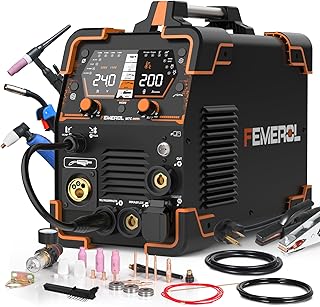
FEMEROL Plasma Cutter Welder Combo 200A 6 in 1 Welding Machine
Check PriceEven with the right settings, aluminum cutting can throw curveballs. Here are the most frequent frustrations and their immediate fixes. Many of these issues are amplified if you are using an older machine that has not been properly maintained, so a quick check of your consumables is always a good starting point.
- Heavy Bottom Dross (The Snail Trail): This is the most common complaint. Aluminum dross is hard and tenacious. If you see a thick, bubbly trail of re-solidified metal underneath the cut, increase your travel speed by 20% and bump up your air pressure slightly. If the dross is black and glassy, you are likely burning oil or contamination.
- Arc Fails to Initiate or Stutters: This usually points to a bad ground connection or a dirty surface. Aluminum needs a pristine electrical path. Grind a small clean spot for the earth clamp, as the oxide layer acts as an insulator even on the clamping surface.
- Rough, Jagged Top Edge: This indicates the arc is wandering. Reduce your torch standoff slightly. A wobbly hand or a fan blowing air across the table can also disrupt the plasma stream.
- Porosity in the Cut Face: If the cut edge looks like a sponge, you have moisture in your air lines. Check your filters immediately. This is also a sign of using contaminated or recycled aluminum.
Comparing Aluminum to Other Metals
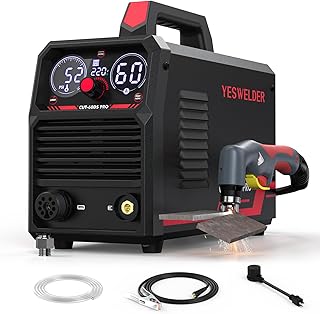
YESWELDER Plasma Cutter 60Amp Non-High Frequency Non-Touch Pilot Arc
Check PriceUnderstanding can you plasma cut aluminum often requires a frame of reference. How does it stack up against the holy grails of fabrication: mild steel and stainless steel? The table below provides a quick, at-a-glance comparison of the cutting characteristics you will experience.
| Metal Type | Oxide Layer Profile | Thermal Action | Cut Edge & Dross Cleanup |
|---|---|---|---|
| Mild Steel | Melts at a lower temp than base metal; very forgiving. | Concentrates heat within the kerf smoothly. | Clean, almost machined edges with minimal, brittle dross. |
| Stainless Steel | Tough chromium oxide skin; needs high amperage. | Creates a sticky, highly viscous molten pool. | Blackened cut edge from heavy oxidation; requires post-cleanup. |
| Aluminum | Oxide skin melts 3x higher than base aluminum. | Instantly pulls heat away from the cutting torch. | Textured face with hard dross requiring mechanical grinding. |
Safety Considerations Specific to Aluminum Cutting
We often focus on the technique and forget that cutting non-ferrous metals introduces specific hazards. Aluminum reflects significantly more light and UV radiation than steel. The arc is visibly brighter, and the reflected heat can be intense. You must wear a proper auto-darkening helmet with a higher shade level than you might use for steel. A shade 11 or 12 is often more comfortable for aluminum plasma cutting than a standard shade 10. Additionally, the fumes from cutting aluminum contain aluminum oxide particles, which are a respiratory irritant. While not as carcinogenic as hexavalent chromium from stainless steel, aluminum dust is still not something you want in your lungs. Always cut in a well-ventilated area or use a proper respirator. For more detailed guidance on protecting your eyes and face, it is helpful to review the specific ratings for auto-darkening lenses.
Furthermore, the fine aluminum dust created by grinding off dross is highly flammable and can cause a dust explosion if concentrated in the air near an ignition source. Keep your workspace clean and avoid using shop vacuums without proper filters, as they can simply aerosolize the fine dust.
Frequently Asked Questions
Can you plasma cut aluminum with a cheap, low-amperage machine?
Yes, but only on very thin material. You can cut 1/16-inch (16 gauge) aluminum with a 30-amp, 110v machine. However, the edge quality will likely be poor, and you will struggle with arc starts. The cost of consumables also skyrockets because the poor arc control burns up tips faster. For anything structural or thicker than 1/8 inch, a cheap machine will frustrate you more than it helps you.
Why does my aluminum cut look different from my steel cut?
The difference is primarily due to the oxide layer and thermal conductivity. Steel cut faces are smooth and dark gray. Aluminum cut faces often appear slightly textured, white, or silvery with a thicker bead of dross along the bottom. This is normal. A perfectly dialed-in aluminum cut will still rarely look as clean as a perfect steel cut without some post-processing.
Do I need special gas to cut aluminum?
For standard hand-held plasma cutting, clean, dry compressed air is the standard and works perfectly. For high-tolerance CNC plasma cutting, some shops use an Argon-Hydrogen mix or Nitrogen. These gases produce a cleaner, whiter edge and reduce oxidation. However, for the average fabricator, air is 95% as good and significantly cheaper.
Conclusion
So, can you plasma cut aluminum? Absolutely. The process is a staple in professional fabrication shops, boat repair centers, and custom automotive garages worldwide. The key takeaway is that successful aluminum cutting relies less on the machine doing the work and more on the operator respecting the material’s unique properties. You must fight the oxide layer with preparation, overcome the heat dissipation with speed, and keep your air supply bone-dry.
If you are in the market for a new machine specifically for this task, you should look for units with a strong high-frequency start and a rugged torch design, as these are the defining features that separate a frustrating experience from a satisfying one. Choosing the right best plasma cutter for aluminum is an investment in clean edges and saved grinding time.
Once you recalibrate your brain from steel speed to aluminum speed, you will unlock a fast, precise fabrication method that transforms how you approach non-ferrous projects. Embrace the learning curve, respect the oxide, and keep your torch moving.
For more in-depth information on ensuring your plasma system operates at peak efficiency, particularly regarding the required electrical setup, you might find it useful to explore the grounding of welding machine procedures on our site, as a solid ground is critical for stable arc transfer on aluminum. Additionally, if you are just starting out with this technology, a comprehensive guide on using a plasma cutter for the first time can help you avoid the most common beginner pitfalls. Finally, for an authoritative external deep dive into the specific gas requirements and metallurgical science, you can reference the technical guides available at The Fabricator.